



Federal health regulators in the US have finally approved a new sunscreen ingredient for the first time in over 25 years, introducing a chemical long available in Europe and other global markets. This significant development offers Americans access to enhanced skin protection.
The Food and Drug Administration (FDA) confirmed that bemotrizinol meets its stringent standards for safeguarding against harmful ultraviolet rays, noting its minimal irritation and absorption into the skin. The agency has deemed the ingredient safe for adults and children aged six months and older.
Initially, bemotrizinol will be sold in the US under the brand name Parsol Shield by Dutch manufacturer DSM Nutritional Products, with a launch anticipated later this year. Following an 18-month exclusive period, other manufacturers will be permitted to incorporate the ingredient into their products.
The introduction of new sunscreen products in the US has been notoriously slow for decades, hampered by the FDA’s complex system for updating its list of approved non-prescription drug ingredients. Bemotrizinol is the first ingredient to navigate a more streamlined approval process, authorised by Congress in 2020.
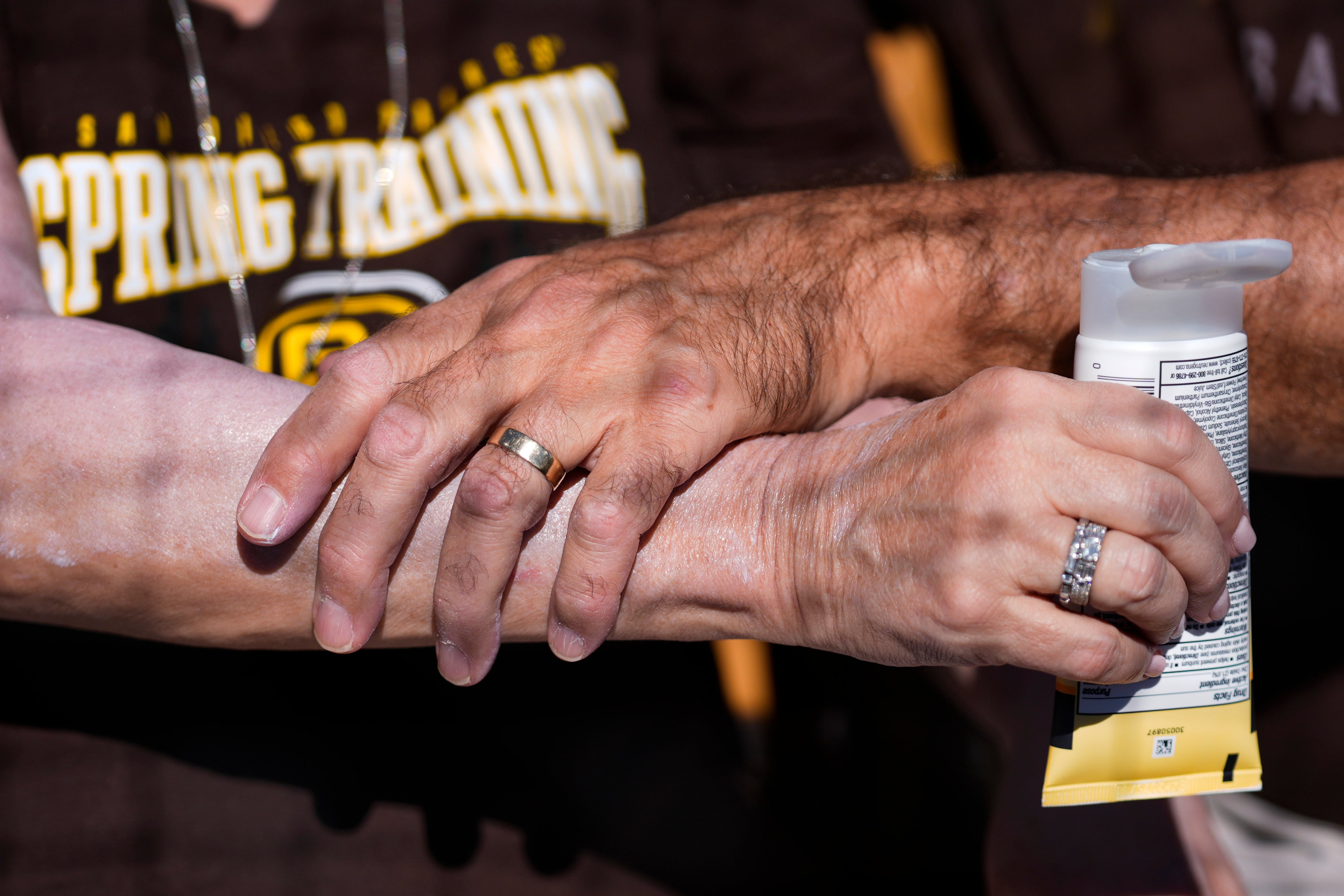
Experts highlight that bemotrizinol will address a crucial gap in the US market, providing protection against both ultraviolet A and B rays without the chalky white residue often associated with mineral-based sunscreens.
David Andrews of the Environmental Working Group commented: “For decades, Americans have used outdated sunscreen tech while the rest of the world moved forward. The approval of bemotrizinol will help change that.”
Andrews’ organisation has consistently advocated for the FDA to strengthen sunscreen standards and facilitate the entry of new ingredients into the market.
Under current FDA regulations, all sunscreens must offer protection against UVB rays, which are the primary cause of sunburn, as well as UVA rays, known for posing the greatest risk of skin cancer and wrinkles.
Currently available chemical-blocking ingredients typically protect against only one type of UV ray, necessitating companies to combine them for “broad spectrum protection.”
Mineral-based ingredients, such as zinc oxide, effectively block both UVA and UVB but are known for leaving a chalky white residue.
Bemotrizinol received authorisation from European authorities in 1999 and was first submitted to the FDA for review as far back as 2005.
Dr. Mike Davis, acting director of the FDA’s drug centre, stated: “The FDA is committed to ensuring the American consumer has access to the most effective and safe therapies, including over-the-counter products like sunscreens.”
The FDA has been progressively updating its sunscreen standards. In 2011, it prohibited terms like “waterproof,” deeming them misleading, and mandated that all sunscreens filter both UVA and UVB rays, a change from previous formulas that sometimes only protected against UVB.
Further measures were proposed by the FDA in 2021, including capping SPF numbers and requiring more robust UVA protection, though these initiatives have yet to be finalised.