

A herd of bison are having a “great impact” on woodlands just a few years after being introduced in a UK-first to help manage habitat for wildlife, conservationists say.
The bison in Blean Woods, Kent, have also been inspiring people about more wildlife-rich habitat – and with new “bison bridges” opening up in the reserve, they will soon be roaming across 200 hectares (500 acres) of woodland, the team behind the scheme says.
The project by Kent Wildlife Trust and Wildwood Kent to bring in European bison, the closest relative of ancient steppe bison that would have roamed Britain thousands of years ago, aims to restore complex habitats that help nature thrive and be more able to cope with climate change, and store carbon.
The animals’ natural behaviour of grazing, felling trees, eating bark and taking dust baths opens the canopy, allows woodland regeneration and creates new spaces for other wildlife.
It is just one of hundreds of Wildlife Trusts’ projects across the UK that have been supported with £31 million raised by players of the Postcode Lottery over the last 20 years, the charities said.
The funding support, which is celebrating a 20-year milestone, began with two Exmoor pony foals arriving at Kielder Forest on April 4, 2006, to graze tough grass and encourage growth of sedges and mosses for insects.
Others schemes include the Scottish beaver trial, to first bring the natural engineers back to the wild in the UK after a 400-year absence, innovative “wet farming” crops in Cambridgeshire fens, and the restoration of a Sussex kelp forest, Essex saltmarshes, and the Great North Bog in northern England.
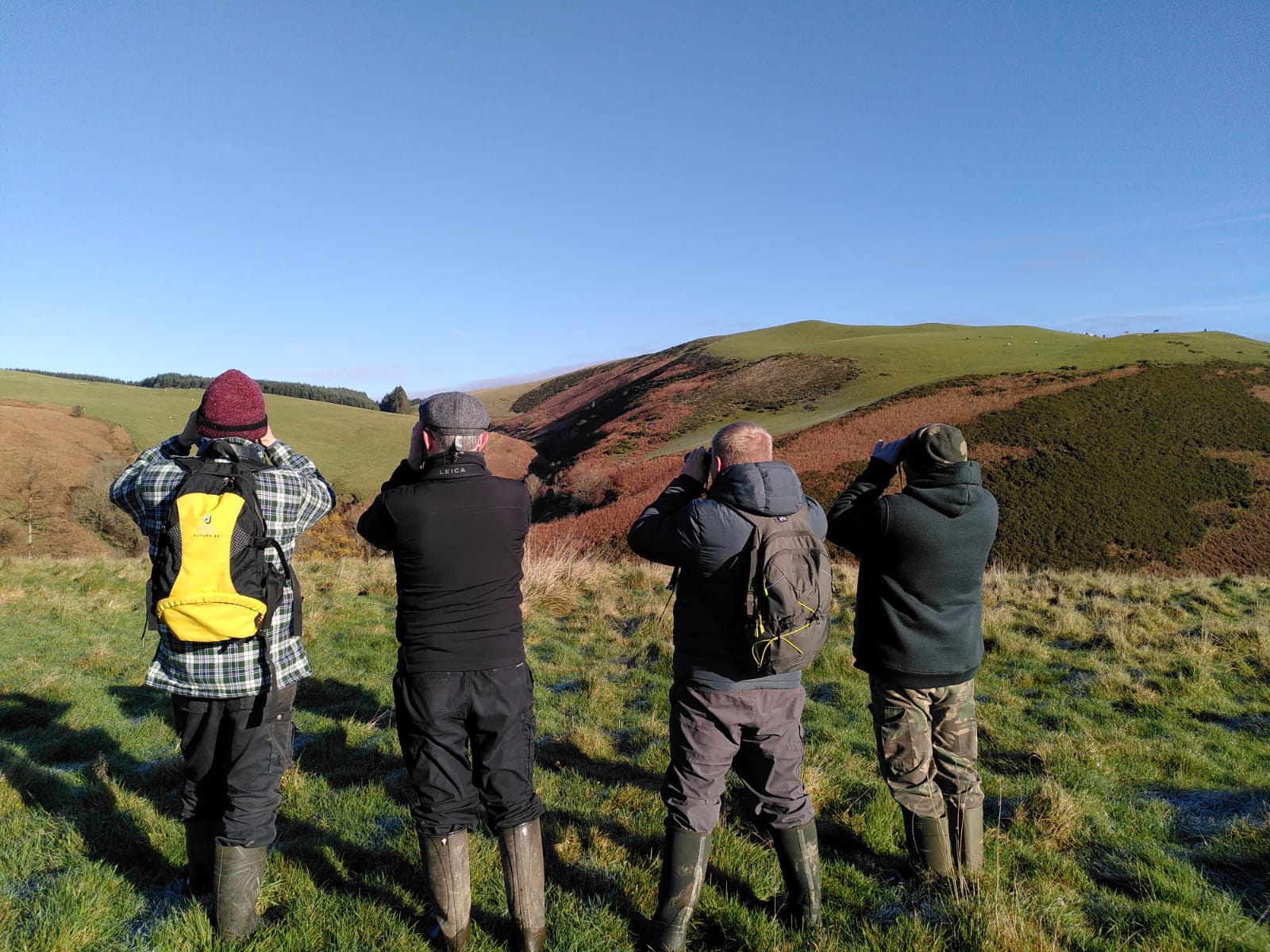
Some projects have aimed to help people and bring them closer to nature, including a recycled plastic boat, the Poly Roger, taking Birmingham children wildlife spotting, urban forest schools around the UK, and a Bradford project helping young Asian men find their feet through wildlife gardening.
For the project in West Blean and Thornden Woods, near Canterbury, a bison herd of a matriarch, two other females and a bull were first introduced into a fenced 50-hectare enclosure in 2022.
Since then seven calves have been born, the matriarch died last year, one young bull has gone to a breeding programme at Whipsnade Zoo and five animals have gone to a new project in Cumbria, leaving a four-animal herd once more.
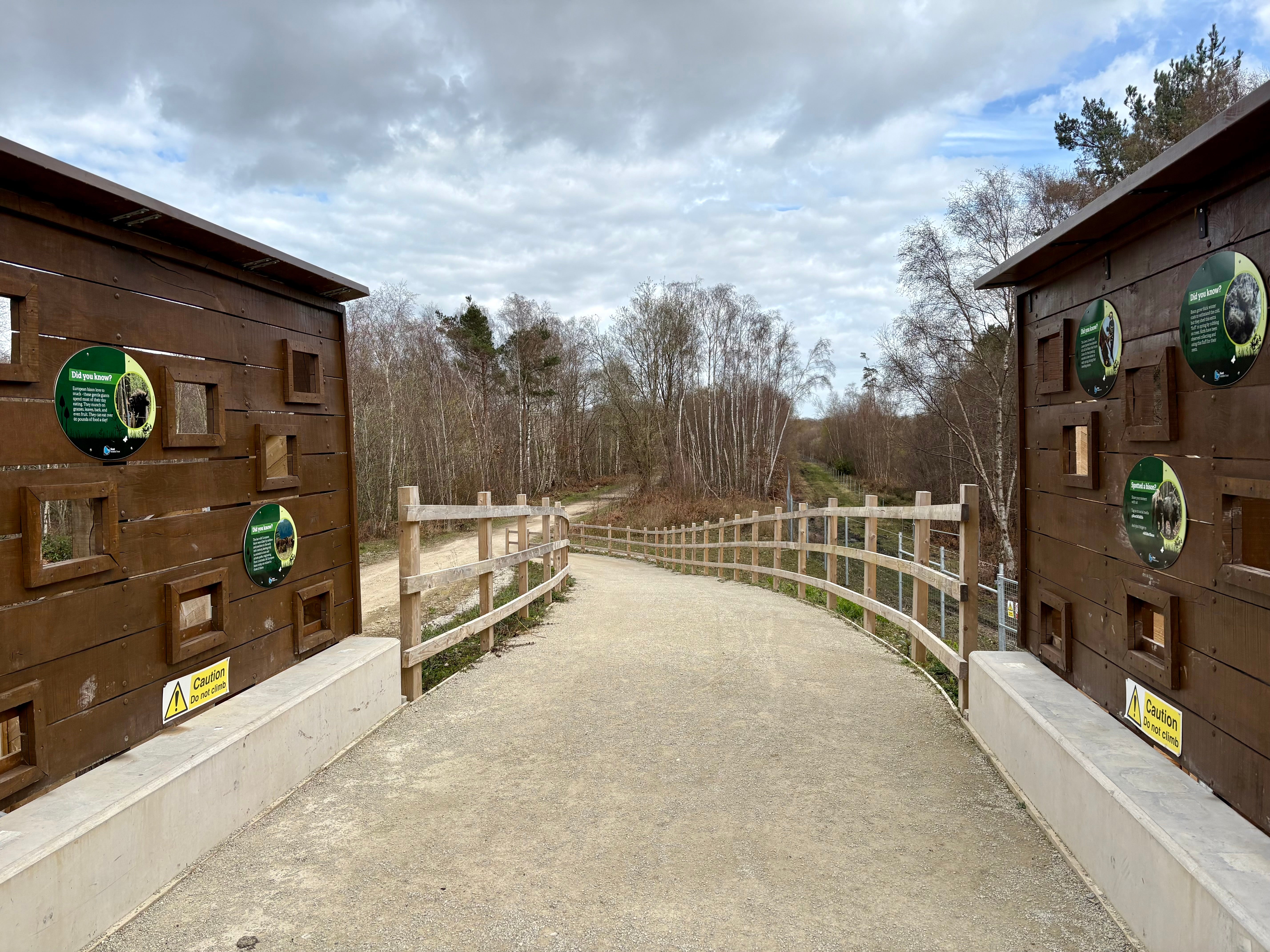
They are now getting access to a much wider swathe of woodland thanks to bison bridges, the first of which was funded by the Postcode Lottery and a further three by separate donations, enabling the herd to move under existing footpaths into other parts of the woodland without preventing public access.
Two bridges have already been completed and opened, with hopes the final two will be constructed by the end of the year, though as yet the herd have not ventured under them.
Wildlife monitoring and research will show, over time, what effect the bison are having, but Hannah Mackins, bison and conservation grazing ranger, said they were already starting to see a difference in the part of the wood they have been in until now.
“Walking through there, we have a lot more light on the woodland floor, we have species growing through that wouldn’t have had before, because it was so dense with trees, bracken and brambles.
“They are having a great impact already,” she said.
Projects in the Netherlands also show some surprising results from having bison – including a boost in the number of certain bird species which use the fluff from the animals to better insulate their nests, ensuring more chicks survive, and it is hoped similar findings will emerge in Kent.
Postcode Lottery funding totalling £1.45 million enabled the project to get off the ground, paying for miles of fencing for the bison, the animals’ transport, creation of ponds, signage and the purchase of ponies, pigs and cattle to graze other parts of the woodland.
Alison Ruyter, wilder grazing lead at Kent Wildlife Trust, said: “If we hadn’t had that big budget to bring people along, to tell that story, do it in this place, it wouldn’t have had the impact it has had,” adding the project had fired people’s imaginations.
She said the scheme was not about turning the clock back, but said: “We can make things wilder, make things better fit into the landscape we have now got and the challenges we have got.
“We are looking at how we can use these elements of nature we’ve lost and bring back something that’s similar, to do the jobs that they used to do to create this ecosystem.”
Marking the 20-year milestone of funding from the Postcode Lottery, Craig Bennett, chief executive of The Wildlife Trusts, said: “The climate change challenge facing us all is immense and this long-term support has helped Wildlife Trusts rise to this, working on an incredibly diverse range of projects – from educational events to innovative landscape-scale restoration.
“Every single staff hour funded and hectare of countryside restored all adds up to a united mission to save our natural world for wildlife and people.”