


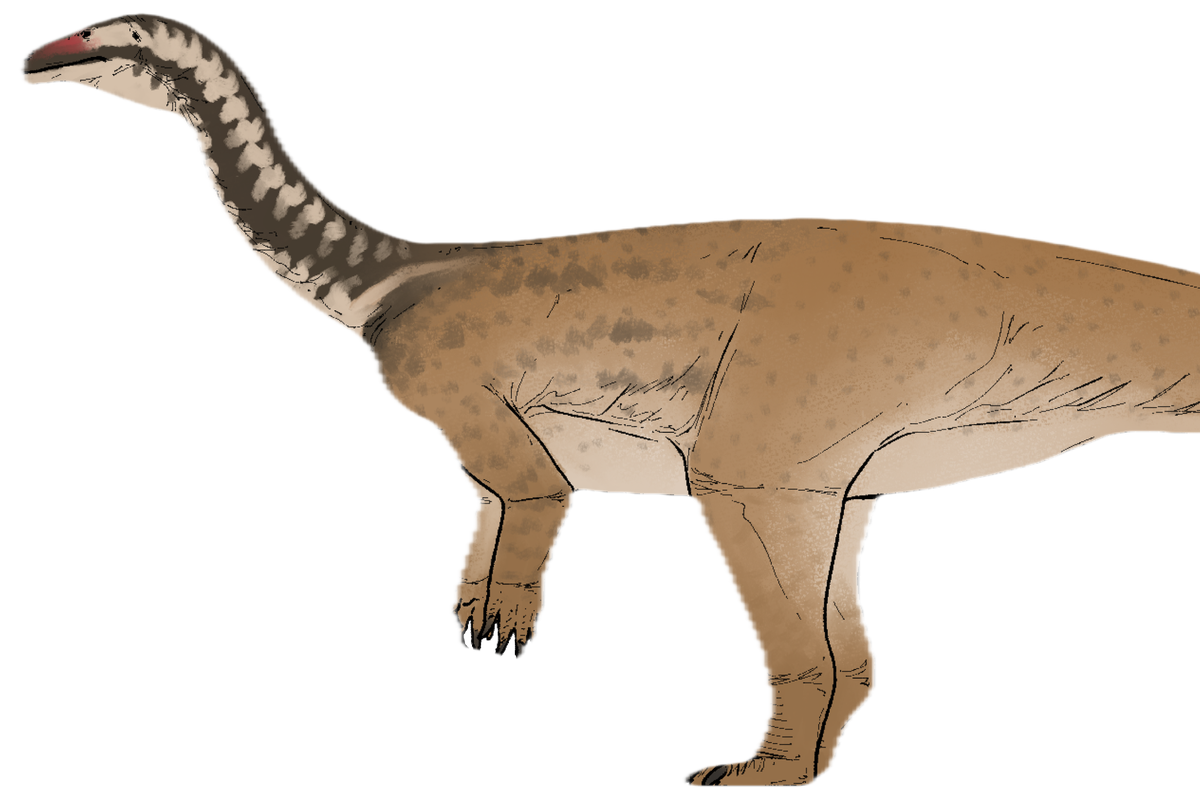
Scientists have identified a new dinosaur species that lived 190 million years ago in what is now China, bridging a major gap in our evolutionary understanding of the long-necked giant.
Xiangyunloong fengming was 9-10m long, making it one of the largest-known plant-eating dinosaurs found in China. It lived during the Early Jurassic epoch, between 201 and 174 million years ago, which was a pivotal evolutionary period witnessing the rise and diversification of long-necked, plant-eating dinosaurs.
The genus name is an amalgamation of Xiangyun, the county where the specimen was found, and loong for the traditional “Chinese dragon”. The species name, fengming, meaning phoenix singing, is a reminder that birds are living dinosaurs. It also echoes Luming, the town the fossil was found in.
“Additionally, Fengming was the original name of Lin Fengmian, the artistic master and founding president of the China Academy of Art, whose staff participated extensively in this project,” the researchers wrote in a study published in the journal Royal Society Open Science.
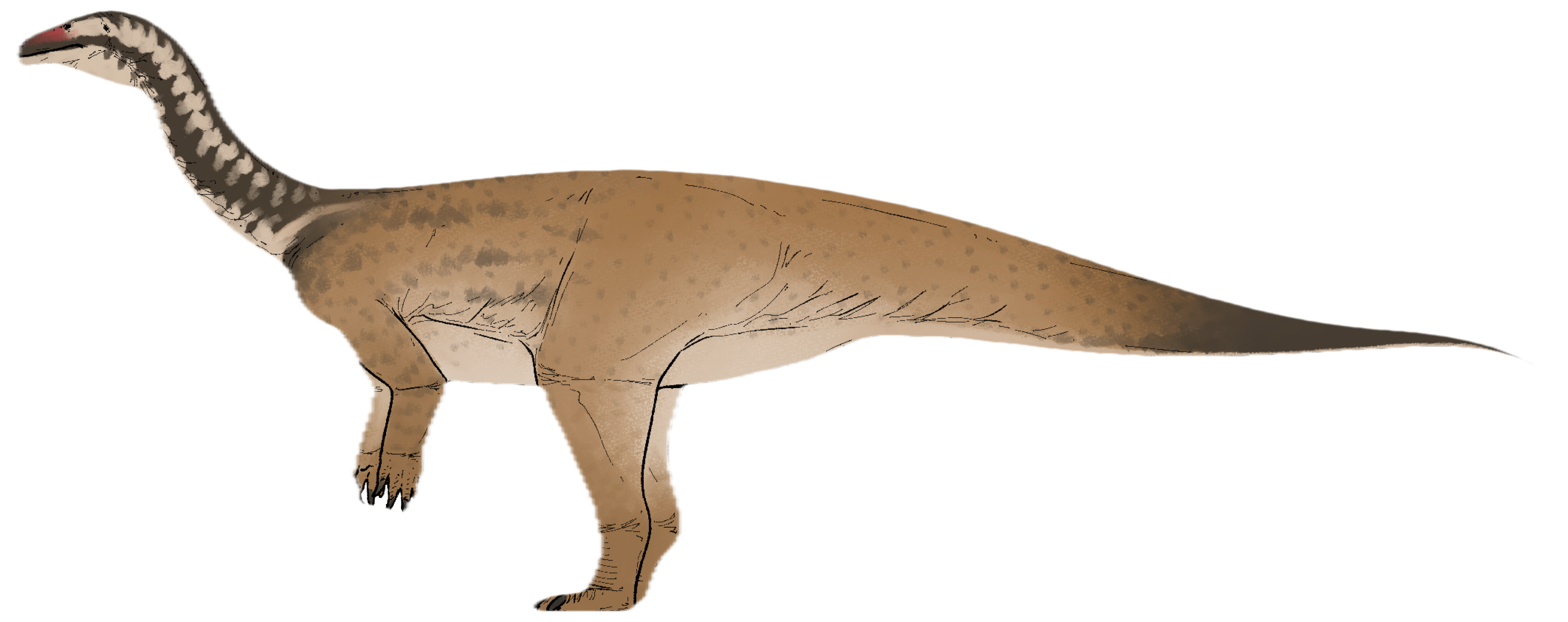
The researchers identified the new species from fragments of cervical, pelvic, vertebral, and hip bones found at a fossil site in the Fengjiahe Formation in southwestern China’s Yunnan province.
They noticed that Xiangyunloong was distinguished from fellow long-necked sauropod dinosaurs by a unique combination of features. “Xiangyunloong exhibits significant morphological distinctions from Xingxiulong and other early-diverging sauropodomorphs, supporting its designation as a new genus,” they wrote.
It had a larger body size, a shorter neck, and an elongated tail compared to similar dinosaurs, indicating an initial stage of gigantism characteristic of such species, as well as the potential ability to walk on two legs.
These features, according to the researchers, could represent an alternative evolutionary pathway to the neck elongation seen in many of its relatives.
“It provides further evidence for the diverse adaptive strategies employed by these dinosaurs prior to the dominance of the long-necked, gigantic sauropods,” they argued. “The discovery of Xiangyunloong significantly enriches the morphological and ecological diversity of early-diverging sauropodomorphs in southwestern China.”