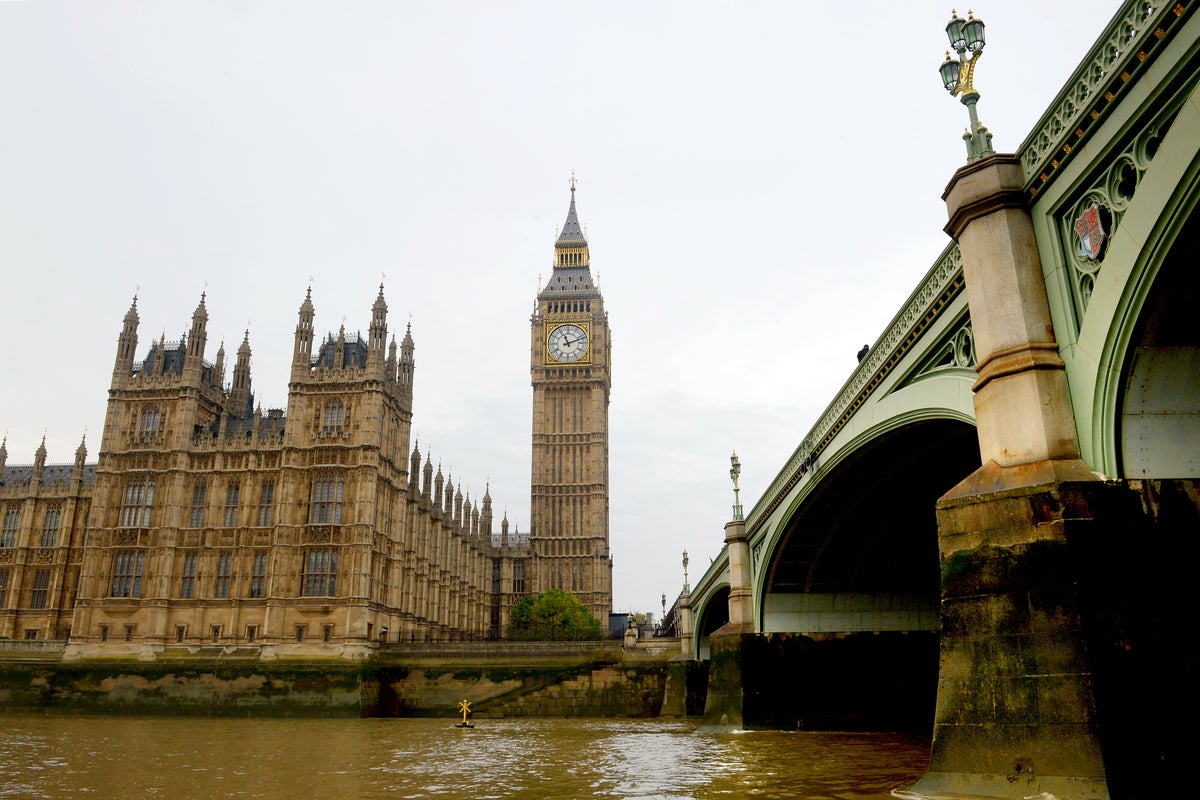
MPs will have received a £19,000 pay rise by the end of this parliament, the watchdog has announced.
The Independent Parliamentary Standards Authority (IPSA) said on Monday that the salary of an MP will increase to £98,599 in 2026-27 before rising to £110,000 by 2029.
Announcing the decision, the body said MPs were facing increased levels of abuse and dealing with more complex workloads in their role.
It means £12m more will be spent on the pay of the Commons’ 650 MPs by the expected date of the next election.
The announcement comes just 24 hours before chancellor Rachel Reeves is set to give her Spring Statement with an update on the state of the country’s finances, and amid fears she will have to raise taxes again in the autumn.
With the war in Iran set to hit energy prices and Ms Reeves’ £20bn headroom further, it is expected that money will be tight again.
It also comes at a time when a number of public sector workers including teachers, doctors, nurses and fire fighters are threatening strike action over their restricted pay increases.
In 2025, IPSA applied an interim increase of 2.8 per cent to £93,904. In the last year, the body has engaged the public in a wide-ranging programme of consultations to help guide decisions about MPs’ pay over a longer period.
Additionally, IPSA has undertaken a process to benchmark MPs’ pay against other responsible roles in the wider public sector, and parliamentarians in similar democracies around the world.
In a statement, it said that its analysis suggests MPs should receive a salary of around £110,000 by the scheduled end of the current parliament in 2029, from £91,346 at the start of the parliament in 2024.
Richard Lloyd, IPSA’s chair, said: “The role of an MP has evolved. They are dealing with higher levels of complex casework, and abuse and intimidation towards MPs and their staff has been growing.
“In reaching our decision for 2026-27 we have benchmarked MPs’ pay against other responsible, senior roles in civic society and similar worldwide democracies, as well as considering our own core principles and the wider economic context.
“In future years we will continue to consider prevailing economic and fiscal conditions when confirming annual pay decisions taking into account the experience of people outside of parliament.”
As an initial step towards this figure, IPSA’s decision on pay for 2026/27 includes a 1.5 per cent benchmarking adjustment, as well as a 3.5 per cent cost-of-living increase.
John O’Connell, chief executive of the TaxPayers’ Alliance said: “Politicians should not be insulated from the consequences of their own actions. Their pay should be linked to real living standards measured by GDP per capita.”