


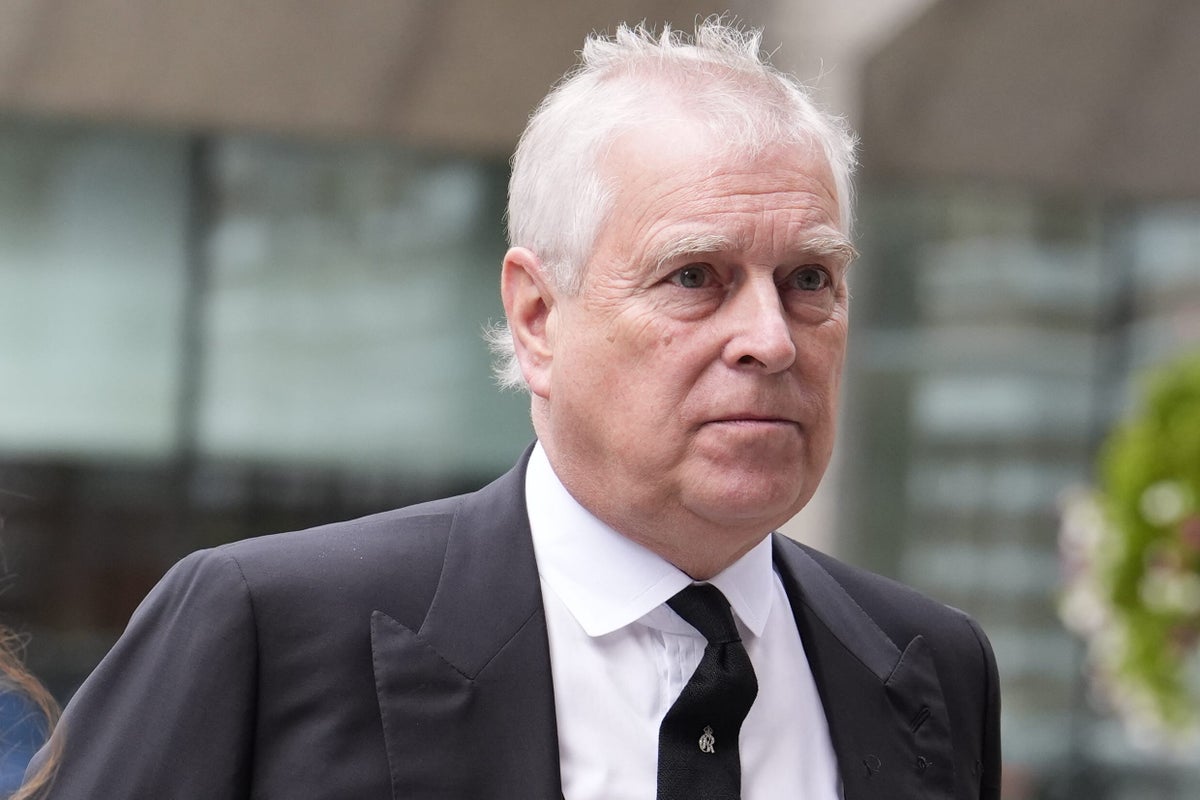
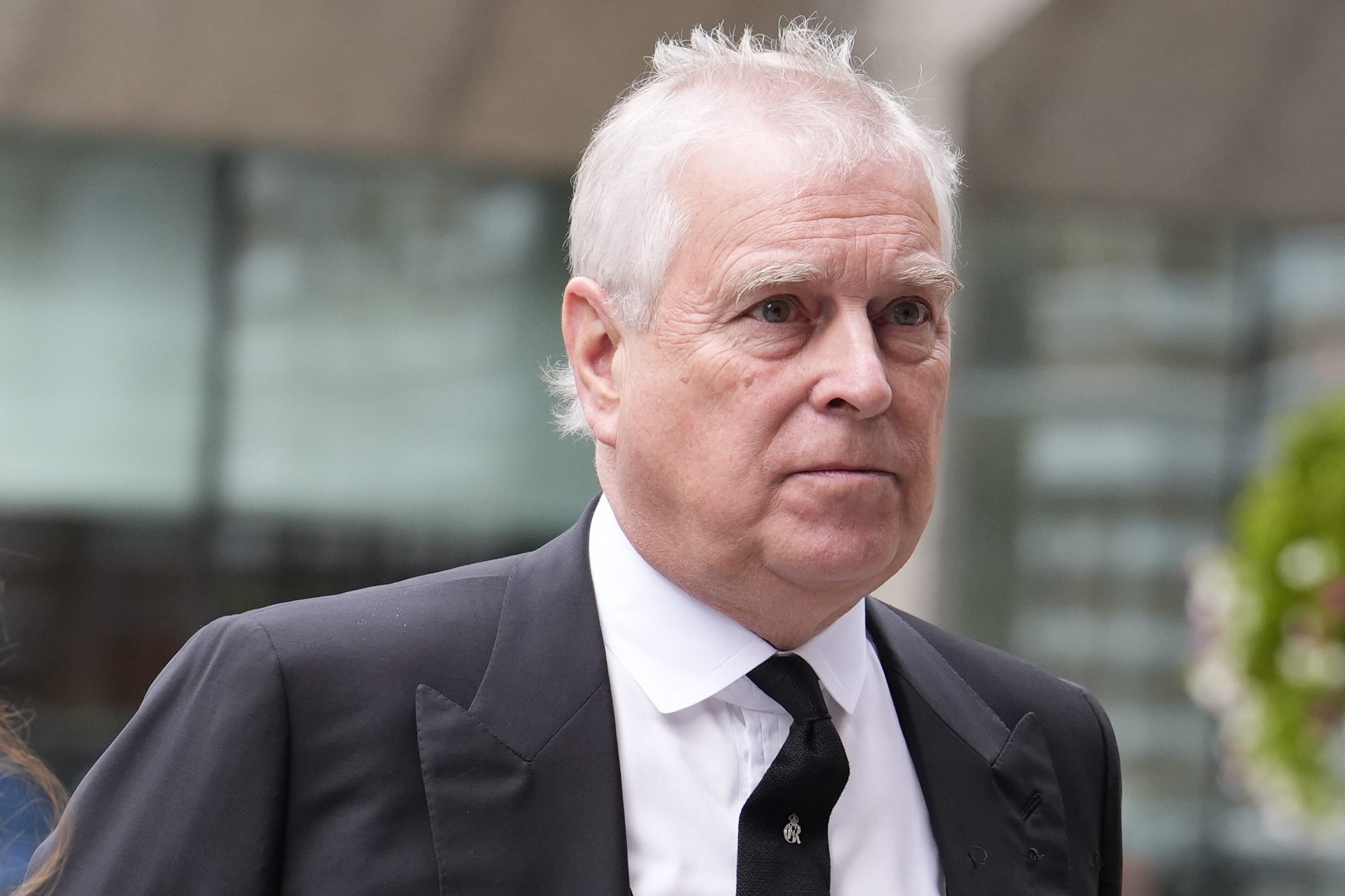
Jeffrey Epstein may have played a role in Andrew Mountbatten-Windsor becoming a UK trade envoy, a shadow minister has suggested, as the government agreed to release the bombshell documents related to his appointment.
On an unprecedented day in parliament that saw MPs from all sides line up to admonish the former prince, Conservative minister Alex Burghart said it was “possible to identify the hand of Epstein” in Mr Mountbatten-Windsor’s appointment to the role back in 2001.
MPs unanimously supported a motion calling for the release of files relating to the appointment, waving it through without a vote after the government backed the Liberal Democrat-led calls to publish the papers, including any vetting and any correspondence from Peter Mandelson.
However, MPs were told that ministers are unable to publish material that police need for their inquiries until officers are “satisfied”.
The Lib Dems used a humble address, the same arcane mechanism the Tories used to press for the release of files relating to Lord Mandelson’s appointment as ambassador to the US, to pressure the government.
It came as party leader Sir Ed Davey described the latest revelations about the former prince and Lord Mandelson as “the first truly global scandal” that reaches “right to the top of the British establishment”.
Mr Mountbatten-Windsor faces accusations that he shared sensitive information with Epstein while acting as a special representative for trade and investment between 2001 and 2011. He was taken into custody last week on suspicion of misconduct in public office, before being released under investigation.
This came only days before Lord Mandelson was also arrested on suspicion of misconduct in public office, following similar allegations of having passed sensitive information to Epstein during his time as business secretary.
The former Labour minister was released on bail in the early hours of Tuesday.
Opening the debate, Sir Ed said: “Can there be many people more symbolic of the rot that eats away at the British establishment than the former Duke of York and special trade envoy, and the former business secretary, first secretary of state and ambassador to the United States?
“Their association with Epstein and their actions on his behalf, while trusted with the privilege of public office, are a stain on our country. We must begin to clean away that stain with the disinfectant of transparency.”
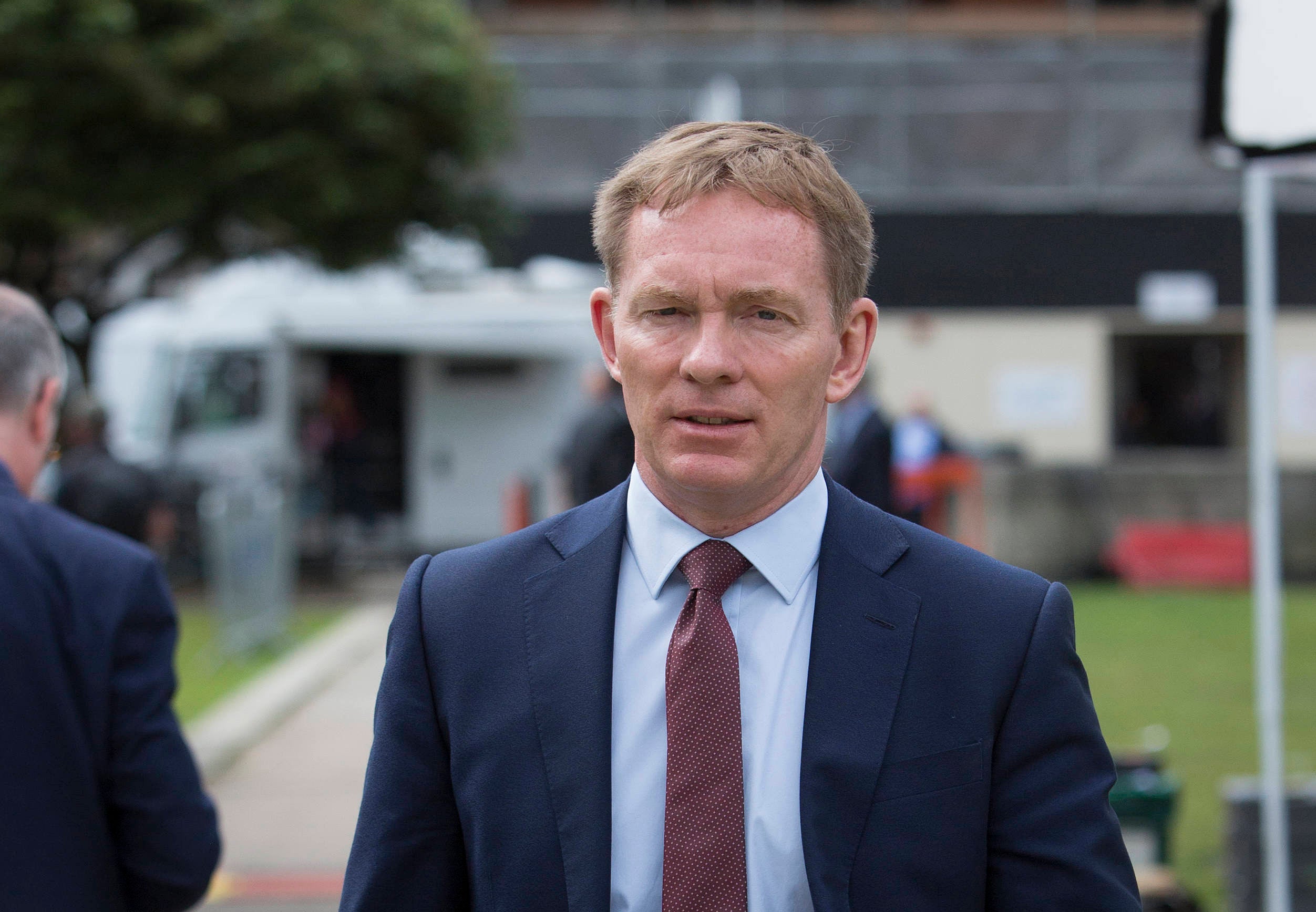
Trade minister Sir Chris Bryant described Mr Mountbatten-Windsor as “a rude, arrogant and entitled man who could not distinguish between the public interest, which he said he served, and his own private interest”.
Responding at the despatch box to the Lib Dem motion, Sir Chris said: “Let me be clear from the outset, we support this motion today.
“Frankly, it is the least we owe the victims of the horrific abuse that was perpetrated by Jeffrey Epstein and others, the abuse that was enabled, aided and abetted by a very extensive group of arrogant, entitled, and often very wealthy individuals, in this country and elsewhere.
“It’s not just the people who participated in the abuse. It’s the many, many more who turned a blind eye out of greed, familiarity or deference.”
Sir Chris later added: “As the police have rightly said, it is absolutely crucial that the integrity of their investigation is protected, and now these proceedings are underway, it would be wrong of me to say anything that might prejudice them, nor will the government be able to put into the public domain anything that is required by the police for them to conduct their inquiries, unless and until the police are satisfied.”
The minister, who described the former prince as “a man on a constant self-aggrandising and self-enriching hustle”, also said he wants to “manage people’s expectations” about how quickly the papers relating to Mr Mountbatten-Windsor can be released, due to the age and quantity of the material, and the live police investigation.
He said: “It’s worth bearing in mind that the documents that might be envisaged in this are mostly 25 years old. Some of them are a bit earlier. They may be substantial in number, and many of them will be in hard copy.”
Meanwhile, Conservative shadow Cabinet Office minister Alex Burghart suggested that Epstein may have influenced Mr Mountbatten-Windsor’s appointment as a trade envoy in 2001.
He told MPs: “If one looks back to 2001, it is possible to identify the hand of Epstein in Mr Mountbatten-Windsor’s appointment. It is reported that Peter Mandelson first met Epstein in the summer of 2001.
“Mountbatten-Windsor had first met Epstein, I believe, in 1999. And shortly after Mandelson’s first meeting in October 2001, [Mountbatten-Windsor] is appointed as trade envoy.”
Mr Burghart said his party welcomed the motion, but criticised the government for not disclosing the information without the need for a humble address.
“What would have been better is if the government had been proactive on this, and had not had to be brought to the House by opposition parties in order to release this information,” he said.
It comes as the business and trade committee weighs up launching a parliamentary probe into the role of UK trade envoys, following Mr Mountbatten-Windsor’s arrest.
It is understood that any inquiry would look at potential governance issues within the wider system, and lessons to be learnt, avoiding specific commentary on Mr Mountbatten-Windsor until there is no risk of prejudicing criminal proceedings.
Despite being stripped of his title last year, the former Duke of York is still eighth in line to the throne, and an act of parliament would be required to remove him from the line of succession.
The government has not ruled out introducing such legislation once police have finished their investigation into the King’s disgraced brother.