

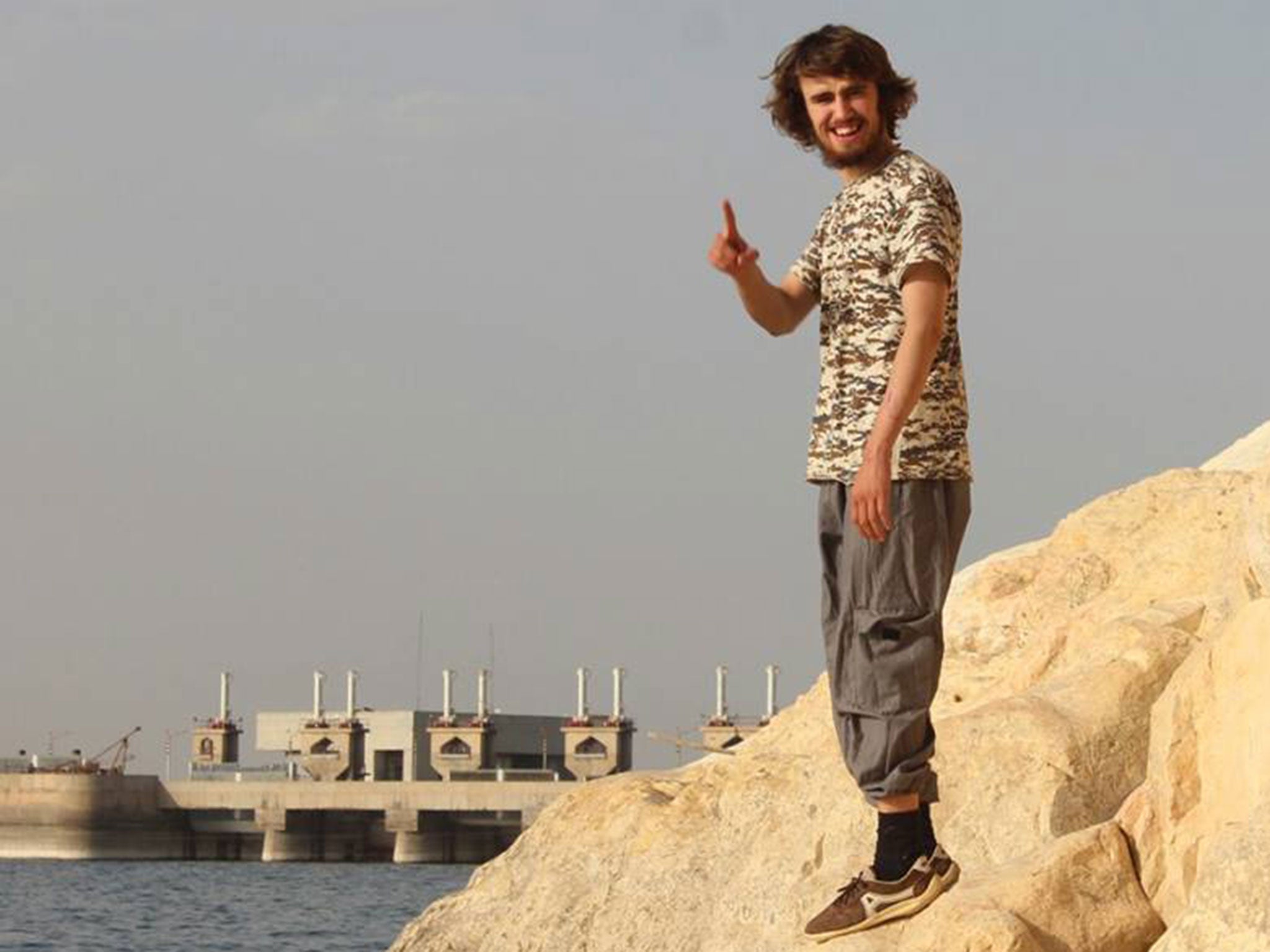
The mother of a man stripped of his British citizenship and held in a Syrian Islamic State jail said he had been “left to die” by the UK after prisons in north-east Syria were engulfed by violent clashes between government and Kurdish-led forces.
Sally Lane, 63, said her son Jack Letts, 30, and others with ties to Britain accused of affiliations with Isis, are “sitting ducks” who have been “left to fend for themselves” as detention centres have become the frontline in ferocious fighting.
The Independent understands as many as 60 people, including 35 children, with connections to the UK are currently being held in these camps and prisons, now engulfed by battles, despite desperate calls over the years from their families to repatriate them.
Reprieve rights group warned that British children were now in “mortal danger” as a direct result of the UK government’s “negligent policy” to strip their parents of citizenship and to refuse to repatriate them.
Letts, who has Canadian citizenship, has been held without formal charge or trial for a decade by the Kurdish-led Syrian Democratic Forces (SDF), as a suspected Isis militant.
A convert to Islam, he had travelled to the Middle East in 2014, eventually ending up in Isis-controlled territory in Syria, where he was arrested by the SDF two years later when trying to flee. Nicknamed by parts of the media “jihadi Jack”, he has denied being an Isis fighter. In 2019 his UK citizenship was stripped.
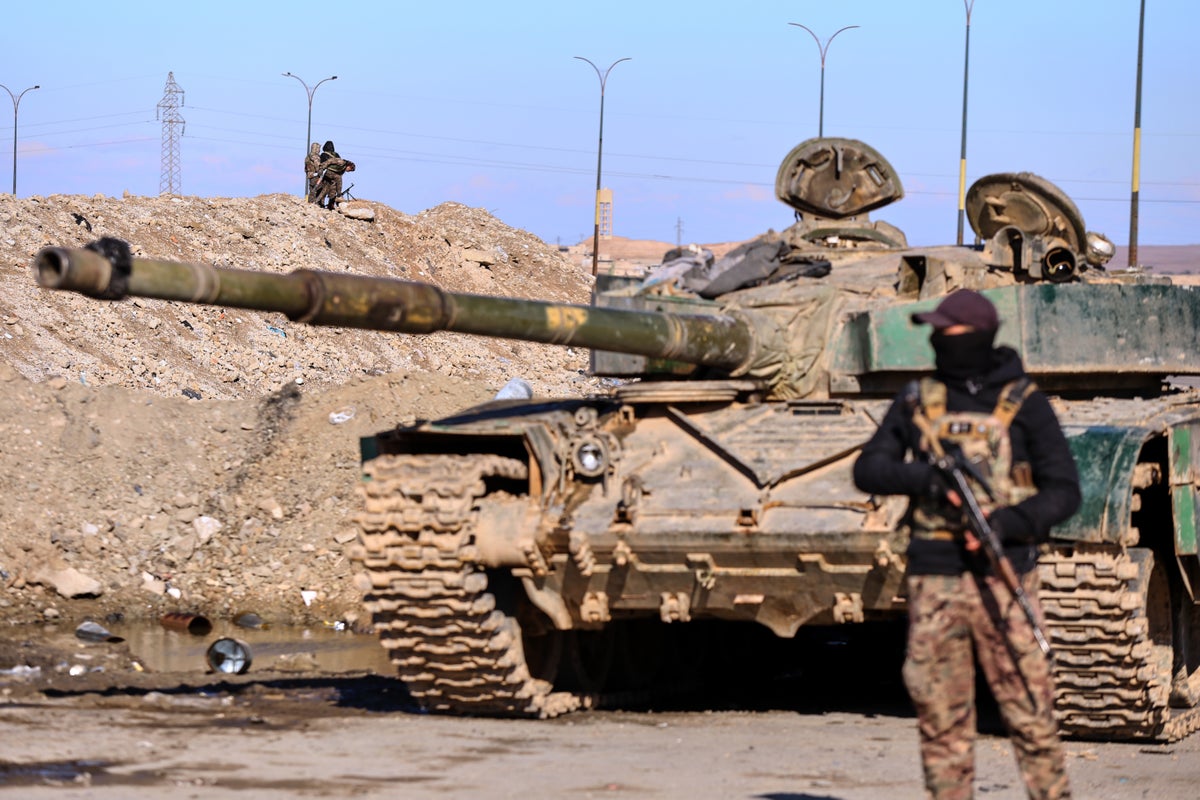
He is currently believed to be in a prison in Raqqa, where Kurdish forces accused government forces of using suicide drones and heavy gunfire against the facility on Tuesday night.
“Keir Starmer has failed British citizens, former British citizens, utterly he’s abandoned them to their deaths. We’ve been screaming about this for years,” Ms Lane told The Independent, accusing the UK and Canadian governments of “negligence and moral abdication”.
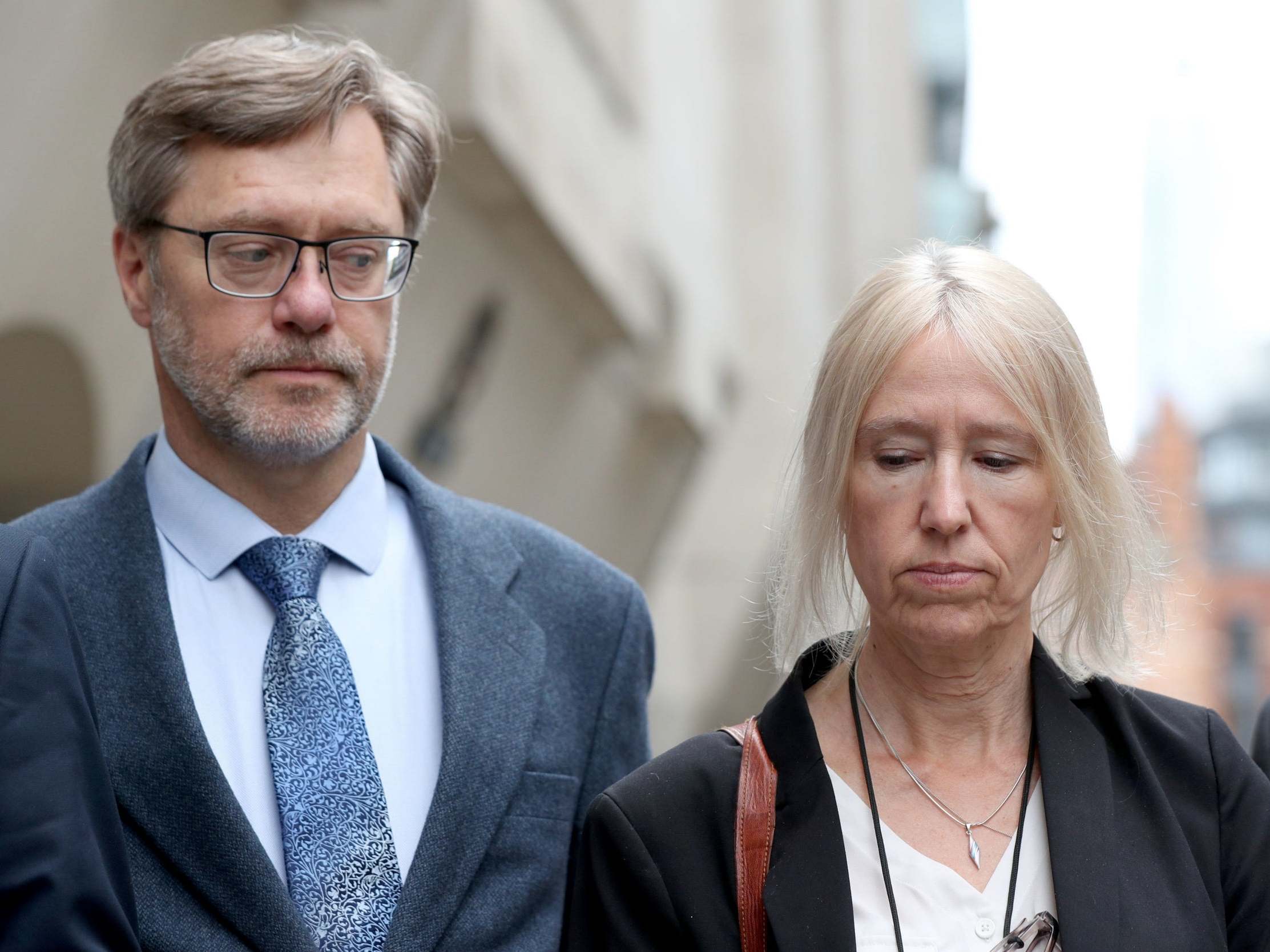
She has long campaigned to have her son repatriated, citing concerns about his welfare, . In 2019 she and her ex-husband John Letts were handed a 15 month prison sentence, suspended for a year, for “funding terrorism” after they tried to send money to their son in Syria in 2015 via an intermediary.
“[The government has] blood on their hands, and now it’s just a free for all. The detainees will just have to fend for themselves.
“It beggars belief that nothing has been done for 10 years, that it’s just been allowed to happen.”
Syrian President Ahmed al Sharaa, a former Islamist rebel who led the uprising against Bashar al Assad, has sought to bring the fractured country under centralised authority after over a decade of civil war and sectarian violence.
But talks with Kurdish-led authorities, who seek autonomy in the north-east, have failed. This week Damascus forces swept swathes of northern and eastern Syria long held by the SDF.
Amid the chaos, sides traded accusations about the escaped Isis suspects from different prisons – with reports that as many as 200 were now on the loose.
An official with the U.S. military’s Central Command who spoke on condition of anonymity, said: “We are aware of the reports and are closely monitoring the situation.” Tom Barrack, the US special envoy to Syria, meanwhile urged the SDF to integrate with the government on social media.
As the violence escalated on Tuesday, the office of al Sharaa said it had renewed a truce with the SDF, which gave it four days to develop a detailed plan of how to integrate Kurdish areas and its forces into defence and interior ministries.
The SDF said they were “fully committed” to the ceasefire agreement and were open to “political tracks, negotiated solutions and dialogue”.
But Kurdish-led forces also reported fighting still raging around SDF-run prisons and camps holding tens of thousands of people either accused of being part of Isis or who lived under the caliphate.
The Syrian defense ministry has pledged to take over the camps and prisons, and accused the SDF of using them as “bargaining chips” to “sow chaos and destabilise the region”.
There are believed to be around 9,000 men accused of being Isis militants in the prisons, including 10 men like Letts linked to the UK.

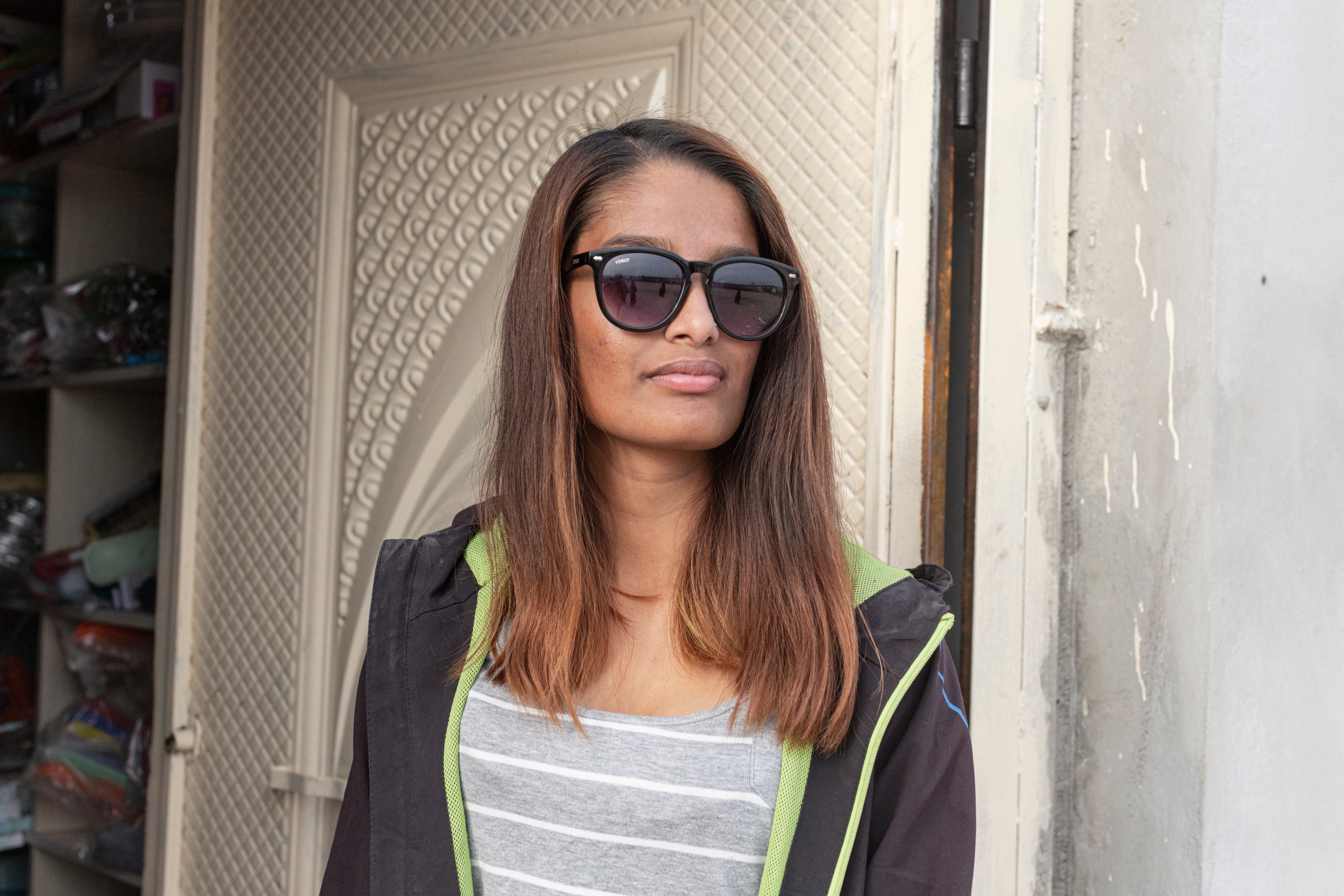
Meanwhile 42,000 others, primarily women and children linked to male Isis suspects are being held in two camps al Hol and Roj. The most high-profile detainee is Shamima Begum.
In 2015, at just 15 years old, Begum was groomed and likely trafficked by Isis to the so-called caliphate in Syria. Her citizenship, like Letts, was stripped in 2019, leaving her stateless.
The Independent travelled to the camps this summer where former British citizens warned their lives were in danger amid concerns about the security break down in Syria.
On Tuesday reports from within the camps that were shared with The Independent, said there was heavy gunfire heard particularly around Roj, where most of the foreigners are being held.
Maya Foa, chief executive of Reprieve, called on the UK government to urgently intervene and repatriate all British nationals “at the earliest opportunity” warning British children were in “caught in the crossfire”.
“For family members back home in the UK, the fragments of information coming out of Camp Roj and Al-Hol are terrifying,” she said.
“The government should make urgent arrangements to repatriate all British nationals at the earliest opportunity, while emphasising to all diplomatic partners the need to respect and protect the rights of prisoners in these facilities.
“Security experts have been warning about the collapse of these detention facilities for years. The Kurdish authorities themselves described them as a ‘ticking time bomb’.
Ms Lane, like several of the families, has spent years campaigning to have her son repatriated to the UK, even if he were to face investigation and trial, telling The Independent she fears he had been tortured by his guards in prison.
After his citizenship was stripped, and after Canada declined to intervene, in recent weeks Lane has launched a campaign to have his British citizenship reinstated, fearing the security situation in Syria was deteriorating and he could become trapped.
“The families [of those held in Syria] have agreed to everything in the past decade from the government including that their relatives can be put on trial.
“Even that wasn’t good enough. They have still been abandoned.”