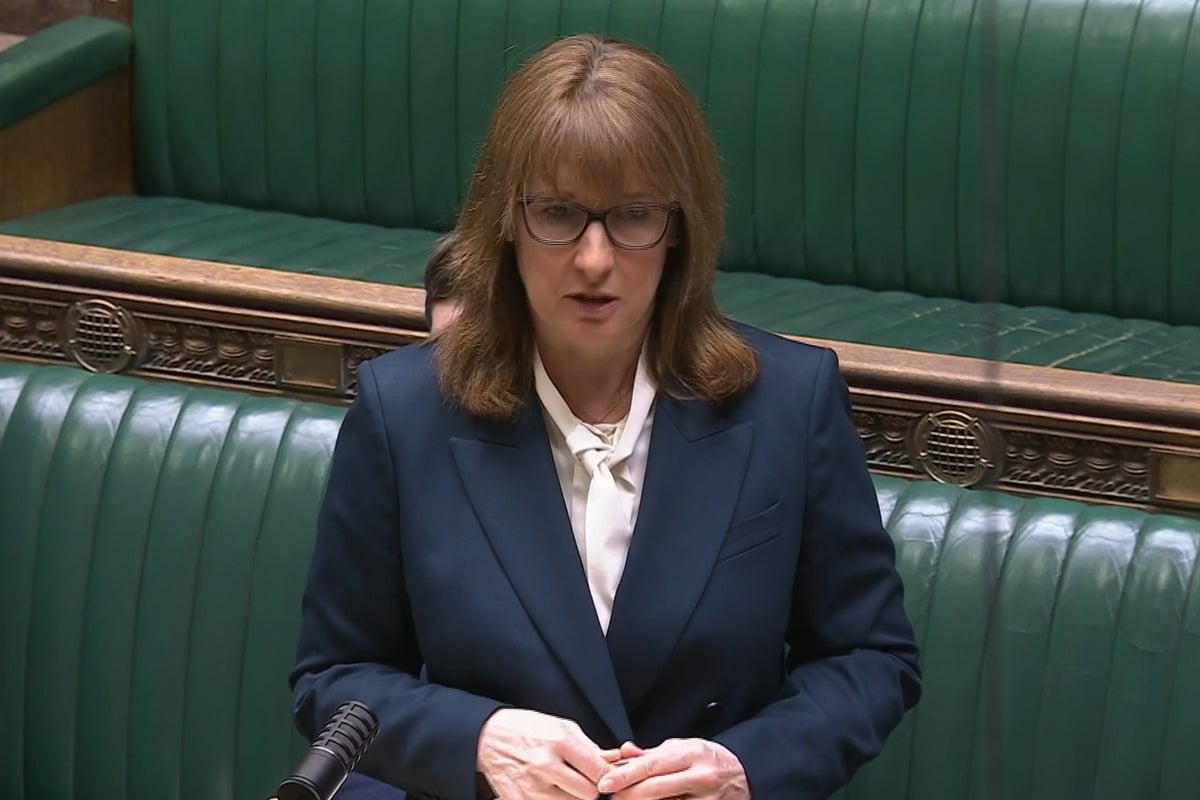
Millions of households will get no help to pay soaring energy bills, Rachel Reeves has indicated as she warned the Iran war will create “significant” challenges for the UK economy.
The chancellor hit out at the last Conservative government for providing “blanket” support in the wake of Russia’s attack on Ukraine she said had cost the country tens of billions of pounds.
Instead, Ms Reeves made clear Labour ministers will offer targeted rather than universal support “to those who need it most”.
The crisis in the Middle East has pushed up oil and gas prices, hitting motorists as they fill up at the pumps while the average annual household energy bill is predicted to rise by £332 in July.
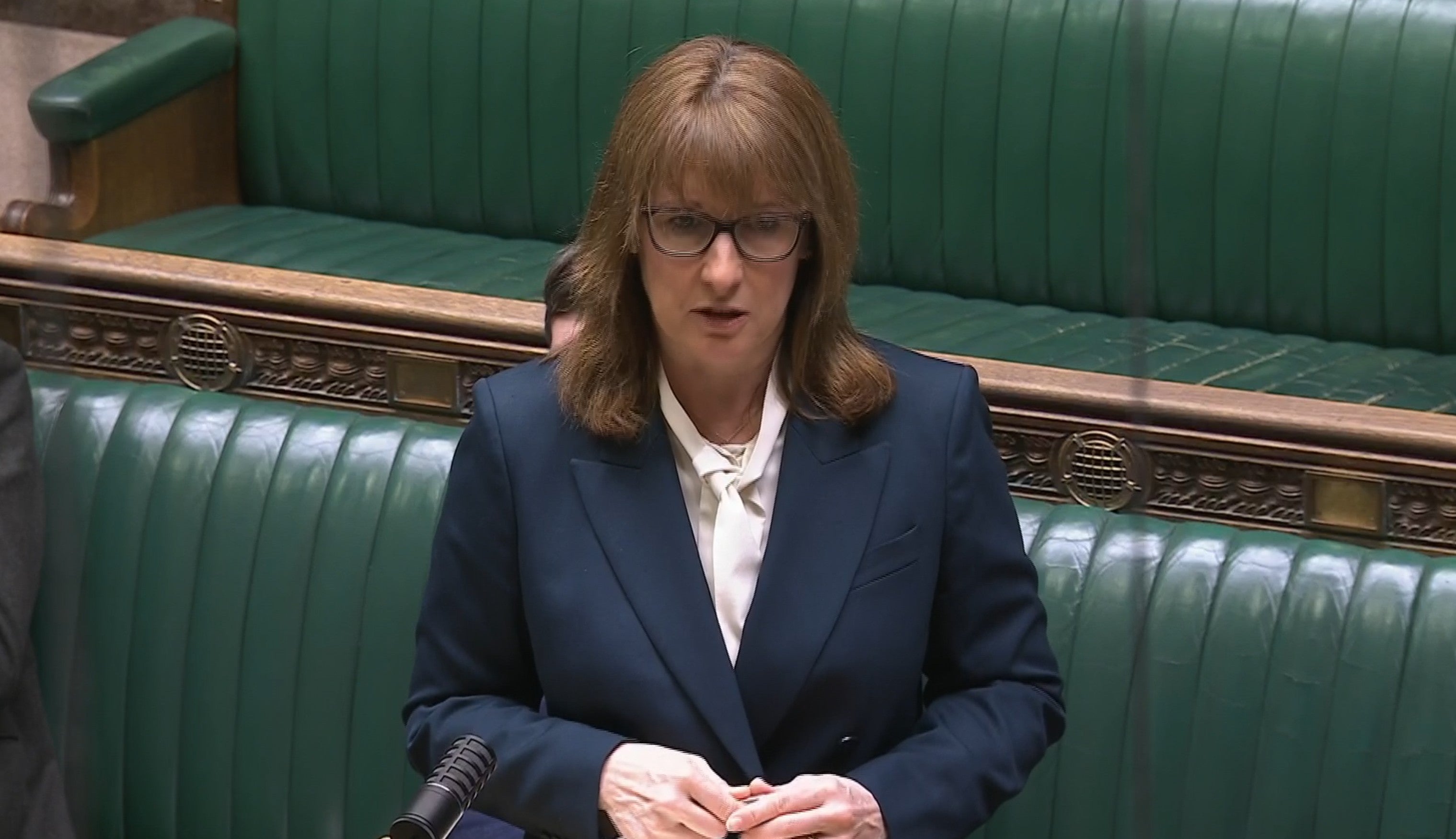
But giving a statement to the Commons, the chancellor said that blanket support offered under Liz Truss “gave the support to the most wealthiest of households” and “left us with high levels of national debt, a cheque written then for a bill that is still being paid today”.
Ms Reeves also announced she will meet supermarkets and banks later this week to discuss what help they can offer customers, while the Competition and Markets Authority is being given new powers to clamp down on price gouging.
Tory leader Kemi Badenoch said scrapping taxes on energy bills would be “much better” than offering targeted support to protect against an expected hike in costs.
But the Confederation of British Industry (CBI) was among those who said the government was right to consider a targeted approach.
The average pump price of a litre of unleaded petrol in the UK stood at 144.2p on Monday, up 3.9p week on week and a jump of 12.0p since March 2, shortly after the start of the crisis. This is the highest price for unleaded petrol since July 2024.
Meanwhile, the average price of a litre of diesel stood at 166.9p on Monday, up 8.1p week on week and an increase of 24.7p since March 2, the Department for Energy Security and Net Zero figures showed – the highest price for diesel since March 2023.
The RAC Foundation said motorists in the UK had already paid £307 million more for fuel than they would have if prices had remained at the level they were before the US-Israeli attack on Iran on February 28.
This is a developing news story, more follows…