

The Middle East has been plunged into conflict after the US and Israel launched attacks on Iran, with Donald Trump declaring the start of “major combat operations” and calling on Iranians to rise up against their government.
Explosions were heard across the country on Saturday morning, including in the capital Tehran, with strikes appearing to target the compound of Supreme Leader Ayatollah Ali Khamenei.
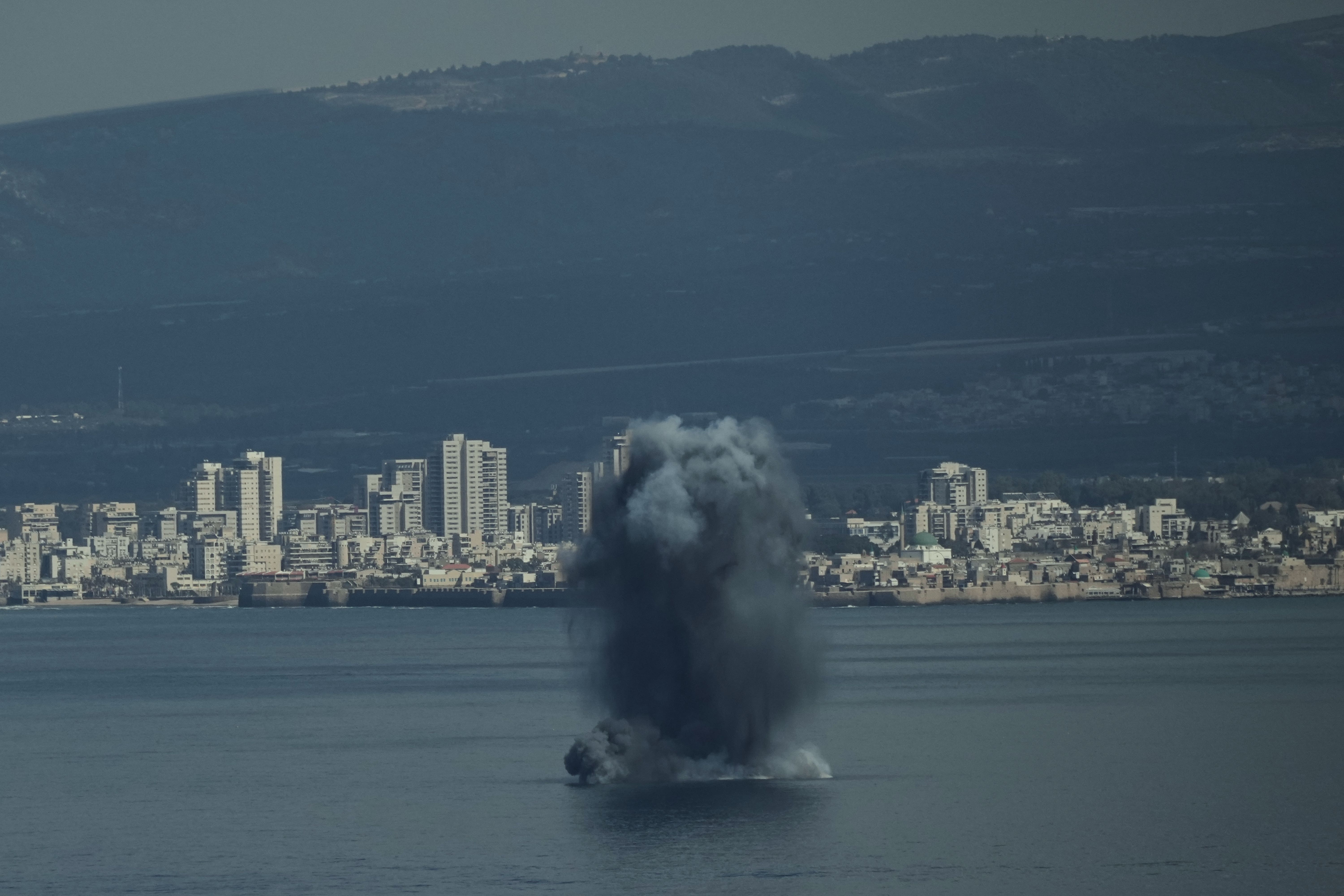
Iran has vowed a “crushing retaliation” and launched a wave of missiles towards Israel and US military bases in Qatar, Kuwait, the UAE and Bahrain, sparking concerns the region could be dragged into a major conflict.
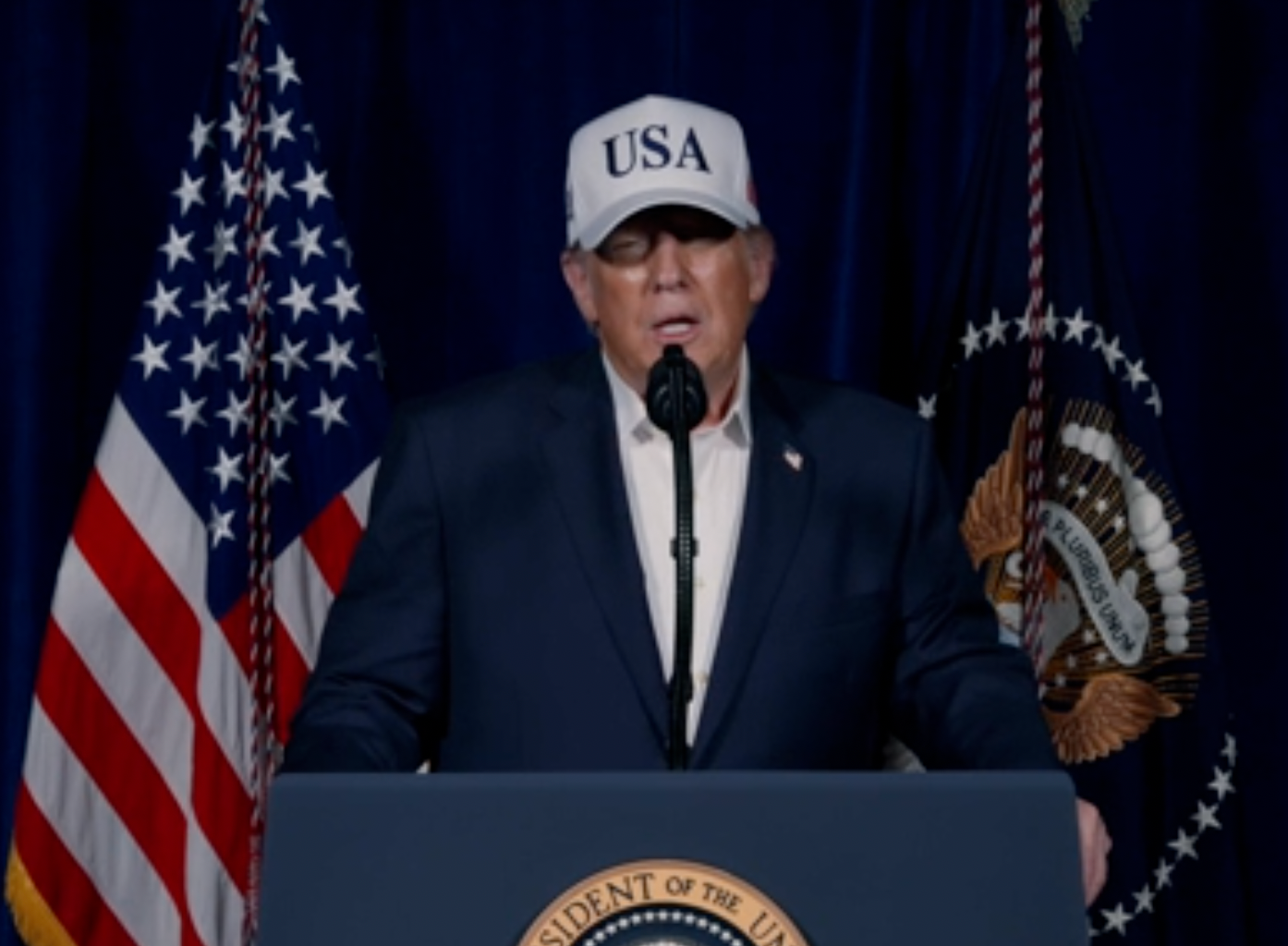
In a video address, President Trump called on the Iranian people to “take over your government” and stressed Iran could never be allowed to have a nuclear weapon, adding: “It’s been mass terror, and we’re not going to take it any longer.”
Hundreds of flights have been grounded across the region, leaving thousands of travellers stranded after Iran, Israel, the UAE and Kuwait closed their airspaces and major carriers and airports suspended services.
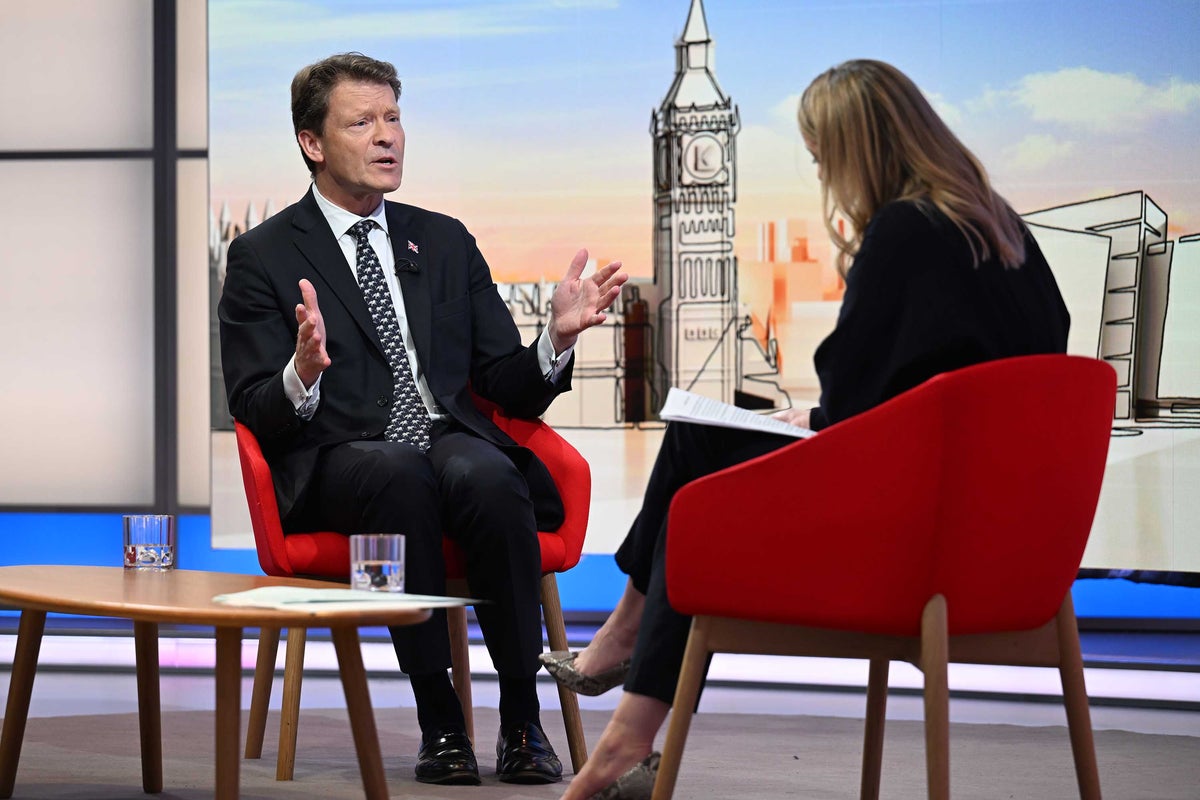
Sir Keir Starmer said British planes “are in the sky today” in the region “as part of co-ordinated regional defensive operations to protect our people, our interests and our allies” but he confirmed the UK was not involved in the strikes. He condemned Iran’s authoritarian regime and demanded that it end attempts to develop nuclear weapons.
He said: “We have long been clear the regime in Iran is utterly abhorrent. They have murdered thousands of their own people, brutally crushed dissent and sought to destabilise the region, even in the United Kingdom, the Iranian regime poses a direct threat to dissidents and to the Jewish community.”
However, the UK government is at odds with the Trump administration, having denied permission for the US to use RAF bases for the strikes because of concerns they could be a breach of international law.
On a dramatic day of developments:
- The prime minister joined European allies France and Germany in condemning Iranian attacks on Middle Eastern countries “in the strongest terms”
- Sirens sound across Israel, with citizens urged to take shelter, while retaliation strikes in Bahrain targeted the US Navy’s Fifth Fleet
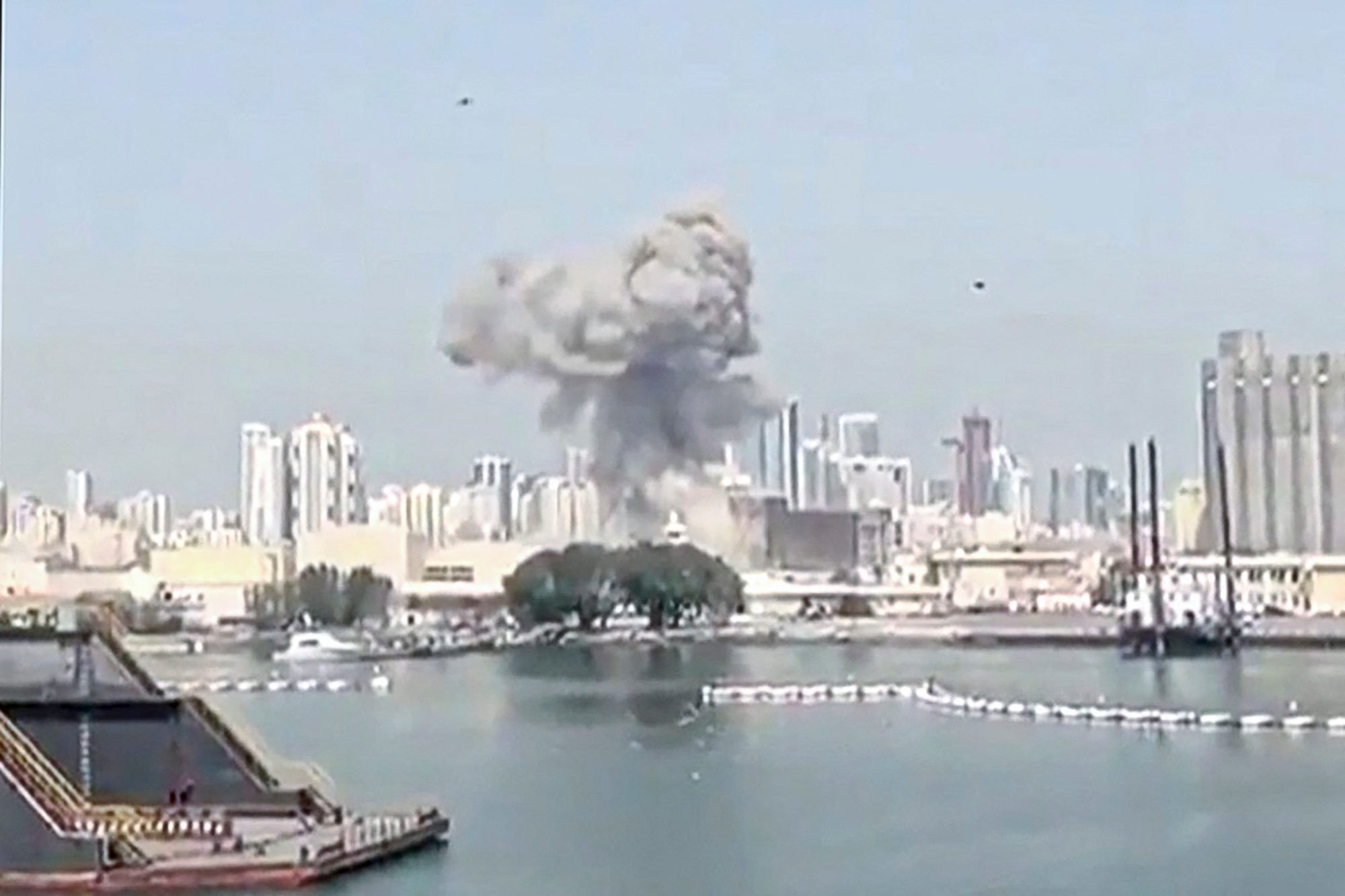
- A man has been killed by fallen debris following strikes in Abu Dhabi, while sirens and explosions have been heard in Kuwait, which is home to US Army Central
- The conflict spread to the tourist hotspot of Dubai where a fire broke out at the world-famous Fairmont The Palm hotel during an Iranian air attack
- Israeli Prime Minister Benjamin Netanyahu said the attacks aimed to “remove an existential threat posed” by Iran
The Foreign Office urged British nationals in the Middle East to “immediately shelter in place” and told them to remain indoors in a secure location, avoid all travel and follow instructions from the local authorities. This includes Dubai, which is home to 240,000 Britons.
Meanwhile, Iran’s Foreign Ministry has said the country “will not hesitate” in its response, adding: “The time has come to defend the homeland and confront the enemy’s military assault.” The Revolutionary Guard said it considers “all US bases, resources, and interests in the region to be legitimate targets” for retaliation.
It promised a stronger response to come, with a senior Iranian Revolutionary Guards commander, Ebrahim Jabbari, saying it had so far used only “scrap missiles” and would soon unveil unforeseen weapons, state television reported.
The Iranian-backed Houthis in Yemen also vowed to resume attacks on Red Sea shipping routes and on Israel, according to two senior officials.
An Iranian source close to the establishment told the Reuters news agency that several political officials and senior commanders in Iran’s Revolutionary Guards had been killed. Unconfirmed reports say they include Iran’s defence minister Amir Nasirzadeh and Revolutionary Guards commander Mohammed Pakpour.
The assault follows a rapid build-up of US military assets in the region, deployed in a show of force amid a growing row over Iran’s nuclear programme.
President Trump gave the regime a deadline of 10-15 days to make a deal to curb its programme on 19 February, but insiders say indirect talks in Geneva failed to make progress on the key issues.
In a post on Truth Social confirming the attacks on Saturday, the president said he hoped to force Iranian concessions in nuclear talks, said the “massive” operation was intended to ensure Tehran does not obtain a nuclear weapon and was aimed at “eliminating imminent threats from the Iranian regime”.
He urged Iranians to stay sheltered because “bombs will be dropping everywhere”. But he added: “When we are finished, take over your government. It will be yours to take. This will be probably your only chance for generations.”
US Democrats have criticised the action, with Senator Tim Kaine suggesting Mr Trump may be too “mentally incapacitated” to understand the harm of his policy on Iran, stating:“Has President Trump learned nothing from decades of U.S. meddling in Iran and forever wars in the Middle East?
“Is he too mentally incapacitated to realise that we had a diplomatic agreement with Iran that was keeping its nuclear program in check, until he ripped it up during his first term?”
The US president campaigned on a ticket of bringing peace to an unstable world, and has repeatedly taken credit for “ending eight wars” – a claim he has argued made him deserving of last year’s Nobel Peace Prize.
Several of the name-checked conflicts are ongoing or were not formally wars. Since returning to office, Trump has also bombed Venezuela, Nigeria, Somalia, Iran, Iraq, Syria and Yemen. He also threatened Colombia and Greenland, a territory of Nato ally Denmark.
The latest attack on Iran comes after the US attacked the country last summer after Israel carried out strikes on Iranian military infrastructure, commanders and nuclear sites.
Israel warned the US in December that Iran was reconstituting nuclear sites buried deep underground. The US and Israel accuse Iran of trying to build nuclear weapons with its enrichment programme, which it denies.
Iran’s clerical leaders were already in a difficult position after mass anti-government demonstrations in January, which led to a crackdown in which thousands of people were killed, the worst domestic unrest since the era of the 1979 revolution.
Protesters had again taken to the streets in recent days in remembrance of those killed the previous month.