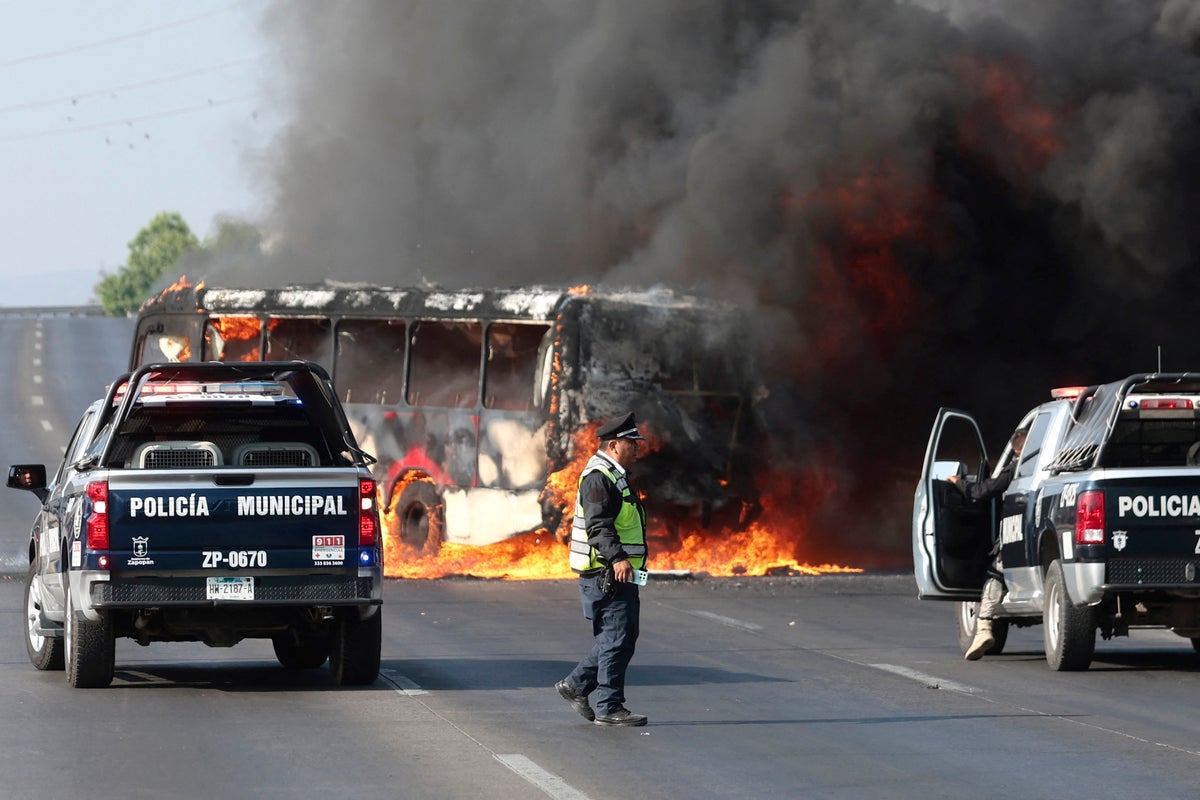
The leader of the Jalisco New Generation (CJNG) cartel, Nemesio Oseguera Cervantes, died in custody on February 22, shortly after he was captured by the Mexican authorities.
The operation, which came amid renewed US demands for “tangible results” against fentanyl trafficking, appears to have relied on American intelligence support.
This is the most significant intervention against the cartels since the capture of former drug lord Joaquín “El Chapo” Guzmán in 2016.
The CJNG is one of the strongest criminal organisations in Mexico and, alongside the Sinaloa cartel, sits at the centre of US claims about fentanyl production and trafficking.
The killing of Oseguera Cervantes, who is better known as “El Mencho”, may have enabled Mexico’s authorities to secure a political win with Washington. But the operation should not be seen as a victory.
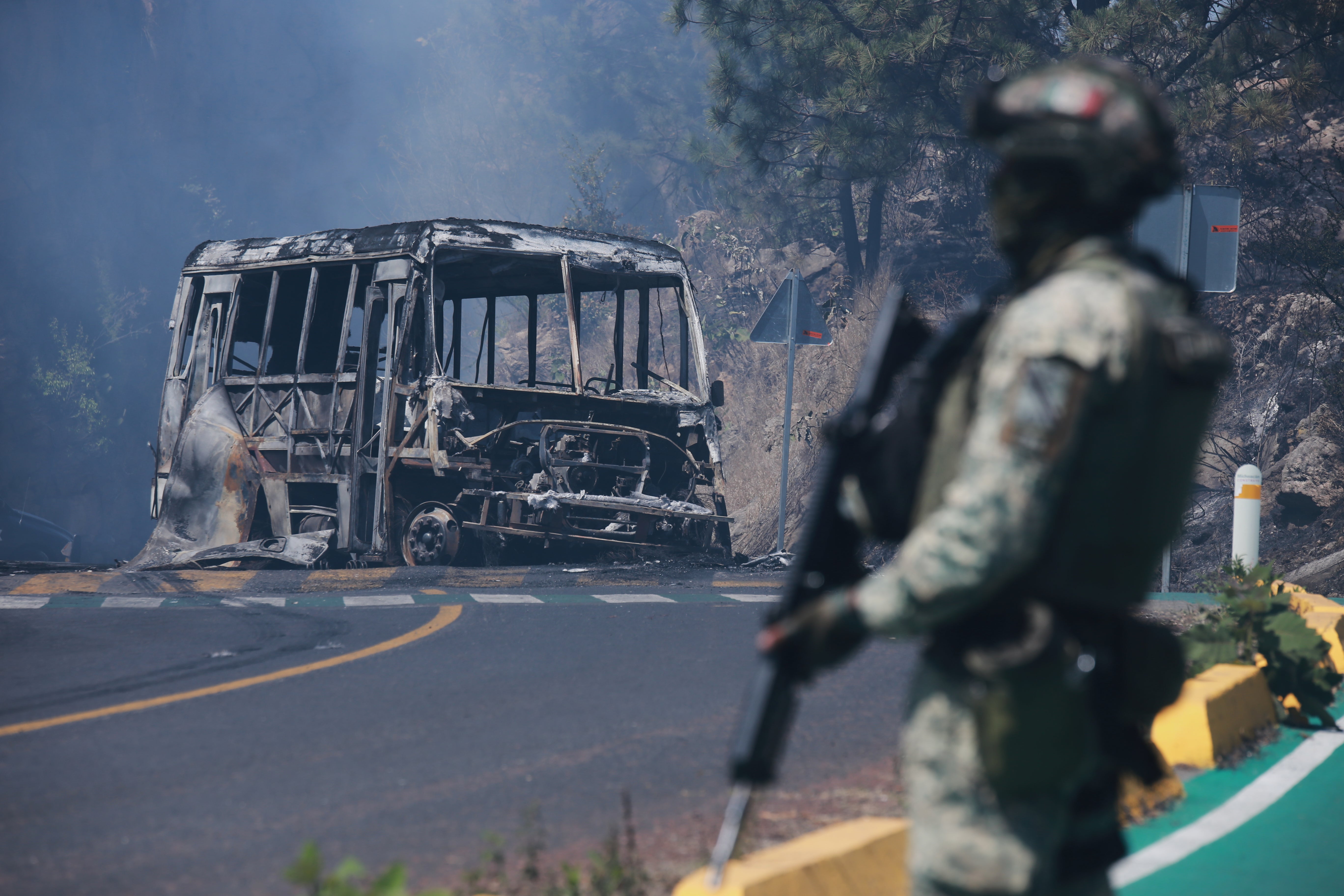
What often comes next when the Mexican state removes a high-profile cartel figure like El Mencho is an extended period of violence and instability inside the country.
In my own research on criminal conflict in the Tierra Caliente region of western Mexico, I trace how earlier rounds of arrests and state killings have reshaped local criminal groups, broken alliances and created openings for new players and leaders. It was through this very cycle of state enforcement and cartel reorganisation that El Mencho rose to prominence.
El Mencho began as an operational figure linked to the Valencia cartel, an organisation based in the state of Michoacán. The group lost ground in the late 2000s following sustained pressure from the authorities. After key parts of the Valencia network were dismantled around 2010, El Mencho and other remnants of the group moved to Jalisco further north and founded the CJNG.
The conditions that allowed the CJNG to rise came from the same enforcement repertoire that the authorities have now deployed against it. This pattern matters because it undercuts a common assumption among policymakers, including in US agencies such as the Drug Enforcement Administration, that removing a “boss” equals dismantling a criminal market.
The removal of Mexican criminal leaders does not cause the market for drugs to vanish, nor does it cause trafficking routes to disappear. What changes is the balance of power among groups that already compete for territory, labour and access to ports, roads and local authorities.
Studies that track the so-called “kingpin” strategy, the deliberate targeting of cartel leaders by law enforcement, have found that detentions and killings often trigger short-term spikes in homicides and instability in Mexico. Some work suggests that violence rises for months after a leader’s removal, while other research shows that the killing of a kingpin can provoke a sharper increase than an arrest.
This happens because an affected cartel faces a sudden succession struggle and employs violence to prevent – or respond to – rivals testing the new leadership and trying to renegotiate areas of control. As criminal groups cannot use the formal court system to resolve disputes, they tend to do so through open violence or bargains enforced by coercion.
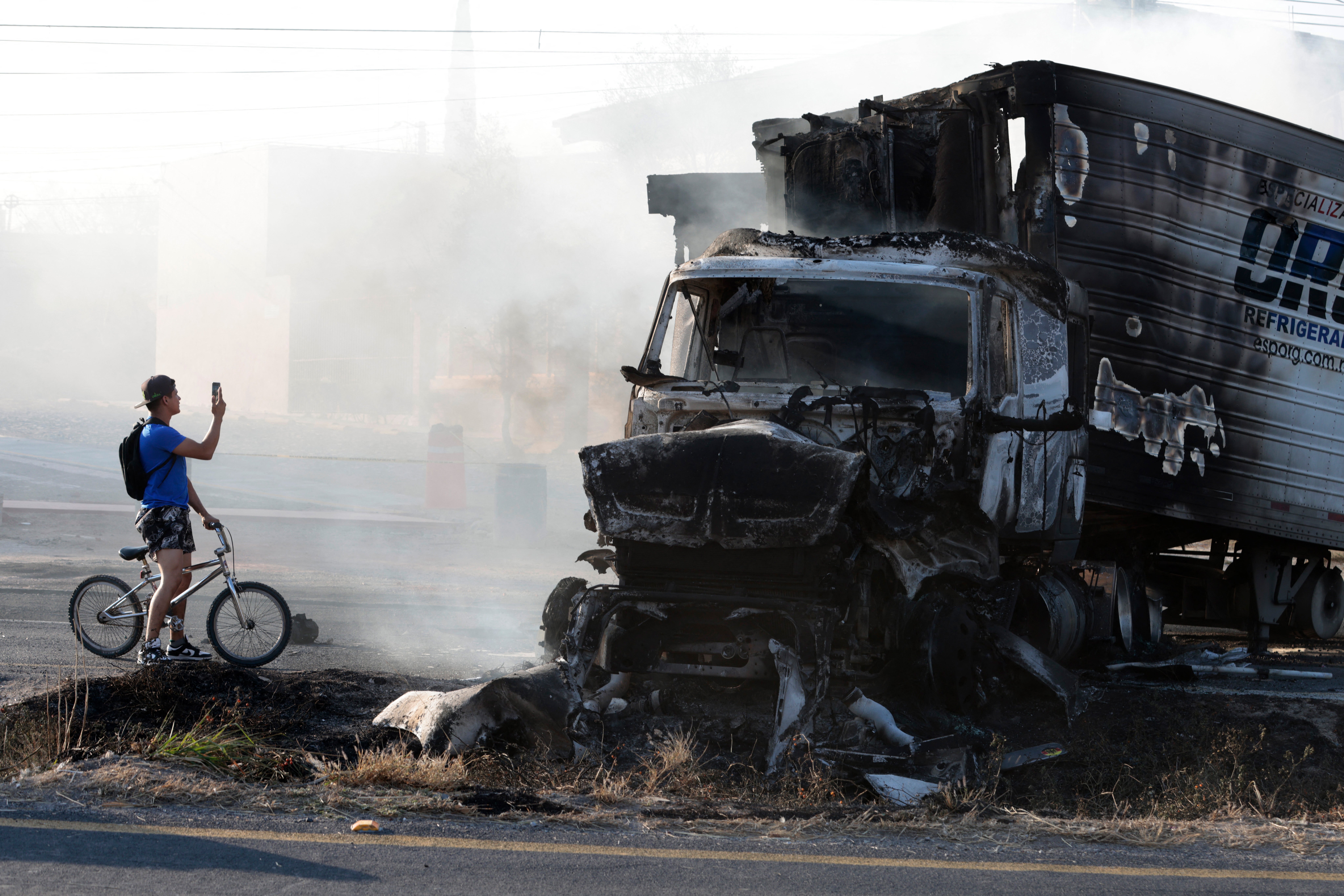
This logic of violence has already been seen following El Mencho’s death. Reports of cartel gunmen blocking roads, launching arson attacks and carrying out disruptions across multiple states fit a familiar script: an affected organisation signalling its capacity, punishing the state and warning local rivals not to seize the moment.
Even if the state contains this wave of violence, the deeper risk sits in what follows. A leadership vacuum invites internal fracture and external opportunism from rivals who have waited for an opening to test boundaries and settle scores.
The 2024 detention of Sinaloa cartel leader Ismael “El Mayo” Zambada, for instance, has provoked a wave of violence in Sinaloa state as different factions in the organisation battle for leadership.
US drug politics
Another cycle that keeps repeating across Latin America is that US drug politics shapes security agendas throughout the region. A surge in overdose deaths, for example, can lead to political panic in the US and the application of pressure on Latin American governments to take action, usually through militarised enforcement.
These governments respond with crackdowns, raids and high-profile captures. This is followed by rising violence as criminal organisations fragment and then, after a period of time, governments try to deescalate. The cycle starts again when concern over drug trafficking next arises in the US.
Drug prohibition keeps this cycle alive by ruling out any response other than force or criminal law, while failing to produce meaningful results. Most countries have criminalised drugs. But despite governments reporting rising drug seizures each year, deaths linked to drug use globally continue to climb.
Mexico’s security forces cannot end a transnational market that is financed largely by US demand, no matter how many high-profile arrests they make. Operations that result in the killing or detention of cartel figures instead redirect and reorganise the drug trade, while often intensifying violence.
If Mexico and the US want fewer cartel-related deaths, they need to stop treating kingpin killings as the main metric of success. While a high-profile strike temporarily satisfies US pressure, it is Mexican citizens who all-to-often have to live with the blowback of this approach.