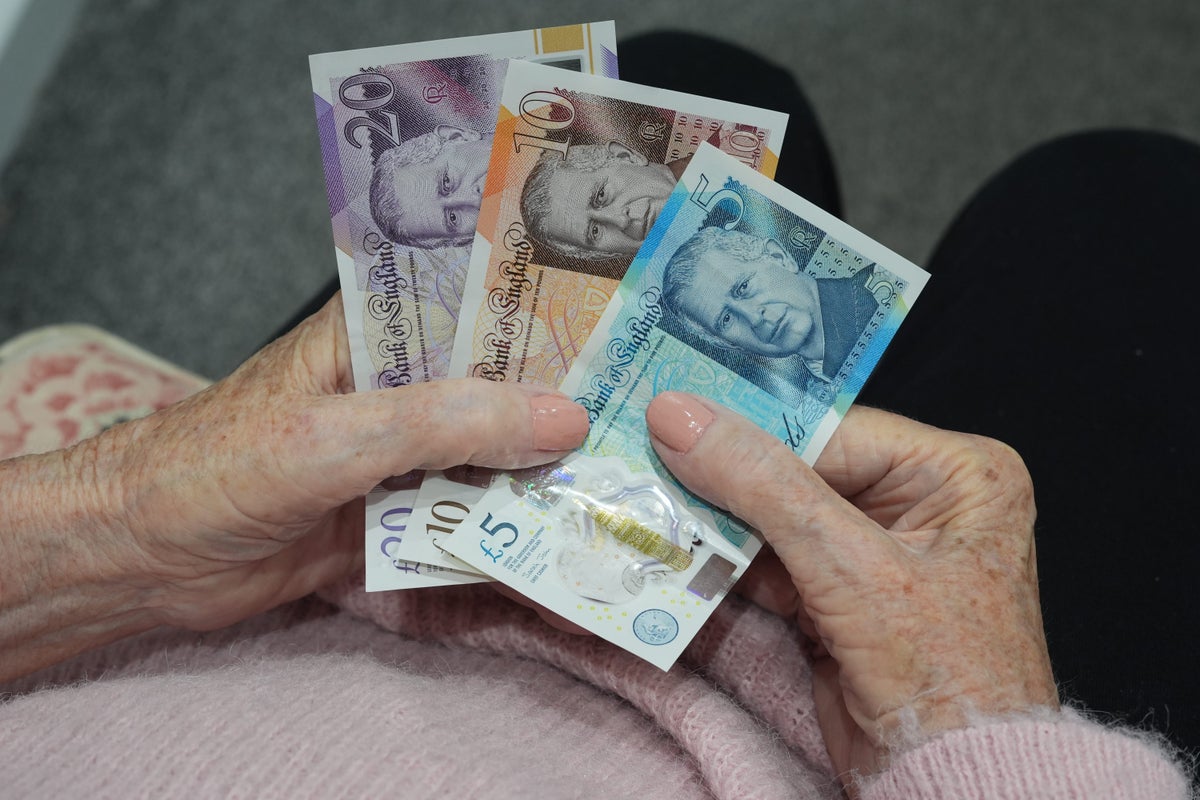

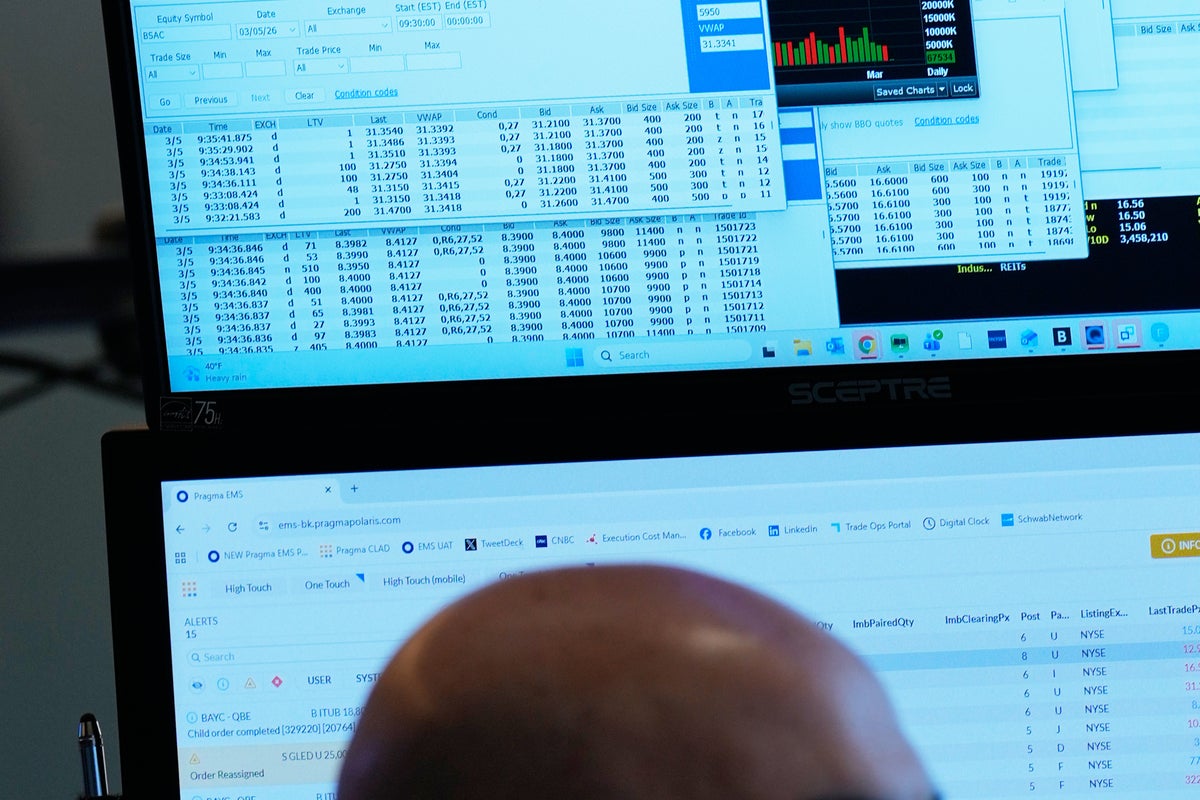
President Donald Trump woke up to a gut punch Friday morning when the Bureau of Labor Statistics announced that the U.S. economy actually lost 92,000 jobs in February.
As if that weren’t bad enough, as the day unfolded, the price of oil continued to spike as the war in Iran escalated. It likely won’t get better as the oil tankers will be less willing to sail through the Strait of Hormuz, where about a fifth of the world’s oil supply passes.
Trump doesn’t show any signs of backing down on war with Iran, even if Republicans don’t want to call it a war. Earlier, he said he would only accept “UNCONDITIONAL SURRENDER” and a “GREAT [and] ACCEPTABLE” replacement for its supreme leader who was killed by Israeli strikes. That means the war might drag on for longer than some Americans might want.
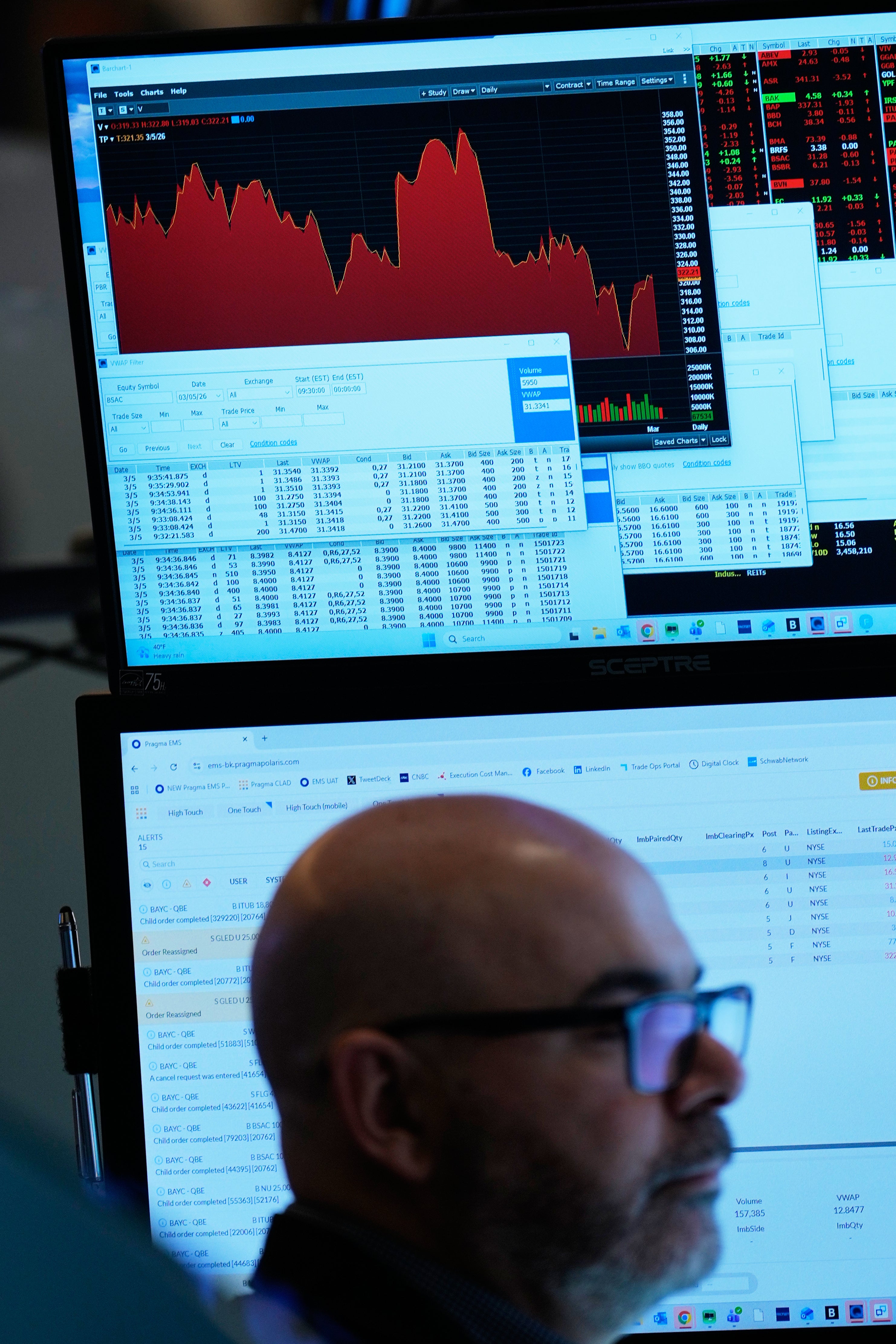
As of Friday evening at the close of trading on Wall Street, the Dow Jones Industrial Average dropped 450 points and the price of Brent Crude oil topped out at more than $92 a barrel, while West Texas Intermediate cracked $90 a barrel. So much for Attorney General Pam Bondi’s brag about the Dow.
In total fairness to Trump, some of this is beyond the White House’s control. Health care jobs took a hit thanks to a strike. But it revealed another ugly truth about Trump’s economy: without growth in health care jobs, the economy has not seen much in terms of growth.
And of course, Trump has refused to back down from his support for tariffs, which have caused Americans to pay more out of pocket.
“It’s a tax more significant degree by lower middle income households devoted to higher shares of budget to imported goods,” Mark Zandi, the chief economist at Moody’s, told The Independent. “They can see they’re paying more for things because of the tariffs.”
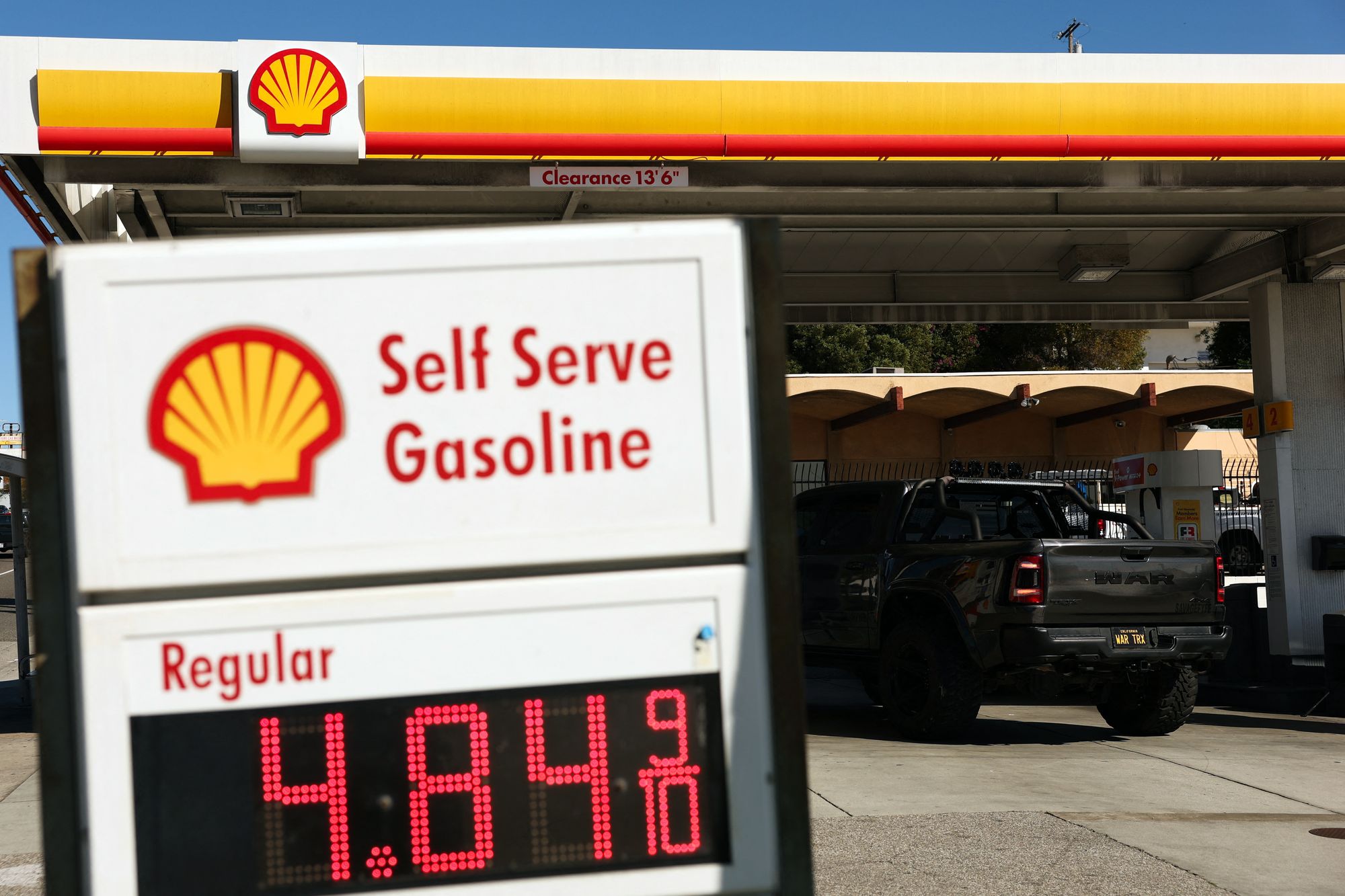
Trump is now in almost the same spot Joe Biden was in during the second year of his presidency, when the post-Covid supply shocks, aided by pent-up demand and Americans with stimulus money, saw prices shoot up while Vladimir Putin’s assault on Russia caused a surge in inflation and gas prices.
The difference is that while Biden’s team said inflation would be “transitory,” the Trump world is not even admitting the economy faces some hiccups. Last month, Trump proudly proclaimed during his State of the Union that the United States is “bigger, better, richer and stronger than ever before.”
“Inflation is plummeting, incomes are rising fast, the economy is roaring like never before,” he said, bragging about how the price of gas had dropped precipitously. And when the Supreme Court knocked down his “Liberation Day” tariffs, he just invoked some new ones.
Zandi warned Americans might not buy Trump’s rosy claims.
“Of course, the collective psyche was already on edge before gas started to rise, but one could imagine now, with gas prices rising and quickly, that it’s going to undermine what was already a very fragile consumer psychology,” he said. “So it’s going to be very, very difficult to kind of get Americans back thinking, believing or buying into the idea that things were going at all well.”
All this comes in a midterm year, when many voters grow unsatisfied with a president and vote for the party not in power to serve as a check on the White House.
“I’m sure they’re thinking, the administration is thinking about lots of different ways to kind of address this, but it’s getting for them to turn this around in terms of how people think about how things are going, and then ultimately, how they vote,” Zandi said about gas prices.
Don’t expect the president to admit that there are problems. While the White House did not put out a formal statement this morning, National Economic Council Chairman Kevin Hassett told business news outlets that things would even out after a bad month.
But voters might not fully buy the argument if they continue to see high prices.