

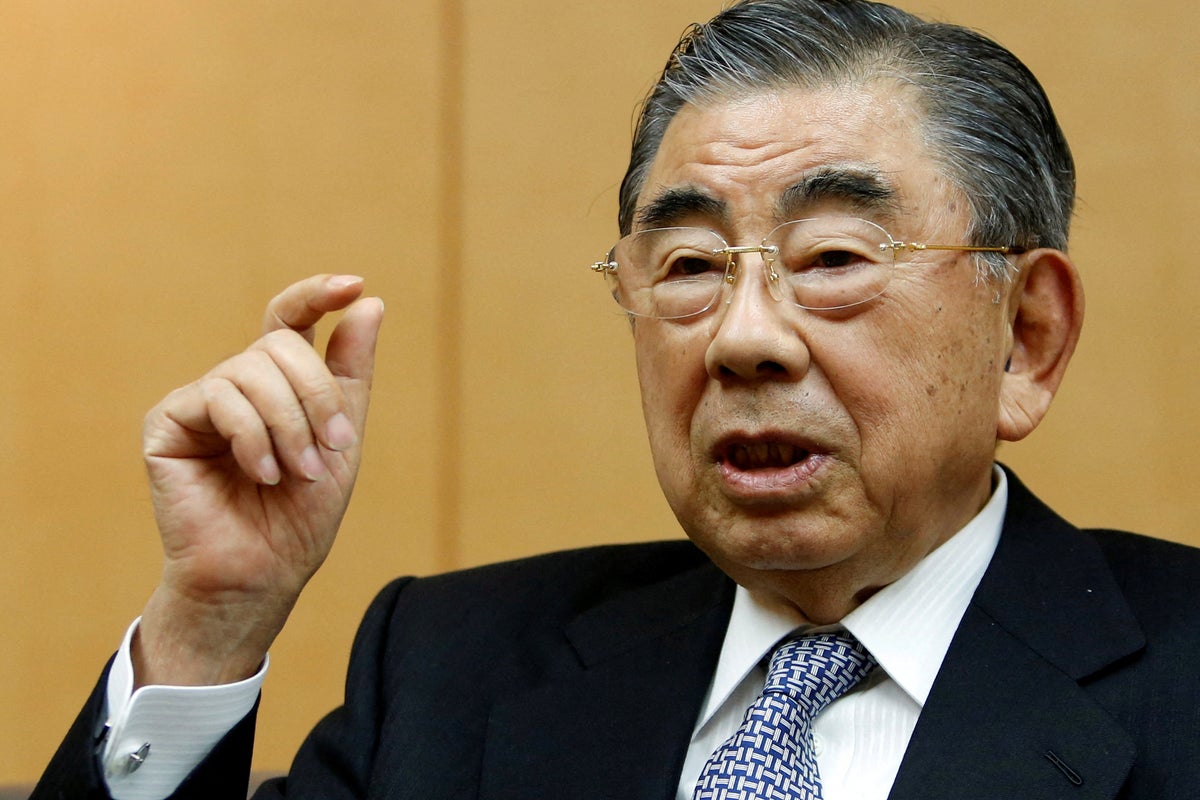
Toshifumi Suzuki, the man credited with shaping Japan’s ubiquitous convenience store culture, has died at the age of 93.
Seven & i Holdings announced on Monday that Mr Suzuki, the founder of 7-Eleven Japan, passed away from heart failure on 18 May.
Born in Nagano in 1932, Suzuki joined retailer Ito-Yokado in 1963 after an earlier career at a book wholesaler. He defied initial scepticism to forge a partnership with Southland Corp, the US operator of 7-Eleven, leading to the establishment of 7-Eleven Japan in 1973. The first store opened in Tokyo the following year.
His innovative approach revolutionised the sector. Suzuki championed the use of data to meticulously tailor inventory and developed a business model centred on fresh, ready-to-eat meals and rapid stock turnover. This strategy transformed convenience stores into an indispensable part of daily life across Japan.
Suzuki’s influence extended internationally when he spearheaded the successful restructuring and rescue of Southland in the early 1990s, after the 7-Eleven parent company faced bankruptcy due to significant debt.
He founded Seven & i Holdings in 2005, overseeing its growth into a major retail conglomerate. An avid reader, he stepped down as chairman in 2016 following a management dispute, but his profound impact on Japan’s retail industry remained undiminished.