The makers of a hit South Korean drama have apologised after a coronation scene sparked backlash for allegedly distorting history and reproducing symbols associated with the country’s past subordination by imperial China.
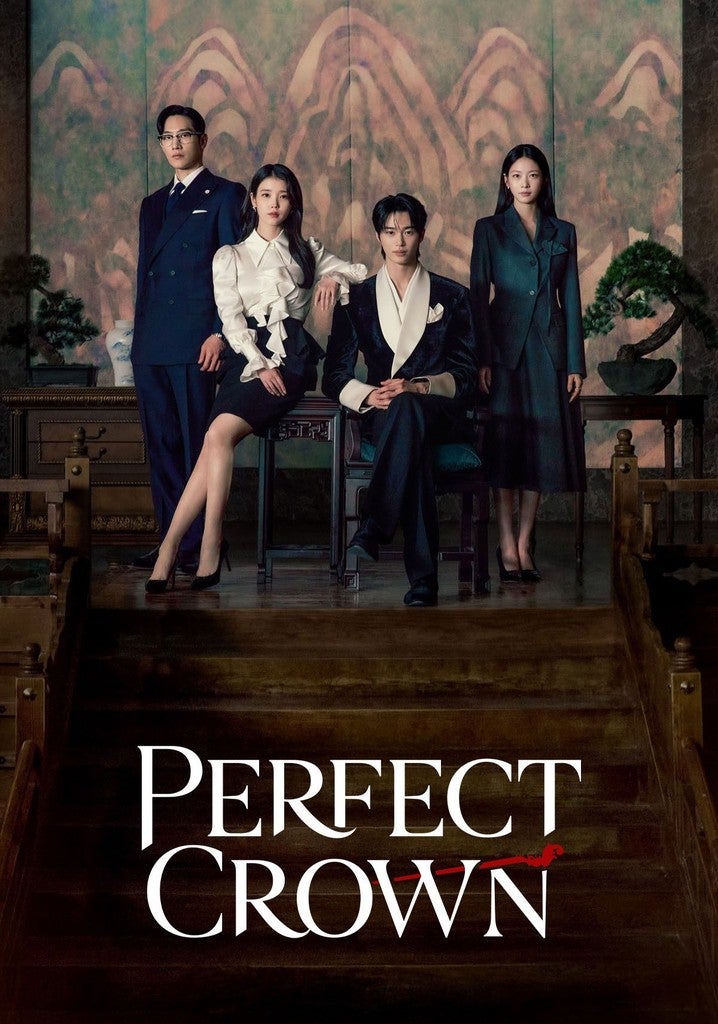
Perfect Crown, a 12-part palace romance starring K-pop star IU and Byeon Woo Seok, has been one of this year’s biggest Korean television successes. Set in an alternate version of present-day Korea where the monarchy still exists, the series follows the relationship between a wealthy heiress played by IU and a prince, played by Byeon, trapped within royal expectations.
However, days before its finale, discussion around the drama shifted abruptly from ratings and romance to royal protocol and historical symbolism.
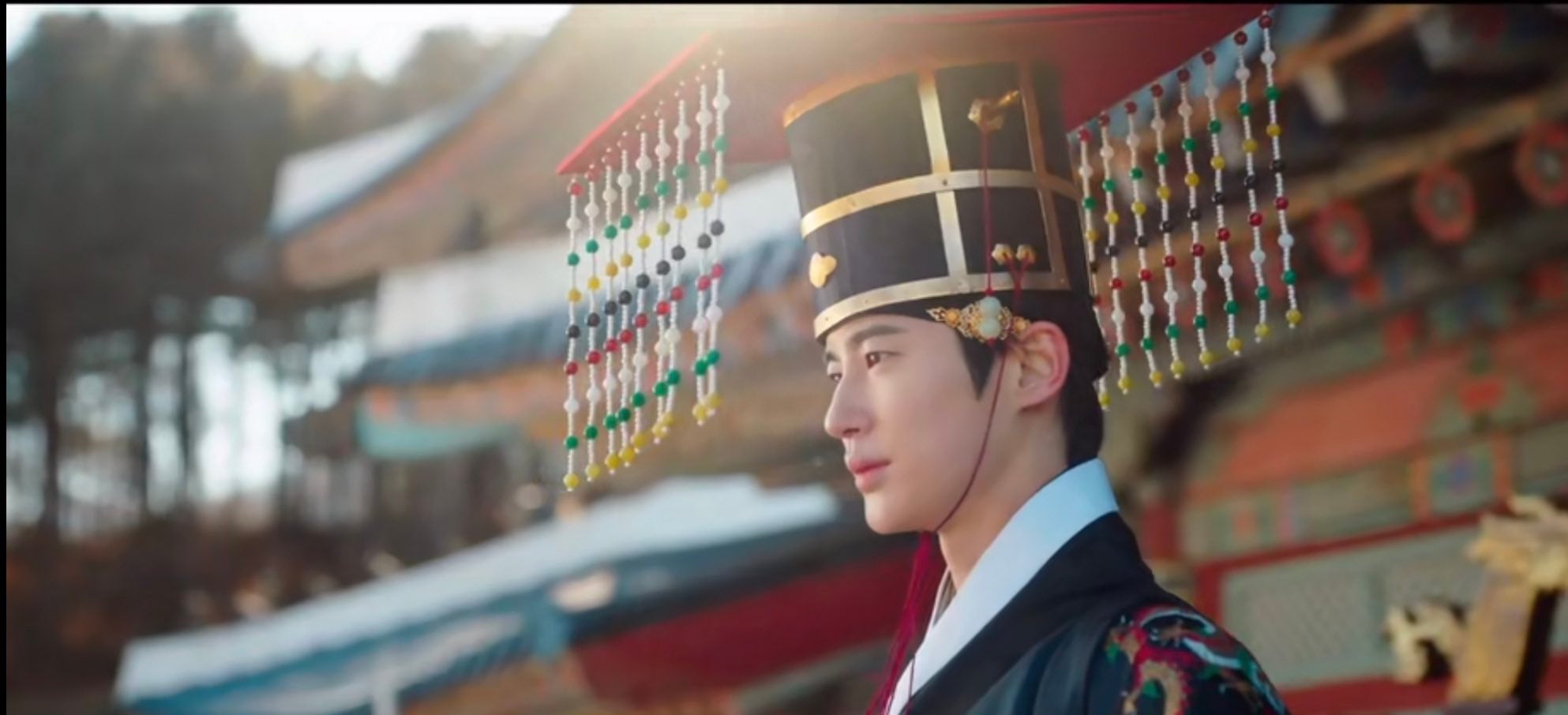
The controversy erupted after episode 11, which aired on 15 May, showed the coronation of Byeon’s Prince I-an. Court officials chanted “Cheonse”, which translated to Korean means “1,000 years”, while the prince wore a ceremonial crown known as a “guryu myeollyugwan”, decorated with nine strings of beads.
Both details immediately drew criticism from viewers familiar with Korea’s royal history.
Korea was ruled for centuries by dynastic monarchies including the Joseon kingdom, which governed the peninsula from 1392 until the late 19th century and maintained tributary ties with imperial China for much of that period.
After China’s defeat in the First Sino-Japanese War in 1895, King Gojong moved to assert Korea’s independence by proclaiming the Korean Empire in 1897, and adopting imperial titles and regalia associated with sovereign rule.
Korea’s monarchy ended in 1910, when Japan annexed the peninsula and began 35 years of colonial rule.
According to The Korea Herald, critics argued that “Cheonse” was historically associated with rulers during the Joseon dynasty, the Korean kingdom which ruled the peninsula from 1392 to 1910 and at times maintained a tributary relationship with imperial China.
The drama should instead have used “Manse”, or “10,000 years”, a phrase associated with sovereign imperial authority in Korea.
The ceremonial crown drew similar criticism, as viewers objected to the use of “guryu myeollyugwan”, which was associated with the vassal rulers, rather than “sibi myeollyugwan,” a 12-string ceremonial crown traditionally worn by emperors or rulers of independent states.
As criticism mounted, the production team apologised on Saturday.
“We sincerely apologise to viewers who have supported the drama with love for causing concern over issues related to the series’ fictional setting and historical accuracy,” the statement read, according to Korea JoongAng Daily.
The producers said they took criticism that the scene “undermines Korea’s sovereign status” seriously.
“The production team failed to carefully examine how Joseon court protocols changed over the course of history,” the statement said.
“As Perfect Crown is both a romance and an alternate-history drama, we should have been much more cautious and considerate when approaching the points at which the fictional world intersects with real history, but we fell short in refining the world-building and reviewing the details more thoroughly.”
The team also said the disputed scenes would be revised for future broadcasts and streaming releases, including changes to subtitles and audio.
On Monday, both lead stars posted apologies on their social media. “Over the past few days, I carefully read every comment left by viewers. As a lead actor of this production, I feel deeply sorry for failing to demonstrate responsibility and causing disappointment. My heart remains heavy even now,” IU wrote in Korean in a message on Instagram.
Byeon issued a handwritten apology. “During filming and acting, I lacked sufficient consideration of the historical context and meaning embedded in the work, as well as how it might be perceived by viewers,” he wrote.
“Through your feedback, I reflected and realised the need for actors to not only focus on performance but also deeply engage with the work’s message and context.”
In spite of the controversy, Perfect Crown remained commercially successful and became the most-watched Korean title worldwide on Disney+ during its first 28 days of release. According to Nielsen Korea figures, the final episode, broadcast on Saturday, recorded a nationwide audience rating of 13.8 per cent, the highest of its run.