

Sir Keir Starmer has branded the decision to reject the latest doctors’ pay deal “reckless” as he issued a 48-hour deadline to call off strikes.
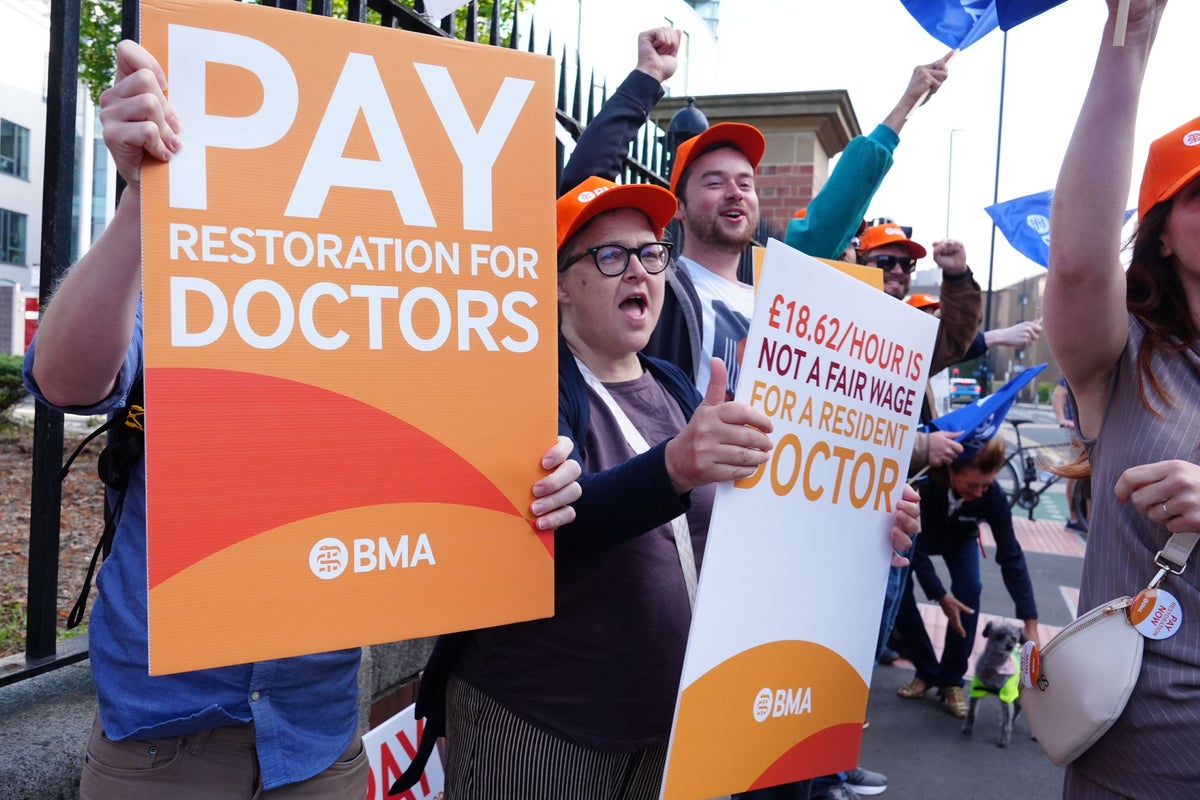
The British Medical Association has announced a six-day strike from 7 to 13 April, immediately following the Easter weekend, as doctors call for pay to be restored to 2008 levels, representing a 26 per cent increase.
The prime minister has said ministers will withdraw an offer of thousands more NHS jobs if the strikes are not called off within 48 hours, according to reports.
An offer under which doctors would have received a pay rise of up to 7.1 per cent was rejected by the BMA last week. Health secretary Wes Streeting accused the union’s resident doctors committee of unilaterally rejecting the deal instead of putting it to members.
Under this deal, he said that “for the most experienced resident doctors, basic pay would have increased to £77,348 and average earnings would have exceeded £100,000”, while first-year doctors would earn £52,000 a year on average.
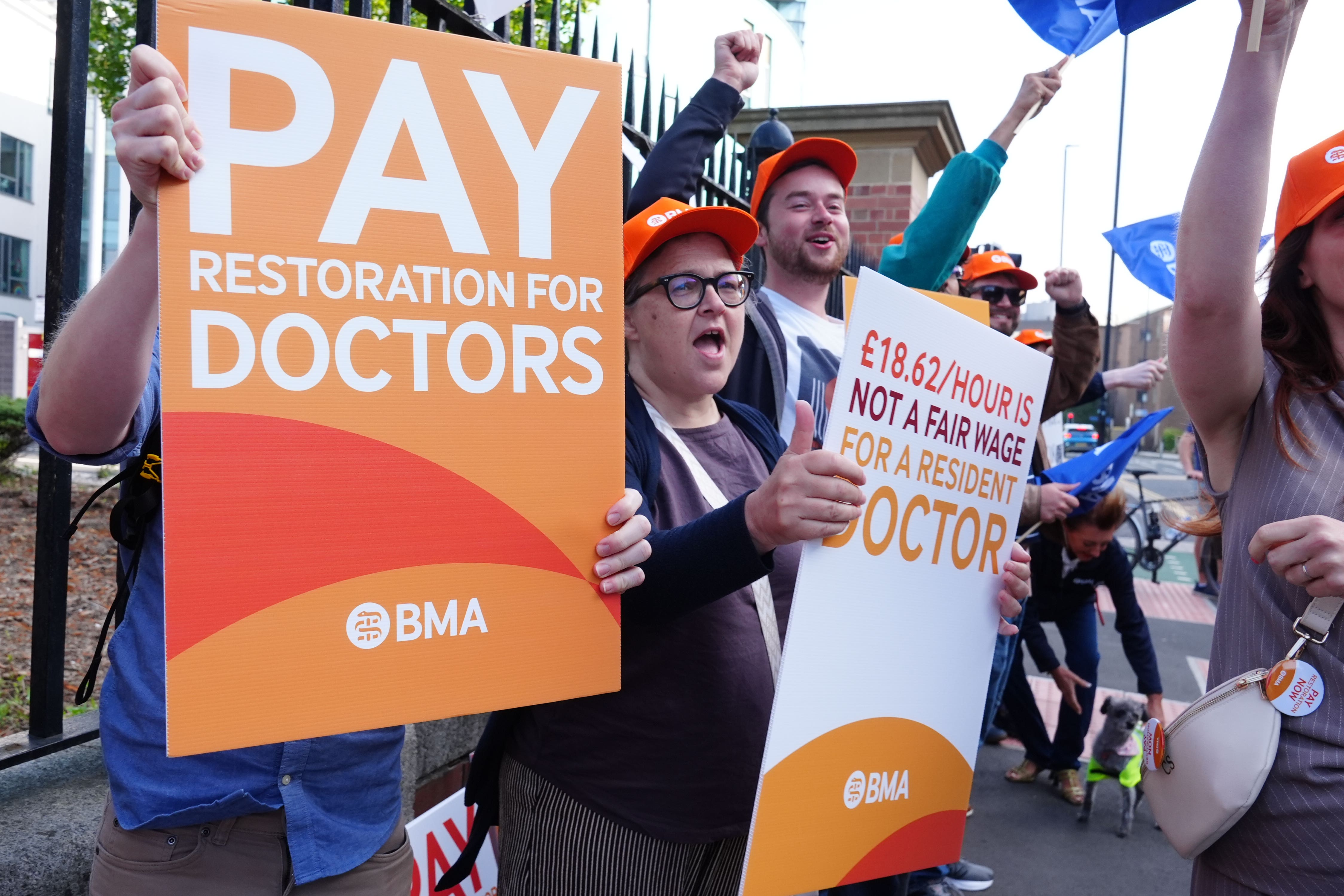
Writing inThe Times, Sir Keir admitted the NHS is facing damage if the fresh strikes go ahead.
He said: “Walking away from this deal is the wrong decision. It is a reckless decision. And doing so without even giving resident doctors themselves the chance to vote on it makes it even worse.
“No one benefits from rejecting this deal. Resident doctors will be worse off. Instead of the improved pay, progression and support on offer, they will receive the standard pay award this year, with none of the additional reforms that would have strengthened their working lives. The NHS will be worse off. Each strike costs the NHS £250m in paying for cover. And patients will be worse off.
“Of course, we will do everything we can to protect care. But it would be wrong to pretend there is no impact.”
Under the deal, Mr Streeting said pay would be increased, while at least 4,000 and up to 4,500 additional specialty training posts over the next three years would be created.
However, the health secretary warned that the offer of training places would be withdrawn if the BMA rejected the deal. He told the Commons on Wednesday: “There is not a something for nothing culture here.”
He said the government was “planning on the basis of a prolonged conflict” in Iran, and as a result will not be able to offer more to resident doctors in a future deal.
The upcoming strike action, the 15th by resident doctors since 2023, will be the joint-longest walkout in the dispute.
Responding to the prime minister’s comments in The Times, the chair of the BMA resident doctor committee, Dr Jack Fletcher, accused the government of “moving the goalposts” on pay negotiations and warned that cutting posts would be “bad” for patients.
He added: “These negotiations are not about arbitrary cut-offs as the prime minister seems to think. Any ‘deadline’ disappears the moment there is a credible and sustainable offer on the table. Our focus remains on getting a good deal for both doctors and for patients, and we are seeking to talk once again with the government later today [Tuesday] with every intention of achieving a meaningful outcome that could see the strikes called off and a pay deal we can support.”
