There were huge cheers as the Prince and Princess of Wales arrived at Peter Phillips and Harriet Sperling’s royal wedding in the Cotswolds at the weekend – after driving themselves.
All eyes were on Kate, wearing a chic cream Roland Mouret dress and wide-brimmed hat, as she stepped out of the car in nude heels, not capable of putting a foot wrong – and the most cherished member of the royal institution.
But while many people buy into this picture-perfect image, a new book attempts to dig a little deeper and uncover the real Kate behind the public facade.
In Divide and Rule: Royal Women and Their Battles, author Catherine Mayer argues that this belief is not just because of Kate’s carefully curated public image but also due to a “patrimonarchy” – in which royal women are pitted against each other – which, in this case, is Kate and Meghan.
“A trick patriarchy pulls is to set women against each other, placing them at opposite ends of an infernal seesaw, where, for one to rise, the other must fall, as has happened with Kate and Meghan,” Mayer writes in her book, which is out on 17 June.

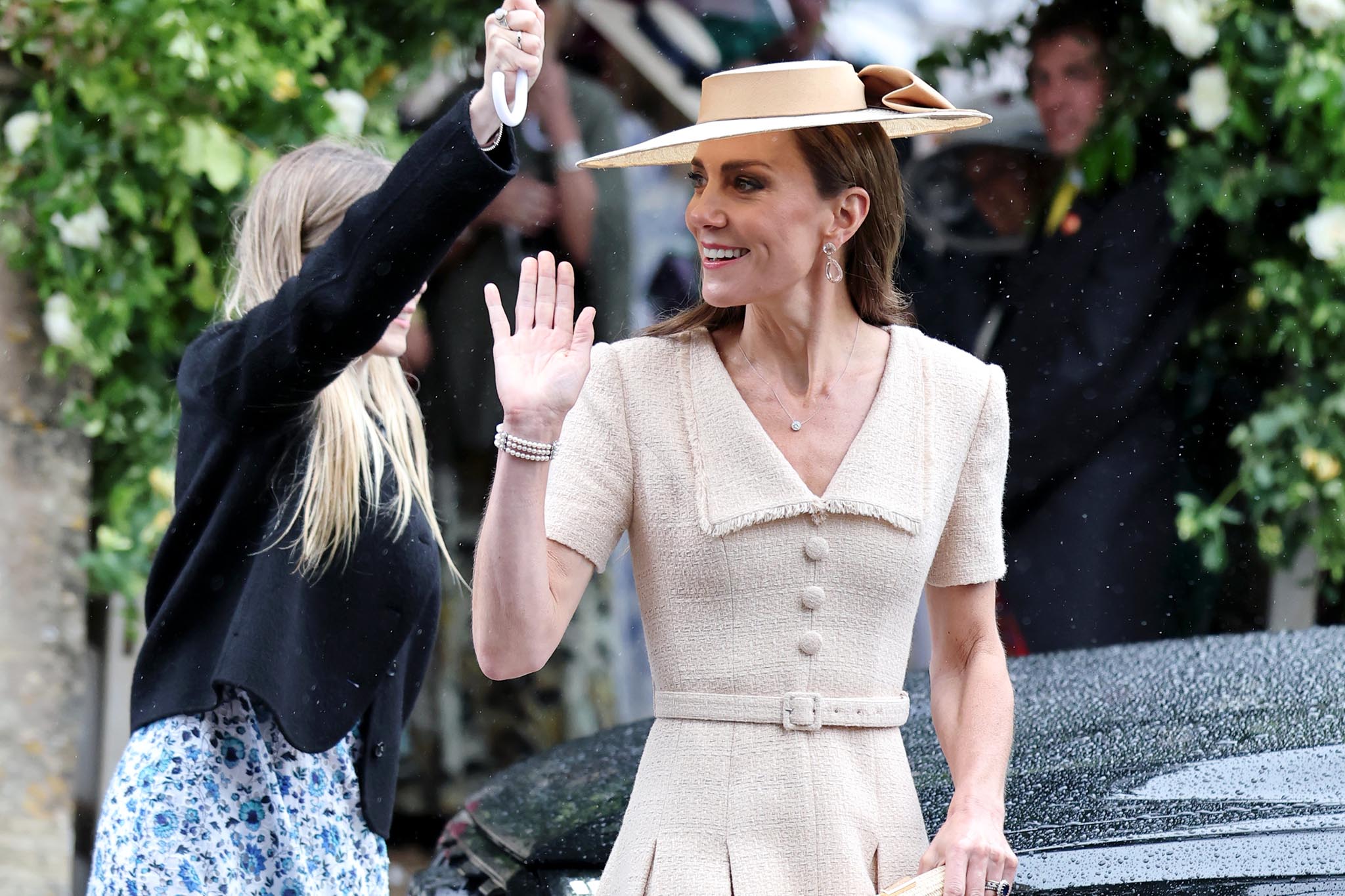
“Irreproachable Kate is held up in contrast to flawed Meghan, an outcome damaging for both women,” she continues, “even if Kate herself has played an astute role in creating her public image.”
Other victims of the “patrimonarchy”, according to Mayer, include Henry VIII’s wives, Queen Elizabeth I and Mary, Queen of Scots, and Diana and Queen Camilla.
But, in reality, most women have been in a seesaw relationship like Kate and Meghan in their lives. And the truth is, a society run by a patriarchy often demands it. Together, women are strong and can be an unstoppable force. Divided, we can easily be conquered.
This kind of goodie-versus-baddie division seeps down into our ordinary lives; it spreads into toxic family dynamics, workplaces, classrooms – and our friendships.
While there may not be too much love lost between them, I bet Kate and Meghan, despite all the genuine hurt, disloyalty and family estrangement, sometimes look back in horror at the narrative that has been forced upon them.
As Meghan was introduced as Harry’s fiancée, there was a time between 2017 and mid-2018 that they were dubbed the “Fab Four”, but it was only a matter of time before everything from their personalities to their outfits became a way to compare and contrast. Kate and Meghan never stood a chance. For one to ride high, the other had to fall; that’s how a seesaw relationship works.
There was no place for two fabulous women to be at the top of the game, with shifting power dynamics and mutual rivalry, the rise of one would need to come at the expense of the other. It is a tale as old as time.
As Princess Margaret once said about her close relationship to her sister Queen Elizabeth II: “When there are two sisters and one is the queen, who must be the source of honour and all that is good, the other must be the focus of the most creative malice, the evil sister.”
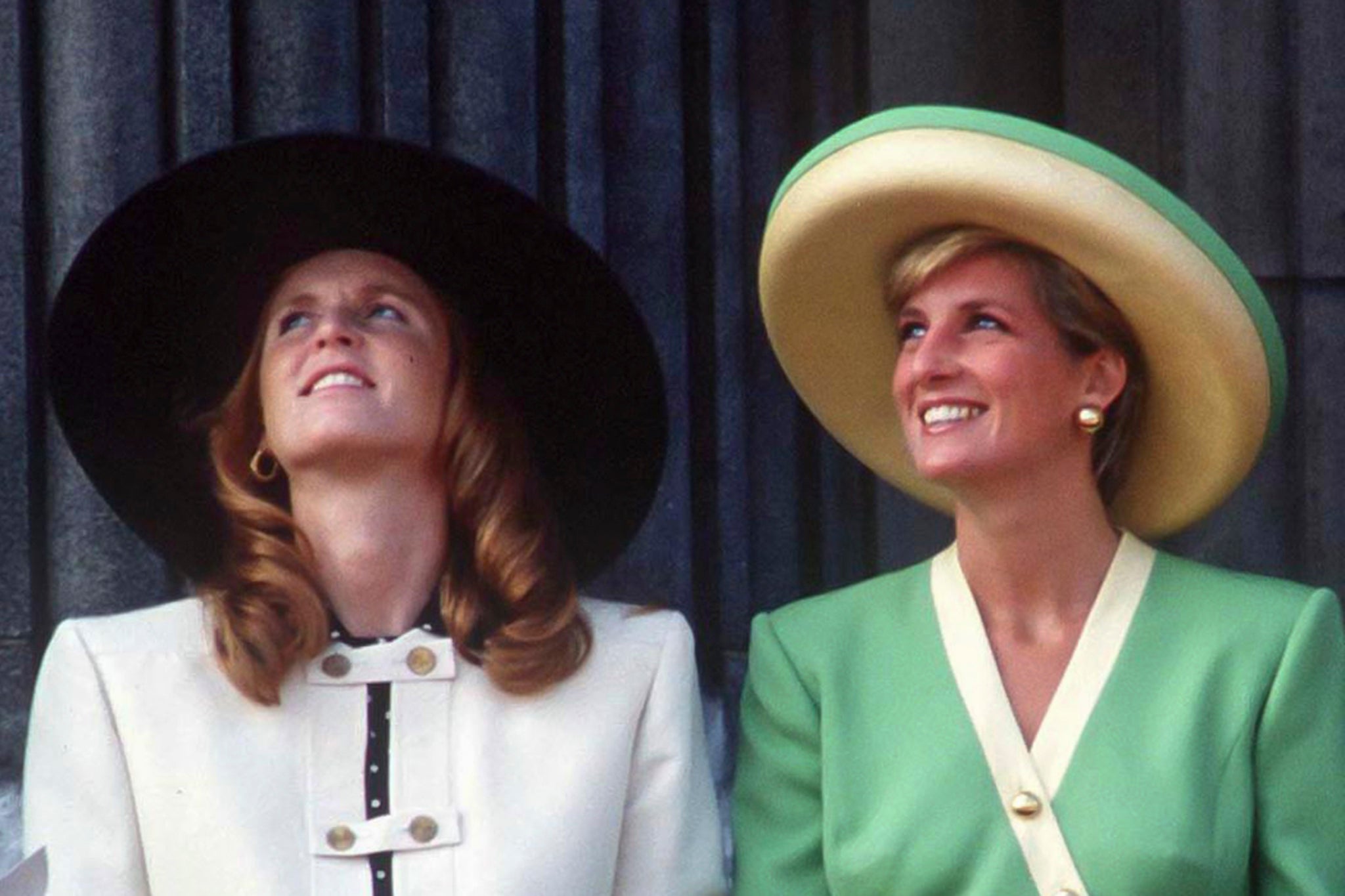
The tabloids often pitted Diana and Sarah Ferguson against each other in the late 1980s and early 1990s – labelling Diana as the “saint” and Sarah as the “sinner” or “bad Fergie”, until Diana shook it up and also became a baddie with her own erratic and unpredictable behaviour that couldn’t be ignored.
In Harry’s memoir, Spare, he described Kate as “on edge” over being “compared to, and forced [by the media], to compete with” the newcomer [Meghan]. But let’s face it – it was outsider Meghan who invariably came out worse. Dubbed “duchess difficult”, she was seen as not to be trusted and out for her own gains – and a nobody. And through this narrative, Kate’s halo shone brighter than ever.
“They really seem to want a narrative of a hero and a villain,” Meghan told Oprah. “So much of what I have seen play out is this idea of polarity where if you love me, you don’t have to hate her. And if you love her, you don’t need to hate me.”
Their roles are now set in stone – the good and bad sister-in-law. I have experienced similar growing up with my half-sister. Pitched as rivals from the get-go, our narrative was cast: we were in a painful competitive relationship which plays out in its ups and downs like a soap opera.
It all began in our childhood, when my father used divisive tactics to control us, and we were then left vying for his love and approval. As the youngest of five half-siblings, I was in the favoured position of the golden child, but as Kate will know, this isn’t always the ace card. It placed a huge burden of responsibility on my shoulders and fostered resentment from the rest of the family.
My sister lived up to the opposite stereotype: the black sheep, who broke the rules. Who was cleverer or more attractive? Growing up, I always felt so drawn to watching the 1962 horror drama Whatever Happened to Baby Jane? about two reclusive sisters living in a dilapidated Hollywood mansion – in which one is tormented. It was because I effortlessly relate to the dynamic where two women are expected not to get on.
This seesaw also happens with friends – and work colleagues. I’ve ended up competing against other woman – and not understanding how exactly it happened. But taking a closer look, it boiled down to manipulation.
By keeping women’s attention firmly on being rivals, we become conveniently distracted from structural gender inequalities. By focusing and competing with each other, we don’t challenge the power structures that thrive by keeping us in our place.
In my family, it was all about us seeking my dad’s approval, but this can also play out in workplaces where two brilliant women are cast against each other by a powerful male boss. The constant comparisons keep women on their toes, and, in my own case, meant that we no longer speak.
It’s a hard dynamic to stop as people outside the relationship are asked to take sides. Whether you are sisters – or sisters-in-law – for there to be a goodie, there has to be a baddie, and it often tears women apart.

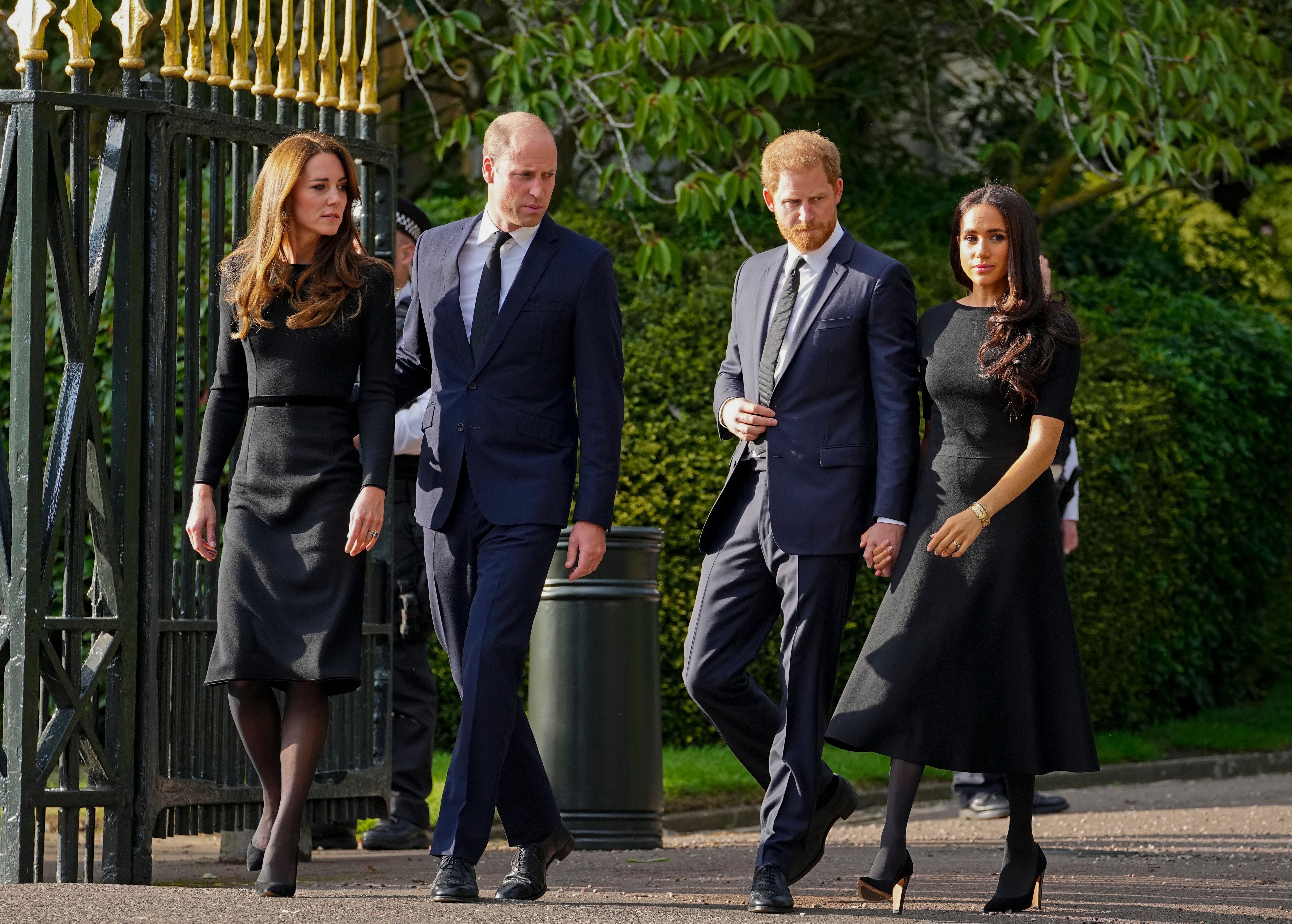
Prince Harry suggested in his memoir that the onslaught of comparisons between Kate and Meghan was a device by the press and the public to distract from the real mounting tensions between him and William.
In my family, pitting my sister and me against each other took away the spotlight from any bigger problems in the family. But I am determined not to fall into a pattern that isn’t of my choice. It’s time to heal from it and find peace.
This kind of dynamic is a one-way ticket to hell – and things are never really as they seem. As Mayer says, while the Princess of Wales came out on top in her seesaw relationship with Meghan: “Who knows where Kate might stand in public affection had there been no such squalls?”