
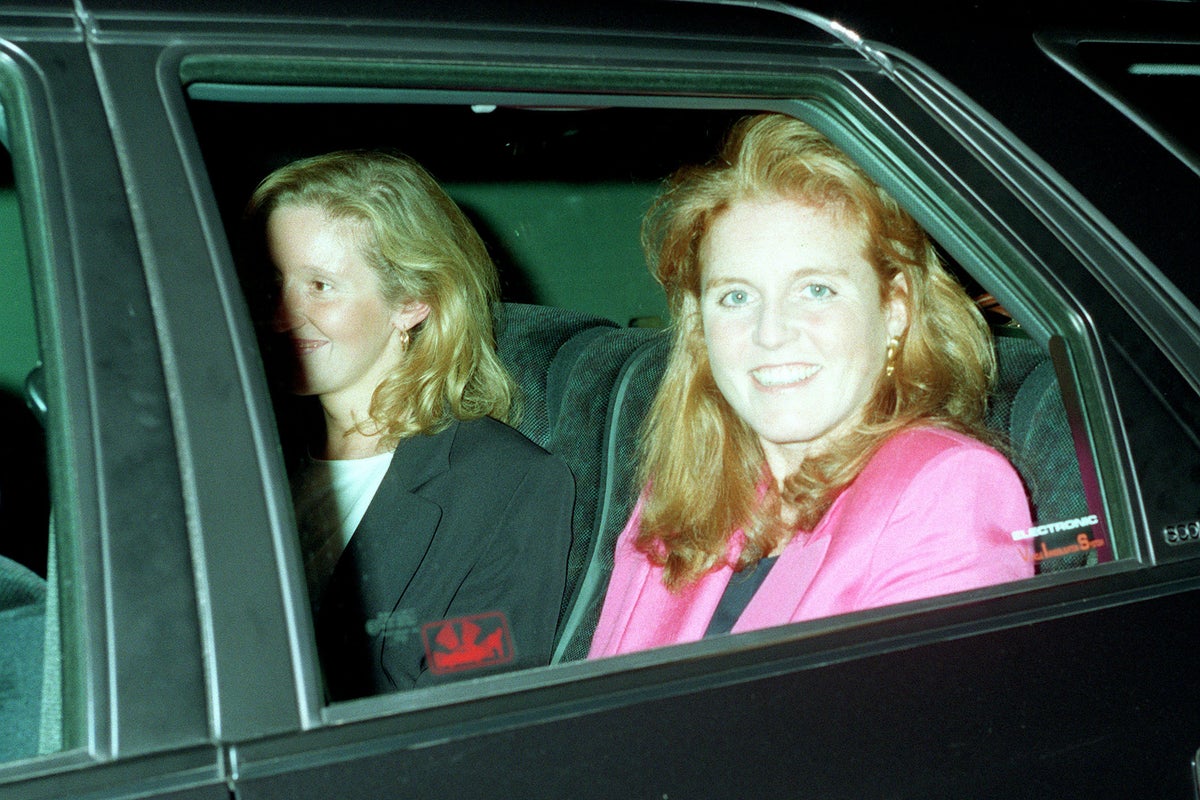
From a terrace in Grimsby to Buckingham Palace – then on to the Old Bailey and Her Majesty’s Prison. It is hardly a surprise that the story of Jane Andrews, the former dresser and right-hand woman to Sarah Ferguson who was later jailed for the murder of her boyfriend Thomas Cressman, became something of a grim cause célèbre in the early Noughties. After all, it had all the components of a very British tabloid scandal: class anxiety, mingled with royalty and shocking violence.
Headlines branded Andrews, the Lincolnshire woman who had ascended from humble beginnings to earn the nickname “Lady Jane” from her employer, a “bunny boiler” or the “Fatal Attraction” killer. She was portrayed as a callous and jealous social climber, fixated upon securing a place among the upper classes. Andrews, however, contended that she had been a victim of abuse.
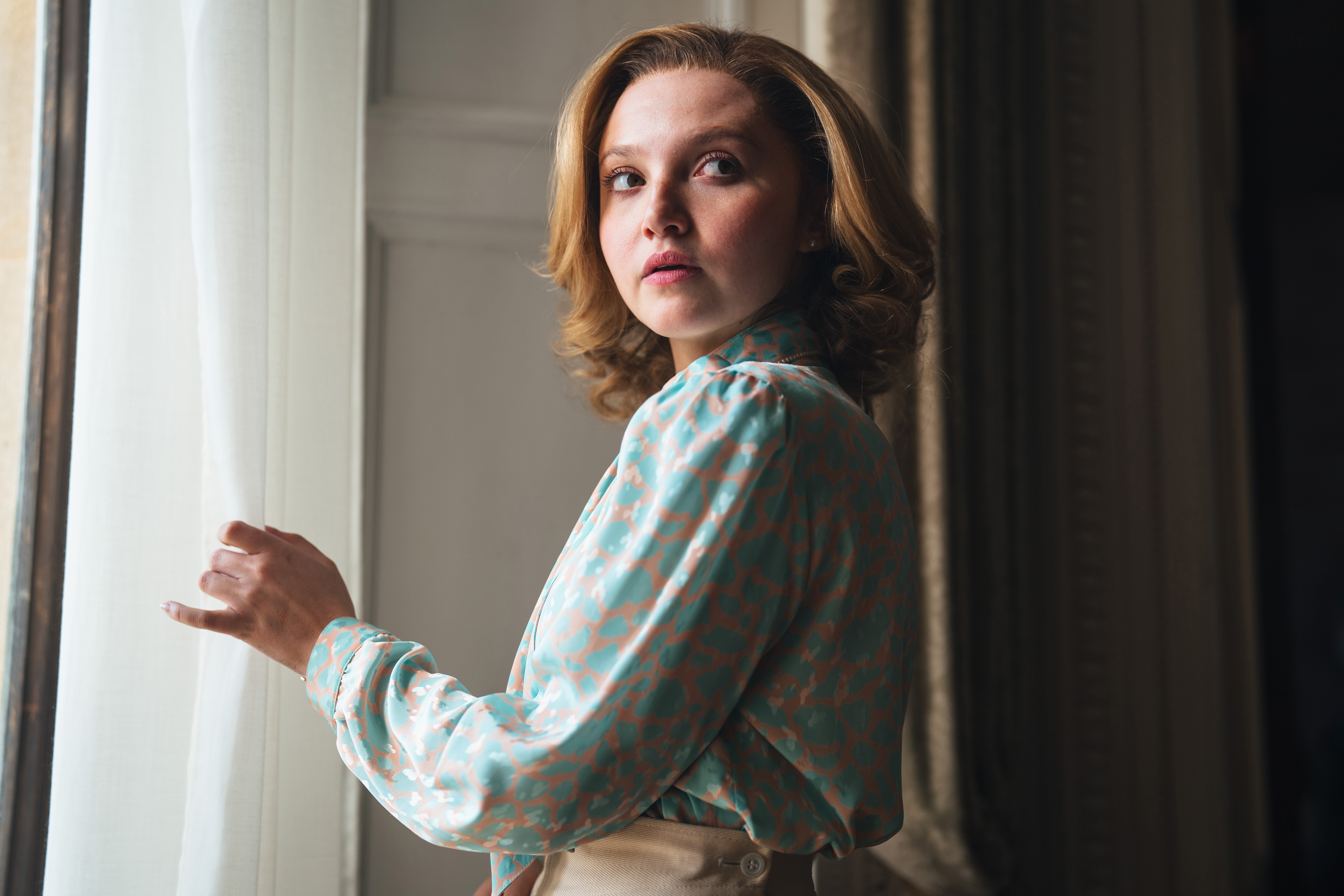
Twenty-five years on from her trial, Andrews’ tale is now the subject of The Lady, a four-part, “partially fictionalised” drama from ITV, made by the producers behind The Crown. Bafta Rising Star winner Mia McKenna-Bruce plays Andrews, whose trajectory has been described by show writer Debbie O’Malley as a “toxic fairytale”, while Game of Thrones star Natalie Dormer dons a very red wig to play the former Duchess of York.
The series, of course, could hardly have landed at a worse time for said former duchess. Newly released emails from the Epstein files have put her contact with the paedophile financier Jeffrey Epstein – even after his 2008 conviction for procuring a girl under the age of 18 for prostitution – back in the spotlight.
Then, on Thursday, her ex-husband Andrew Mountbatten-Windsor was arrested on suspicion of misconduct in public office, amid claims that he shared sensitive information with Epstein while serving as the UK’s trade envoy. Andrew has repeatedly denied any wrongdoing in relation to his connections with Epstein; he doesn’t appear in The Lady, either, a creative decision the producers may well be thanking themselves for right now.
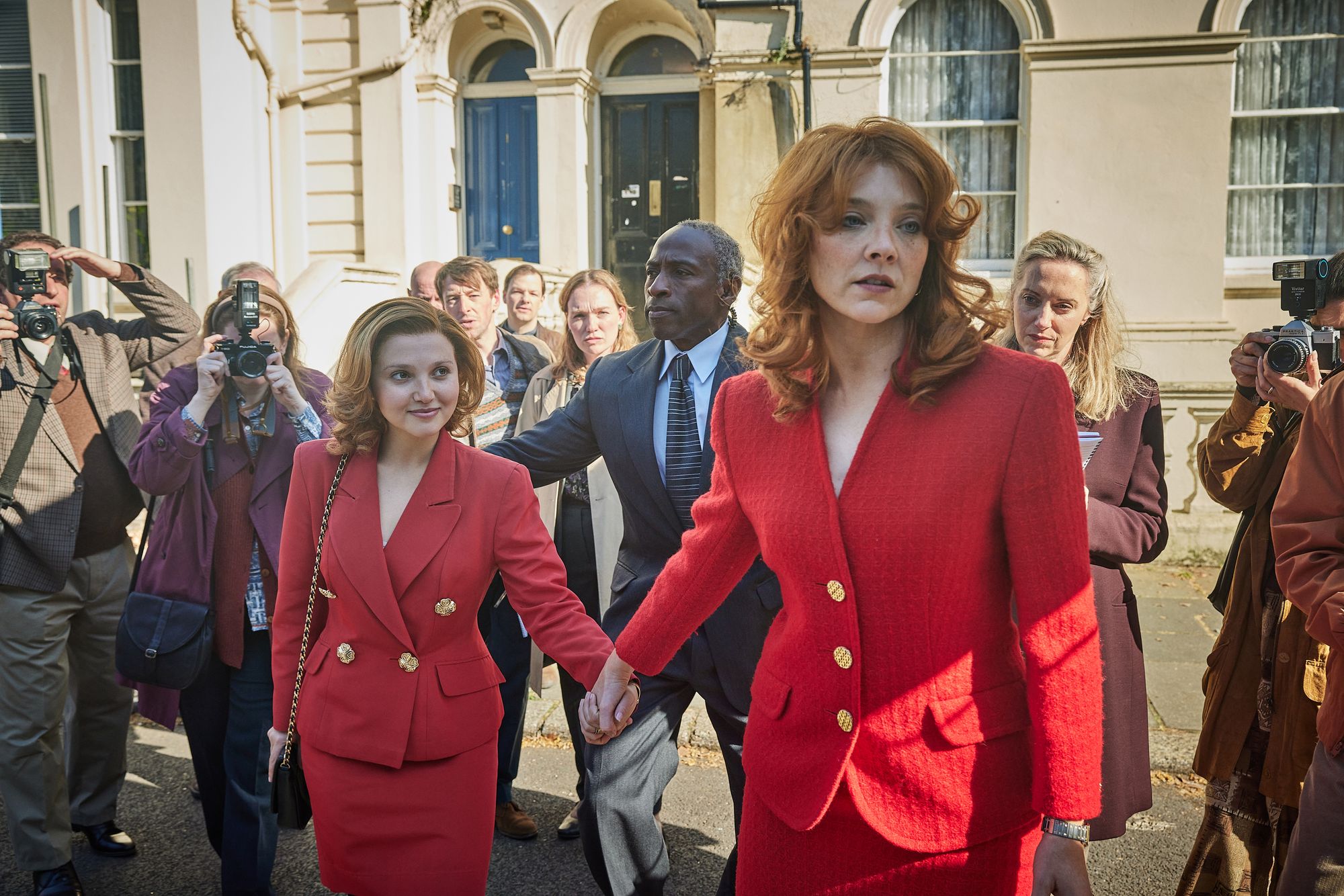
Dormer has already distanced herself from the role. Back in September, when a leaked email showed that Ferguson had called Epstein a “steadfast, generous and supreme friend” after having claimed to have severed ties, the actor said that she would no longer promote The Lady. “Since completing the project, new information has come to light that makes it impossible for me to reconcile my values with Sarah Ferguson’s behaviour, which I believe is inexcusable,” she said, adding that she would donate her salary to charities supporting childhood victims of sexual abuse.
McKenna-Bruce, meanwhile, contends that the show “is Jane’s story, it’s not Fergie’s story”.
Andrews was born in Lincolnshire in 1967 to a working-class family, whose financial difficulties formed the backdrop to her childhood. When she was eight, debts meant that her parents had to sell their home and move to a smaller place in Grimsby, with an outdoor toilet. “I remember one day we didn’t have enough to buy a loaf of bread and Mum had us looking down the sides of the settee and in our coats for money to scrape together,” she recalled in a 2003 interview.
From an early age, Andrews seemed to struggle with her mental health, experiencing depression, panic attacks and an eating disorder. At the age of 15, she tried to take her own life for the first time. It was around this time, in her mid-to-late teens, that she would start to become unhealthily dependent on her intimate relationships, she later told The Guardian, a result of low self-esteem and fears of abandonment.
Her love of fashion, though, came to represent a promise of escape. Andrews studied fashion in college and started working in Marks & Spencer. In 1988, she answered an anonymous advert in a copy of The Lady, the high society magazine, for a gig as a personal dresser. Months went by before she would eventually be invited for an interview. Her mysterious would-be employer? Sarah Ferguson, the Duchess of York, who was then married to the Queen’s favourite son and expecting her first child, Princess Beatrice.

Watch Apple TV+ free for 7 day
New subscribers only. £9.99/mo. after free trial. Plan auto-renews until cancelled.
Try for free
ADVERTISEMENT. If you sign up to this service we will earn commission. This revenue helps to fund journalism across The Independent.
Watch Apple TV+ free for 7 day
New subscribers only. £9.99/mo. after free trial. Plan auto-renews until cancelled.
Try for free
ADVERTISEMENT. If you sign up to this service we will earn commission. This revenue helps to fund journalism across The Independent.
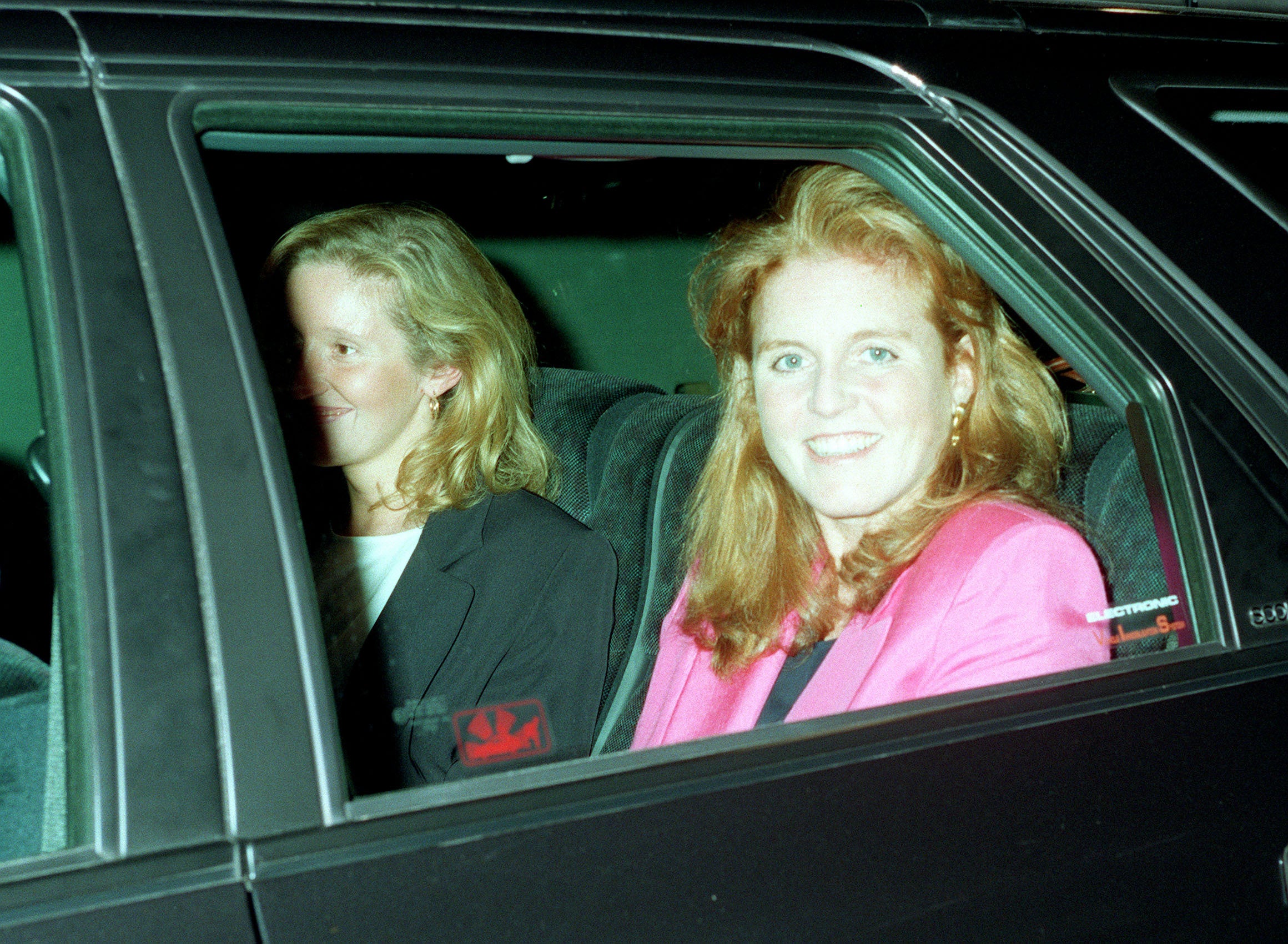
The two very different women seemed to have an instant rapport, and Andrews got the job. “I was running away from all the horrible things in my past that Grimsby represented,” she later said. “I arrived at King’s Cross with a suitcase and £10 in my pocket. I got in a taxi and said, ‘Side door of Buckingham Palace’ and the driver made a joke.” When she arrived, she received flowers from Fergie, along with a card that read “Welcome to the team”, signed by “The Boss”.
In the ITV show, McKenna-Bruce’s Andrews becomes fast friends with the duchess by sharing snippets from her tumultuous romantic life, while overhauling her own image to align with the upper-class milieu in which she was now mixing. We see her upgrading her own wardrobe to fancier designers, and hear her lengthening her vowels to disguise her roots “oop north”, as Dormer’s Fergie rather hamfistedly puts it.
In the media storm that surrounded her trial, Andrews was painted as a calculated social climber who deliberately and strategically made herself over to better ascend the ladder; there was even a suggestion that she deliberately mirrored the duchess, whose apparently ironic nickname for her dresser was “Lady Jane”. One report from The Telegraph even claimed that “friends said Andrews was devoted to the duchess to the point of obsession, assuming her characteristics and copying her style”.
But for Andrews, this makeover was less some monomaniacal fixation with her employer, more just a consequence of an ordinary young woman suddenly finding herself in the upper echelons and attempting to fit in. “I was a country bumpkin,” she told The Guardian. “Suddenly, I was at Balmoral mixing with the royals, having long chats with Princess Diana. I was 21 years old, and of course I enjoyed it. If my accent changed, it was only because people made fun of the way I said ‘bath’ and ‘grass’.”
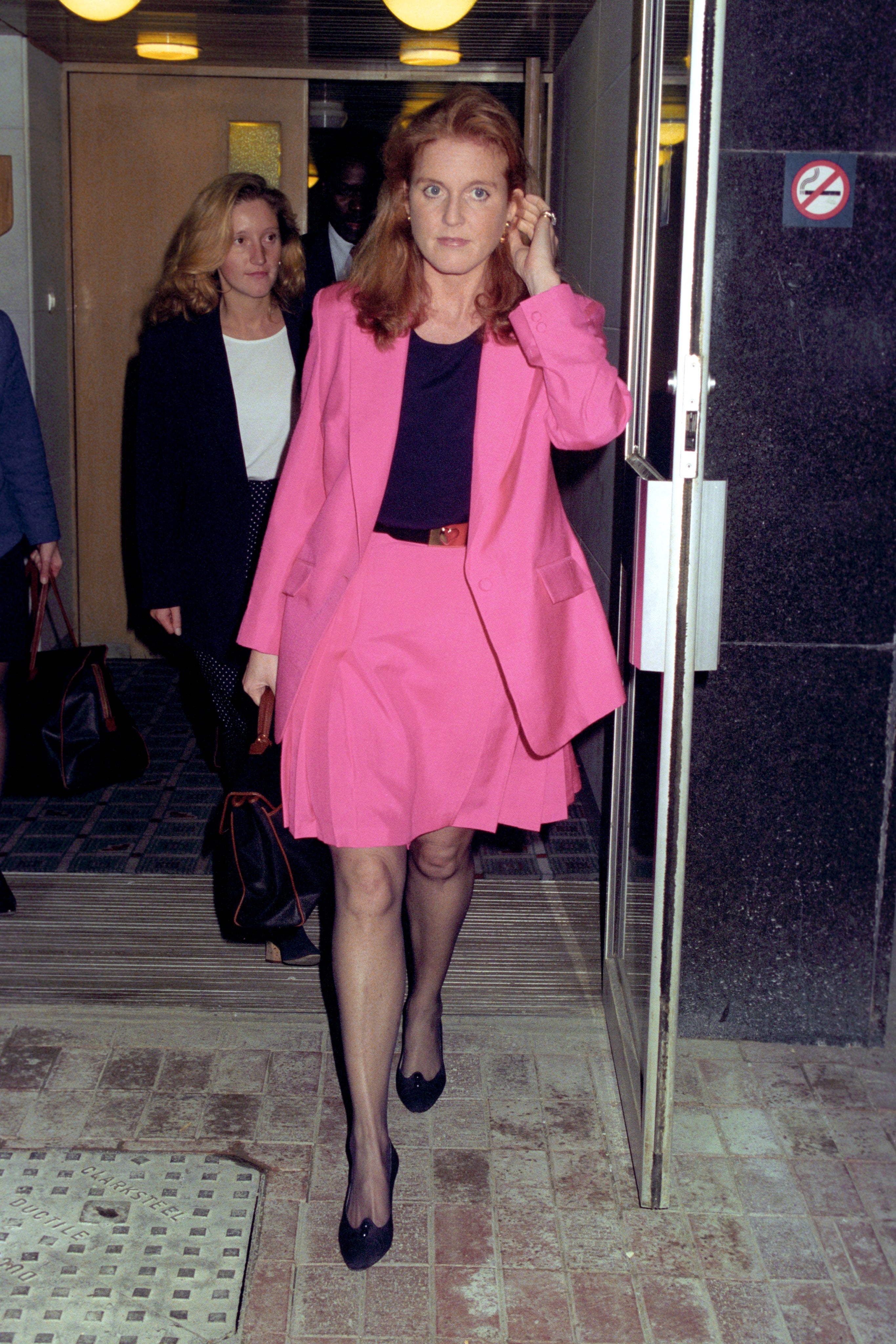
In the introduction to a travel book released in 1993, Ferguson included a special dedication to her right-hand woman, “whose loyalty and kindness knows no bounds”. Later, the duchess’s marital woes only brought the pair closer together – especially as Andrews, who had tied the knot with an IBM executive two decades her senior in 1990, was also floundering in her marriage. This eventually ended in 1997, a year after Fergie’s split from Andrew.
But the relationship between the two women would eventually sour. In 1997, Andrews was made redundant, with the palace citing cost-cutting reasons. Being let go came as a huge blow to her, after she had spent almost a decade entwined with the duchess’s day-to-day life. Fergie reportedly did not break the news in person and, Andrews has alleged, had only just told her, “I’ll never get rid of you, you’re with me for life.”
Recently divorced and dumped by her employer, Andrews became depressed, and struggled to find a new job, although she eventually secured positions with upmarket jewellers including Theo Fennell (father of Wuthering Heights director Emerald) and Annabel Jones.
In 1998, she met Thomas Cressman, a wealthy businessman whose father was a former director of Aston Villa football club. Later reports claimed that Andrews saw their relationship as a potential route back into the high society lifestyle she had previously enjoyed as part of Ferguson’s inner circle.
In the summer of 2000, the couple went on holiday to the South of France. But what should have been a romantic trip turned into a disaster. Later reports claimed Andrews had apparently been expecting a proposal, only for Cressman to tell her that he had no plans for anything of the sort.
Upon their return to London, they became embroiled in an argument so heated that Cressman eventually called 999, telling the operator: “We are rowing, someone is going to get hurt unless… I would like [the] police to come and split us up.” No one came to Cressman’s Fulham flat to follow up.
Andrews later beat him with a cricket bat and stabbed him with a knife from the kitchen; his body was found the following day, and the police began trying to locate his girlfriend, who appeared to have gone on the run. They even sought the help of the duchess, who left two voicemail messages for her former employee, imploring Andrews to turn herself in. She was eventually discovered in her car in Cornwall, having taken an overdose.
At her murder trial at the Old Bailey in 2001, Andrews’ stance was that she had acted in self-defence. The prosecution argued that she was a gold digger obsessed with the idea of marrying Cressman, and therefore cementing her status in high society, and had flown into a violent rage when it became clear this was not going to happen. Her defence claimed that Cressman had been physically abusive and sexually violent towards her throughout the relationship, and noted that her depression “would have heightened her sense of fear and helplessness”, according to a BBC report.
These allegations horrified Cressman’s family, who described them as “a whole tissue of lies”. The jury eventually discounted them, choosing to convict Andrews of murder rather than the lesser charge of manslaughter. “In killing the man you loved, you ended his life and ruined your own,” the judge told her.
She eventually received a life sentence, which she unsuccessfully appealed in 2003, citing a diagnosis of Borderline Personality Disorder, a mental health condition that can manifest as emotional instability and impulsive behaviour, according to the NHS. She also claimed that memories of sexual abuse from her childhood had been triggered by Cressman’s alleged behaviour. The Court of Appeal, however, declined to admit the evidence.
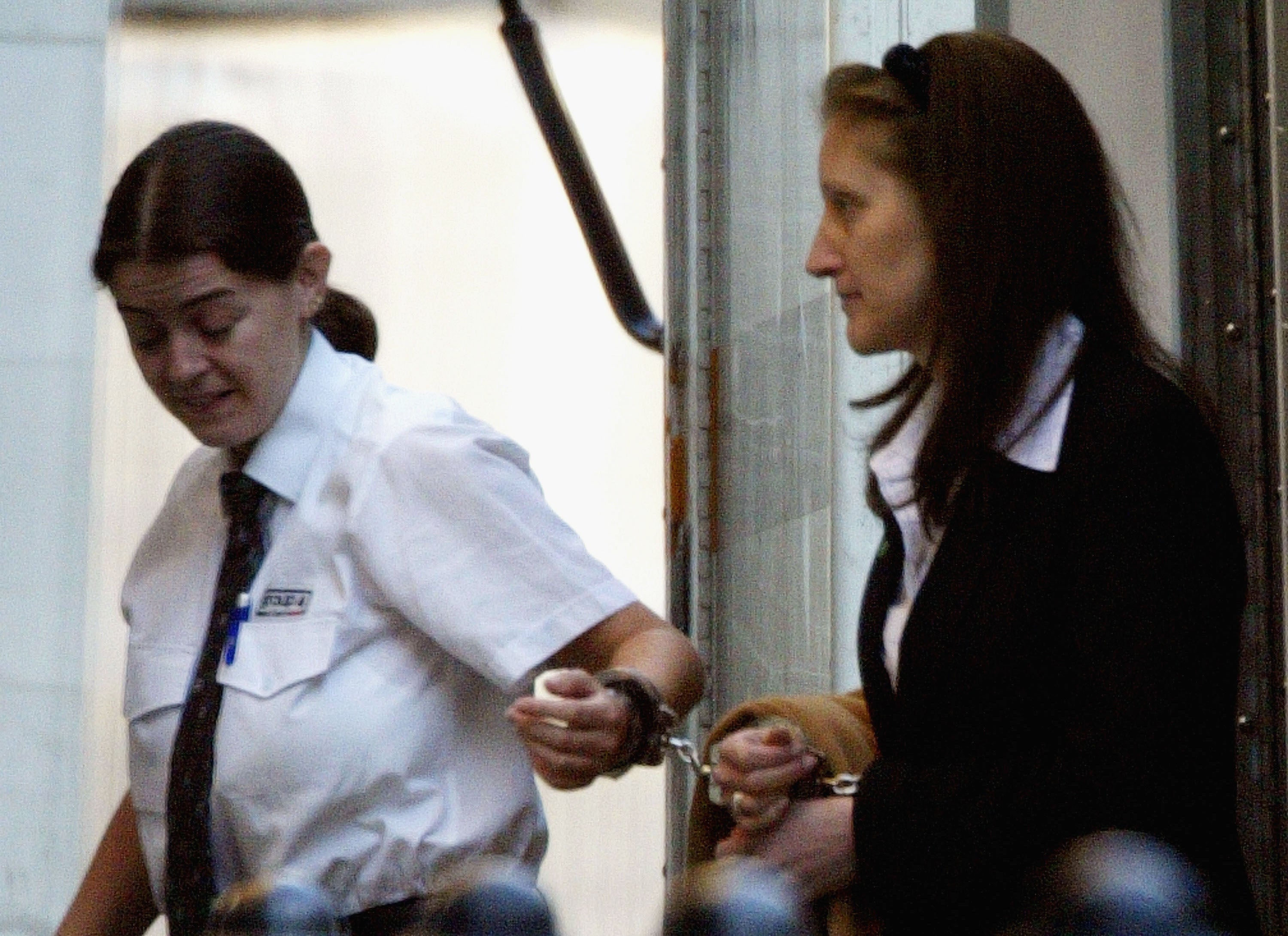
In jail, Andrews was reportedly nicknamed “Fergie’s bird”. She made headlines once again in 2009 when, shortly after she was transferred to an open prison, she made a bid for freedom, apparently jumping over a wall and then laying low in a nearby Premier Inn with her family, until she was caught and returned. She eventually left prison in 2019, and found work in a supermarket (which she would later lose when her identity was uncovered). Now aged 57, she is reportedly now working at a charity-funded animal hospital.
O’Malley, the writer behind The Lady, has said that the show is “about understanding the human behind the headlines”, and doesn’t seek to “apportion blame in other places, but to understand how someone could get to that point”. Whether the current headlines circling around Andrews’ former friend and boss will overshadow some of the drama’s nuance, though, is out of the writer’s hands now.
‘The Lady’ is on ITV and ITVX from 22 February
If you are experiencing feelings of distress and isolation, or are struggling to cope, The Samaritans offers support; you can speak to someone for free over the phone, in confidence, on 116 123 (UK and ROI), email [email protected], or visit the Samaritans website to find details of your nearest branch.
If you are based in the USA, and you or someone you know needs mental health assistance right now, call National Suicide Prevention Helpline on 1-800-273-TALK (8255). The Helpline is a free, confidential crisis hotline that is available to everyone 24 hours a day, seven days a week.
If you are in another country, you can go to www.befrienders.org to find a helpline near you.