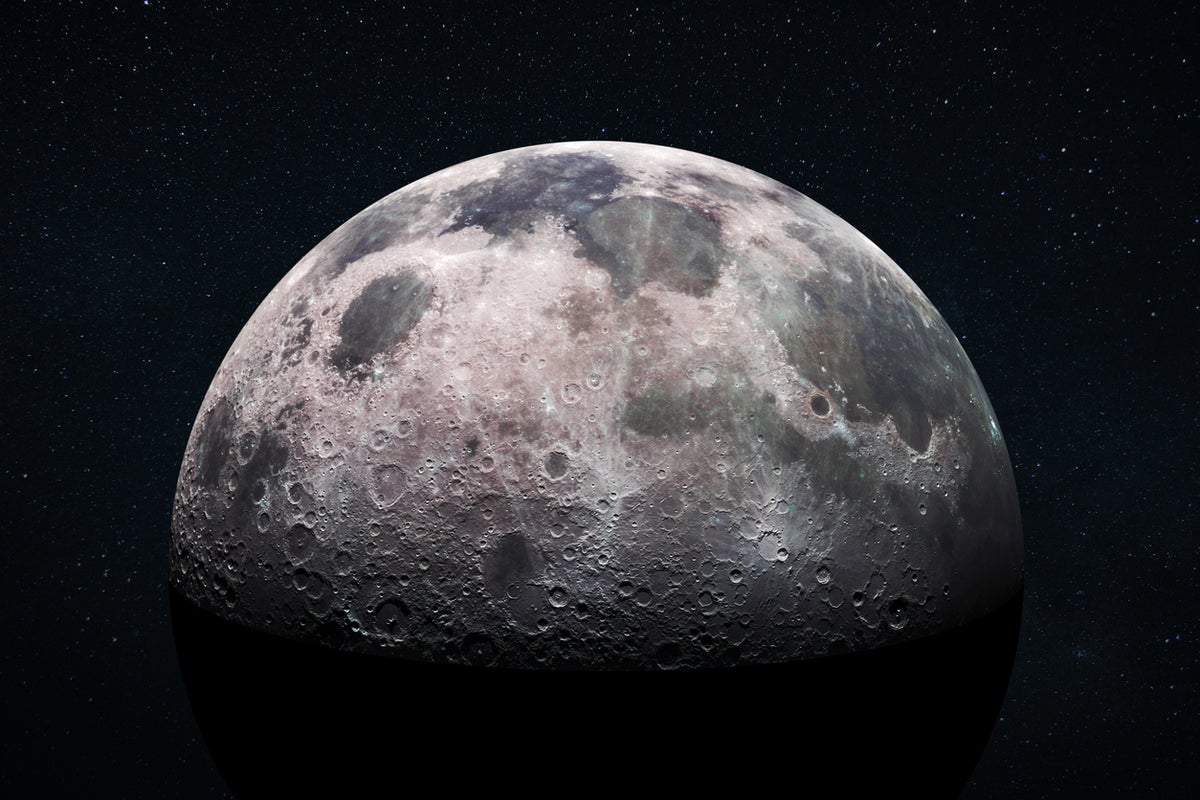
Lots of excitement for space bubbled up in spring 2026. The Artemis II mission took a crew of four on a flyby around the Moon, and NASA officials announced their goal of constructing a permanent lunar outpost by 2030.
With that announcement, NASA outlined a definitive set of goals for getting humans to the surface of the Moon. That way, people can learn how to live and work productively off Earth before going much farther away, to Mars. Yes, we’re going to the Moon again, but this time to stay.
As a geologist, I have spent 40 years studying the Moon and human space exploration. When the crew of Artemis II crossed behind the Moon and lost contact with Earth, it brought back my memories of Apollo 8 doing so for the first time in 1968. That experience had marked my first “Apollo moment” of many over the next four years. This generation has now had their first “Artemis moment,” and just as it was in 1968, such moments are inspirational.
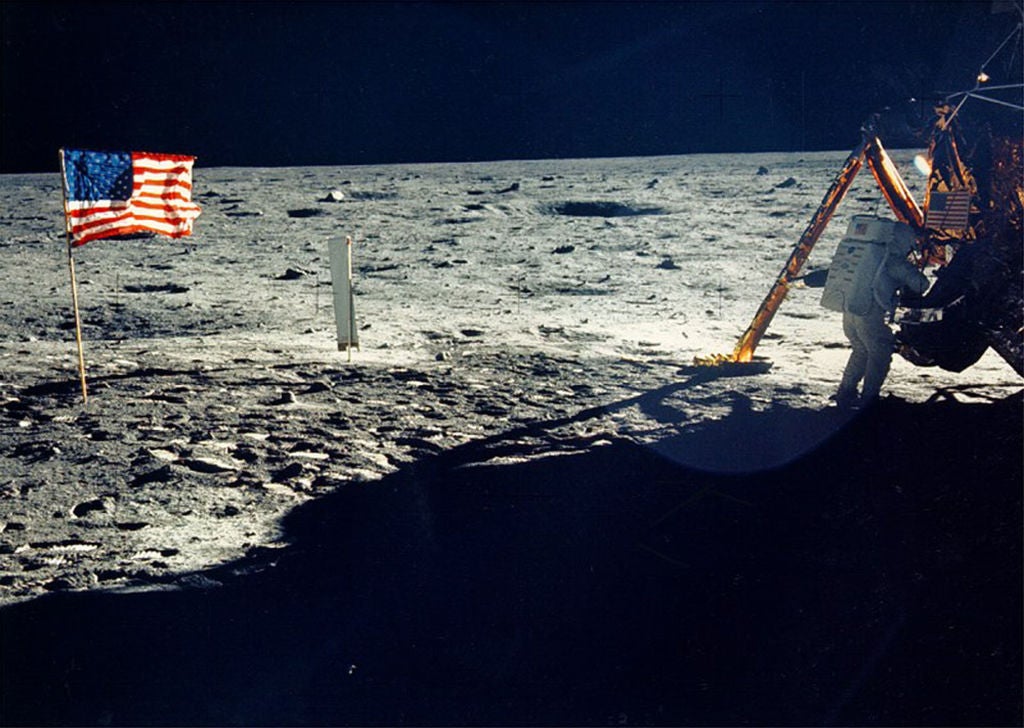
The excitement could continue to grow if NASA can maintain its aspirational mission manifest of 79 launches and 73 lunar landings between now and 2036. These missions are mostly robotic, uncrewed landings until after 2027, when the agency has two human landings per year planned.
But the devil is in the details. Building a lunar base is no easy feat, and with this ambitious slate of missions will come lots of technical challenges.
Where to put a lunar base?
NASA has mostly conducted individual missions to achieve its goals, whether human or robotic. But going to the Moon to establish a permanent base on the surface will require returning to the same location, so that subsequent missions can build on the results of the previous ones. This shift requires a major and rapid – almost immediate – change of philosophy at NASA from a “mission mindset” to a “campaign culture.”
Agency officials will need to figure out where to put the Moon base. This question is difficult to answer. However, there are some primary criteria to keep in mind.
First, a base will need relatively flat ground for safe launch and landing areas. NASA would also want to think about whether there’s room for expansion around the site. This space would be important for attracting private-sector investment that could provide services for the Moon base and take advantage of the location.
A Moon base will need access to power 24/7, whether from solar, fuel cells or nuclear fission. It would also need access to local resources, such as water ice for use in life support and rocket fuel, that can sustain humans and be an economic driver. These criteria would help ensure human permanence and sustainability by driving economic growth through private-sector investment.
A lunar base as a hub for economic activity
The Moon also has resources other than water ice that a crew based on the lunar surface could export back to Earth, if there are economically significant reserves present close to the base.
For example, helium-3 is abundant on the Moon but rare on Earth. This resource could cool quantum computers and potentially act as a fuel for nuclear fusion energy.
Planetary scientists have also spotted sites that could hold rare earth metals while looking through data taken from lunar orbit.
Rare earth metals are critical minerals for our economy as they underpin consumer electronics, clean energy, defense and advanced manufacturing. While scientists don’t yet know whether these are abundant or accessible enough to export, rare earth metals represent another potential direction for economic activity on the Moon.
But there is much that needs to be done before lunar exports to Earth become a reality. Researchers will need to figure out how much material is present in each deposit, along with the deposit’s composition and how extractable it is. Researchers will also need to come up with refining methods and infrastructure tailored to the lunar environment. They could deploy prospecting rovers on the surface to gather the data.
New challenges, new technologies
Solutions to the technical challenges of keeping humans alive on the Moon will require new technologies.
These innovations will likely have benefits back here on Earth, such as closed-loop life support – for example, recycling waste products, such as carbon dioxide, heat, water, human and other produced waste – and mining without water. The latter would be a necessity on the Moon. Back on Earth, it could remove the need for toxic tailing ponds that can be an environmental hazard long after a mine has closed.
Your smartphone is a result of technological developments from the Apollo program that allowed for much smaller electronic devices. Artemis could open up a new sector of the world economy that will occupy the Moon’s surface and the space between Earth and the Moon.
While NASA faces a long road to setting one up, having a permanent Moon base would facilitate exploration science that could address these questions and many more.