Less than a week after becoming street homeless, an Ethiopian refugee came to the Refugee Council when her latent tuberculosis was at risk of becoming active.
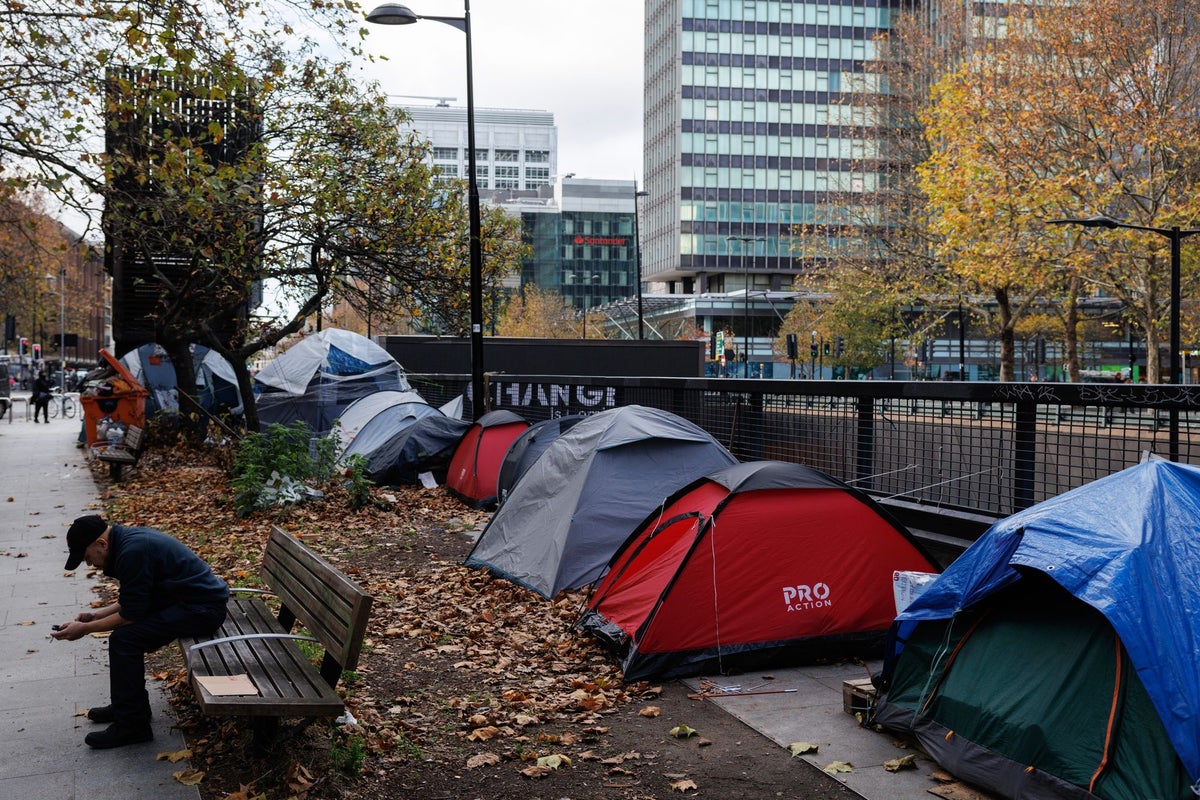
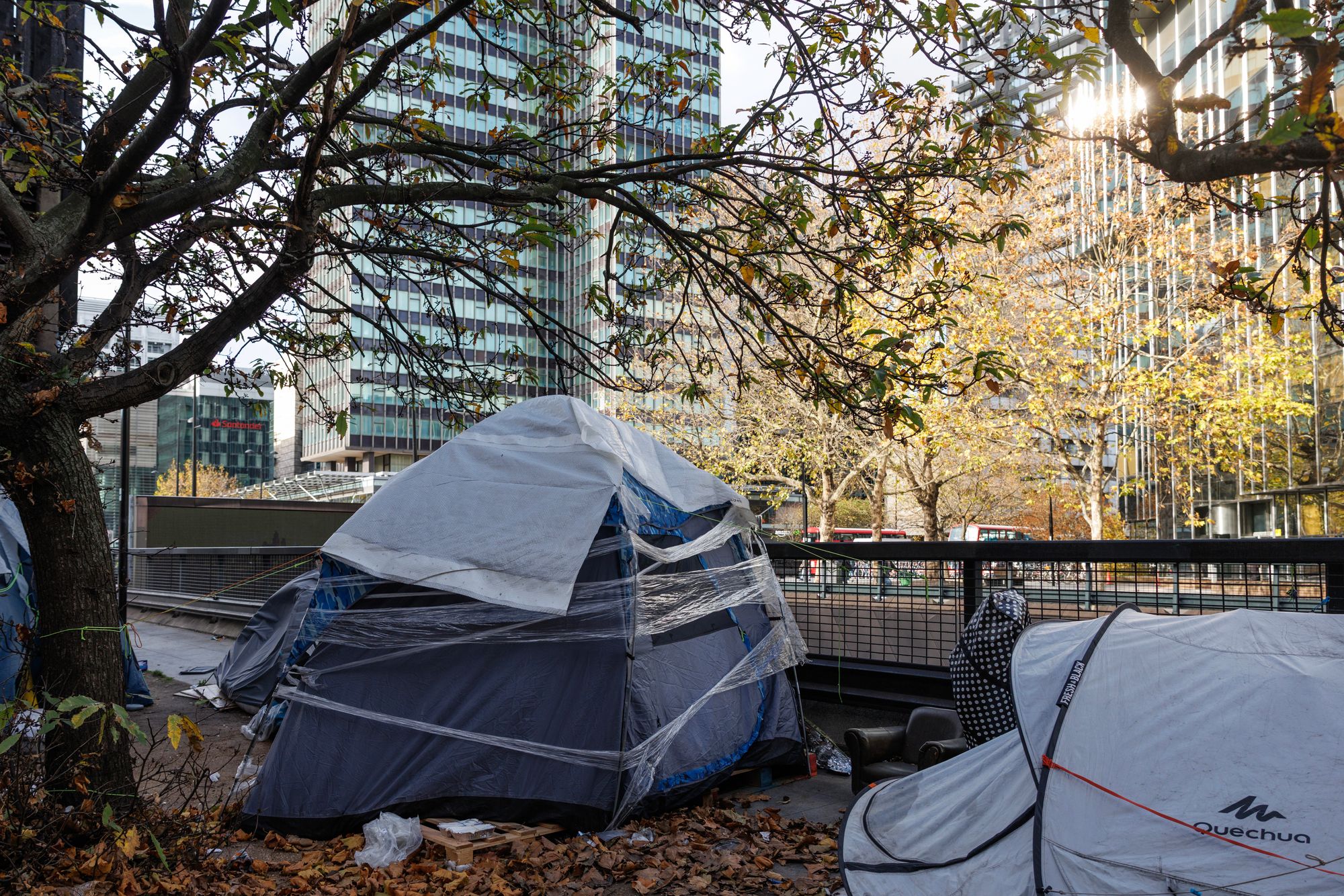
Just 28 days after receiving her refugee status, she was forced to sleep in a tent in south London after she was evicted from an asylum hotel in the last week of September.
Like many refugees left street homeless, she experienced a constant sense of danger and struggled to sleep. But even when she was finally able to find housing, she was faced with a difficult decision.
Unable to afford food, she would experience burning sensations in her stomach as a side effect; twice a week she commuted to hospital, where personnel gave her controlled doses of the medication. The inconsistent nature of homelessness increased the risk of her tuberculosis becoming infectious.
“It became uncontrolled because her homelessness didn’t allow her to regulate her medication,” says Hillary Kent, a destitution casework coordinator for Refugee Council.
“The only housing that was available after two months homeless was all the way in far west London,” she adds.
The refugee had found a sense of community at the local church near where she was sleeping rough in south London. “The choice became about whether you give up your community to seek a safe, stable home.” Ms Kent says. “She cried on the phone and said ‘I don’t know how I choose.’”
Frontline workers like Ms Kent have warned The Independent that refugees face homelessness and destitution this winter as the Home Office has paused a 56-day move-on pilot. Charities like Crisis have said they are being “forced into crisis response mode” as frontline staff print rough sleeping guides in multiple languages and offer tents to refugees.
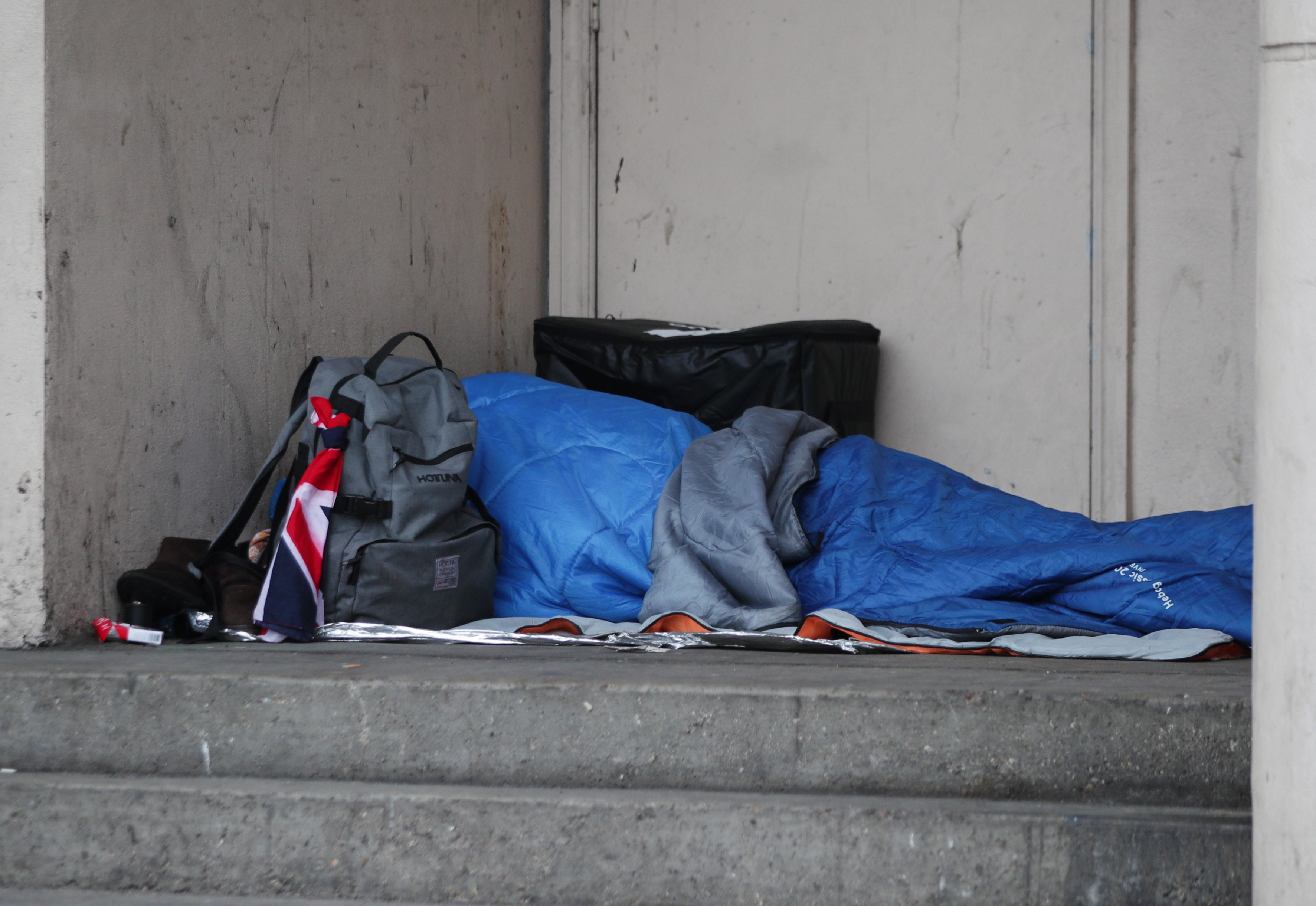
Seána Roberts, a caseworker at Merseyside Refugee Support Network, said that refugees who have come to the UK having experienced torture, rape and physical violence were on the verge of homelessness, and some of these people were so traumatised that they walk the streets at night, going in and out of cafes that might be open because “it’s too scary to be in a tent”.
Of the 100 refugees who approach Ms Roberts’ team a week, seeking the housing and benefits support needed to establish a future in the UK after leaving Home Office asylum accommodation, she estimates that between 30 and 40 per cent of these people are at high risk of homelessness.
The pilot was originally announced in December last year to give refugees 56 days to leave asylum seeker accommodation and find a new place to live, as opposed to the 28-day move-on notice. After a summer where members of the public protested outside asylum hotels across the country, the Home Office introduced a package of changes in September to speed up the asylum process, including a pause on the pilot.
While pregnant women, families, and people with disabilities have been given exception to this change, concern remains as a large number of refugees entering the UK are young, single people – and the freshly curtailed policy has sparked confusion among local authorities.
Ruth Lister told The Independent she was “immensely disappointed” with the Home Office’s decision to reverse the move-on policy after she had campaigned for a decade to change it to 56 days, even tabling a private member’s bill to make the change permanent.
While praising the government for speeding up decisions, Baroness Lister expressed concern that the decision to shorten the move-on policy would leave more people in destitution.
“That will leave a lot of a bigger group who find that they are being turfed out after 28 days, which simply is not enough time to sort out your accommodation, your Universal Credit, bank account, and so forth, especially if you’re relatively new to the country.
“My worry is that it is going to mean greater destitution, greater homelessness as we go into the winter months, as local authorities have pointed out, and in the longer term it undermines the integration of refugees.”
Data published by the Home Office shows the government has granted protection to 40,503 people so far this year. In the third quarter alone, 11,643 people were granted refugee status and 1,182 were granted humanitarian protection, indicating that thousands of people are at risk of homelessness.
Charities are already seeing an impact on their services; Refugees At Home told The Independent that the number of street homeless refugees referred to them had more than doubled since the decision. New Horizon Youth Centre, dealing with youth homelessness in London, had 56 new young people come to its day centre after being evicted from NASS accommodation, a 19 per cent increase on September 2025 and a 70 per cent increase on August-September 2025.
Coco Claxton, a refugee integration and housing lead for the Single Homeless Prevention Service (SHPS) in Brent, said that her team was having to file for extended eviction notices from the Home Office and already, she’s had to support a client who was forced to sleep in a park for two days after they could not arrange an extension at the hotel in time.
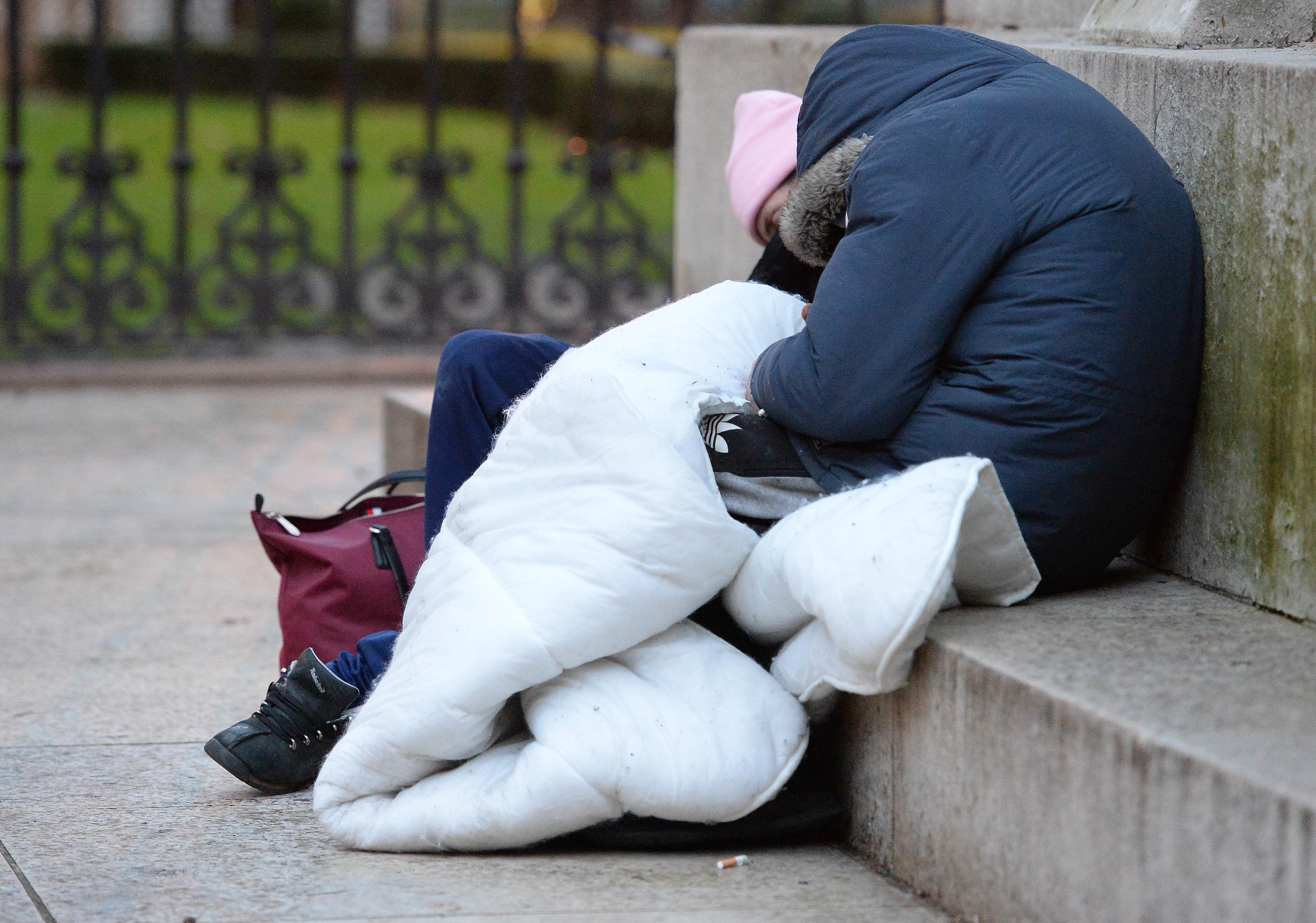
“The supported accommodation provider would not accept the client in question without medical evidence of his health needs, which we were not able to get in time for his eviction date,” she says. “So he had to rough sleep for two days. He was staying in a park.”
Ms Claxton’s team have printed out rough sleeping guides in a number of languages that detail how refugees can keep themselves safe, where they can get hot meals and emergency medical care without a fixed address, and even how to connect with Street Link.
“This is sort of a preparatory measure for the winter where we are expecting a huge number of rough sleeping NAS leavers, within the borough. Obviously, it’s going to look different in different local areas, in terms of what they can expect.
“We are having to share information about how to book hostels, for example, at reduced rates, where to go in the event that you are rough-sleeping.
Her team was forced to pay £115 for one female refugee to go to Birmingham, where they secured emergency supported accommodation for her at short notice as her eviction from Home Office accommodation loomed large.

“Because she doesn’t have universal credit in place, we’re having to support her to take out an advance from Universal Credit, a £400 pounds, so she can cover the cost of travel and food because her UC is not in place yet.
“Once she moves up there this week, she doesn’t have any money in her bank account, and we shouldn’t have to be exploring options in other cities.
“We are having to really stretch ourselves to meet the need,” she adds. “There are a lot of costs associated with that which are really difficult to absorb for charities. We don’t have those additional funds in place, so they are being very stretched.”
Already, the Home Office has started to receive challenges against the reversion. Public Law firm Deighton, Pierce & Glynn have taken on at least 16 cases where refugees faced homelessness and at least three high court judges have separately issued orders disapplying the Home Office’s policy since the end of October.
Megan Smith, a solicitor from DPG, said: “We have now secured several urgent orders from the court requiring the Home Secretary to extend the move-on period for our clients to stop them from becoming homeless. Our clients have done all they can to secure alternative accommodation and financial stability but have not been able to do so in the short 28-day notice period for eviction given by the Home Office.
“We represent just a fraction of the people impacted by the sudden curtailment of the 56-day pilot. We continue to urge the Home Secretary to stop evicting people into street homelessness and to alleviate the pressure on already under-resourced local authorities and charities. “
The Independent has approached the Home Office and the Local Government Association for comment.