

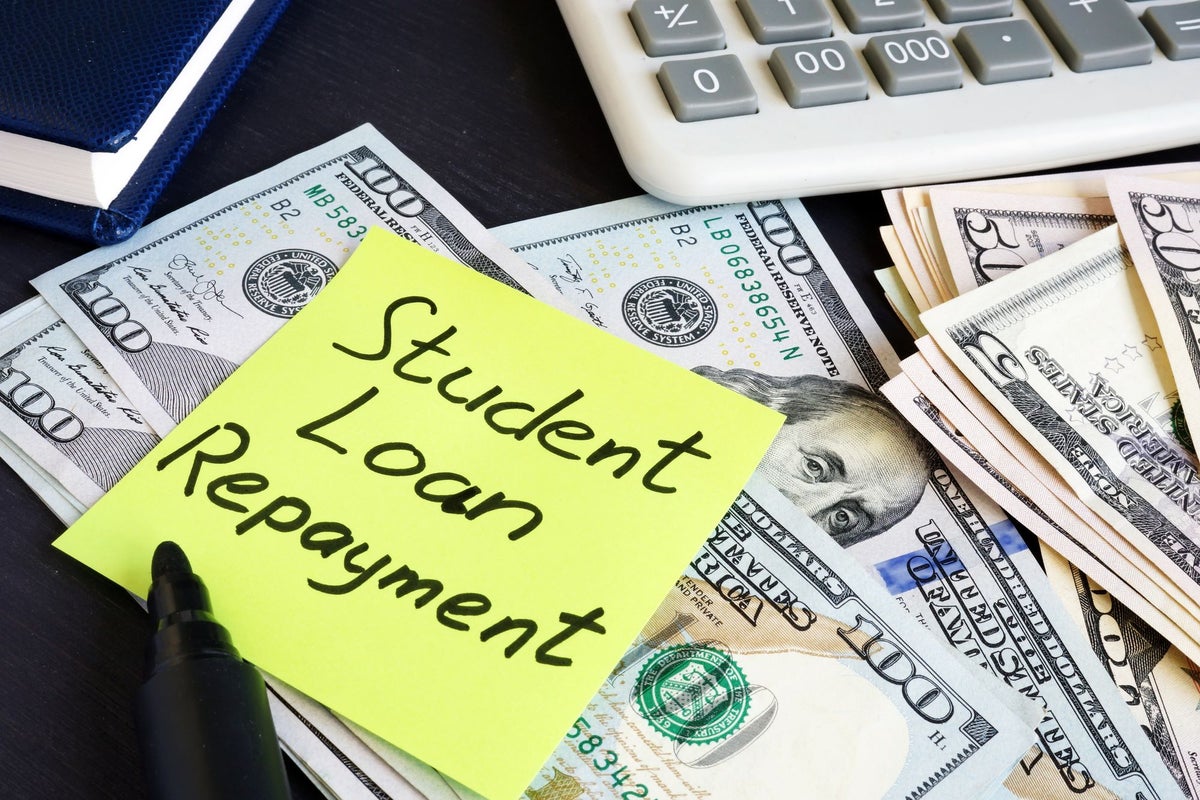
However clever a student may be, they cannot predict the distant future, and are as vulnerable as anyone else to what is broadly termed “mis-selling”. For precisely those reasons, there is no doubt that at least a certain cohort who graduated in the 2010s, after tuition fees were trebled, were indeed misled about the financial burden they would ultimately face.
They could not be expected to know that, one day, a government would make the terms under which they had taken on these notional but heavy-debt obligations much harsher. The indications they were given about repayments were plainly far too rosy, and they were offered no choice in the matter – the government was the primary provider of tuition fee loans.
As it happens, this cohort’s graduation more or less coincided with the beginning of a long period of relative stagnation in earnings, yet more inflation in housing costs, and, more recently, an increase in general personal taxation. They are right to be angry about what has been done to them by successive governments of all parties.
But there are signs that they are now older, wiser and angrier, and are starting to mobilise and make their case for some form of relief. They are entirely right to do so.
There can be few who are undaunted by the prospect of leaving college with debts running into the tens of thousands of pounds – sums compounded, literally, by a usurious interest rate, presently set at 3 per cent, plus the rise in the retail prices index. On the latest count, this makes the interest rate rather higher even than it would be based on the consumer prices index: roughly 7.2 per cent.
This is an outrage. Setting aside promotions and bonuses, it outpaces increases in salaries, meaning that the debt in real terms, and in relation to income, becomes less and less manageable – implying an additional income tax rate of 9 per cent. For higher earners, taking account of other anomalies in the tax system, it can represent a marginal tax rate of 77 per cent, badly distorting incentives to work.
The freeze in the thresholds at which repayments kick in means that a graduate earning little more than the minimum wage will also be whacked with a morale-destroying tax hike. The irony is that the repayments can be set so high that, in some cases, they can never be paid back and have to be written off, rendering the whole process pointless. It is not even possible for a graduate to refinance their loan, as they might a mortgage or an overdraft.
All in all, it is an absurd, unsustainable and immoral state of affairs. But neither is there an easy answer to the scandal, because it will be costly to correct.
Even if, for example, the entire system were abolished for new graduates – whose parents and grandparents broadly escaped student debt – that would still leave a sort of accursed generation in their twenties and thirties who had been penalised by an accident of birthdate. The system as a whole needs to be reformed, but in a manner that recognises that the universities themselves, which are coming under intense financial pressure, must be protected.
There is good reason to make them more efficient, and to ensure that the pay, pensions and conditions offered to staff and management in higher education are affordable and fair to taxpayers – and, indeed, graduates. Britain has some of the finest universities in the world, but even the most modest of the former polytechnics can provide brilliant teaching and a life-enhancing experience – and boost the nation’s human capital just as surely as a degree in literae humaniores from Oxford.
Every university in the country is a formidable export-earner and an asset to its community. Overseas students bring in income and spend money, and they should not be treated as immigrants in the normal sense of the word; restricting their visas is an extremely shortsighted move. In many a run-down town, the university is a rare source of well-paid jobs and pride.
This is a long story of great betrayals. The student loans system should never have been introduced, given that graduates usually earn more, repaying society in enhanced output and adding to the economic growth that the whole country needs in order to sustain living standards and public services.
Thus, graduates pay more tax in any case – and if they don’t, questions need to be asked about the degrees being offered. When the Blair administration brought in student loans to partially cover tuition fees, they were capped at £1,000 a year. Since then, students find themselves funding more and more of the higher-education budget, and it is beginning to blight both their lives and the sector, and thus the national economy.
Higher education is one of the few areas in which the UK enjoys an international comparative advantage. These institutions, and their students, should be cherished, not exploited.
.jpg?width=1200&height=800&crop=1200:800 "Cheese products recalled ‘under protest’ as FDA investigates E coli outbreak – UK Times")