Israel’s foreign minister has called on Jews living in Western countries to move to Israel, saying Jewish communities worldwide are no longer safe, days after 15 people were killed in an attack on a Hanukkah celebration in Sydney.
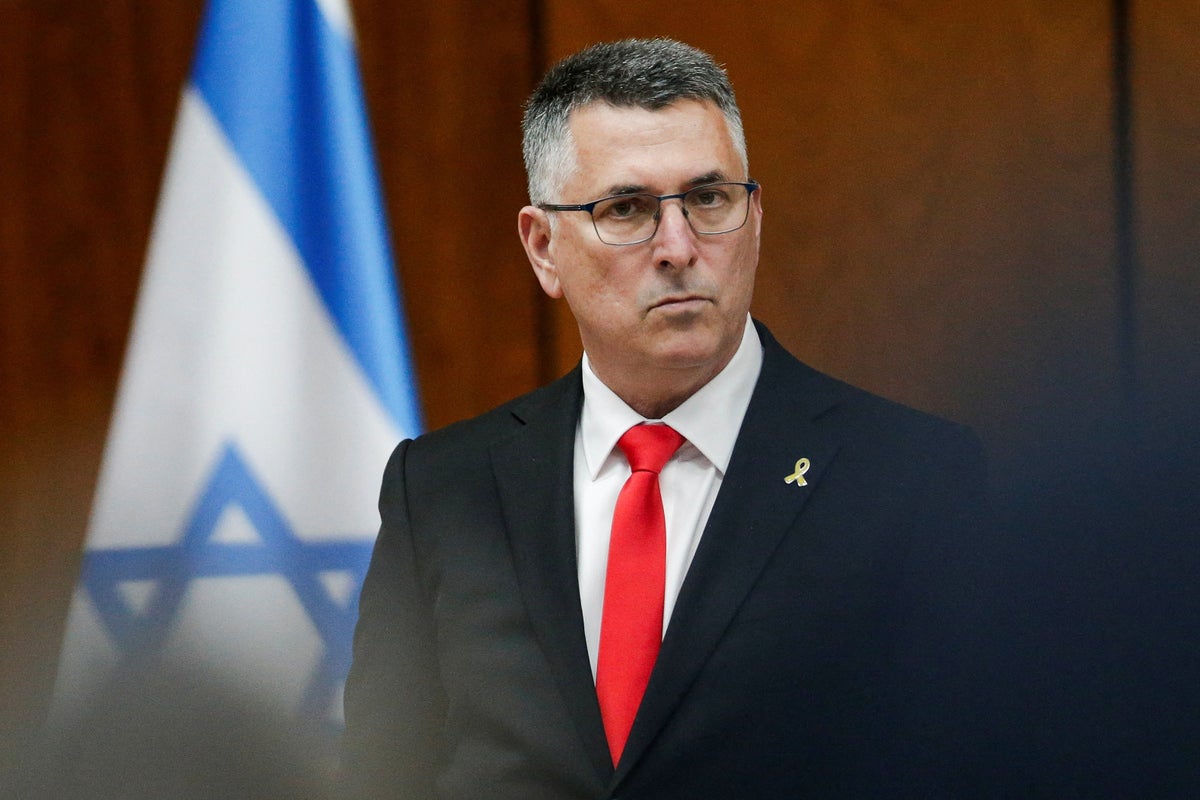
Speaking at a candle-lighting ceremony marking the final day of Hanukkah, Gideon Saar said antisemitism had reached a point where Jews were being targeted across multiple countries.
“Jews have the right to live in safety everywhere. But we see and fully understand what is happening, and we have a certain historical experience,” he said. “Today, Jews are being hunted across the world.”
Addressing Jewish communities in specific countries by name, Mr Saar added: “Today I call on Jews in England, Jews in France, Jews in Australia, Jews in Canada, Jews in Belgium: come to the Land of Israel! Come home!”
The remarks came one week after gunmen opened fire at a Jewish festival on Sydney’s Bondi Beach, killing 15 people aged between 10 and 87 and injuring dozens more.
Australian authorities have said the 14 December attack was inspired by the ideology of the jihadist group Isis.
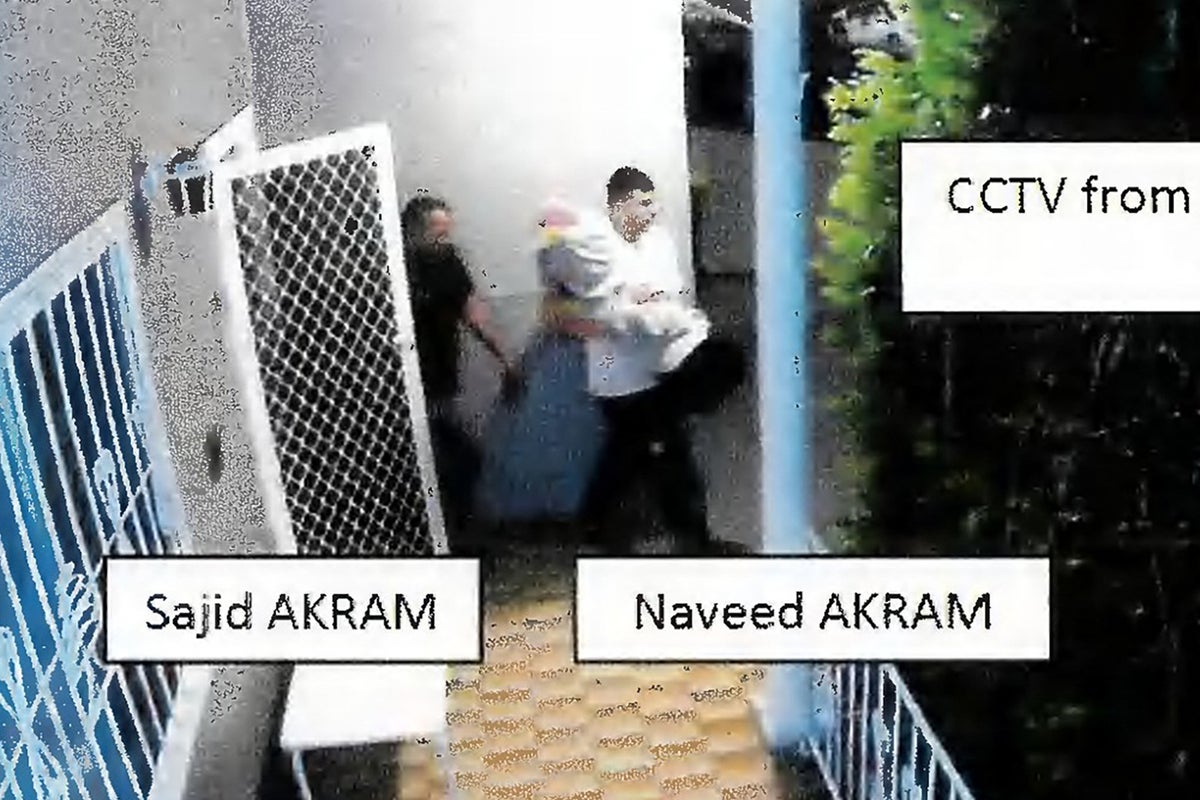
One suspect, Naveed Akram, 24, has been charged with 15 counts of murder and 40 counts of causing harm with intent to murder. His father, Sajid Akram, was shot dead by police at the scene.
Mr Saar said Israelis were “waiting for you here with open arms, with love, in the true home of the Jewish people”, urging families to leave countries he said had failed to contain antisemitism. “Why raise your children in this atmosphere?” he said. “The time has come.”
Israeli leaders have repeatedly linked the rise in antisemitic attacks overseas to the war in Gaza, which began after Hamas carried out an unprecedented assault on Israel on 7 October 2023. On Tuesday, Israel’s prime minister, Benjamin Netanyahu, urged Western governments to do more to protect Jewish citizens.
“I demand that Western governments do what is necessary to fight antisemitism and provide the required safety and security for Jewish communities worldwide,” Mr Netanyahu said in a video address.
In October, Mr Saar accused British authorities of failing to act against what he called a “toxic wave of antisemitism” after an attack outside a synagogue in Manchester on Yom Kippur, the holiest day in the Jewish calendar, in which two people were killed and four injured.
Under Israel’s 1950 Law of Return, any Jewish person worldwide has the right to immigrate to Israel – a process known as aliyah, meaning “ascent” in Hebrew – and receive citizenship. The law also extends to individuals with at least one Jewish grandparent, a provision introduced to reflect Nazi-era racial laws that targeted people beyond practising Jews.
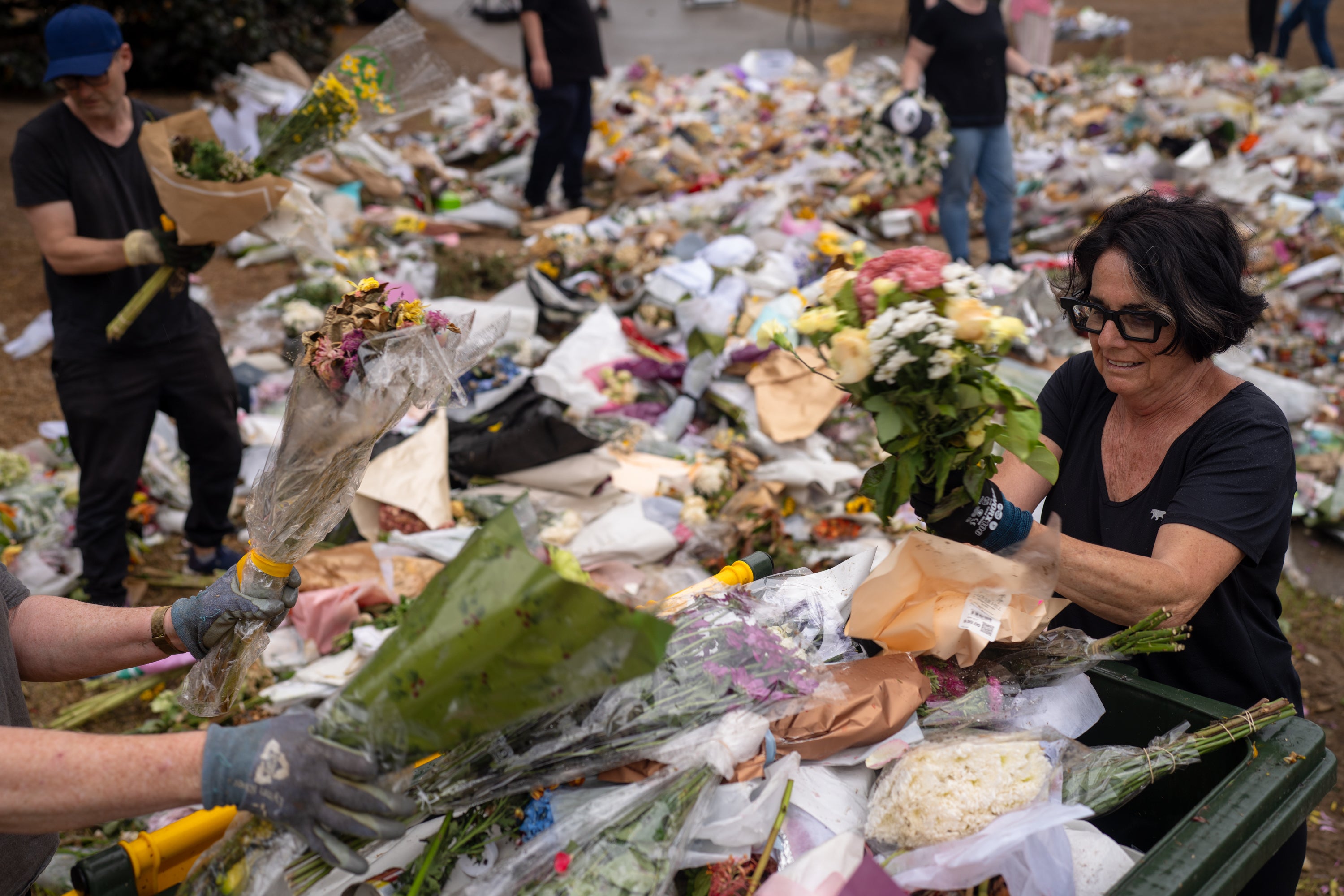
In Australia, the Bondi massacre has triggered nationwide mourning and political fallout. More than 10,000 people gathered under heavy police security at Bondi Beach on Sunday evening to mark a week since the attack. Prime minister Anthony Albanese, former prime ministers John Howard and Scott Morrison, and governor-general Sam Mostyn attended the commemoration.
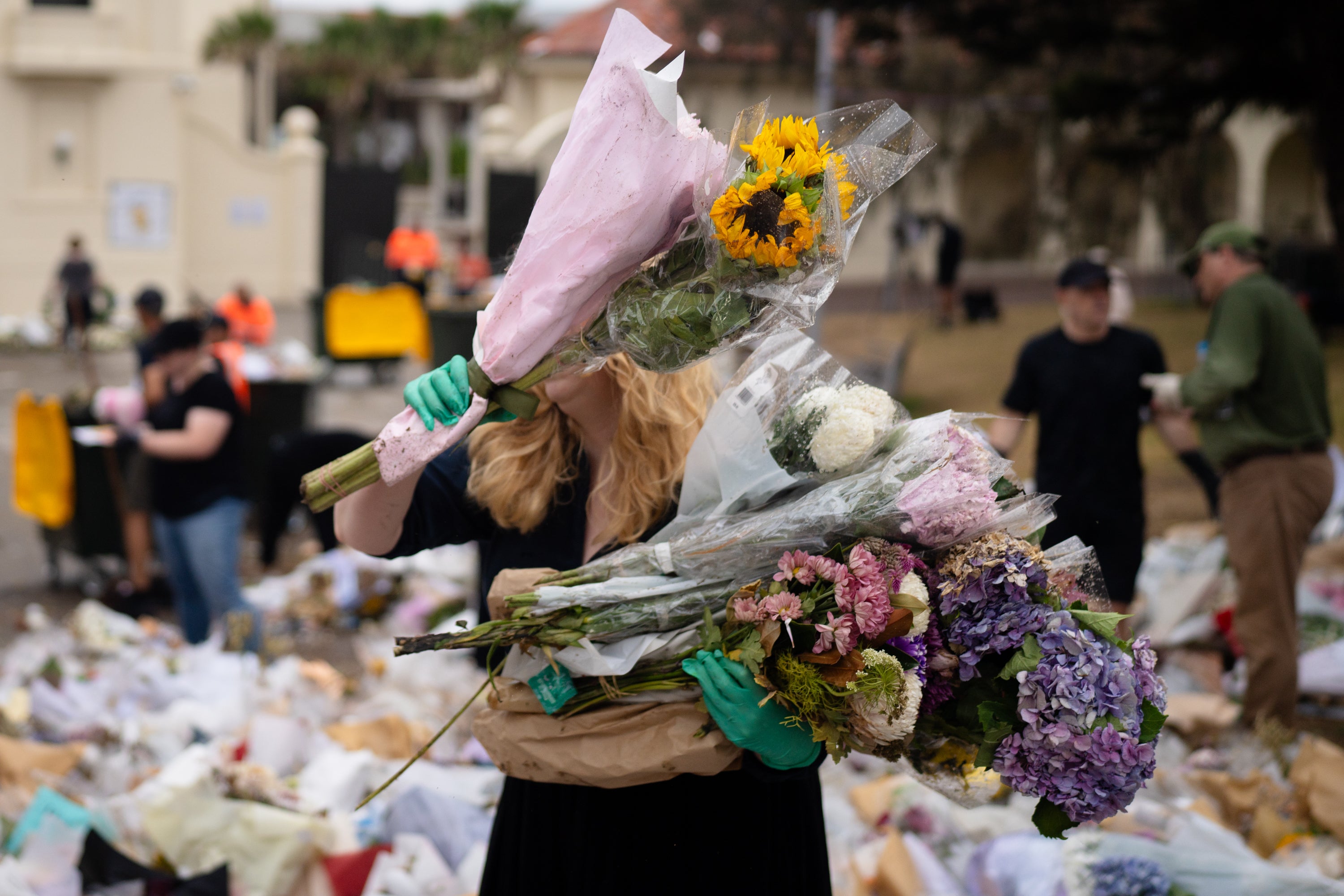
“This has to be the nadir of antisemitism in our country,” said David Ossip, president of the New South Wales Jewish Board of Deputies. “This has to be the moment when light starts to eclipse the darkness.” Mr Albanese was booed when Mr Ossip acknowledged his presence, while opposition leader Sussan Ley was cheered.
Mr Netanyahu has sharply criticised Mr Albanese, saying Australia’s recognition of a Palestinian state earlier this year “pours fuel on the antisemitic fire”.
Senior figures in Israel have sought to link calls for Palestinian statehood and criticism of Israel’s military campaign in Gaza with rising antisemitism globally.
Australia formally recognised Palestine in September, following similar moves by the UK and Canada, as part of long-standing bipartisan support for a two-state solution.
The issue has become increasingly contentious domestically. Bridget McKenzie, deputy leader of the Nationals, accused the Albanese government of having “failed Jewish Australians” and claimed recognition of Palestine had contributed to rising antisemitism, arguing that “to hate Israel is to hate Jews”.
Sunday’s commemoration featured tributes to the victims, with images projected onto large screens and the song Waltzing Matilda sung in honour of the youngest child killed.
Ahmed al Ahmed, a Syrian-born immigrant hailed as a hero for disarming one of the attackers before being shot, sent a message from his hospital bed. “The Lord is close to the broken-hearted. Today I stand with you, my brothers and sisters,” he wrote. His father, Mohamed Fateh al Ahmed, was invited to light a candle on the menorah.
Australia observed a national Day of Reflection, with flags flying at half-mast and government buildings illuminated in yellow. At 6.47pm, the moment the shooting began, people across the country observed a minute’s silence. Television and radio broadcasts also paused.
The federal government has announced a review of law enforcement and intelligence responses, while state and national leaders have pledged to tighten already strict gun laws. Sajid Akram legally owned six firearms, including the weapons used in the attack. The New South Wales parliament was reconvened on Monday for a two-day debate on new hate speech and gun legislation.
Alex Ryvchin, co-chief executive of the Executive Council of Australian Jewry, said families of the victims felt “tragically, unforgivably let down” by what he described as government failures to curb antisemitism since the Gaza war began.
The Bondi attack was the deadliest mass shooting in Australia since 35 people were killed in Port Arthur, Tasmania, in 1996 – an event that led to sweeping national gun reforms.