It is not an exaggeration to say the last few days in the Middle East have marked a paradigm shift for the region and, frankly, the world.
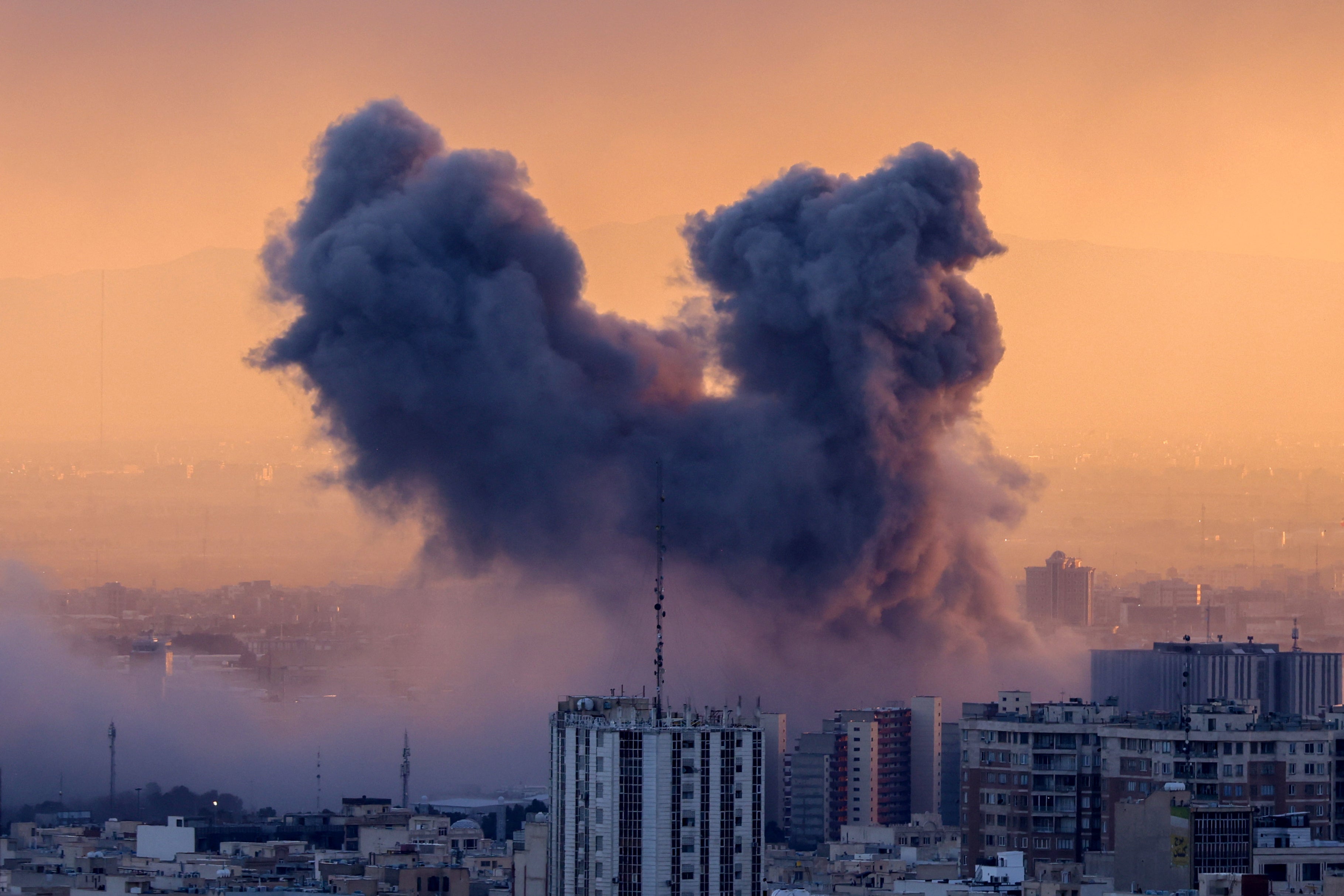
The US and Israel killing the Supreme Leader of Iran, Ali Khamenei – once unthinkable – became just another of a slew of decapitations in their unprecedented joint operation on Iran, which has killed hundreds in the country, including children.
The offensive has hollowed out the brutal military leadership and its affiliates across the region.
Even the building that houses Iran’s Assembly of Experts, which right now is attempting to choose a leader to replace Khamenei, was reportedly flattened by an air attack in the last few days.
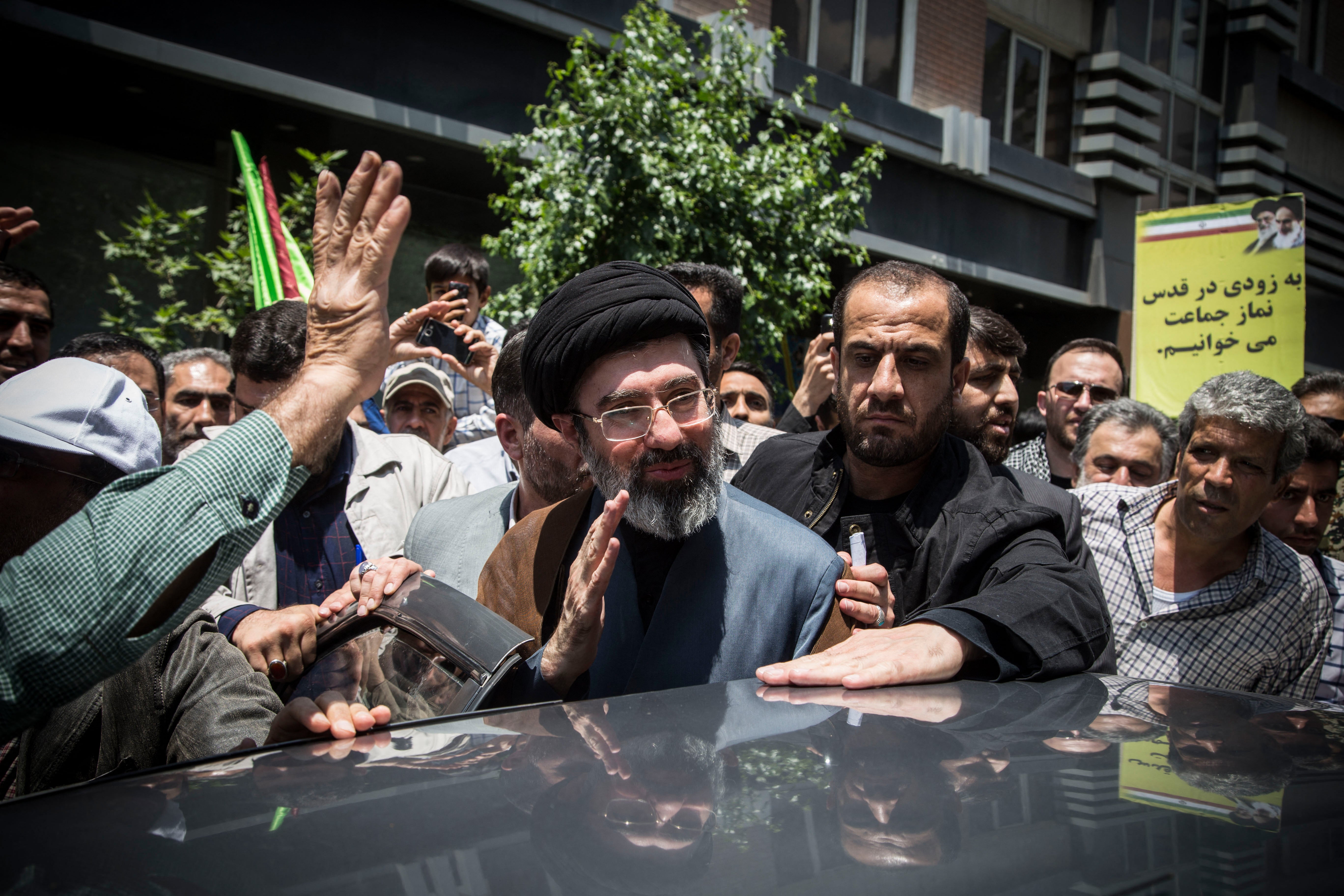
Khamenei’s second and most beloved son, Mojtaba, 56, is the favourite in the running as successor. But what difference would it make if Israel follows through with its threat to assassinate whoever is picked to take over?
Instead, Donald Trump has been quick to urge Iranians, who have nowhere to hide under this unprecedented bombardment and are still recovering from a bloody state crackdown on protests, to leverage what he called the only chance “in generations” to “take over your government”.
Yet despite the gravity of a call like that: the US and Israel’s timeline for their operation in Iran, their actual endgame and, crucially, their vision of “the day after”, remain unclear. Or possibly, as some claim, it is almost deliberately non-existent.
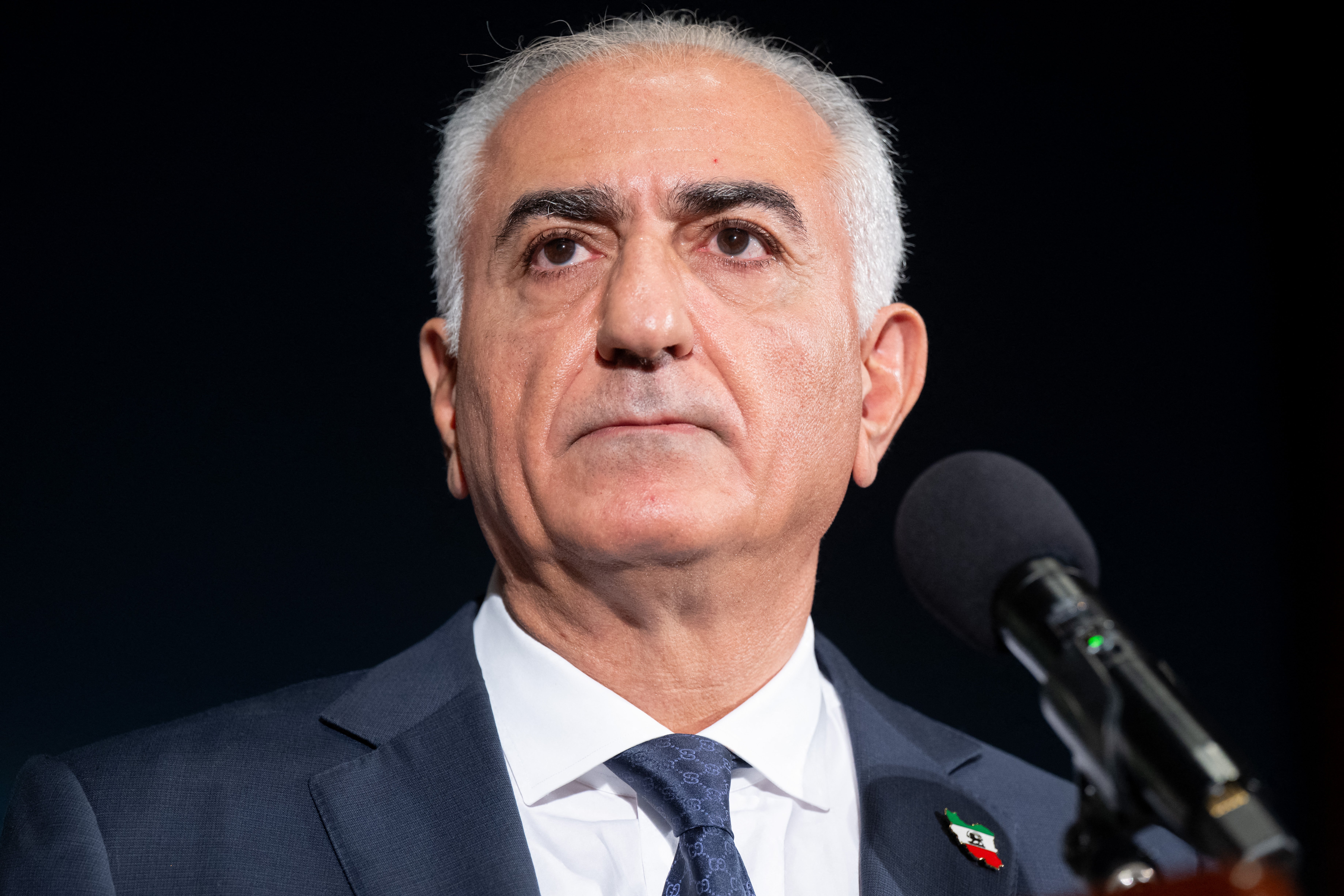
Eagerly waiting in the wings is Reza Pahlavi, 65, the exiled son of the last Shah, deposed during the 1979 uprising that ushered in the Islamic Republic.
A year later, Pahlavi declared himself Shah in a bizarre coronation-in-exile in the Egyptian capital, but has since distanced himself from the notion of a return to Iran’s Peacock Throne.
Based in the US, he has instead tried to position himself as the imminent transitional leader of a new post-theocratic Iran, releasing stirring statements promising Iranians he would return soon. He is receiving some support inside and outside Iran.
But as retired American-Lebanese Colonel Abbas Dahouk, who served as a military adviser to the State Department and twice as US defence attaché to Saudi Arabia, puts it, for the US the Shah is not even a Plan B.
“He is maybe Plan D,” he adds.
“The US remembers we tried that, bringing people from the outside like [Ahmed] Chalabi and [Nour al] Maliki in Iraq — that doesn’t work,” he said. “We’re still paying the price today.”
Inside Iran some of the only armed opposition forces within the country, like the Kurds, vehemently oppose the return of the monarchy, which they accuse of marginalising and repressing Iran’s minorities when in power.
Armed Kurdish separatists have told me meanwhile they are plans for a possible offensive against the regime in the coming days, with some reports even suggesting this might be supported by the CIA.
A former prince-in-exile is unlikely to stand much of a chance if he cannot win over the few armed factions who are on the ground taking action.
This leads to another point. There is no way for the US to completely win the war by remote airstrikes alone, Colonel Dahouk says.
“We have the war machine to win the battlefield, but the missing piece is the ideological war. How do we sell ourselves versus Khamenei, and the Islamic regime mentality?
“Hearts and minds — we’re not good at it. We tried it in Afghanistan for 20 years. We tried it in Iraq, and it hasn’t worked.”
Transition is something worrying those in Israel. For all of Netanyahu’s rhetoric, there is an acknowledgement from Israeli sources I have spoken to that they know actual, proper regime change – a full transition to something entirely new and better – would require months, if not longer, and likely boots on the ground.
Netanyahu, who is staring down an election in October, has right now the support of his nation as he makes the most of Israel standing “shoulder to shoulder” with his closest ally, the US.
But patience from the population will run out as the death toll in Israel from Iran’s bombardment rises.
One source quipped that Israel waged its most devastating ground invasion and siege on Gaza for two years and yet “there is still no real plan for the day after”.
Iran has a population of over 90 million, stores of sophisticated ballistic missiles and drones, and a steel spine in the Islamic Revolutionary Guard Corps (IRGC) that any would-be regime changers would have to contend with.
The Supreme National Security Council, a largely military-dominated body headed by powerful ex-IRGC officer Ali Larijani, has also effectively been running Iran since the US’s last bombing campaign of Iran in June.
Some think Netanyahu actually just wants chaos not regime change.
That said, the military and political infrastructure of Iran’s regime have been gutted. The regional network of proxies that Khamenei built up for so long, do not seem able to Iran’s rescue either.
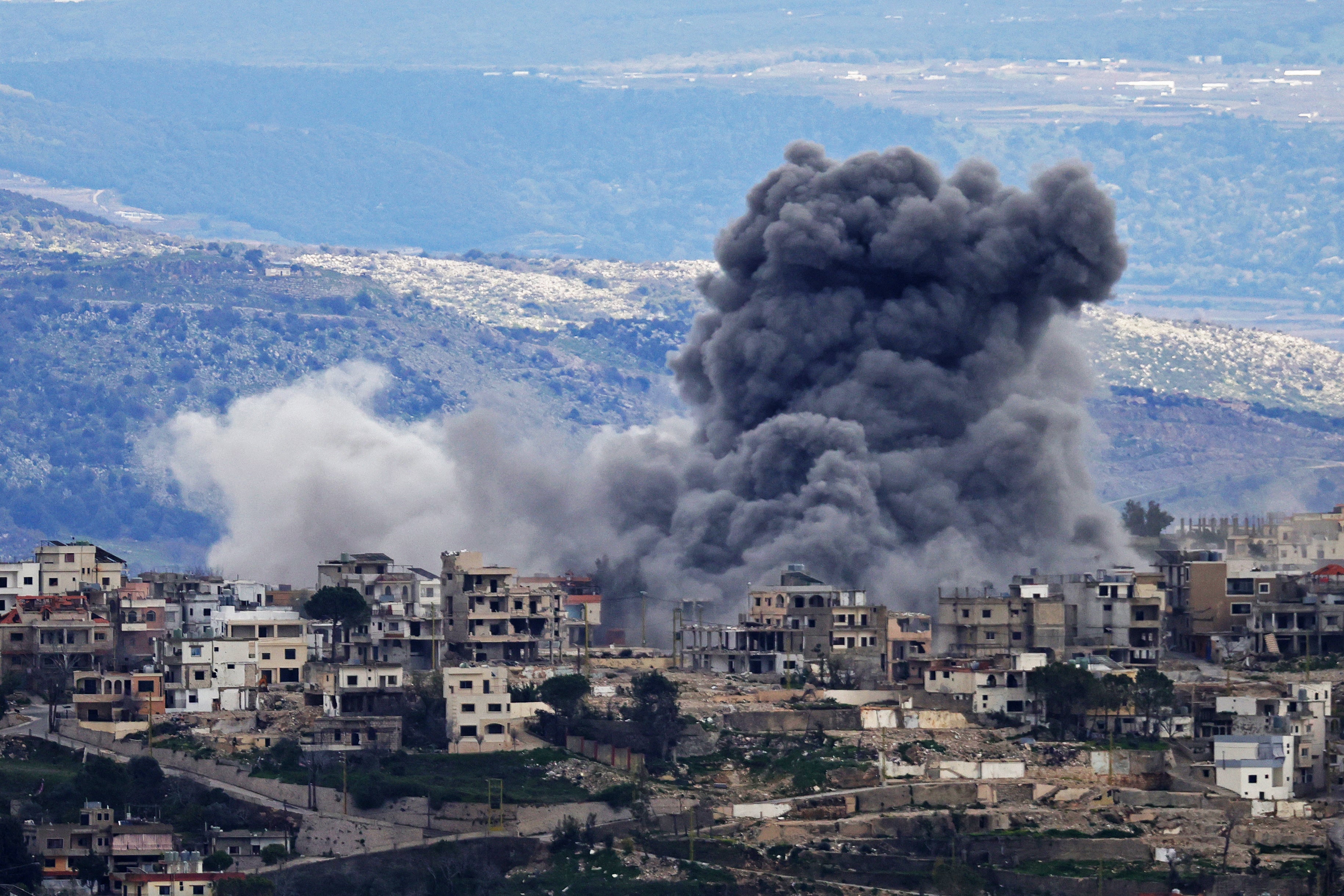
In the case of Hezbollah, the militant group in Lebanon, which has taken a massive beating from Israel since 2024, it is paying the price for its recent revenge attacks following Khamenei’s killing.
Israel has unleashed fireballs across Lebanon in recent days. Elsewhere, in places like Iraq and Yemen, the response has been deafeningly muted.
“That means [the Iranian regime] has no friends any more, and that probably forces them to -not surrender – but discuss, to capitulate,” Dahouk adds.
This is what Arash Azizi, a prominent Iranian-American historian and author, thinks is probable. The departure of Khamenei will likely “lead to the abandoning of his core policies in the short to medium term”.
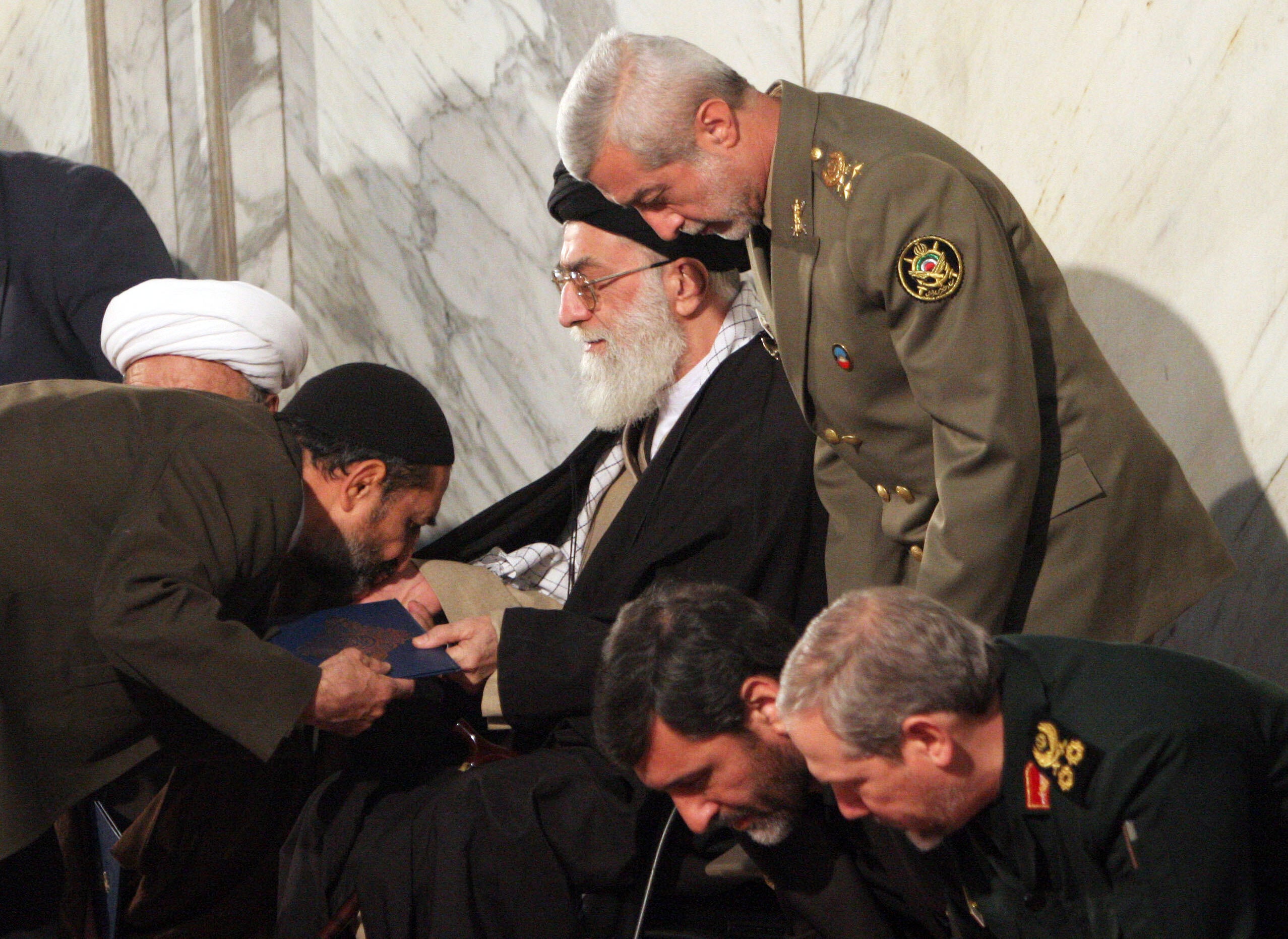
“That means abandoning stringent and ideological anti-Americanism and anti-Israelism. Whoever comes out on top in Tehran now will have to consider recalibrating to ensure survival,” he continues.
Sources close to the current speaker of the Iranian parliament, Mohammad Bagher Ghalibaf, 64, a former Revolutionary Guard commander, have told Azizi that the loud rhetoric against the US “will change” in the coming months because resources are so depleted and there is no other way.
Azizi believes both Ghalibaf and Larijani, could together “bring the Guards along with them on a path that would lead to a new deal with the US”.
The lack of resources, the prospect of mass civil unrest and possible armed opposition from within, could mean it’s the only way.