

This article first appeared on our partner site, Independent Persian
Almost two weeks have passed since Israeli and US forces launched military operations against Iran, and the attacks on Islamic Republic positions and officials are entering a new phase.
Numerous personal accounts suggest that while Iranians are worried about the consequences of the war, many also see it as a historic opportunity to bring an end to the regime’s rule.
One reader of Independent Persian sent us this message from Tehran: “After a whole week, I finally managed to connect to the internet with great difficulty. I was hoping to get a few minutes of respite from the Islamic Republic’s depressing propaganda-filled news. I wanted to tell you that we are not afraid of war.
“We fear nothing as much as the Islamic Republic remaining in power. We fear the [current rulers] will be discarded only to be replaced by the leftovers of the same system.
“Speak up on our behalf and tell everyone that our internet has been shut off for 245 hours. Tell them that we have been turned into human shields. Tell them no evacuation orders are issued even for residents living near dangerous locations.”
The young woman adds: “Tell them that the regime is arresting ordinary people simply for sharing information about the current situation in Iran, and accusing them of collaborating with Israel.
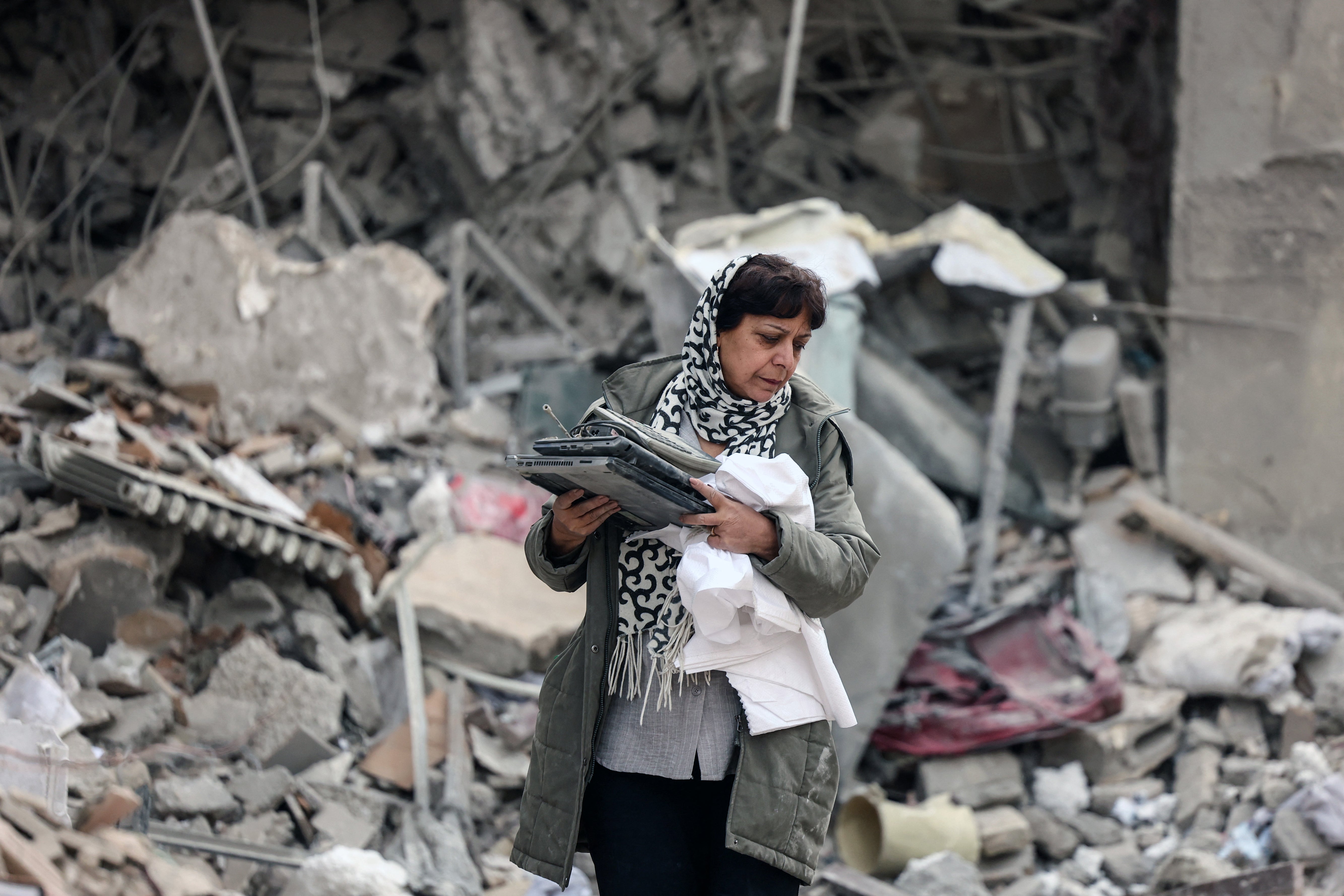
“Tell the world that we wake up every morning to threatening text messages from the intelligence ministry and the IRGC [Islamic Revolutionary Guard Corps].
“Tell them there is no safe place to take shelter, and that the only way for peace and security to return to Iran is the destruction of the Islamic Republic. If the war ends without the regime collapsing, it will lead to an even more horrific massacre.”
This account is only one of dozens of messages received from inside Iran over the past 48 hours. In these accounts, people describe the hardships of wartime, but also speak about their hope that the Islamic Republic’s rule may finally come to an end.
One message from Tehran paints a picture of daily life under wartime conditions.
The writer says that even as explosions echo and fighter jets are visible in the city’s skies, life continues: “We are still here – in the middle of Tehran, where not even a kilobyte of data can move through the internet, yet Israeli and American fighter jets calmly fly from one side of the city to the other carrying out their missions.
“The smell of burning in the air, the sound of explosions, windows shaking, sending one-word messages to our loved ones to let them know we are alive – these have become normal for us. What matters most are those innocent young people who were killed in January by the Islamic Republic’s gunfire and are no longer with us.”
Referring to expressions of concern from those outside Iran, they add: “For once, spare us your worries. Maybe in the end things will turn out well, and this bitter chapter – more bitter than poison – will finally pass.”

Nazila, a 32-year-old woman living in Tehran’s Saadat Abad district, describes how a missile struck an IRGC building near her home a few days earlier.
“The explosion was so powerful that our windows shattered,” she says. “The walls of our house cracked, and my mother was in shock for several hours.
“Despite all of that, when we realised the target was a military facility belonging to the IRGC, we felt something strange. There was fear, but also a kind of hope. It felt like, maybe this time, the end of this regime might truly be near.”
According to Nazila, many of her neighbours share the same feelings. Despite concerns about the continuation of the war, they hope the final outcome will be the end of the Islamic Republic.
Mohsen, a 40-year-old resident of Tehran’s Narmak district, says the sound of fighter jets and explosions at night has already become part of his daily routine.
“The first and second nights were very frightening,” he says. “But when we saw that most of the attacks were hitting Basij [a paramilitary group within the IRGC] bases, police stations, and military centres, our fear diminished. People say that if the regime is going to fall, we will endure this hardship.”
Mohsen adds that his greatest fear, and that of many of his friends, is that the war might end while the Islamic Republic’s system remains intact.
“If this regime survives, it will take revenge on the people,” he says. “The repression will begin again, and it may be even worse than before.”
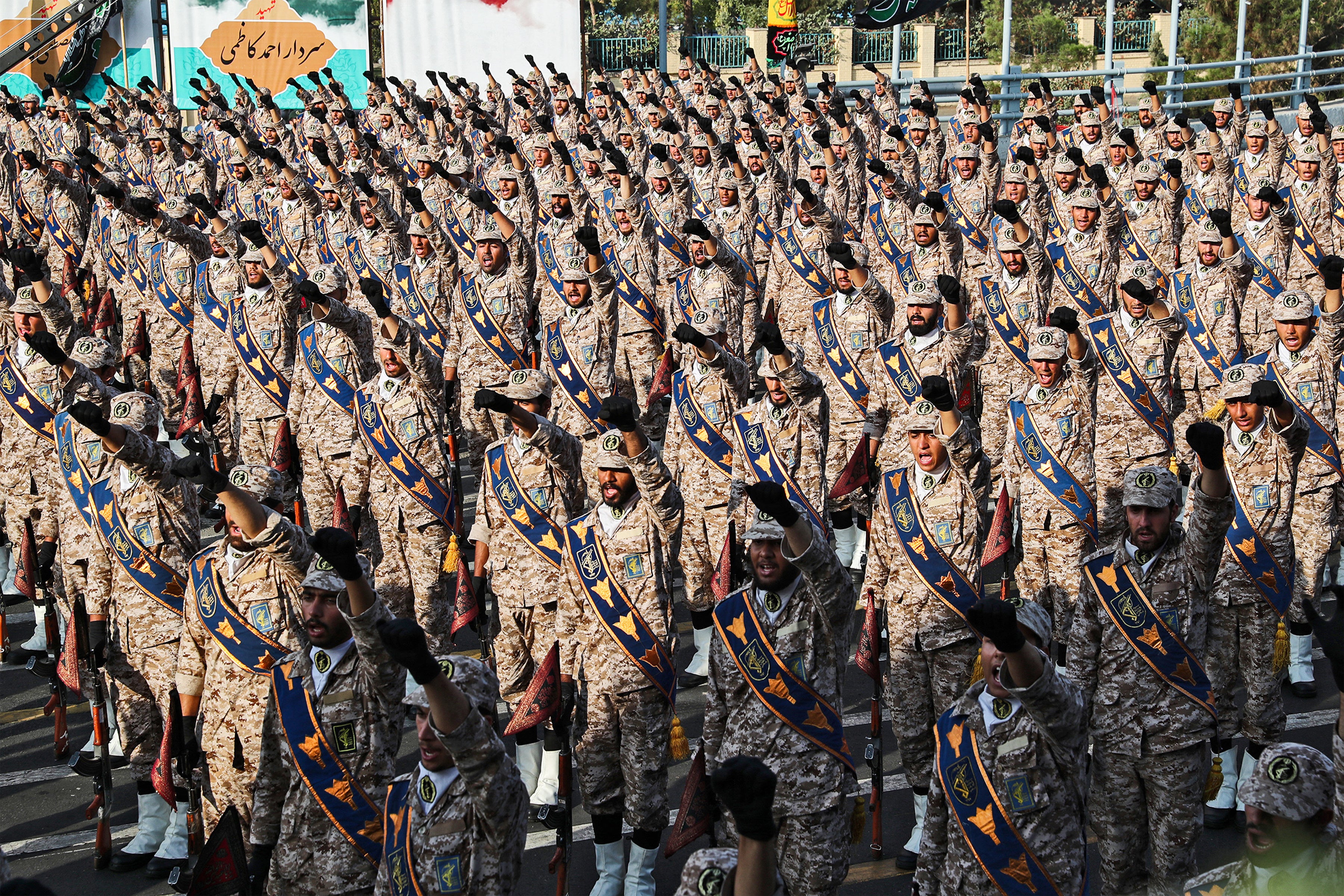
This concern is repeated in other messages sent to Independent Persian. Hamed, a young man from northern Iran, writes that after several days of internet shutdowns, he has finally been able to get online using censorship-circumvention tools.
He says his biggest fear is that “Israel and the United States might suddenly decide to end the war at this stage, while we inside Iran have already paid such a high price”.
Nikita, a 24-year-old student in Tehran, describes how, after complaining about the loud noise made by Basij forces in her neighbourhood during mourning ceremonies for Ali Khamenei, security forces began reviewing surveillance camera footage from nearby shops in an effort to identify and arrest her.
“Even the thought that we might once again be left alone with these people terrifies me,” she says.
In many of these accounts, people stress that although war and destruction are painful, they believe rebuilding the country after the Islamic Republic is gone is entirely possible.
Another Tehran resident writes in a message: “No matter how much destruction a war brings, we can rebuild afterwards. But if the Islamic Republic remains, it will keep killing thousands every year and destroy the country even further.”
According to many readers of Independent Persian, their main concern is not the war itself but a future in which the Islamic Republic remains in power.
In the latest developments in the war between Israel, the United States and the Islamic Republic, US defence secretary Pete Hegseth said in Washington that this week would bring the most intense day of attacks, and that the Islamic Republic was suffering severe defeats.
He added that over the past 24 hours, the US had seen the lowest number of missiles launched from Iran.