Iran has sentenced dozens of people to death over their alleged involvement in last month’s nationwide protests, according to Amnesty International.
The rights group told The Independent that at least 30 people are currently facing the death penalty in Iran, including at least nine people hurriedly sentenced this month, within weeks of their arrests.
At least 22 others, including two 17-year-olds, were assessed to be at risk of the death penalty and still awaiting legal proceedings that Amnesty said violated the right to a fair trial.
Nassim Papayianni, senior campaigner on Iran at Amnesty International, said the true number of people at risk could be “much higher” as the regime has been “threatening families against speaking out”.
Authorities have also denied the accused access to independent lawyers since the crackdown on anti-government demonstrations in January.
Amnesty believes that the regime, under pressure from internal dissent, is “weaponising the death penalty” in an effort “to instil fear in the population and crush the entire spirit of people demanding fundamental change,” Ms Papayianni said on Tuesday.
“They’re trying to send a clear message that this is what you might face if you also decide to protest. And by fast-tracking these trials and expediting the whole process, they’re not even attempting to pretend anymore that they have fair judicial proceedings. Even that veneer is now gone.”

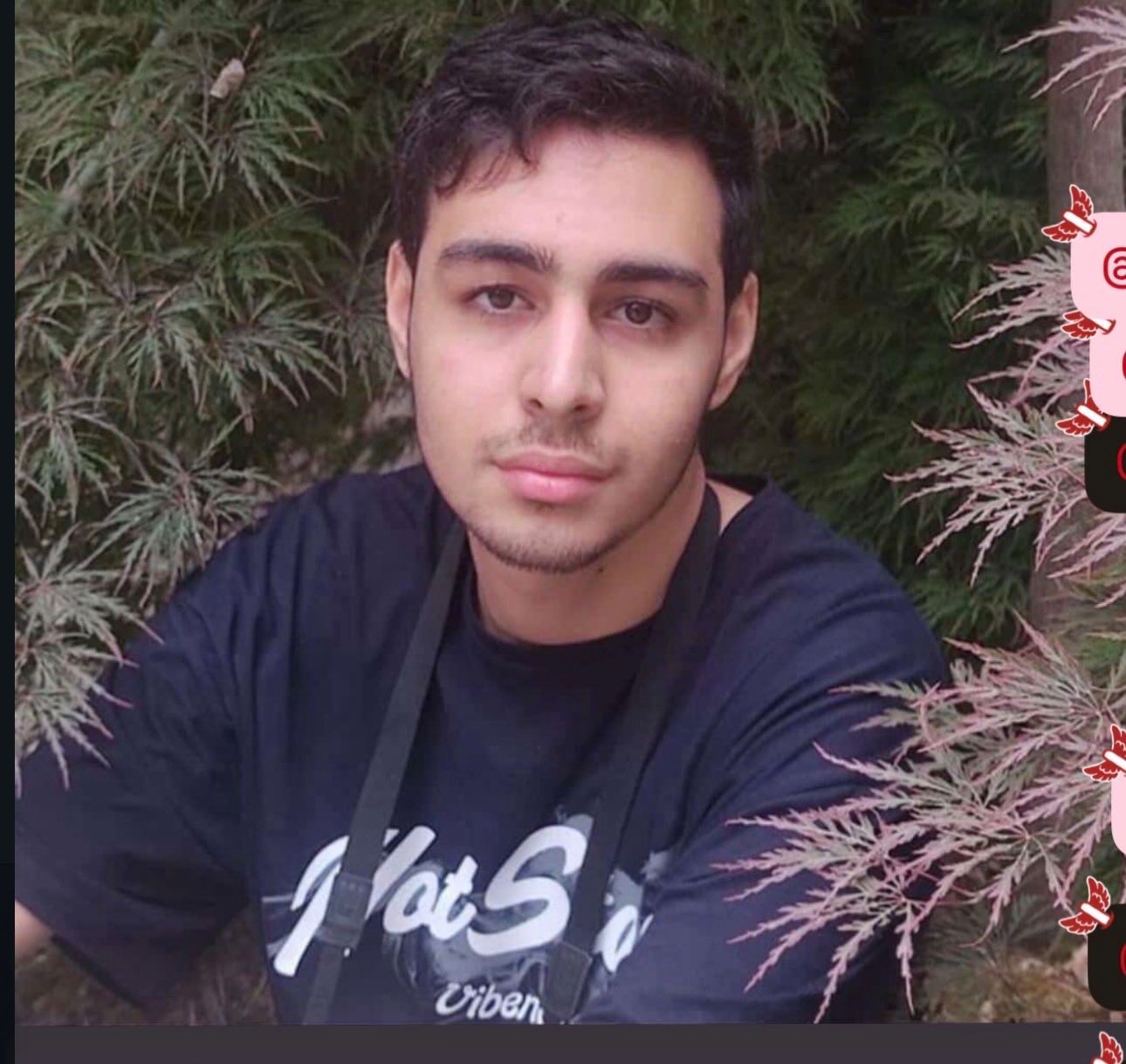
Among those sentenced to death in recent weeks was 18-year-old Saleh Mohammadi, who was arrested in January in connection with the death of a security agent in Qom, Amnesty found.
A verdict seen by the rights group showed that he retracted his “confessions” in court, saying they were extracted under torture. The court dismissed his pleas without investigation, they said. An anonymous source told Amnesty that he had sustained hand fractures as a result of beatings.
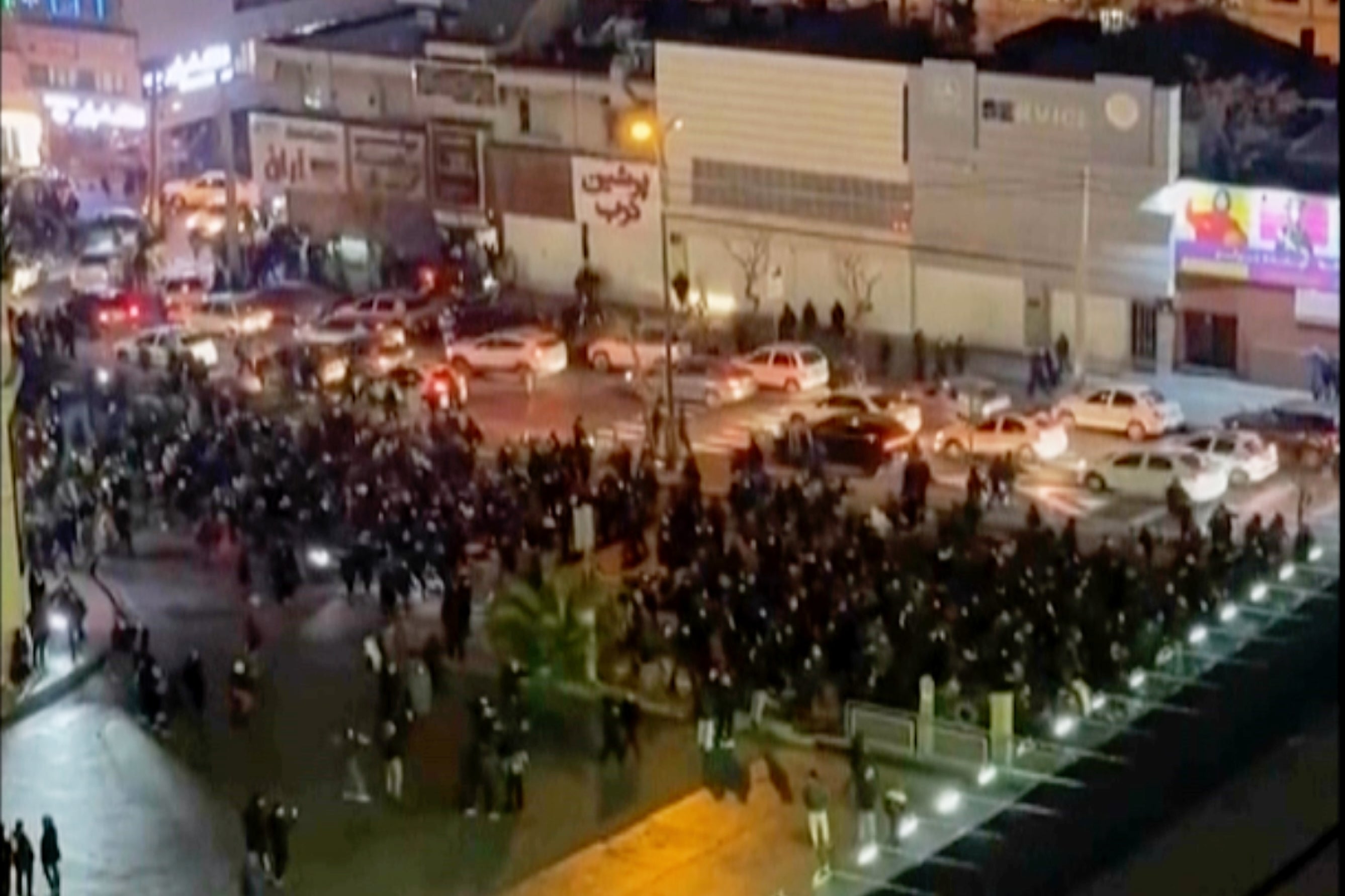
Amnesty also identified 55-year-old Mohammad Abbasi as being at risk in their report published Friday. A source close to his family told Reuters on Tuesday that an Iranian revolutionary court has since issued a death sentence.
Mr Abbasi was accused of killing a security officer, which his family denied, the source said, adding that he and his daughter – given 25 years for her role in the protests – do not have access to the lawyer they wanted. Amnesty corroborated the sentence.
Mr Abbasi is accused of “enmity against God”, believed to be the first such sentence linked to the demonstrations last month. The source told Reuters that Iran’s judiciary still has not announced his sentence.
Ms Papayianni said that while the regime is seeking to deter future protests, it will be wary of pressure from the international community if it publicises its use of the death penalty. She said a similar pattern emerged after the Woman, Life, Freedom uprising from late 2022, following the death of Mahsa Amini in police custody.
“At that time, they were announcing details of court cases in state media, announcing names, and what happened. Very quickly afterwards, there was a very large global campaign taking place, calling on the authorities to halt the executions and stop the use of the death penalty on protesters. There was pressure on them to stop. And they ultimately felt that.
“What we believe they’re doing now is they’re going back to the same playbook … they’re still trying to weaponise the death penalty, but they are now trying not to let information come out about the cases,” she explained, stressing the need for coordinated international diplomatic pressure on the regime.
On 9 February, Amnesty said Mohammed Amin Biglari, 19, and six others were sentenced to death for enmity against God for allegedly setting a Basij base on fire. The rights group said Mr Biglari was forcibly disappeared for weeks before being transferred to prison, where he was allegedly denied a chosen lawyer and instead appointed one by the state.
The independent Hengaw Organisation for Human Rights reported on Monday that no confirmed information has been published on the other verdicts.
The reports come just weeks after Iran released condemned protester Erfan Soltani on bail, as US president Donald Trump threatened “very strong action” if the regime started executing protesters.
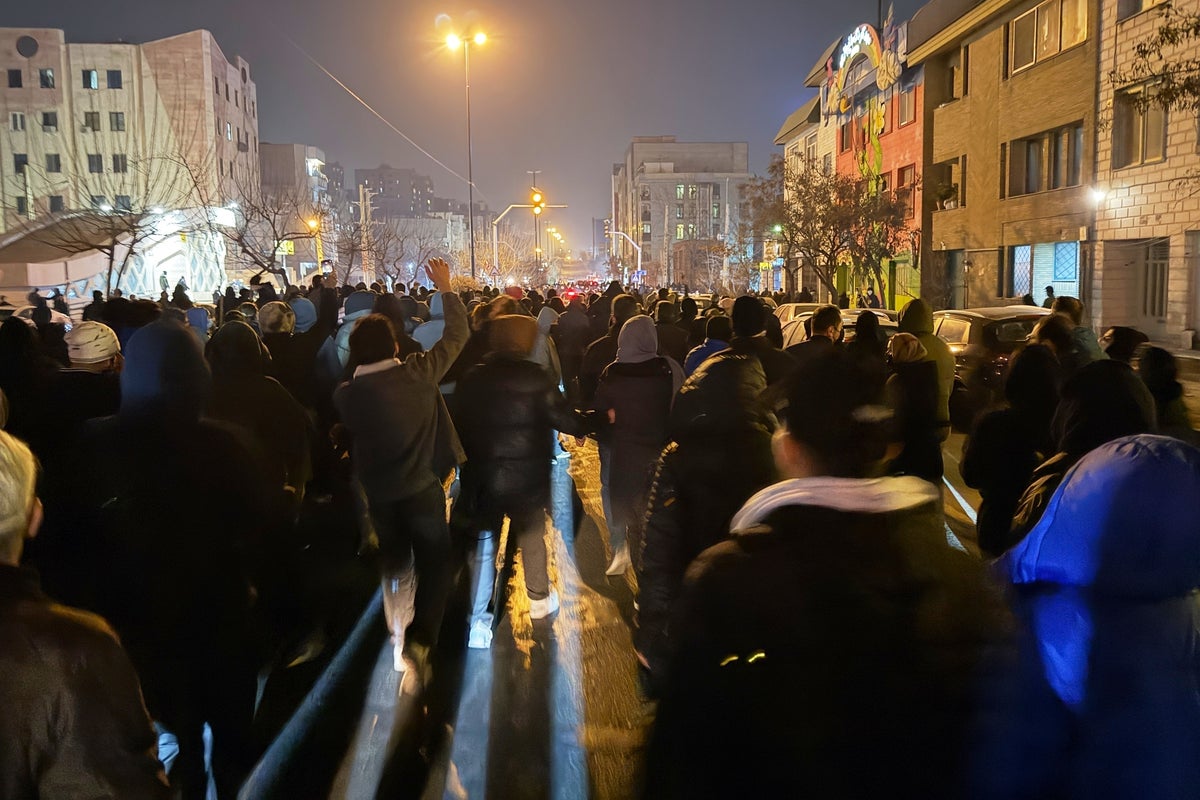
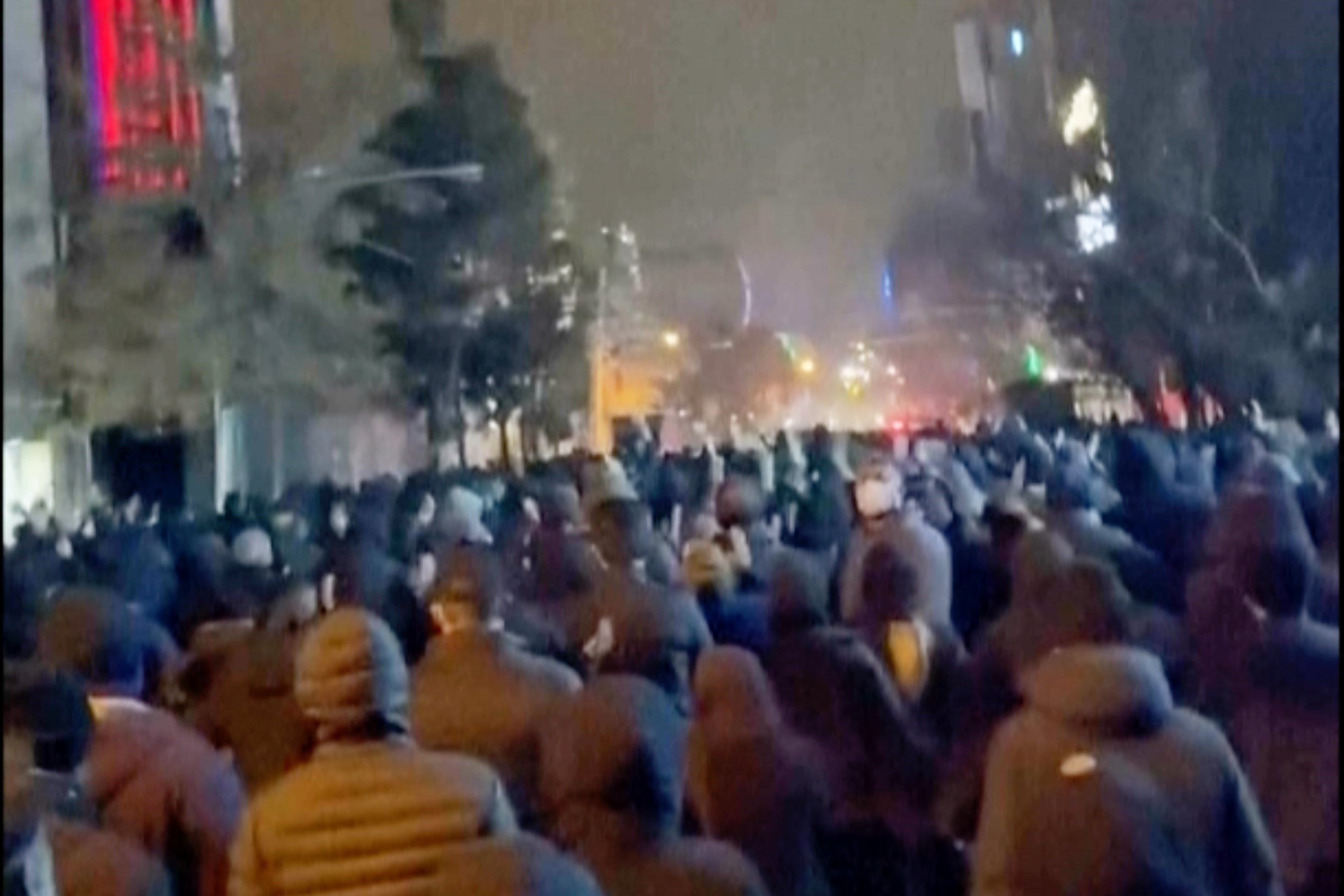
Rights groups, including both Amnesty and Hengaw, say thousands of people were killed in a crackdown on the protests, which began over economic grievances and spread across the country to become Iran’s largest since the 1979 Revolution.
Iranian lawyers told Independent Persian earlier this month that Iran appeared to be planning to execute “thousands” of people, dependent on the outcome of diplomacy with the US.
The Norwegian-based Iran Human Rights (IHR) group assessed in December that executions nationwide had doubled from 2024, up to at least 975 confirmed last year. Amnesty is yet to publish its 2025 figures, but acknowledged a rapid increase in the use of the death penalty since 2022.
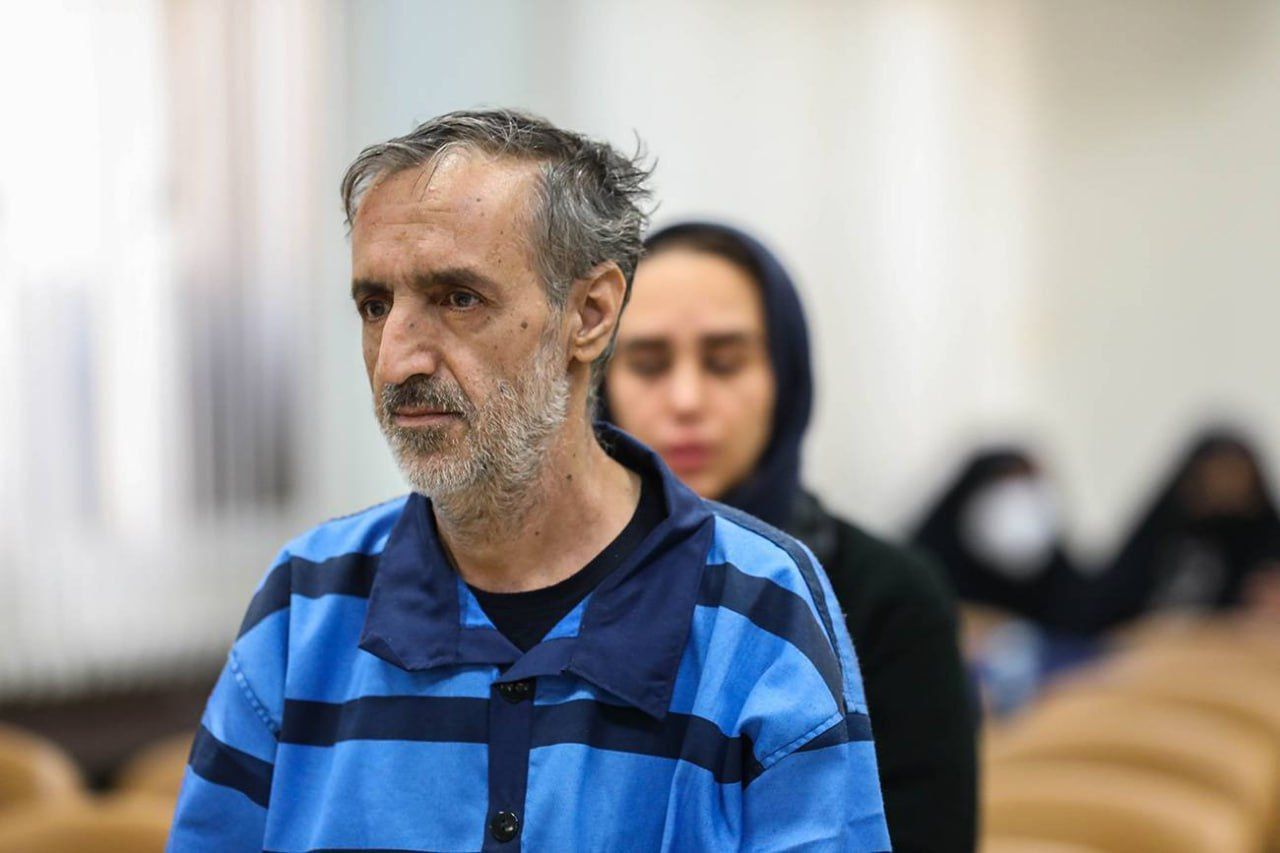
Protests over economic grievances in December grew into nationwide demonstrations in January 2026 before the regime imposed an internet blackout and cracked down on dissent.
Trump threatened Iran with force and said he would come to the aid of the public if the regime killed peaceful protesters in January. Tensions cooled as delegations met to discuss a potential nuclear deal in February.
Without a breakthrough, Trump moved US military assets to the region and threatened military action as students at several universities across Iran staged another round of protests.