

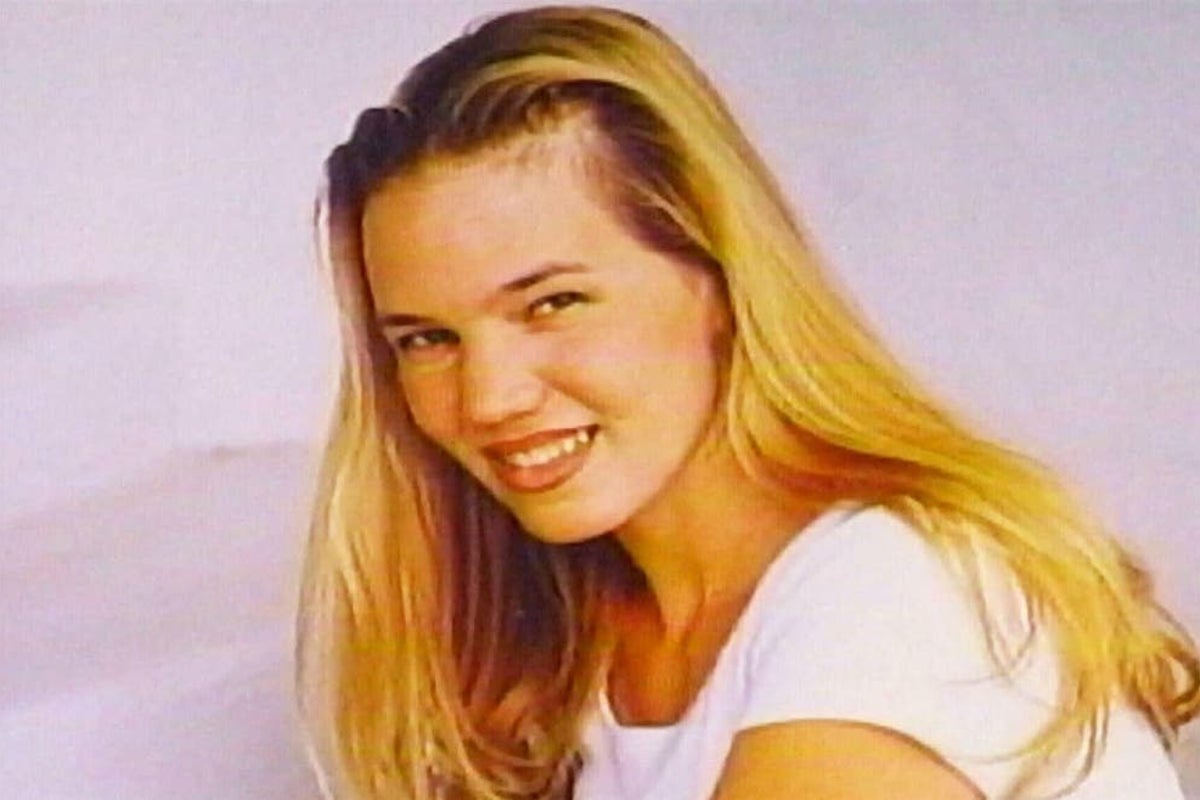
Investigators have uncovered evidence “consistent with human remains” during a search at a California home connected to the man convicted of killing Kristin Smart, a 19-year-old college student who went missing in 1996, authorities said Friday.
San Luis Obispo County Sheriff Ian Parkinson said that investigators are receiving “positive results” from soil testing conducted at the Arroyo Grande property on East Branch Street. But he emphasized that investigators have not recovered Smart’s remains.
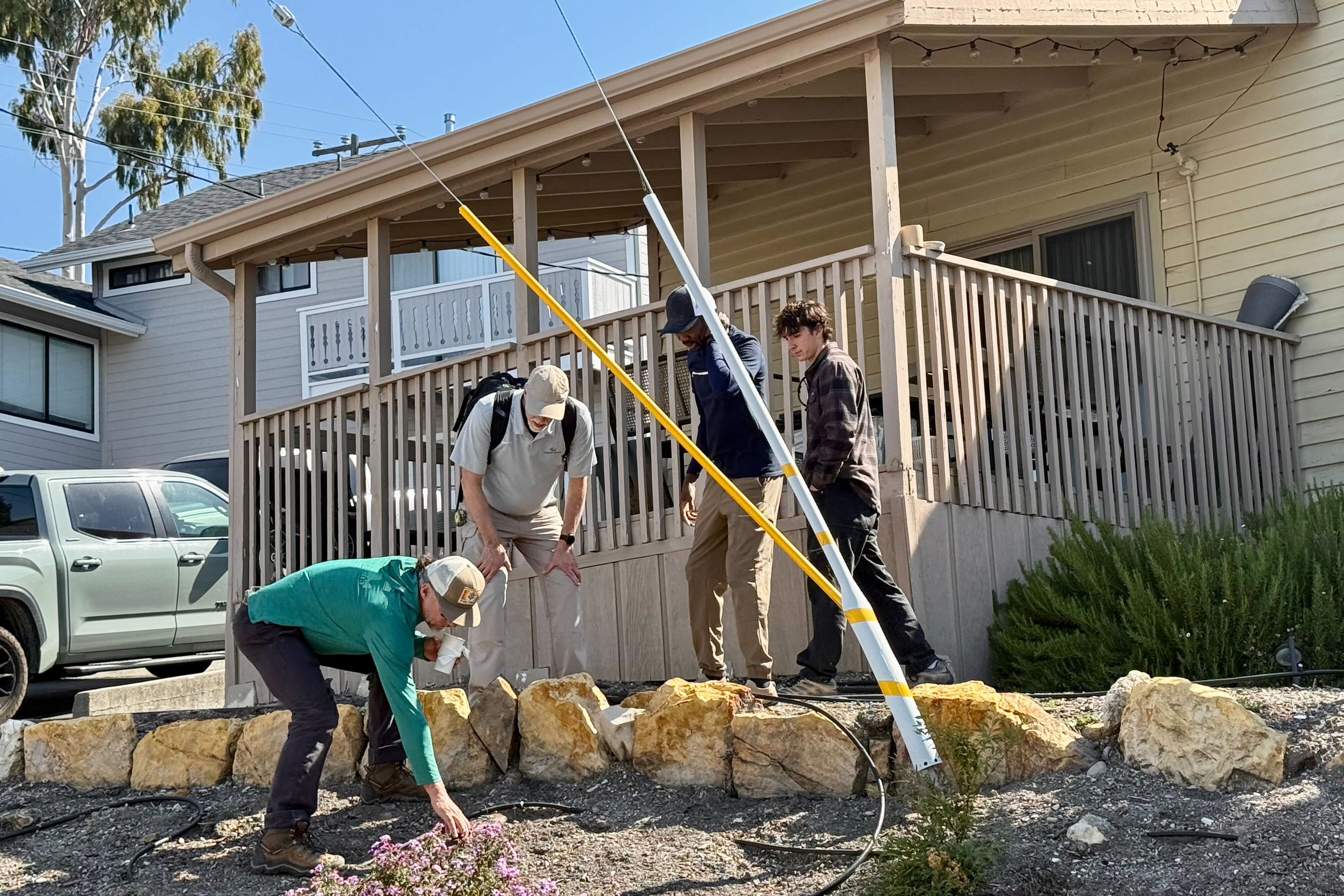
Earlier this week, the San Luis Obispo County Sheriff’s Office served a new search warrant at Susan Flores’ home, saying the operation was tied to the disappearance of the Polytechnic State University student. Flores’ son, Paul Flores, was convicted in 2022 of killing Smart.
“We believe that based on what we’re looking at evidence wise, scientific evidence, that human remains were there at one time or still there,” Parkinson said. “So we can’t call it Kristen, but you know, we think there’s evidence to support human remains. We have not recovered Kirstin yet, but the search goes on.”
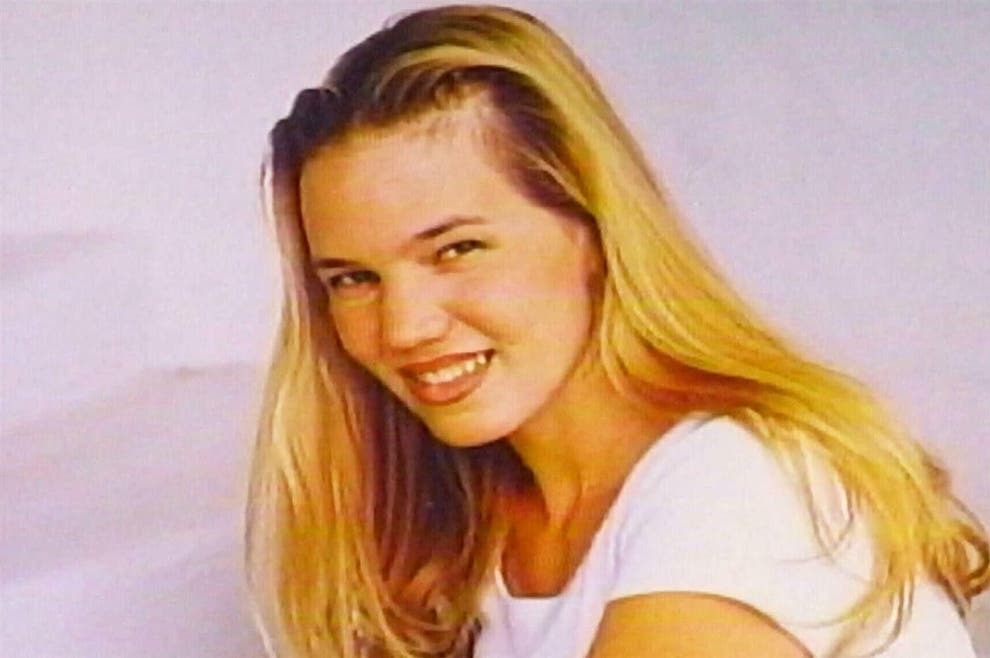
According to investigators, soil analysis indicates that “human remains” were present on the property at some point, though authorities cannot confirm whether the evidence is connected to Smart.
“I’m not going to go into the details, other than just to say with soil tests, it’s about the compounds in the soil that are related to a human, decomposing body,” he added.
Authorities said the latest search was prompted by newly developed investigative leads and evidence that met the legal threshold for another warrant nearly 30 years after Smart disappeared.
“The detectives obtained a search warrant based on investigative leads and evidence to return to the Branch Street address of Susan Flores,” Parkinson said.
He noted the property had been searched twice before without success, but said advances in technology are helping investigators revisit old evidence in new ways. Authorities are again using ground-penetrating radar at the site.
“The GPR from 30 years ago is not the GPR today,” Parkinson said. “It’s come, as you imagine, like everything advances, cell phones or computers, so does the science.”
When asked whether investigators had identified new anomalies during the search, Parkinson replied: “Yes. And we’re focused on those and identifying what they are.”
“We made the agreement internally that we are not leaving that house until we are sure that we have checked everything,” he added.
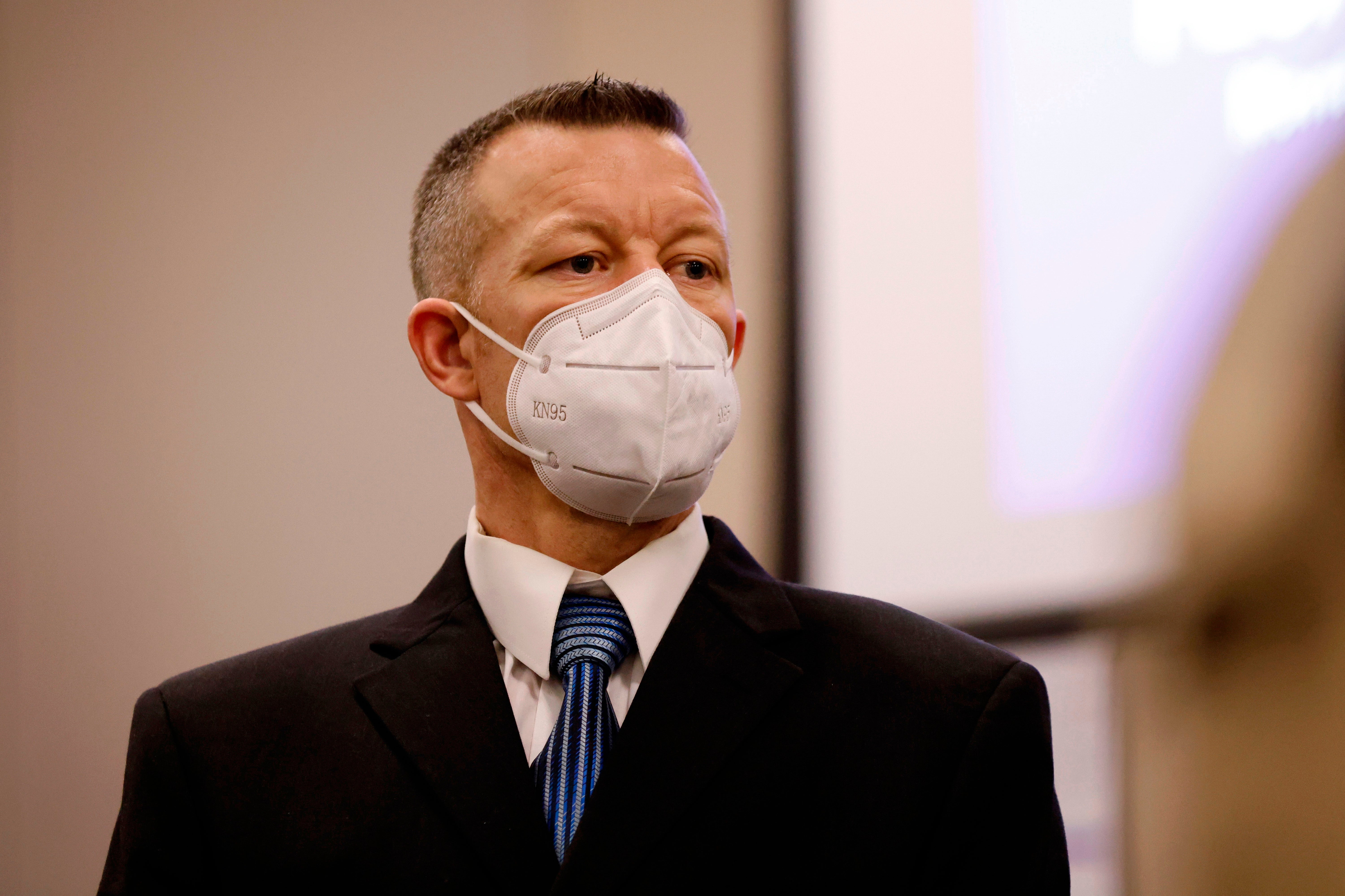
Smart disappeared on May 25, 1996, after attending an off-campus party near the Cal Poly campus in San Luis Obispo. Paul Flores, who was believed to be the last person seen walking with her, was convicted of first-degree murder in 2022 despite Smart’s body never being found.
Prosecutors alleged Ruben Flores helped conceal Smart’s body beneath the deck of his Arroyo Grande home before the remains were later moved. He was acquitted of accessory charges.
Parkinson said Friday investigators still believe Smart’s remains may have been relocated multiple times over the years.
“Kristin has been moved, and we don’t know how many times she’s been moved into where she’s moved,” he said.
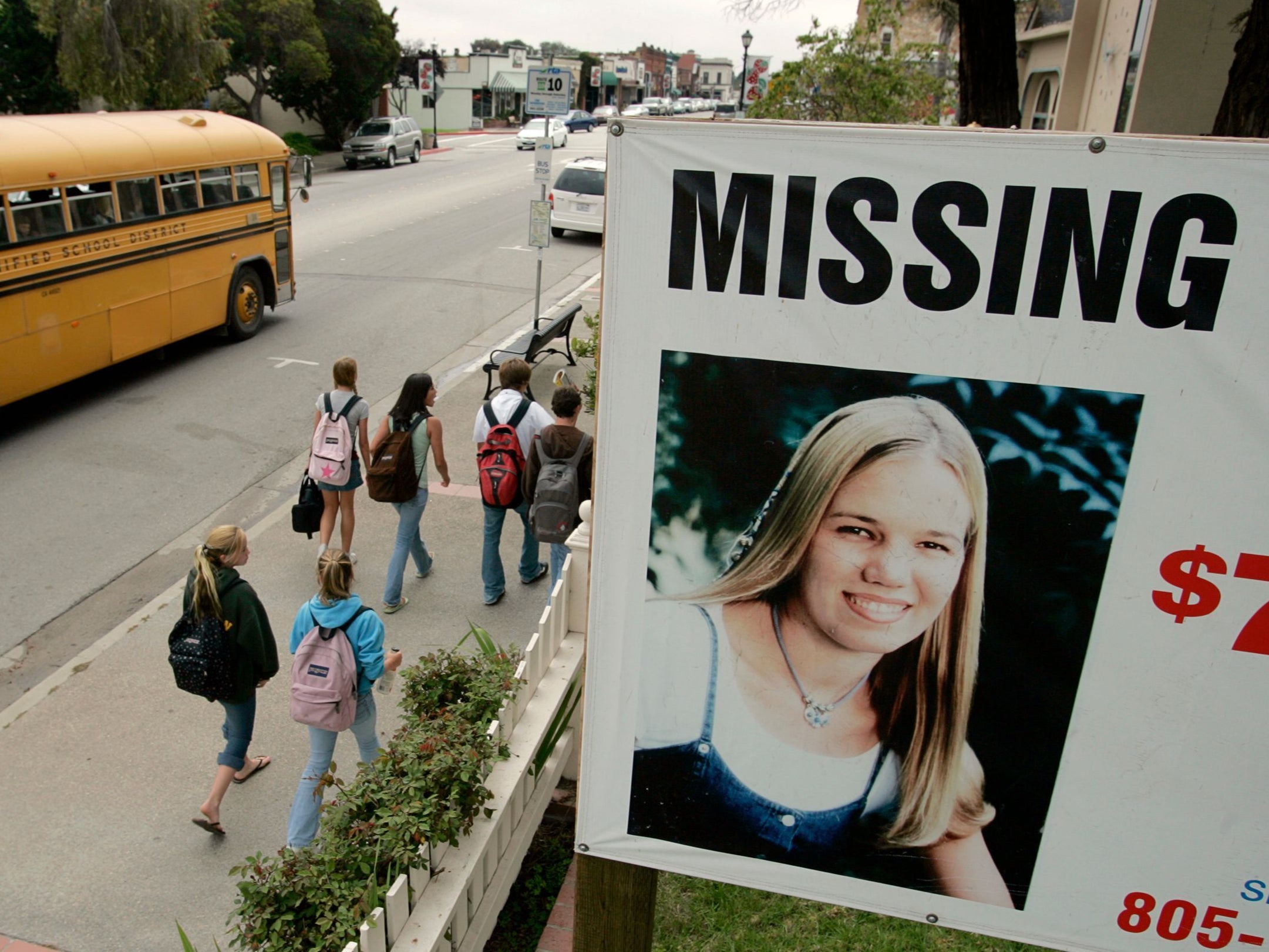
The case gained renewed national attention through Chris Lambert and his podcast Your Own Backyard, which uncovered new witnesses and inconsistencies in the Flores family’s accounts.
The search at the property will continue through the weekend, but Parkinson cautioned against drawing conclusions before the investigation is complete.
“It’s not what we believe,” Parkinson said. “It’s what we can prove.”