Experts have predicted a pre-Christmas interest rate cut is now “nailed on” after a shock contraction in the economy in October.
Pre-Budget concerns and speculation around tax hikes has been blamed for after the economy unexpectedly shrank for the second time in as many months.
The official figures show the economy shrank by 0.1 per cent in October, following a 0.1 per cent decline in September. It means the UK economy has grown only once in the last seven months.
Most economists had been expecting a small rise of 0.1 per cent for October, amid hopes of a bounce back in manufacturing led by Jaguar Land Rover’s recovery after a major cyber attack.
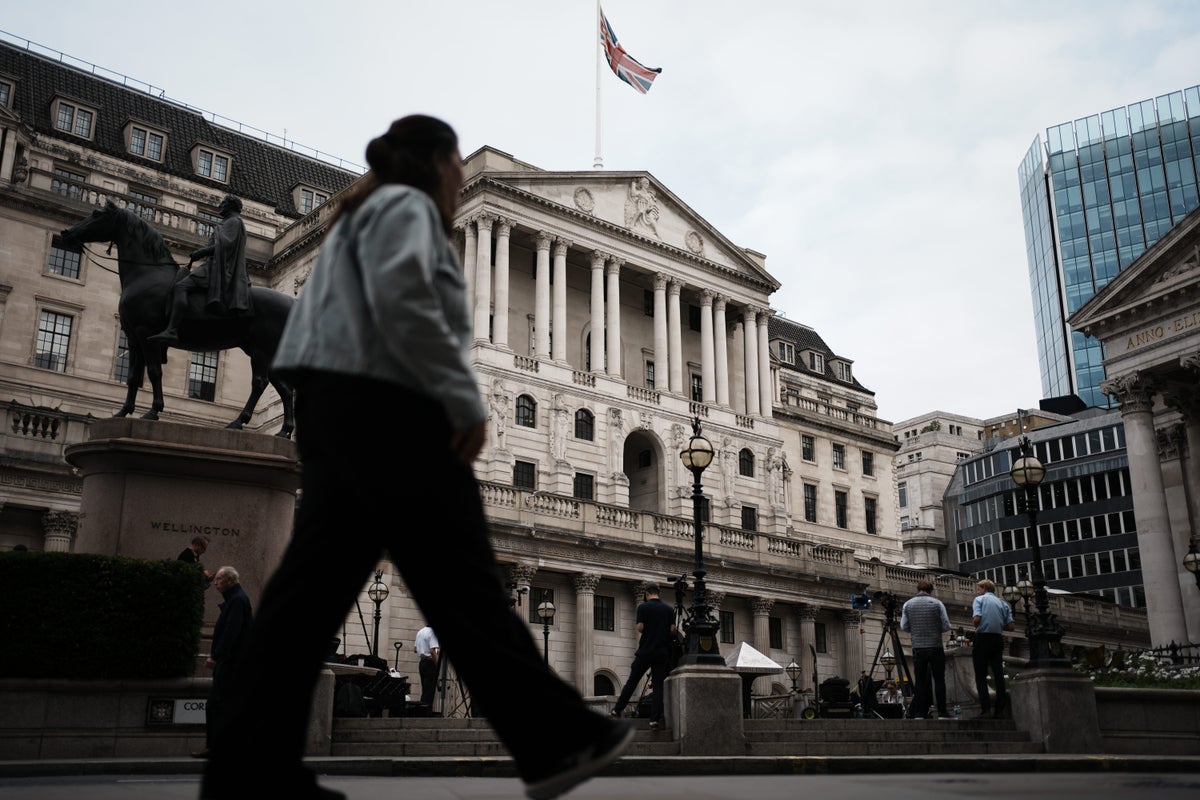
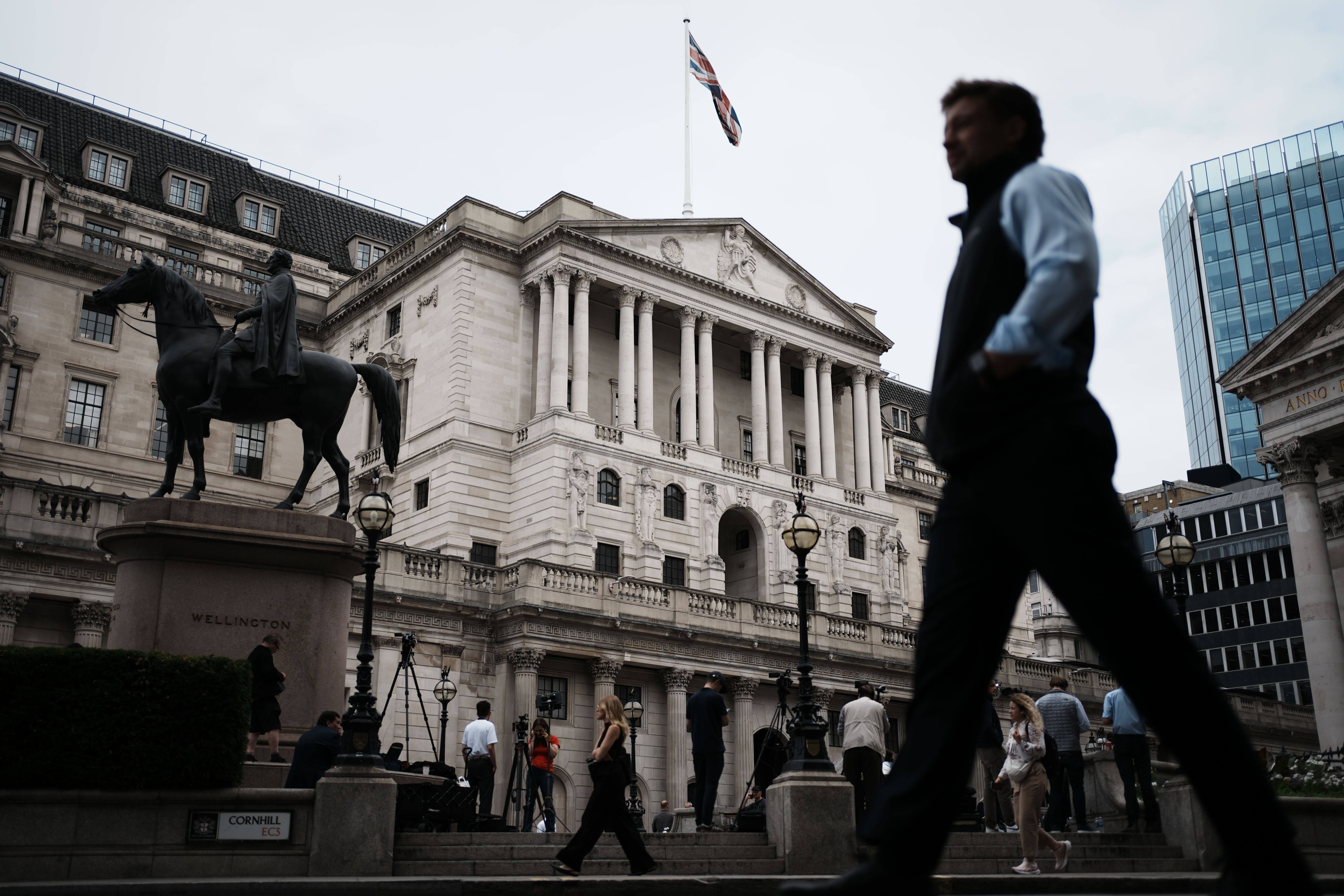
But today’s figures mean a rate cut – to 3.75 per cent – now appears highly likely when the Bank’s monetary policy committee makes its decision on Thursday.
Ruth Gregory, deputy chief UK economist at Capital Economics, said the surprise contraction “is a further reason to expect the Bank of England to cut interest rates”.
Meanwhile Suren Thiru, economics director at the Institute of Chartered Accountants in England and Wales (ICAEW), said a pre-Christmas interest rate cut was now “nailed on”.
“These figures confirm an off-colour October for the economy, with pre-Budget worries paralysing activity across key sectors, despite a boost to manufacturing from Jaguar Land Rover’s return to production.
“This dismal outturn may have been followed by a similarly turbulent November with the damage to business and consumer confidence from the frenzied speculation ahead of the Budget likely to have frozen wider economic activity.”
The after effects from the Budget may mean the UK’s economic prospects are “poorer over the near term”, he added.
“With these downbeat figures likely to further fuel fears among rate-setters over the health of the UK economy, a December policy loosening looks nailed on.”
The Office for National Statistics (ONS) said car manufacturing had made only made a “slight” recovery from the woes at Jaguar Landrover.
Many businesses have recently indicated that activity in the economy slowed in the lead-up to the Budget as speculation over possible tax measures grew.
Barret Kupelian, chief economist at PwC, said the “bigger story” behind the figures is that speculation around the Budget “kept households and businesses in wait-and-see mode.” And he warned that the timing of the Budget in late November meant that “November’s GDP print is likely to look similarly subdued before any post-Budget effects start to show up.”
Former Bank of England chief economist Andy Haldane said last month the prolonged worries over the Budget and leaks over possible tax hikes had “caused businesses and consumers to hunker down”.
Earlier this week the chancellor Rachel Reeves hit out at “too many leaks” in the run-up to Budget, which she said had been damaging.
Shadow chancellor Sir Mel Stride said the latest GDP blow was “a direct result of Labour’s economic mismanagement”.
The ONS data revealed that month-on-month car production activity jumped 9.5 per cent higher in October. However, this was only a partial recovery from the 28.6 per cent plunge in September following the cyberattack.
JLR was forced to pause production of its cars for more than a month after it was targeted by hackers and gradually resumed production in October.
A Treasury spokesperson said: “We are determined to defy the forecasts on growth and create good jobs, so everyone is better off, while also helping us invest in better public services.”