On the surface, nothing has changed inside the sprawling grounds and white-washed buildings of the Delhi Gymkhana Club, one of the most exclusive members’ clubs in India.
But there is a discernible hush over the Centenary Bar, where the who’s who of India mingle over drinks, and members of staff struggle to disguise their anxiety over whether they will still have a job come the end of the month.
Last month, the Indian government directed the club to vacate the 27.3-acre property it occupies in the heart of Delhi, triggering a legal battle over the future of one of the capital’s oldest institutions. The initial order set a deadline of 5 June for the club to vacate the premises, although that has been extended indefinitely while the courts consider a case that has sparked a national debate about elitism, access to green spaces and the country’s colonial legacy.
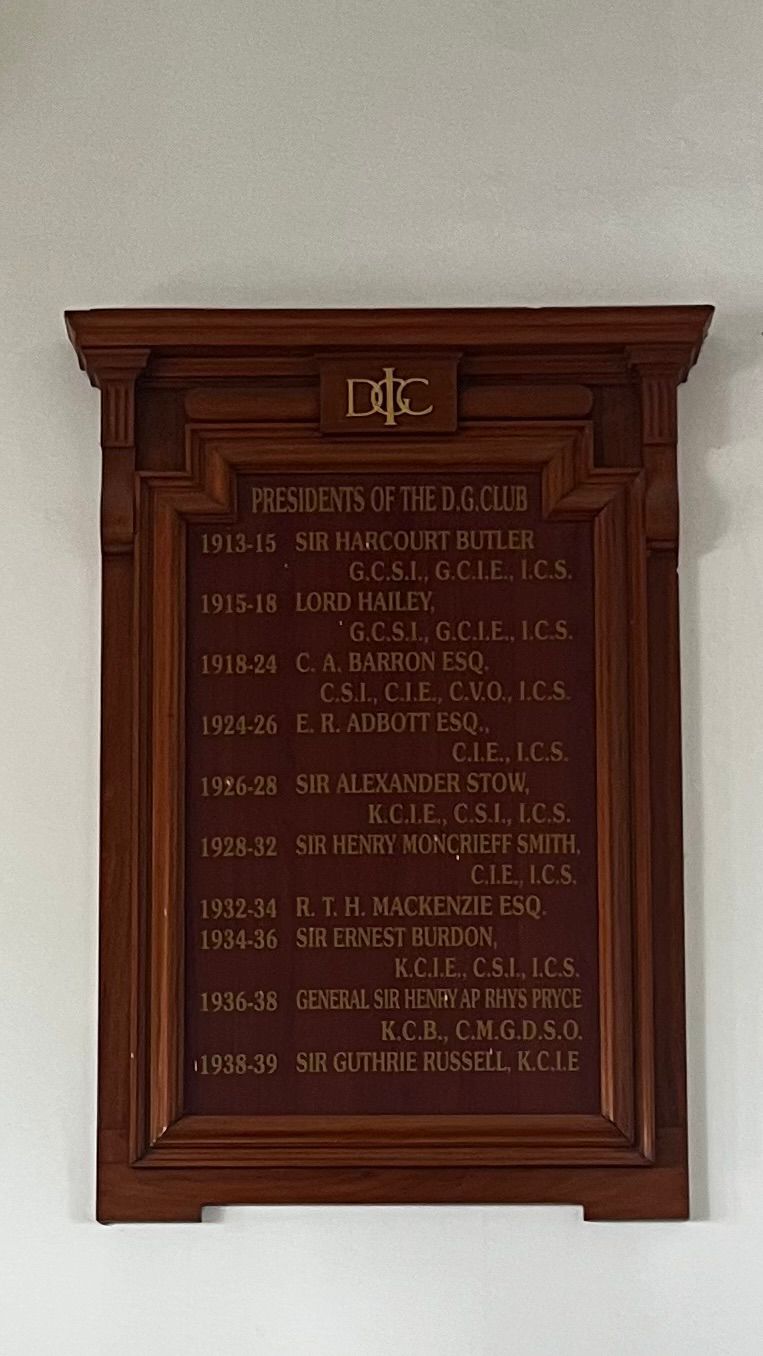
The club was founded in 1913 when India was under British rule and originally called the Imperial Delhi Gymkhana Club. London-born colonial administrator Spencer Harcourt Butler was the club’s first president. After India became independent in 1947, the word “imperial” was removed from the name, and the club has evolved into a popular – if highly exclusive – watering hole for bureaucrats, diplomats, military officers, and influential Delhi families.
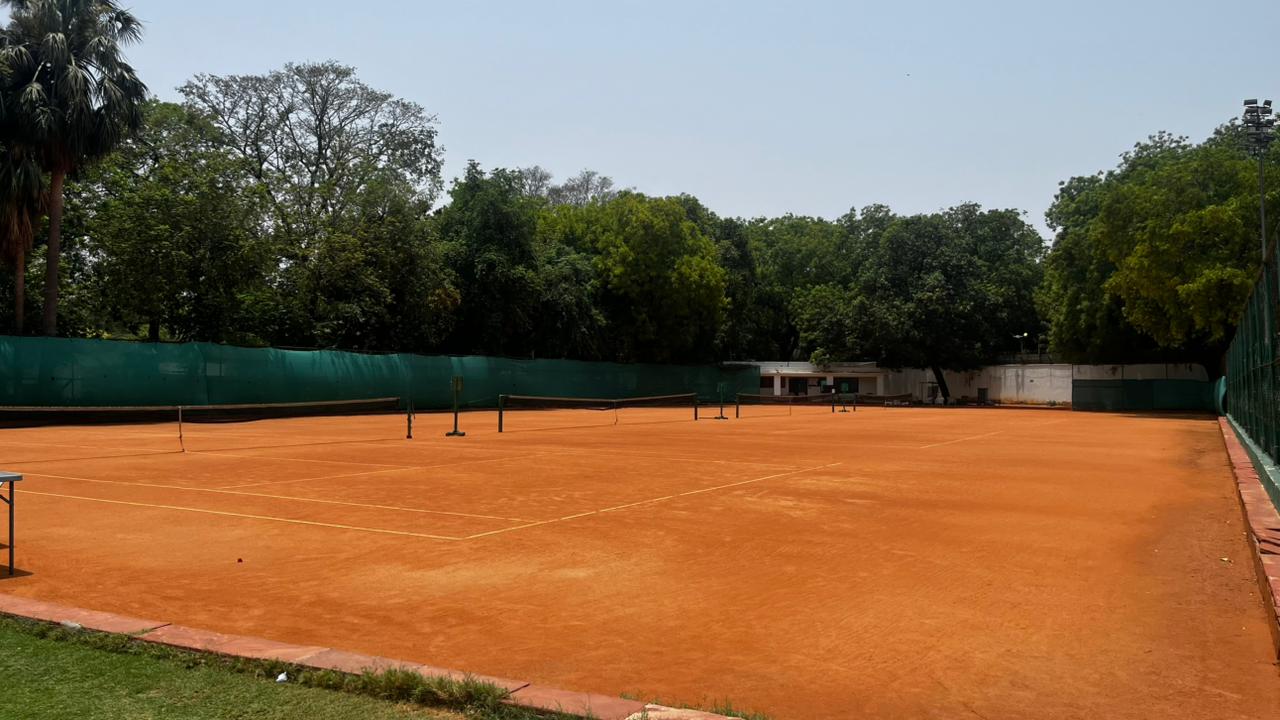
Employees continue about their work, maintaining the club’s immaculately manicured lawns and sweeping clay tennis courts that wouldn’t look out of place at Roland Garros. They have been instructed not to speak publicly about the eviction dispute, and though some were willing to speak to The Independent in hushed tones, they did so while declining to be named.
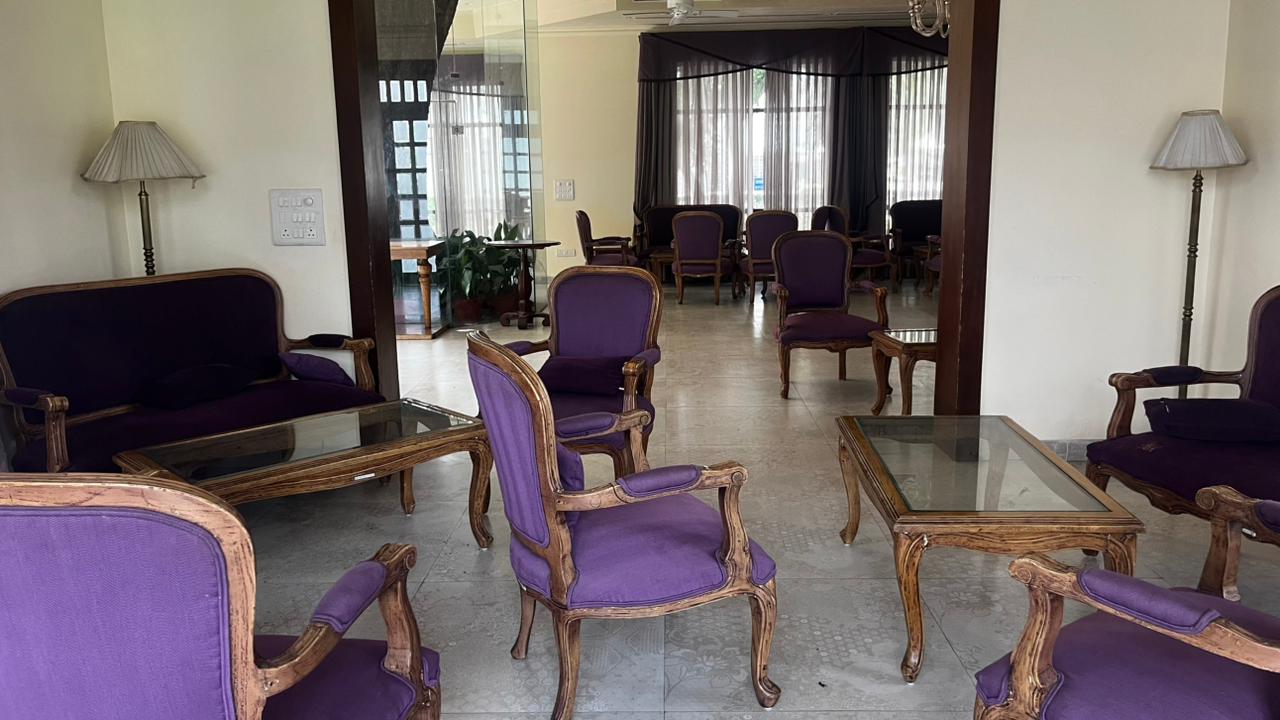
In the reception hall, where the club’s history hangs framed on the walls, conversations are brief and subdued. “We don’t know what is going to happen next,” a staff member says, making sure no members are close enough to hear.
“The next court hearing is later next month. We don’t know if we’ll receive our salary,” one says. “The management has not said anything to the staff in writing.” The suit was filed by Vijay Khurana, a longtime member of the club.
Last month’s government order sparked not just concern for the future of the club’s workers, worried about their salaries and being able to pay their bills, but also panic among its influential members. Messages began to fly on WhatsApp groups, debating the club’s future. Petitions were quickly filed before the Delhi High Court.
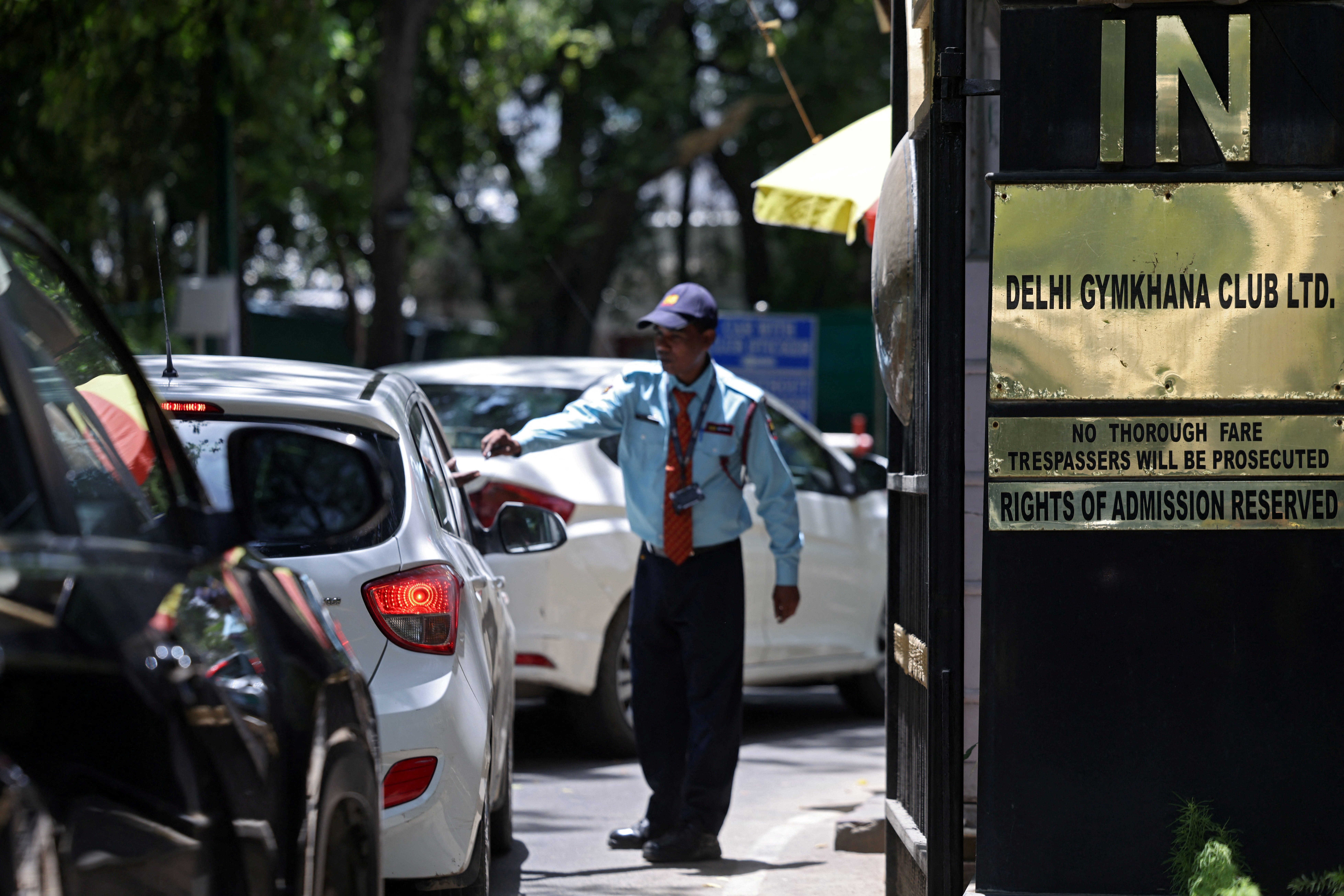
Even as TV stations filled time with heated arguments about public land, privilege and heritage, life inside the club carried on. Gardeners continued trimming hedges and manicuring lawns. Waiters waited tables during lunch hours. Security guards checked vehicles at the gates and refused entry to any non-member.
.jpeg)
“It has led to uncertainty for sure,” one staff member wearing a crisp white shirt and formal trousers says. “They (the management) assured us verbally that our jobs would not be affected, but they did not give anything in writing. At the moment, everything is still up in the air.”
The government-appointed management – which has eight directors – has not been in the staff’s good books. One staff member said that “many things changed since they took over”.
In 2022, a tribunal replaced the Gymkhana’s elected management committee with government-appointed administrators following allegations of mismanagement and lease violations.
The government has argued that the land, located next to the prime minister’s residence and several key government buildings, is required for defence infrastructure. Critics, however, see the move as part of a broader battle over the future of institutions that have shaped the character of Lutyens’ Delhi.
Members of the club say Delhi Gymkhana Club today is more than a private members’ club – it is a heritage space, a sporting venue, and one of the few remaining green expanses in the heart of the capital.
Beena Vaswani, whose father was among its early members, says: “This club means a lot to all its members. The issue is not a political one, in my mind. This is part of the area which we consider one of the green lungs of Delhi. So to build over it and put in more concrete, you’re destroying part of that.”
.jpeg)
Former Indian intelligence chief and former club president AS Dulat, who has been associated with club for more than 55 years, says the dispute has left many long-time members deeply unsettled.
“It’s one of the best clubs in the country,” he says.
Recently, while hearing a similar challenge by the Indian Polo Association, the Delhi High Court expressed concern over the shrinking green spaces of Lutyens’ Delhi. Justice Neena Bansal Krishna warned that the capital would “choke” if its remaining open areas disappeared, describing them as some of the few “breathers” left in the city.
Non-government applicants can spend decades on waiting lists. One staffer at the “membership” counter inside the club says that if they applied today, they would have to wait as long as 40 years for a spot. The club also maintains a complex hierarchy of membership categories, including “permanent members, eminent members, lady subscribers, diplomats, and green card holders”. Green card holders are the children of members.
This exclusivity, however, has made the club a target of criticism. It has been labelled “elitist”.
“Every club is elitist,” Dulat says.
Baswani agrees. “I have a problem with this word ‘elitist’. Any club anywhere in the world, however small, has a preference for the membership it takes in. This club was formed for bureaucrats, civil servants and members of the armed forces. I am an ex-army wife. From any angle, I don’t think the armed forces can be called elitist.”
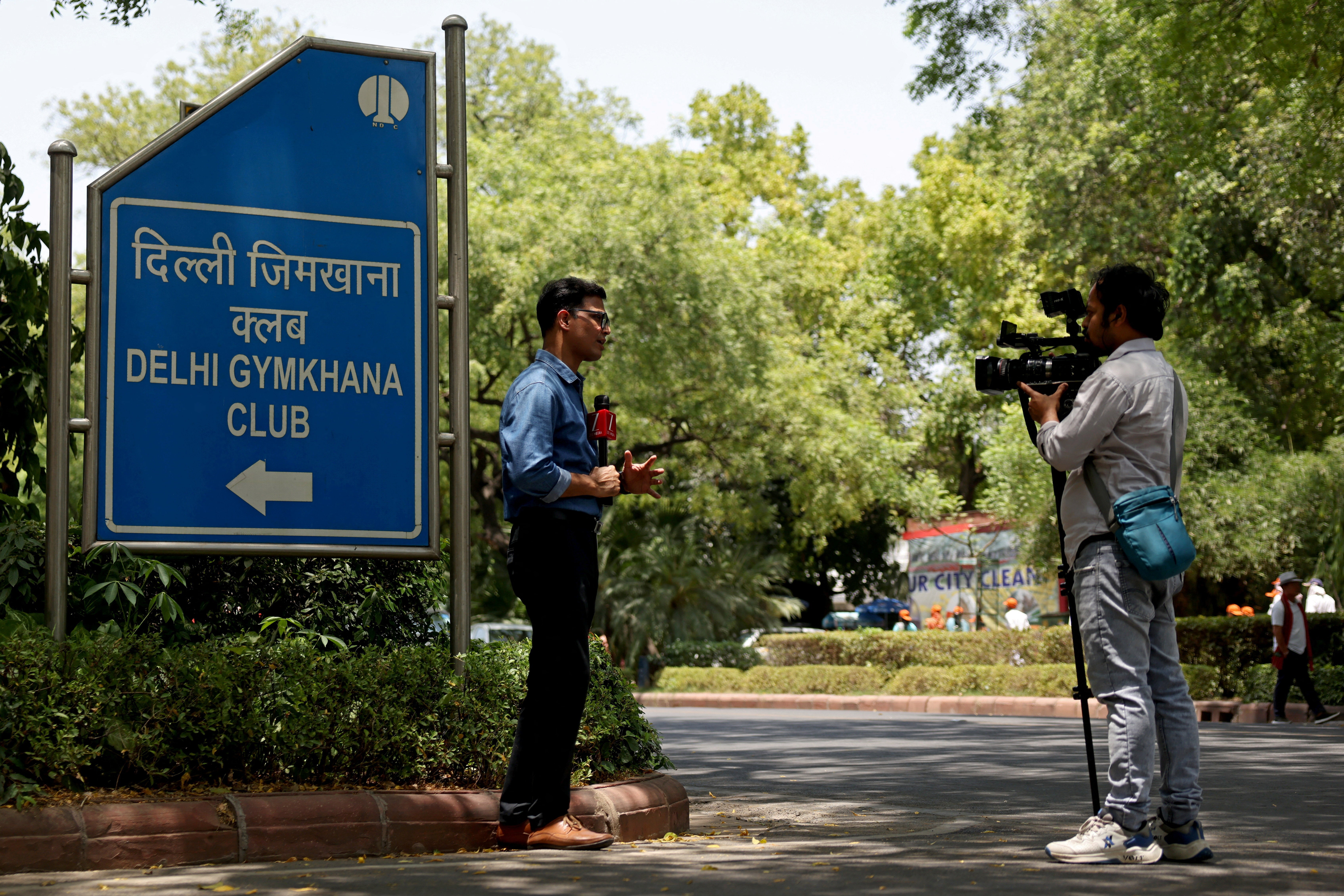
Members of the club argue that reducing Delhi Gymkhana to a symbol of privilege misses what it has become over the decades. Beyond its old-school bars and dining rooms – where dusty floor lamps stand beside ageing armchairs – the club houses extensive sporting facilities, including squash, badminton, and basketball courts that are used daily by members ranging from retired bureaucrats and military veterans to serving civil servants.
“This is not just a social club. Sports are at the heart of what we do,” one official said.
Baswani says: “It’s not about anything colonial anymore. The only colonial thing left is a name, you may want to change. Within the existing structure of the Delhi Gymkhana, since we are talking on this subject, suggestions can be made if there is an objection to why should only members’ children be green card holders. Suggestions can be made to review and perhaps revise one or two rules. It doesn’t mean you have to take over the whole club or destroy it.”
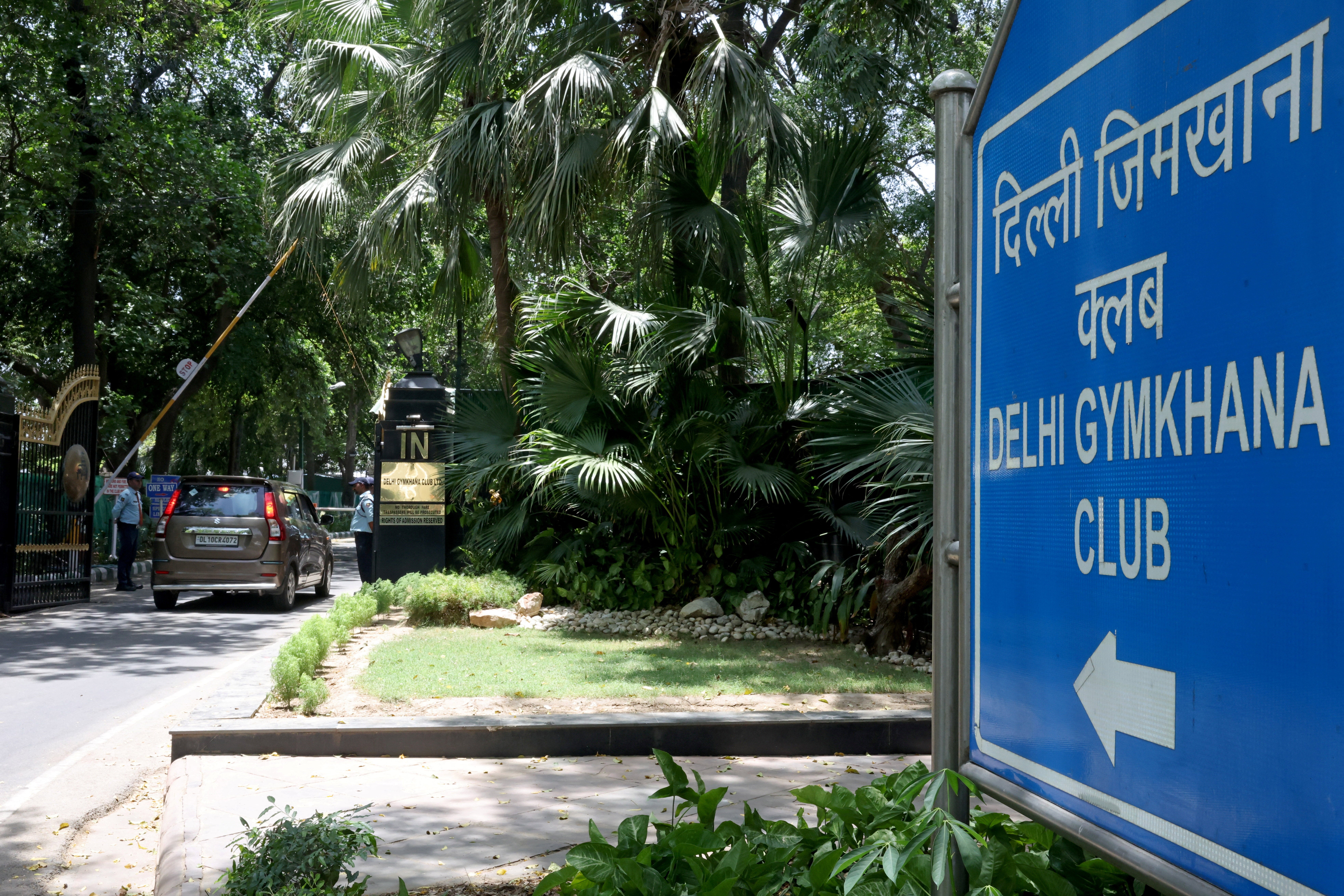
The uncertainty over the club’s future also comes amid wider questions about how it has been run. According to a recent report in The Indian Express, a forensic audit flagged concerns over financial controls, possible conflicts of interest and expenses billed to the accounts of deceased members.
A separate investigation also examined a drone incident near the prime minister’s residence.
The allegations have only added to the scrutiny surrounding the club as it fights the government’s attempt to reclaim the land.
Yet inside the club, little seems to have changed. The tennis and squash courts are still in use. The swimming pool glitters in the afternoon sun. In the library, books are neatly arranged on shelves. Members come and go.
For now, everyone is taking it one day at a time. Staff, officials and members. Nobody talks openly about the future. But everybody is thinking about it.