
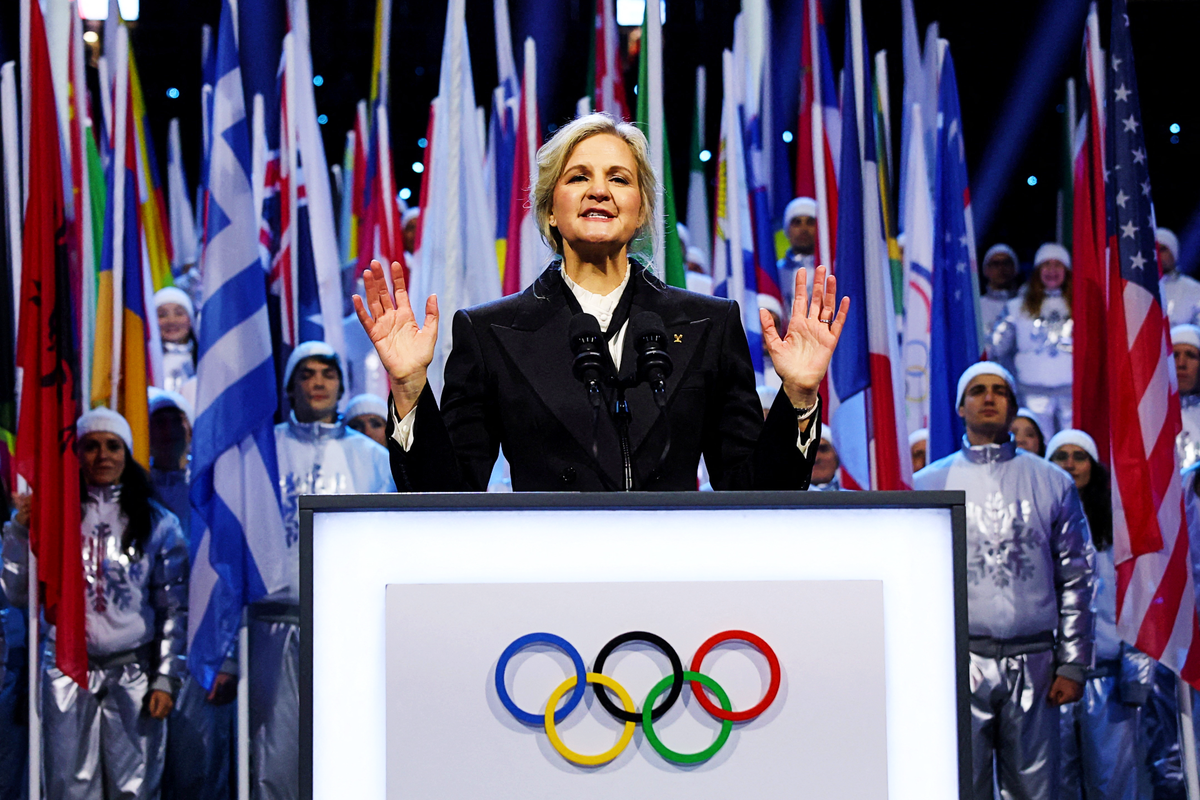
Soon after Kirsty Coventry became president of the International Olympic Committee last summer, she held a private consultation with IOC members to gauge their feelings on a range of important issues. At the end of the session, Czech representative Jiri Kejval stood up to speak. “I’ve been a member of the IOC for five years,” he said, “and this is the first time somebody has asked my opinion.”
It has been a year since Coventry was elected president, crushing competition that included British candidate Lord Coe en route to becoming the first woman and first African to lead the Olympic movement. It has been nine months since she officially replaced Thomas Bach, and IOC members and officials speak of significant cultural change from Bach’s 12-year reign.
It is not only that she has opened up dialogue with members like Kejval. After she was elected president, Coventry moved her young family to live near the IOC’s headquarters in Lausanne, Switzerland after she was elected president. She will often finish her working day at 5pm to go home and be with her family. At the recent Winter Olympics in Milan-Cortina, she could be seen having breakfast with her baby son as he liberally splattered her with food. Her “normal” approach to the role has contributed to a shift inside the IOC’s walls where the atmosphere feels less pressurised, more relaxed and more in tune with the modern world.
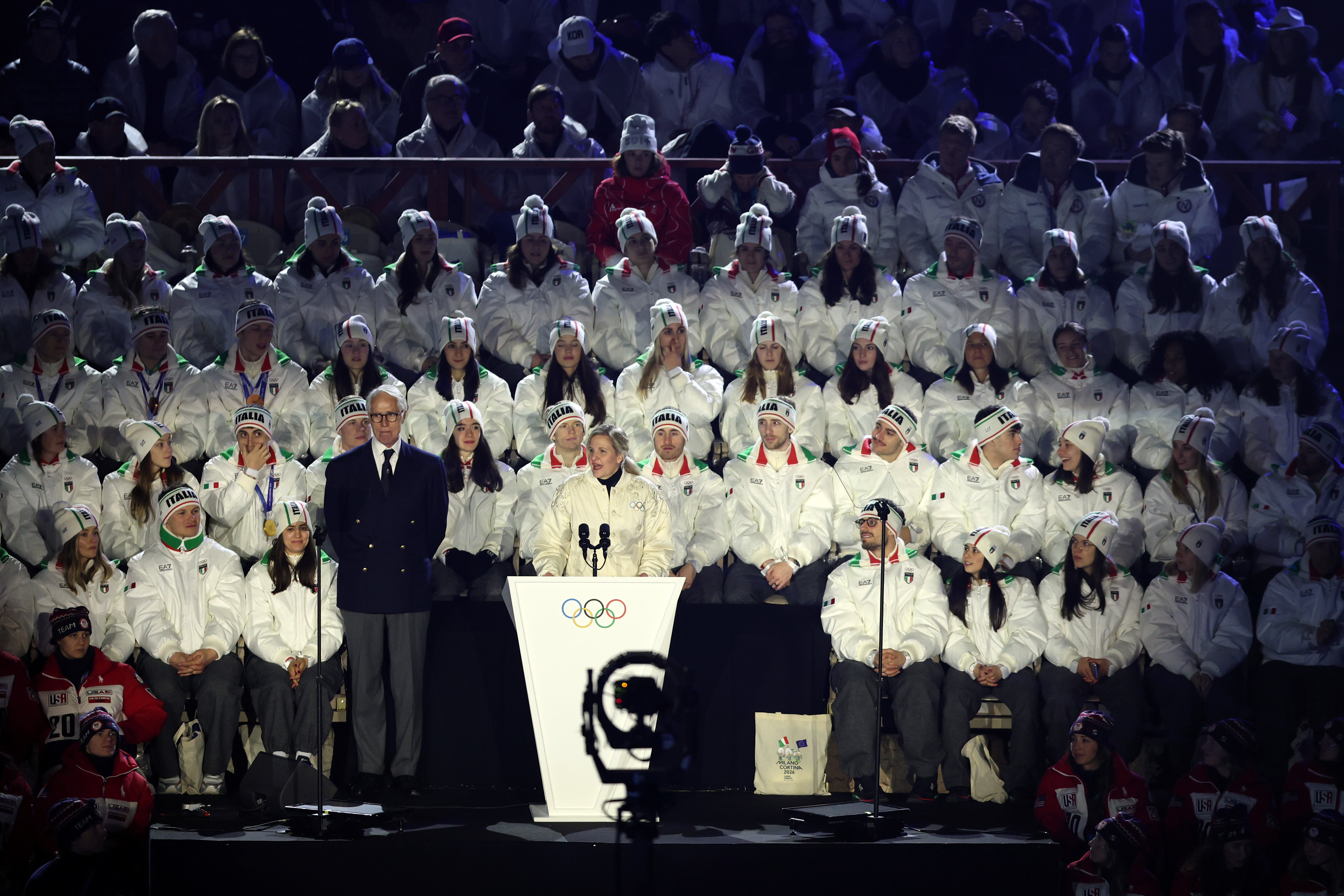
Internally she is seen as tough but wears responsibility lightly, considering she holds perhaps the most powerful office in sport.
But outside the IOC, challenges have begun to surface. Vladyslav Heraskevych, the Olympic skeleton racer who wore images of Ukrainians killed in Russia’s war, was a taste of the tangles that await. She personally intervened and was moved to tears in her efforts to persuade Heraskevych to drop the helmet, while standing by the principle of no political messaging inside the field of play. He couldn’t be swayed and has been deeply critical of Coventry in the weeks since.
Coventry has made no secret of her desire to move the Olympics away from its expanded role under Bach, when it tried to act as an arbiter of international geopolitics. Some IOC members The Independent has spoken to weren’t happy with the way Bach pitched the IOC as another arm of the UN and an agent of world peace. Coventry won the presidency on an athlete-first manifesto, and she would like the IOC to revert to its primary mission of being an organiser of Olympic sport.
An example came last month when the IOC issued a belated statement on USA’s bombing of Iran. The statement played down the famous Olympic Truce as only “an aspirational and non-binding resolution”, and therefore not something with which to beat the US – the next host of the summer Olympics.
But ducking politics will be nigh on impossible. Issues are coming thick and fast. Coventry was blindsided at a recent press conference by a series of questions relating to wider concerns, from Fifa president (and IOC member) Gianni Infantino’s relationship with Donald Trump, to the prospect of the Olympics being held in Germany on the centenary of the infamous Nazi-organised 1936 Games in Berlin.
“OK, I’m really looking at my team and maybe someone needs to be dismissed because I’m not aware of that either,” she half-joked as she tried to bat away the inquisition. Coventry was irked to be on the back foot, but perhaps there was also a hint of her future strategy as she claimed ignorance.
She is already facing deeply emotive issues of war and of gender identity. Her announcement this week that the IOC will ban transgender women from women’s events in future Olympics was welcomed by much of the IOC’s membership, and plenty of the wider sporting world which had been left searching for guidance from Bach. It signalled her strength and clarity of thought. But the decision to use controversial gene-screening to test athletes’ genders is likely to face strong criticism on ethical grounds.
Then there is the looming figure on the horizon, Trump. An IOC source recently told The Independent that Coventry is quietly dreading her political dance with the US president in the run-up to the next 2028 Olympics in LA. One can only guess which countries he will have banned and which he will have bombed by the time the Games come around.
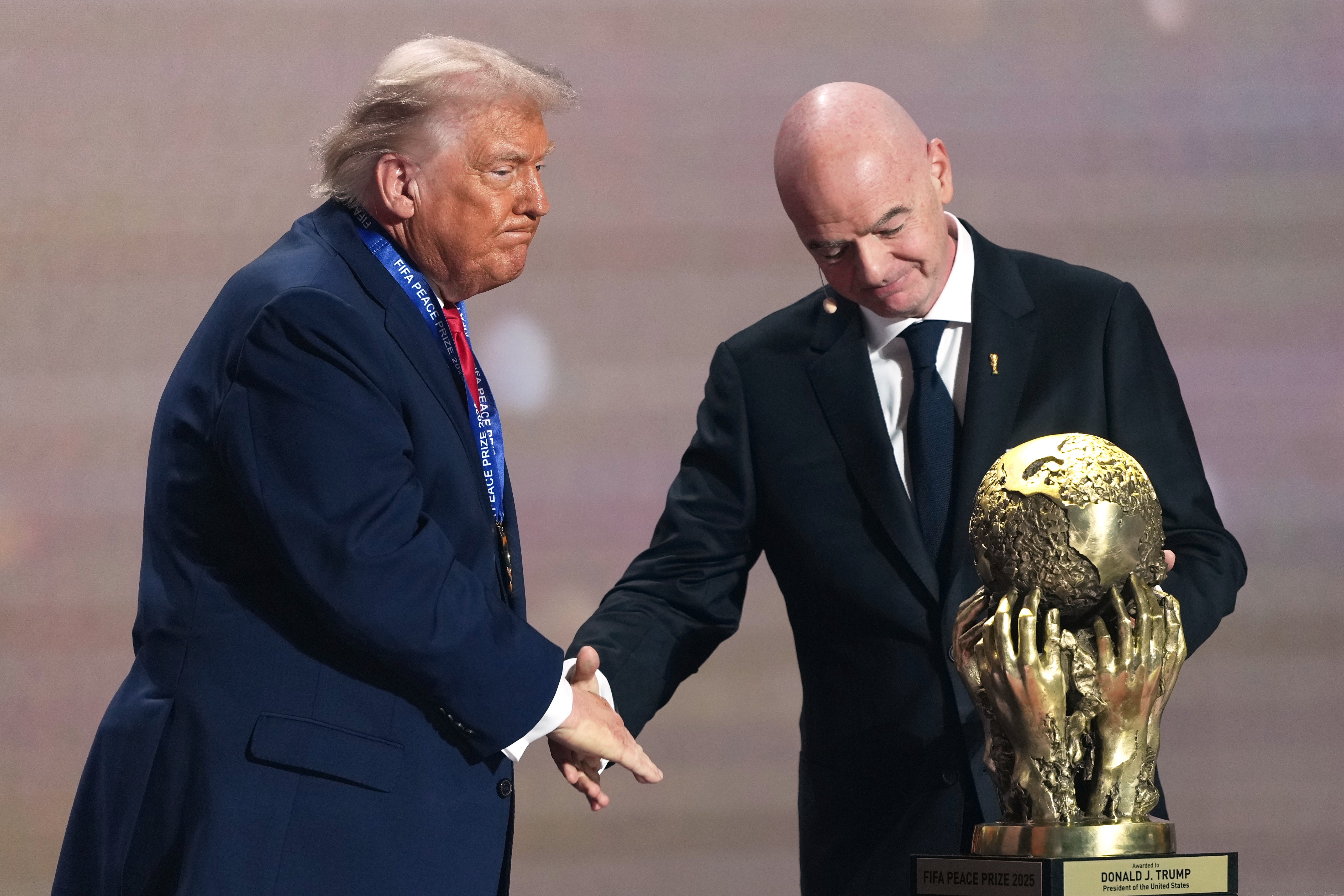
She is unlikely to take the same ego-stroking approach as her Fifa counterpart Infantino, who has been seen gurning in a Trump-issue red cap and handing over misjudged peace prizes. But those who don’t bow down to Trump’s ego tend to feel his wrath.
There will be an additional edge to the Olympics, given that the Games will take place in California, the Democrat’s heartland and a state Trump hates. The governor, Gavin Newsom, may well be the next Democratic presidential nominee and Trump hates him too. The chairman of the Olympic committee is Casey Wasserman, a prominent Democrat supporter and Hollywood type who, yes, Trump hates. Wasserman’s role running LA ‘28 has come under severe pressure since the release of the Epstein files, which is not a great look for the Olympics. All this will only add to the mess through which Coventry must nimbly navigate.
Then there is the question of Russia’s participation, made more complicated by the Paralympics’ decision to fully reinstate the country and its ally Belarus. There will be questions about sustainability before the bloated 36-sport LA Games, as well as challenges to make the Olympics relevant for youth audiences. Coventry has made a solid impression inside the IOC, but ultimately her reign and legacy will be judged by how she handles the outside world.
Her desire to focus purely on organising sports events will inevitably be knocked off course. The Olympics is too powerful to escape hard questions, too desirable to avoid being used for political points scoring. Coventry’s job is to chart the IOC’s path through these choppy waters. A year after she was sensationally elected by her members, the real task is only just beginning.