


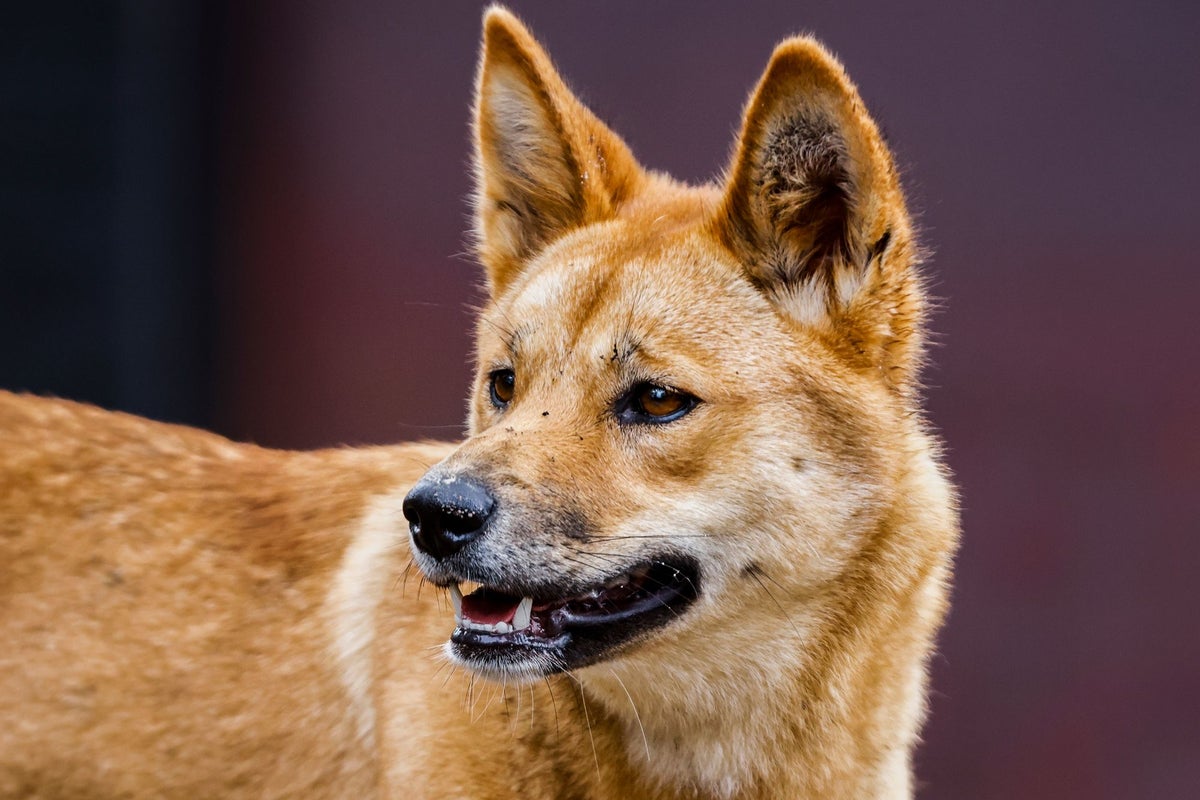
Australian authorities euthanised a group of dingoes following the death of a Canadian backpacker on K’gari, angering traditional owners and triggering warnings from wildlife experts that the move could harm the island’s fragile canine population.
Queensland officials said six dingoes had been put down in K’gari, formerly known as Fraser Island, after rangers identified a pack of 10 dogs they believed surrounded the body of Piper James, 19, when it was found on a beach on the World Heritage-listed island on 19 January.
The state government said the culling followed observations of aggressive behaviour by the animals.
A spokesperson for the Coroners Court of Queensland said a preliminary autopsy of James found evidence “consistent with drowning”, along with injuries consistent with dingo bites.
The court added that pre-mortem bite marks likely did not cause immediate death. A full investigation was underway.
Queensland’s environment minister, Andrew Powell, said killing the dingo pack was “appropriate for public safety” and that the operation would continue.
The Butchulla people, the traditional owners of K’gari, said they were not consulted before the dingoes were euthanised. The Butchulla Aboriginal Corporation said in a statement to Australian media that the decision was “unexpected and disappointing”.
“Once again, it feels as though economic priorities are being placed above the voices of the people and traditional owners, which is frustrating and difficult to accept,” it said.
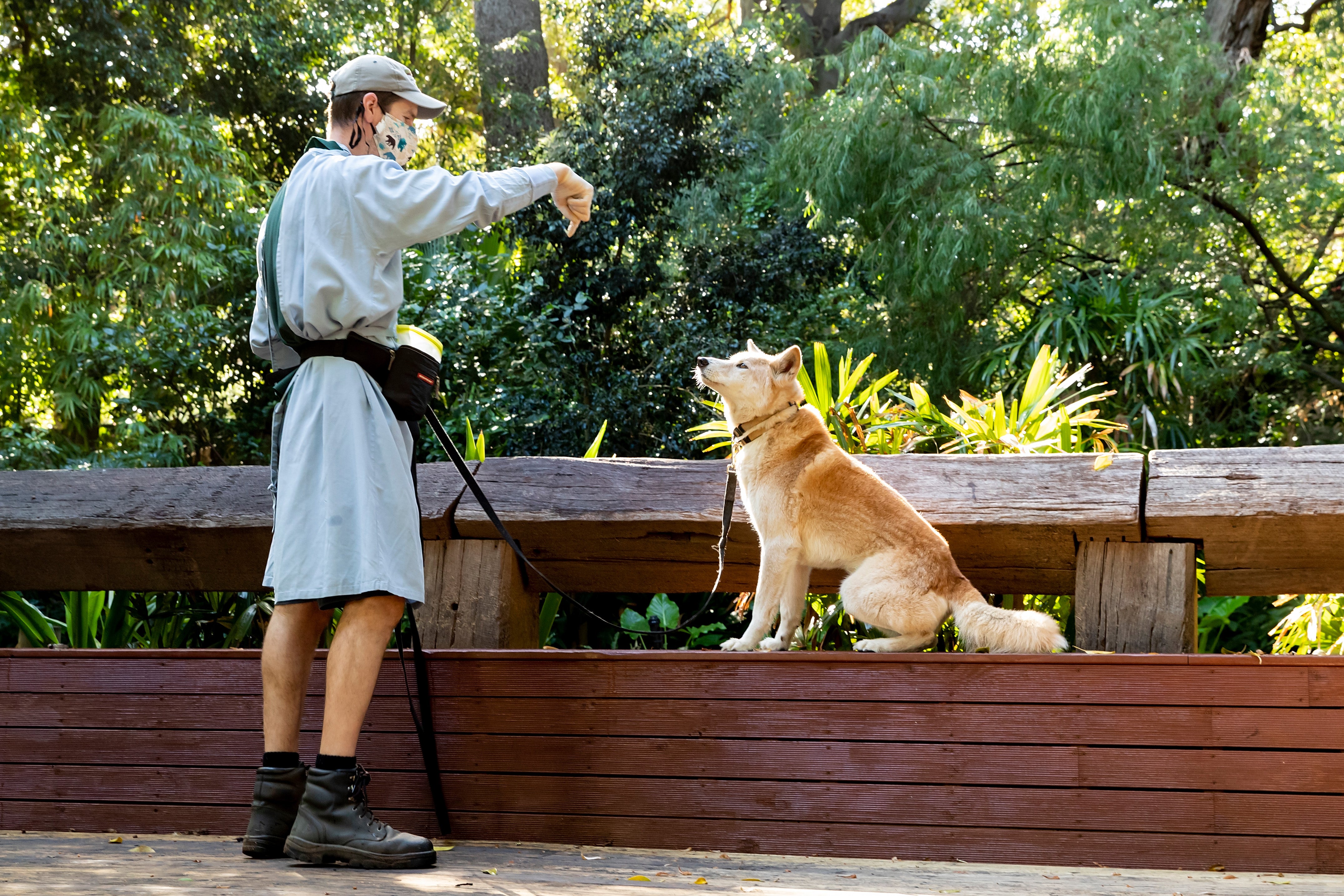
Wildlife experts said the culling risked undermining an already vulnerable population. Mathew Crowther, a professor of quantitative conservation biology at the University of Sydney, told AFP that K’gari’s dingo population, estimated at between 70 and 200, was genetically isolated.
“Removing a whole pack could damage genetic diversity,” he said, adding that dingoes often lost their fear of people because of repeated interactions with tourists, some of whom ignored strict bans on feeding the animals.
Dr Kylie Cairns, a dingo geneticist at the University of New South Wales, told The Guardian the population already showed high levels of inbreeding and that further reductions could push it towards an “extinction vortex”, increasing the risk of disease and reproductive problems.
James’s death is the first fatal dingo attack on the island in about a quarter century. A nine-year-old boy was killed in 2001 and dozens of dingoes were subsequently culled.
The latest incident has reignited debate over whether tourism pressures on K’gari are making coexistence between humans and dingoes increasingly difficult.
James’s father, Todd James, said on social media that news of the euthanisation of dingoes was “heart-wrenching”, but acknowledged that authorities might have felt compelled to act over safety concerns.
Dingo is a wild dog native to Australia and is considered an apex predator. They are descended from ancient Asian domestic dogs that arrived in the area thousands of years ago.