
-copy.jpeg?trim=0,0,0,0&width=1200&height=800&crop=1200:800 "Independent Women 2026 – The Influence List – UK Times")
Extraordinary women shape the world and inspire those around us. That’s why The Independent is once again marking International Women’s Day with our annual influence list, celebrating 50 women who have had a powerful impact on British society over the last year.
Excelling across sport, the arts, public service, and advocacy, these women are boldly using their voice and talent to change the world.
For the fourth year running, The Independent is publishing its influence list on 8 March. Compiled by staff, the list shines a spotlight on the 50 women whose influence has had a significant impact across the country over the last year.
This year, the list is focused on the theme “give to gain”, in recognition of the extraordinary sacrifices many of these women have had to make to succeed.
Topping the list is England’s super-sub Chloe Kelly, who made a remarkable comeback from the most difficult period of her career to cement her status as a national legend, scoring the winning penalty at the Euros in 2025.
Also featured are Hillsborough campaigner Margaret Aspinall, who has been at the forefront of the tireless campaign for justice over the Hillsborough disaster for 37 years, and Amy Hunt, who has bravely spoken out about online radicalisation following the murder of her mother and two sisters, Carol, Louise, and Hannah Hunt.
As usual, The Independent has made the deliberate decision not to exclude women who some readers may disagree with politically, and neither does the list endorse any particular point of view.
Below, we note some of the remarkable achievements of these 50 independent women.
1. Chloe Kelly
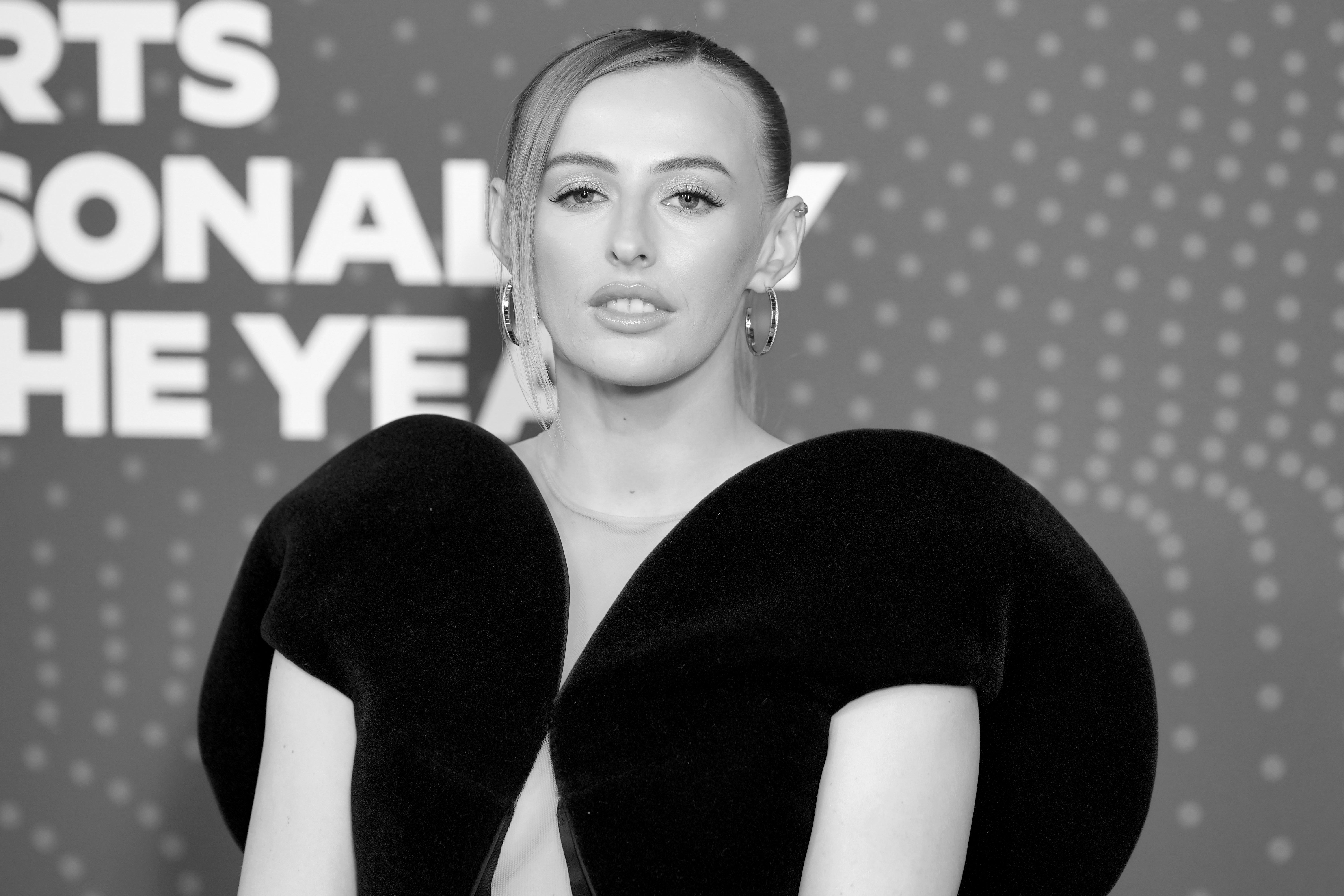
There was only one woman who could have taken England’s winning penalty at the Euros. Stepping up to the spot, Chloe Kelly looked cool and collected as the country held its breath. But it was never in question. The squad’s super-sub fired home a staggering 68mph shot – faster than any goal in the previous Premier League season – and with it, England’s Lionesses claimed their second successive Euros title.
Kelly has become something of a national hero for her knack for pulling her team out of sticky situations, and it is this quality that has earned her the top spot on The Independent’s list of the most influential women of 2026. But her success came after what the forward described as a “dark place” in her career. Frozen out by her former club, Manchester City, she took matters into her own hands, posting a statement to Instagram asking to be released due to the impact on her career and mental health. She eventually joined Arsenal on loan and went on to win the Champions League with the Gunners at the end of the season.
“Sometimes it’s the dark moments that get you to those winning moments, so for me speaking up and taking control of my own destiny, writing your own script, was really important,” Kelly told The Independent in an interview for International Women’s Day. “I don’t think I’d be in the position I am in without doing that, so I think it shows to women and young girls that sometimes what has seemed the toughest [thing to do] is probably the best.”
She also knows her influence goes far beyond football. “I feel like now we’re not just inspiring young girls, we’re changing the game,” Kelly said. “We’re changing the mindset and young boys are inspired by us too, which is so special.”
2. Lily Allen
It was a mixture of heartbreak and rage that drove British pop star Lily Allen back into the studio for the first time in seven years. Reeling from her split from Stranger Things star David Harbour, Allen poured all of her efforts into West End Girl, an unflinchingly honest portrayal of the breakdown of a marriage featuring her signature acerbic, witty songwriting. Songs such as “Pussy Palace”, “Madeline” and “4chan Stan” were about shock revelations transpiring in the relationship, while “Nonmonogamummy” and “Beg for Me” focused on the heartache of trying to please your partner at the expense of your own identity and self-worth.
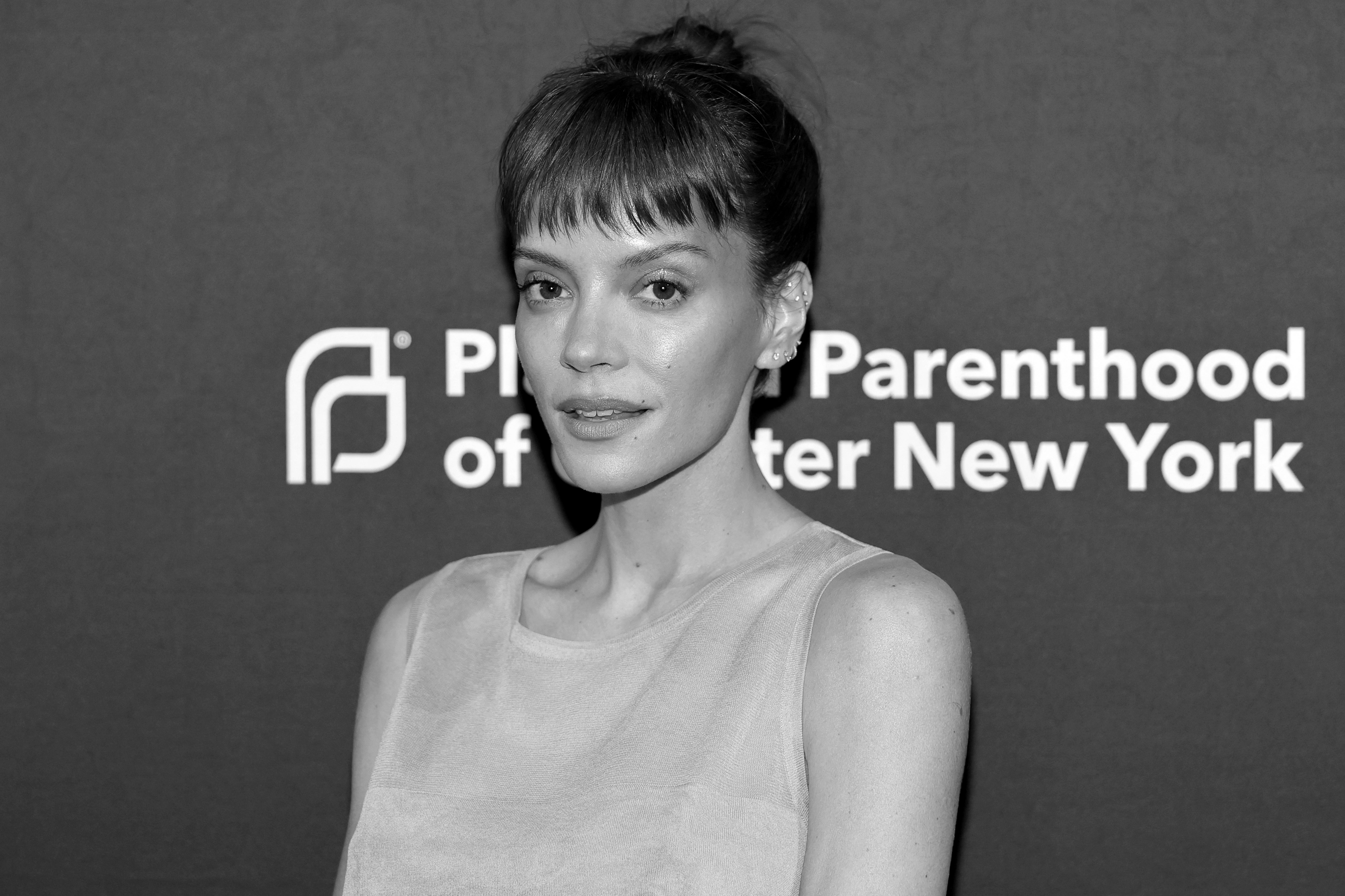
Raved about by critics, West End Girl shot to number two on the UK’s official albums chart, while Allen’s theatre tour sold out instantly, fuelling demand for an arena run taking place later this year. Yet the album’s influence goes far beyond mere commercial success.
Allen’s candid discussions of sex, infidelity, marriage and modern relationships sparked widespread conversation, with The Independent’s Helen Coffey noting that she had “broken the last break-up taboo” for women who are expected to stay quiet about the ins and outs of a failed relationship. Allen herself has said women have reached out to her with intimate details of their own relationship struggles. By rediscovering her voice, Allen has helped countless women find their own.
3. Jessie Buckley
Jessie Buckley, the frontrunner for this year’s Best Actress prize at the Oscars for her devastating work in Hamnet, feels a bit like an old friend – perhaps because many of us first saw her in an Andrew Lloyd Webber talent show on BBC One, or perhaps because her big British Vogue cover story in January opened with her apologising to journalist Hayley Maitland for her mucky car, then expressing how desperate she was to talk about the Celebrity Traitors finale.
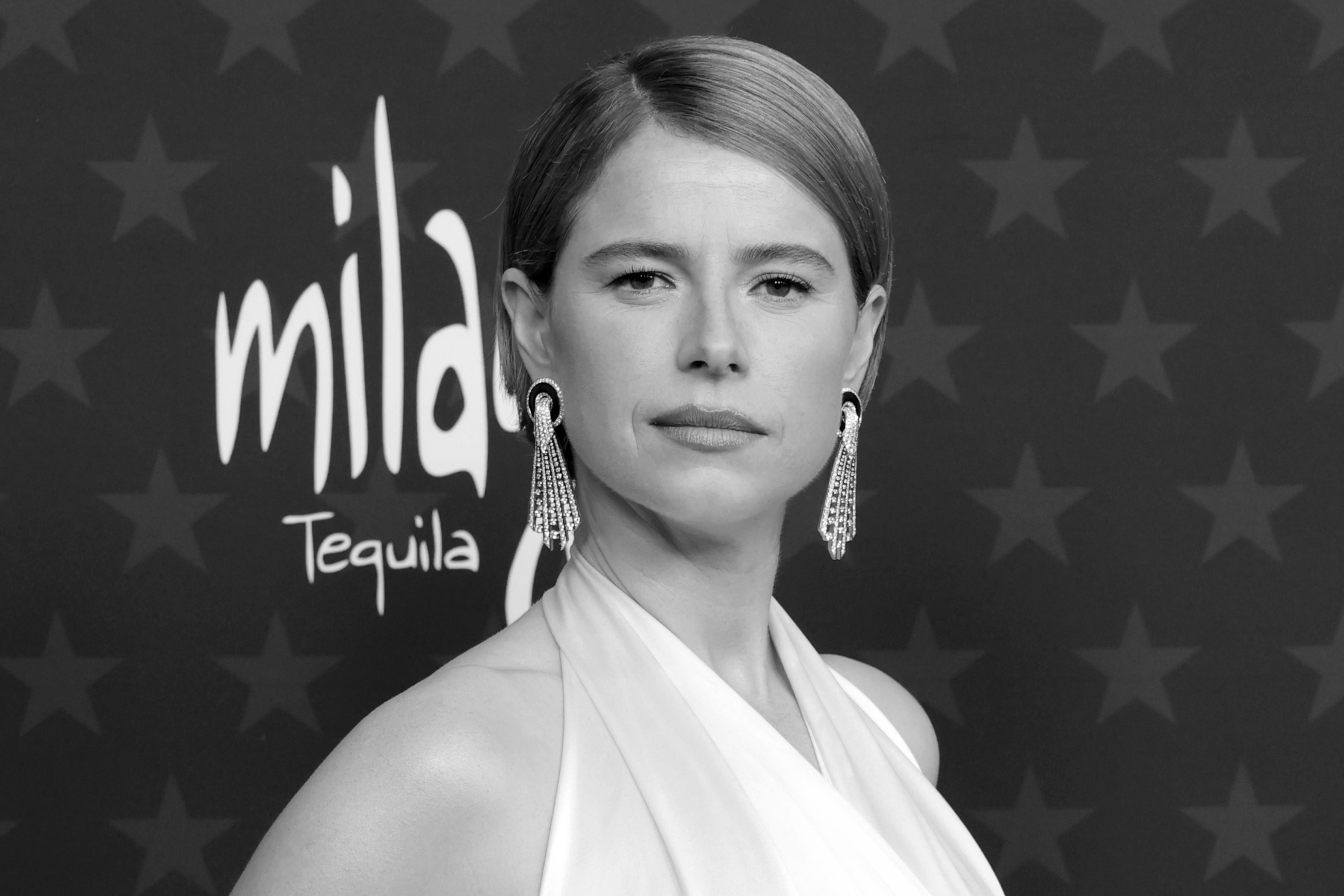
The 36-year-old Irish actor plumbs the depths of her soul in Chloe Zhao’s Hamnet, playing the largely ambiguous wife of William Shakespeare, who is gripped by despair following the death of the couple’s son, Hamnet. For her performance, she has – as of writing – won the Bafta and the Golden Globe, with (most probably) the Oscar next on the docket. But Hamnet is just the latest in a run of beautiful work by Buckley, which has ranged from the hardscrabble ambition of her working-class country-and-western singer in Wild Rose, to the destructive young mother she played to an Oscar nod in The Lost Daughter. “My job is to be human,” she told British Vogue in January. “To make people feel rather than becoming disembodied, disconnected, disengaged.”
It has been a significant year for Buckley personally as well as professionally: she had her first child, a baby girl whose name she has not publicly disclosed, with her mental health worker husband. Speaking to The New York Times’ Modern Love podcast after becoming a mother, she said: “Everything’s new. This little human’s new. You’re new. Your relationship’s new. Your whole relationship to the world is new. It’s intense, but it’s just – I just love it. I love it so much.”
4. Princess of Wales
The Princess of Wales has continued to embody strength, determination, and hope as she gradually returned to royal duties last year following cancer treatment. Now in remission, her honesty and openness in speaking about her own experience will undoubtedly have helped hundreds facing similar challenges feel less alone. Speaking on World Cancer Day last month, Kate said a cancer journey is not a linear experience and that “there are moments of fear and exhaustion” but also “moments of strength, kindness and profound connection”.
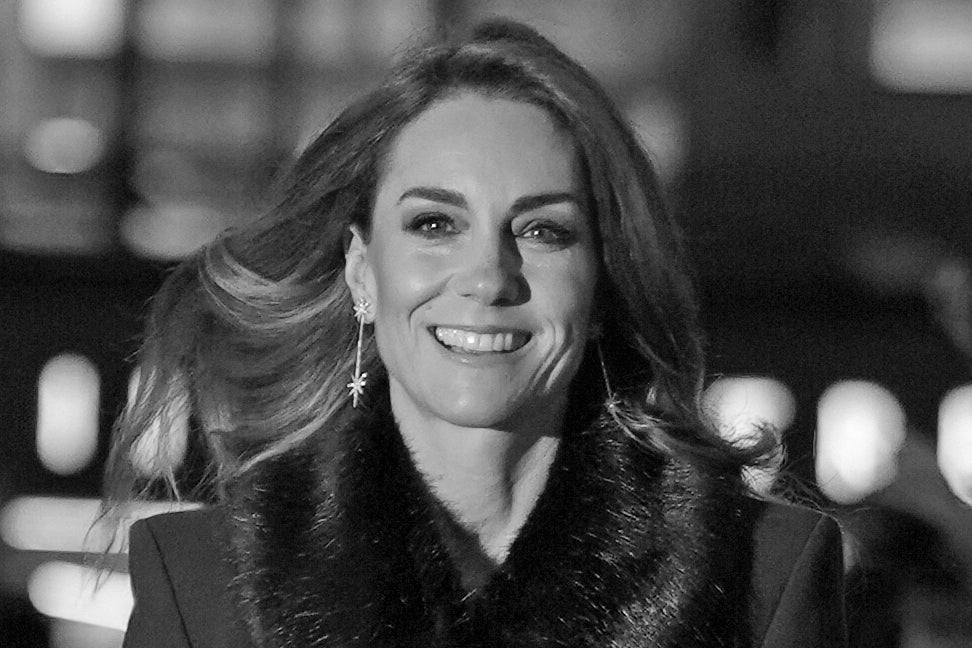
Despite her personal challenges, her mission to shine a light on early childhood development has gone from strength to strength. Working with the Royal Foundation, she has pioneered several initiatives exploring the links between early life and huge social challenges such as addiction and mental health problems in adulthood. In December 2025, she hosted her fifth annual “Together at Christmas” carol service, joining community inspirations and young leaders to focus on the power of connection and community.
Amid a difficult year for the royal family, Kate’s stoicism and commitment to her values serve as a powerful reminder of duty and responsibility.
5. Shabana Mahmood
Shabana Mahmood is redefining the traditional image of a home secretary. A Muslim with Pakistani parents, she grew up in Birmingham, where her father owned a corner shop and was chair of the local Labour Party. She attended a girls’ grammar school before studying law at Oxford.
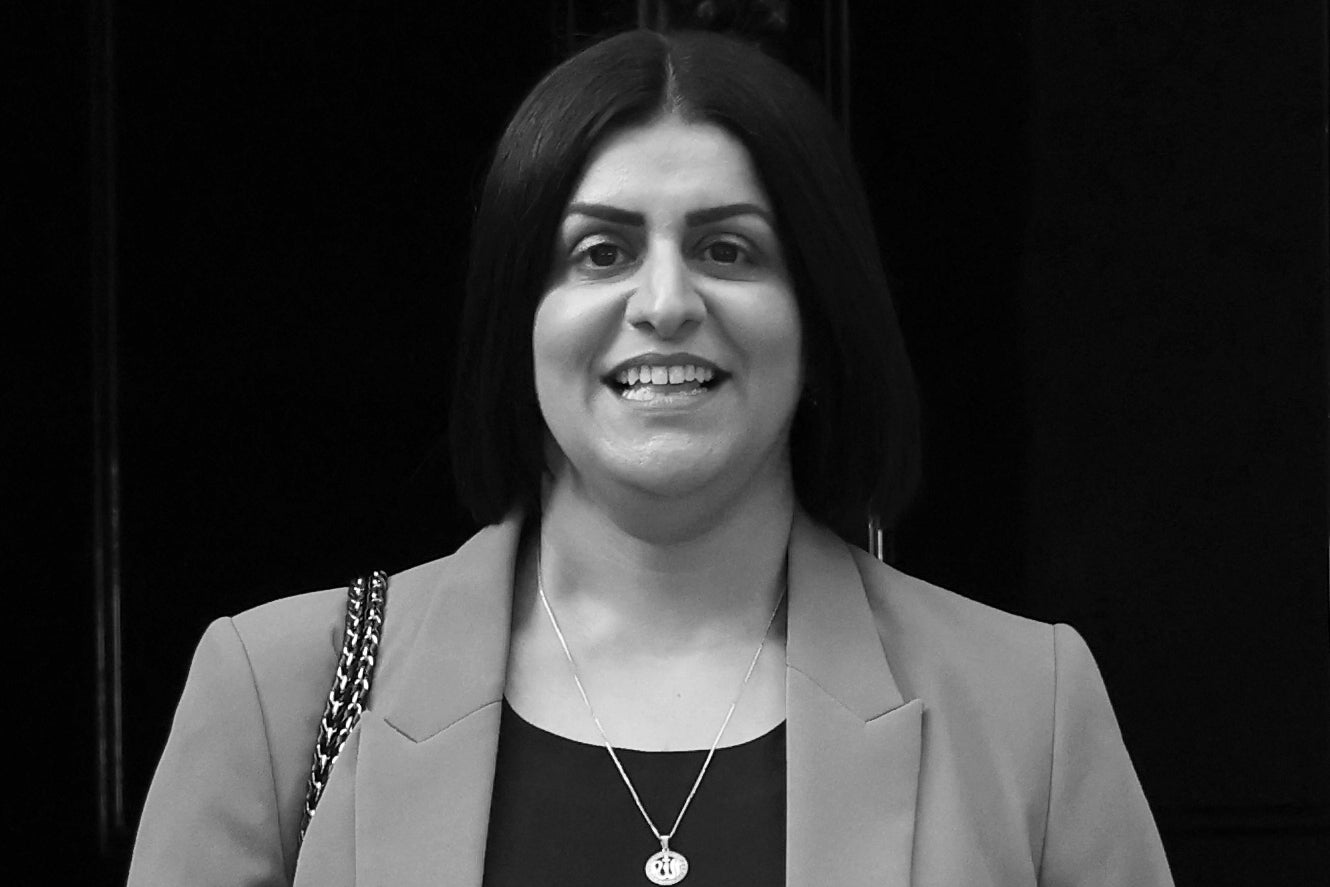
Mahmood was a practising barrister until 2010, when she was elected MP for her home constituency of Birmingham Ladywood. A parliamentary constituency with one of the highest unemployment rates in the West Midlands and where most constituents are non-white, she is still the area’s MP today.
She served in the Labour Party’s Treasury team before rising quickly through ministerial ranks, and is renowned at Westminster for her no-nonsense approach and working 16-hour days. Her hardline views on immigration have left her a controversial figure among the more left-wing party faithful, with her insisting “illegal immigration is tearing the country apart”. But many look to her as a potential successor to Sir Keir Starmer, and her influence puts her in the top five on our list.
6. Claudia Winkleman
Queen of TV Claudia Winkleman lights up every screen she graces. The presenter, famed for her signature fringe and fake tan combination, ended last year by leaving the very show that helped make her name, Strictly Come Dancing, after 22 years associated with the BBC hit. It was a huge decision for the star – but while she may be hanging up her dancing shoes, she remains one of the biggest names in the business. She is launching her own prime-time BBC chat show next week, an honour Winkleman said had left her “over the moon”. It will follow her hosting of the stratospherically successful reality show The Traitors, which owes much of its success to her dry quips, camp set-pieces and inimitable sense of style.
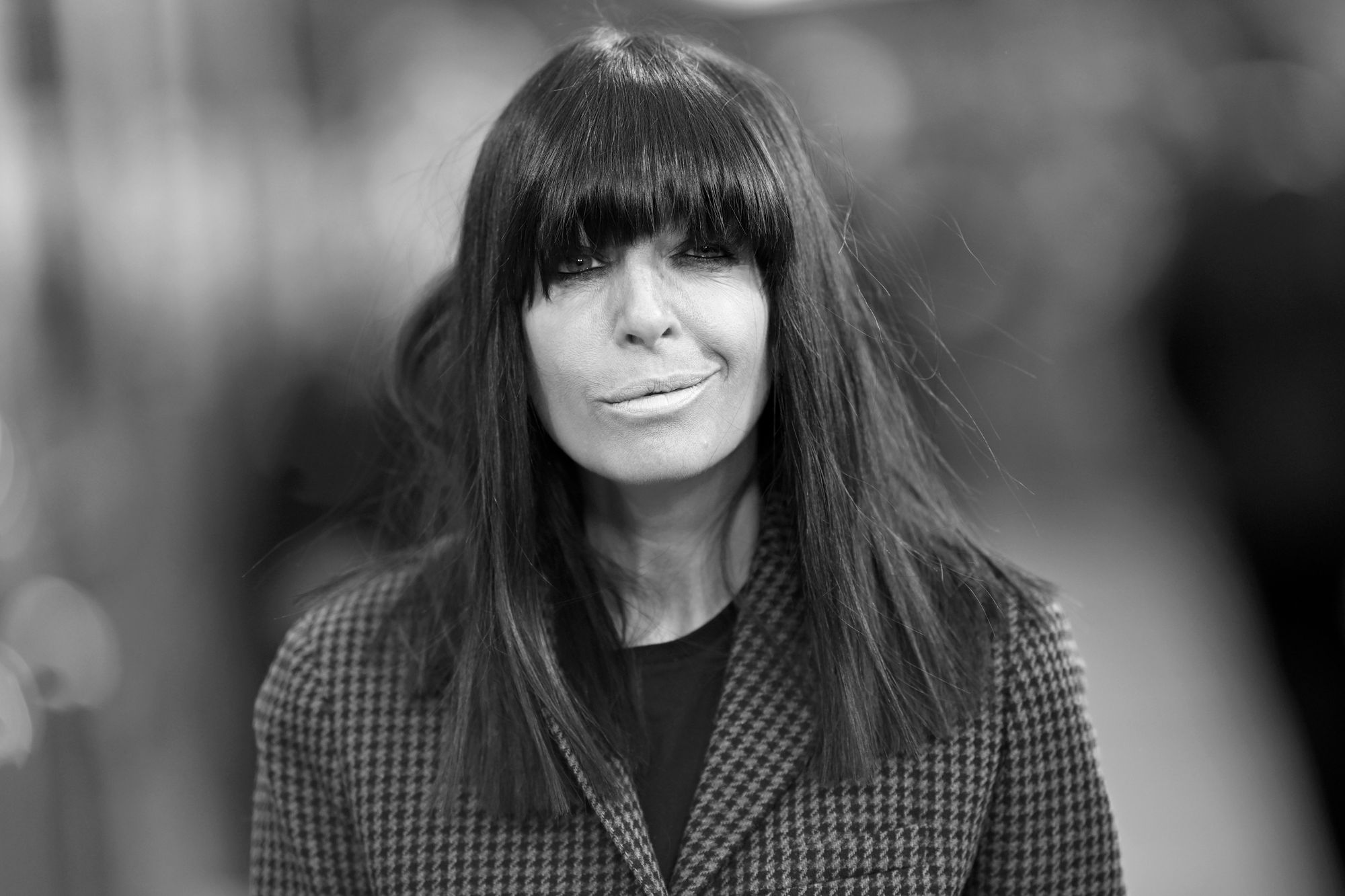
Last summer, Winkleman was recognised for her services to broadcasting at Windsor Castle, where she was made an MBE by King Charles III. Her warmth, wit, and charisma have earned her national treasure status and a high ranking for the third year running in our influence list.
7. Blaise Metreweli
Blaise Metreweli is the first woman to serve as chief of the UK’s foreign spy service, MI6. The agency’s 18th “C”, she has worked her way up through the intelligence services as a career officer. Because of the nature of her work, much of her background is shrouded in secrecy – but it is known that she spent most of her career working in the Middle East and Europe.
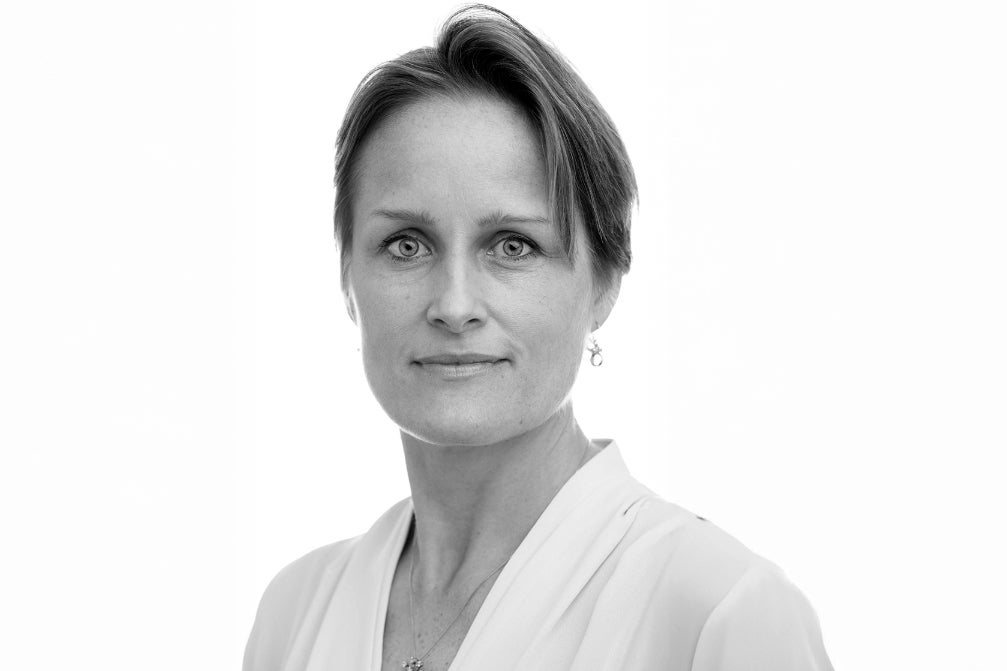
She later held roles as the director general of MI6’s Q section, responsible for technology and innovation, and also in MI5.
Her appointment, dubbed “historic” by the prime minister, comes at a time when Britain faces new and unprecedented security challenges from across the world. Her influence in work that keeps Britons safe every day sees her named at number seven on this year’s influence list.
8. Indhu Rubasingham
Indhu Rubasingham made history last year by becoming the first woman and the first person of colour to lead the National Theatre. Having taken north London’s Kiln Theatre from strength to strength after a decade in charge, from a controversial name change and much-needed building upgrade to a dazzling artistic programme that included convincing Zadie Smith to write her first play, she was the obvious candidate for the biggest job in British theatre. Rubasingham has always had a distinctive ability to pinpoint and champion work that is alive to political issues while maintaining a joyful creativity.
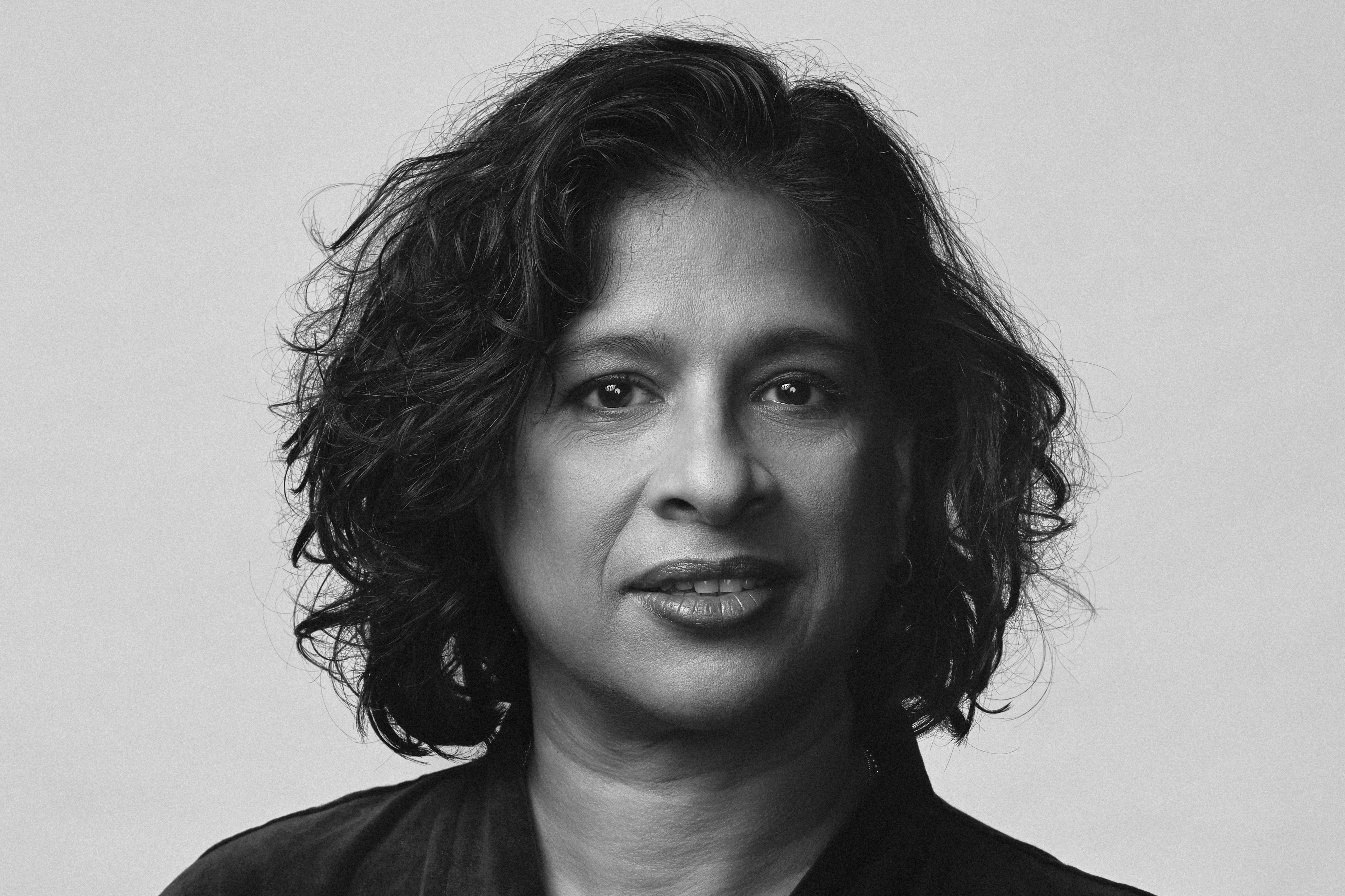
The path has been far from straightforward – she previously revealed that, in her early days, she was told the best way for her to have a career in theatre was for her to start an Asian company. But Rubasingham – endorsed by former colleagues as brave and fearless – has shown her mettle, and the great and good of the acting world are flocking to work with her. Her first season is nothing if not a reflection of this, bringing A-list star casting like Paul Mescal and Cate Blanchett, as well as a musical from British grime legend Stormzy.
Speaking to The Independent for International Women’s Day, Rubasingham spoke of the contributions women have made to support her throughout her career. “No one does anything on their own, no matter what the narrative, what the news report, what the headline, we all need to help and support each other,” she said.
“So many opportunities, kindness… women just going, ‘We see you, we know what you’re going through and don’t worry,’ just that reassurance that we need to give each other is just really crucial and I’ve had that peppered throughout my whole career.”
9. Margaret Aspinall
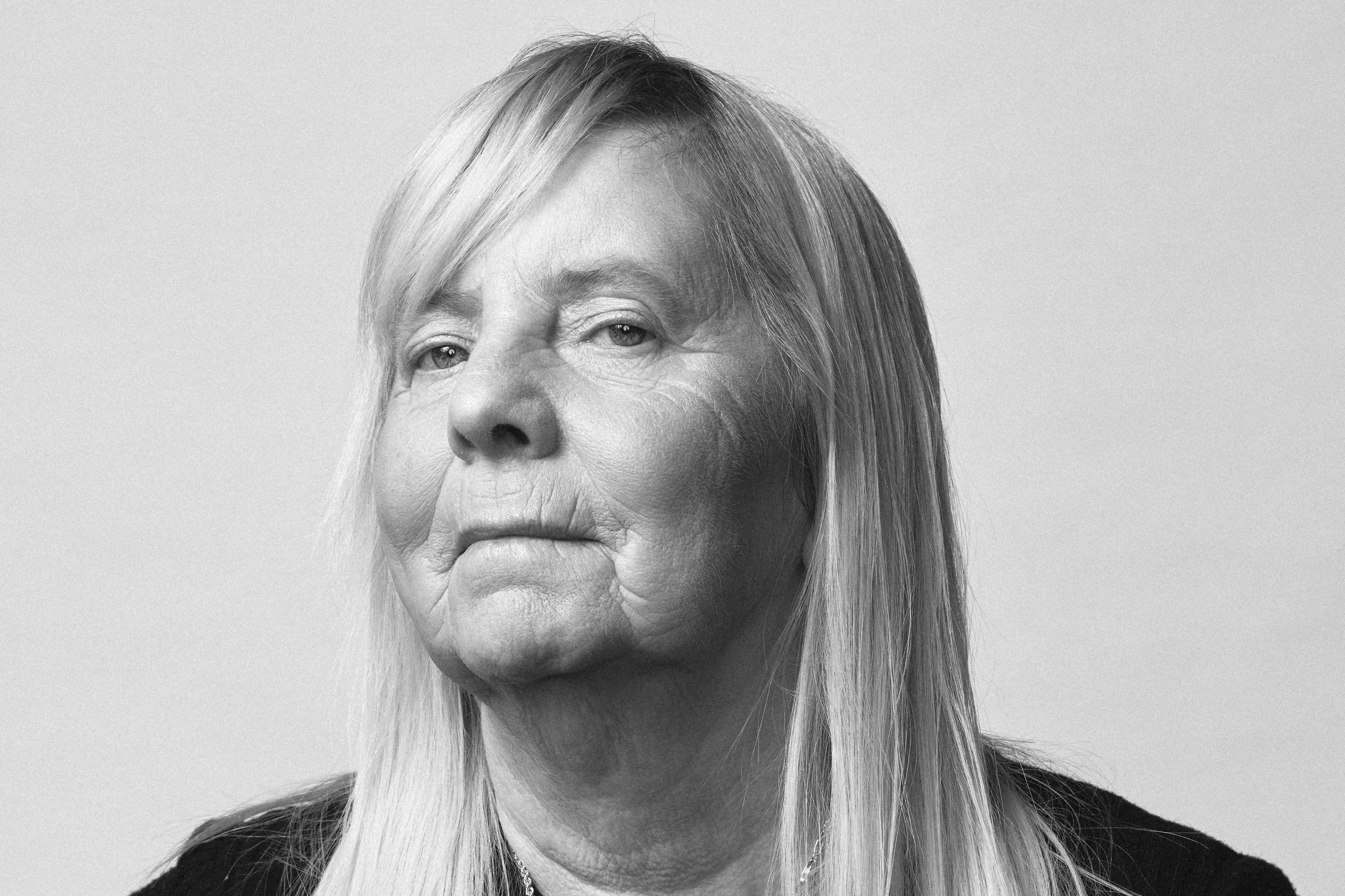
Margaret Aspinall has been at the forefront of a tireless 37-year campaign for justice after the Hillsborough disaster. It has been a campaign met with hurdle after hurdle, but she has refused to give in – demanding the truth, accountability and a change in the law. That long fight reached a vital landmark in September 2025, with the introduction of the Public Office (Accountability) Bill, known as the Hillsborough Law.
Her son James was only 18 when he was one of 97 Liverpool fans who were unlawfully killed at the FA Cup semi-final in 1989. The new law will legally compel public officials to act with candour and transparency, and aims to prevent cover-ups.
The same month the bill was brought to parliament, Aspinall introduced the prime minister before his keynote address to the Labour Party conference in her home city. In her own speech, which was met with a rapturous round of applause, Aspinall warned the government against “watering down” a law that would mean nobody has to endure what she has battled for four decades.
Speaking to The Independent for International Women’s Day, Aspinall reflected on her years of campaigning: “What kept me going obviously was the love of my child, but also, when you looked at the families, the love that they had for their children and their husbands, their fathers, or no matter who they were.
“They all suffered… but it always takes a woman to try and change things for the good.”
10. Sarah Mullally
Dame Sarah Mullally made history when she was named as the first female archbishop of Canterbury at the start of this year. If her presence at the top of the Church of England wasn’t groundbreaking enough, she has also vowed to talk openly about misogyny in a sphere that has long been seen as exclusively a male domain. The former chief nursing officer is determined to change that.
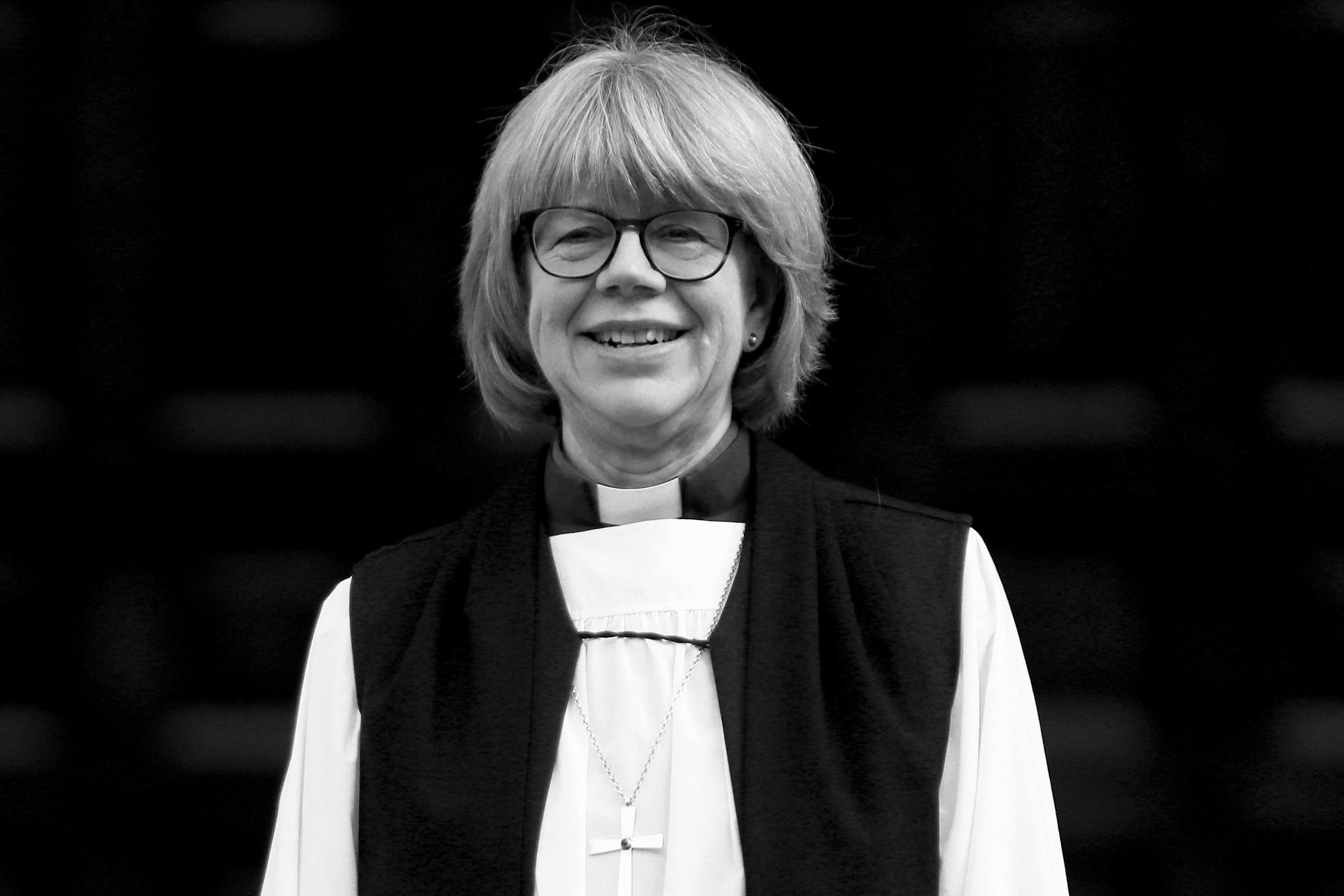
Speaking as she was confirmed in January, she said: “I’m conscious that being in this role, it’s important for me to speak of it [misogyny], because there are some that don’t necessarily have the status or power of this role, and feel more hesitant to do it. I commit myself to making an environment where all people can flourish and which is safer for all.”
She has faced backlash from her appointment, both from those who do not believe a woman is suitable for the archbishop role and from critics of her decisions during her time as bishop of London. But the gravity of her historic appointment earns her a place in the top 10 on this year’s list.
11. Kemi Badenoch
In a challenging year for the Conservative Party, leader Kemi Badenoch has shown resilience. As senior politicians and trusted shadow cabinet members turned their backs on her in favour of Reform UK, Badenoch held her nerve, painting her party as the one of “serious people” over “drama queens”.
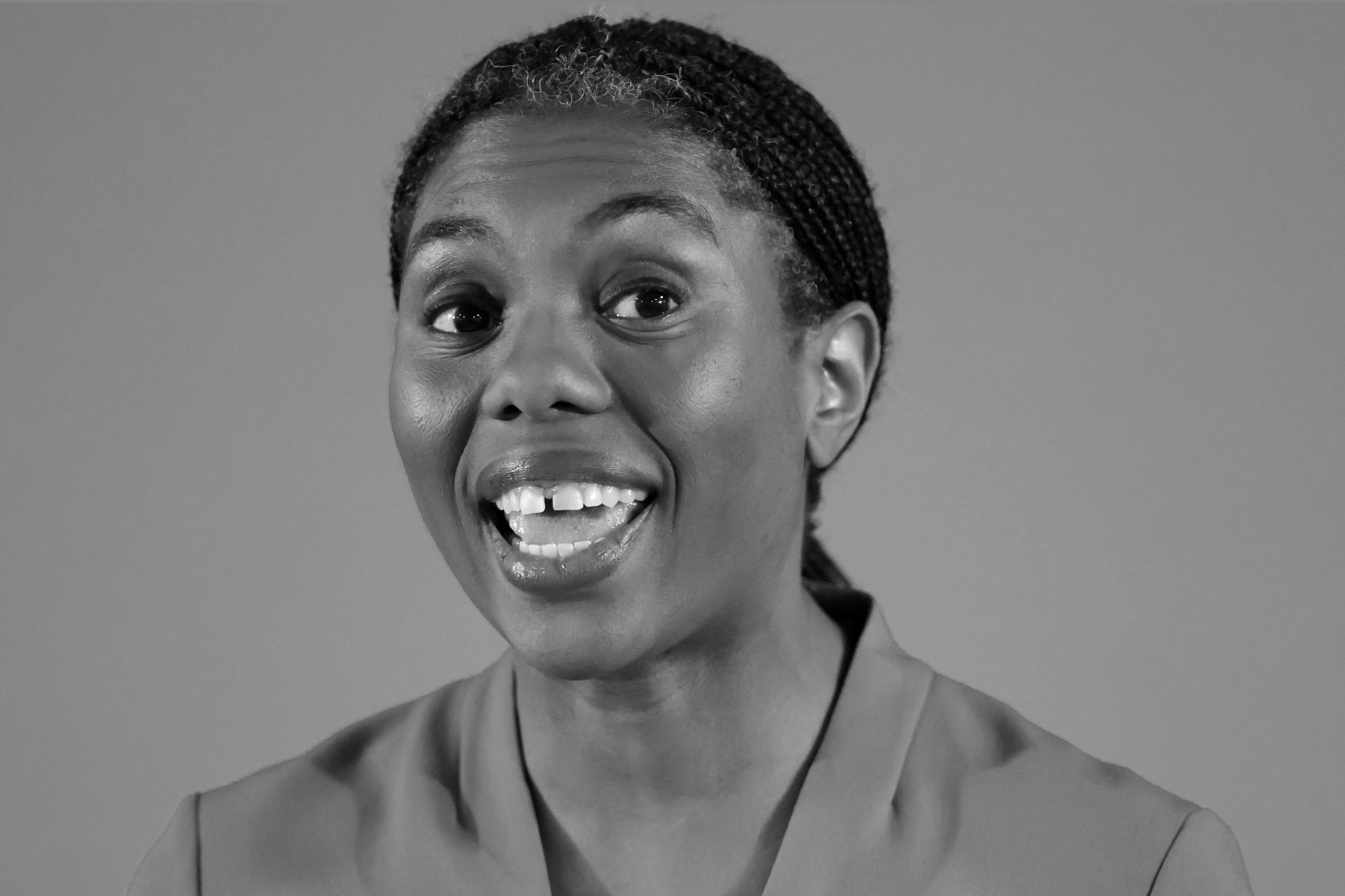
In October, she made headlines with her controversial announcement that she would withdraw the UK from the European Convention on Human Rights (ECHR) if the Conservative Party won the next general election. Criticised by many as trying to ape Reform UK – the party many of her own politicians have defected to – she has insisted that what sets her party apart is her rejection of identity politics.
As the first Black leader of a major UK political party, her ascension is extraordinary – but she won’t make much noise about that. Instead, she prefers to focus on her job of challenging the government and championing what she calls “anti-woke” values. Speaking about what separates her Tories from Reform and Labour, she said: “Both deal in grievance, both divide our country into tribes and labels. Both practice identity politics, which will destroy our country. And I am saying no. No to division and no to identity politics.
“What Britain needs is national unity. I am Black, I am a woman, I am a Conservative.”
12. Lucy Bronze
Shortly after the Lionesses lifted their second consecutive European Championship trophy, Lucy Bronze made a shock announcement. She had played the entire tournament with a fractured tibia and in “immense pain”. Not that anyone would have known. She started every game, and produced an iconic England moment in the quarter-final against Sweden as she first wrapped up her own hamstring injury, only to rip off the bandages while marching forward to score in the penalty shootout.
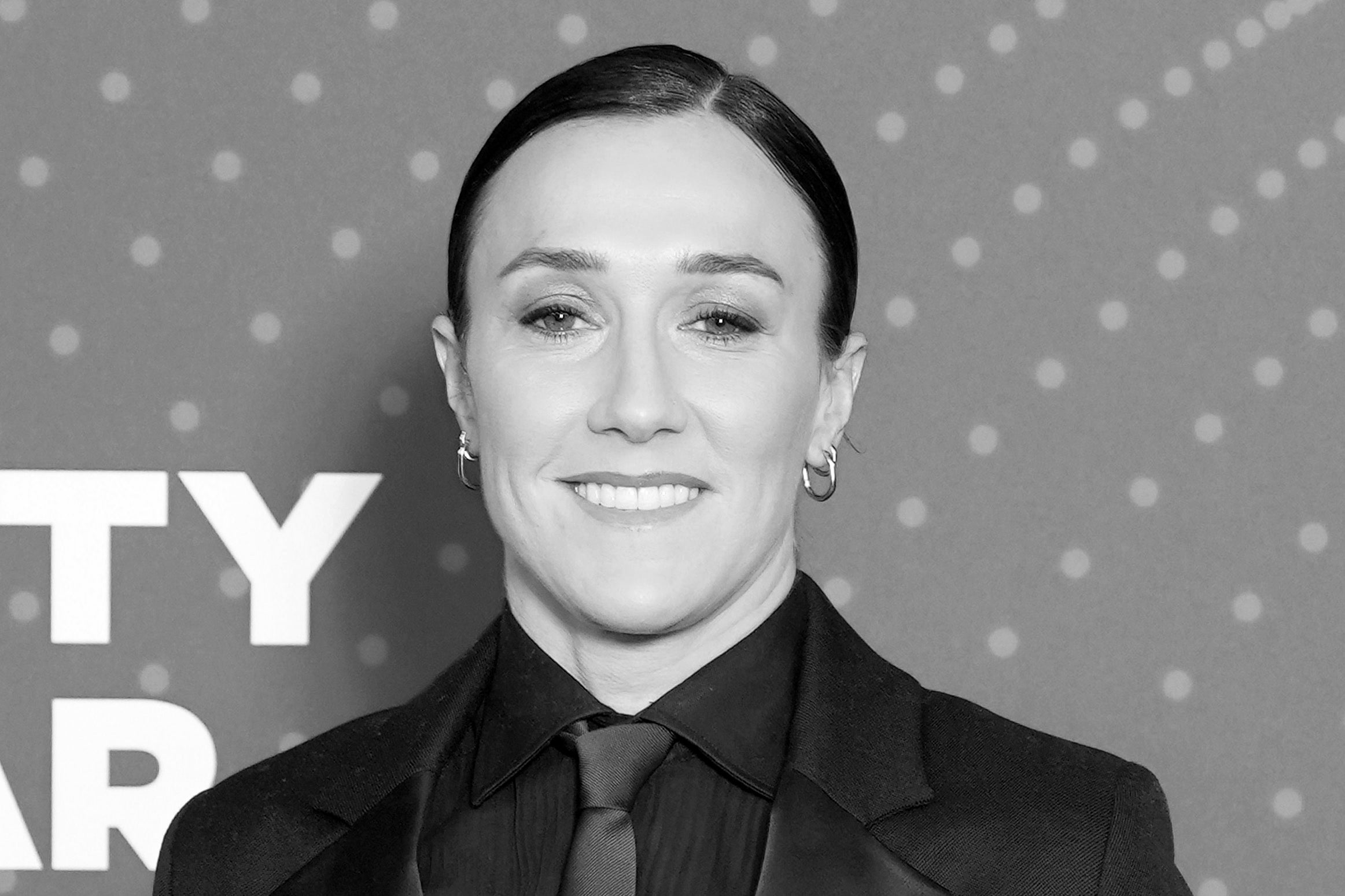
“What defines her is that resilience, that fight,” England manager Sarina Wiegman said. But Bronze has made a habit of powering through challenges to achieve her goals. Over the last year, she has also spoken openly about her experiences with autism spectrum disorder (ASD) and attention deficit hyperactivity disorder (ADHD) – something she discovered she had during a Lionesses training camp.
“I just learned more about myself, understood why in certain situations I saw things differently to other people or acted in a different way to other people,” the 34-year-old said. She has spoken about how her diagnosis has allowed her to achieve on her own terms. “All the things I have because of autism have worked in my advantage,” she said, at a time when women’s experiences with neurodiversity are still rarely heard.
13. Queen Camilla
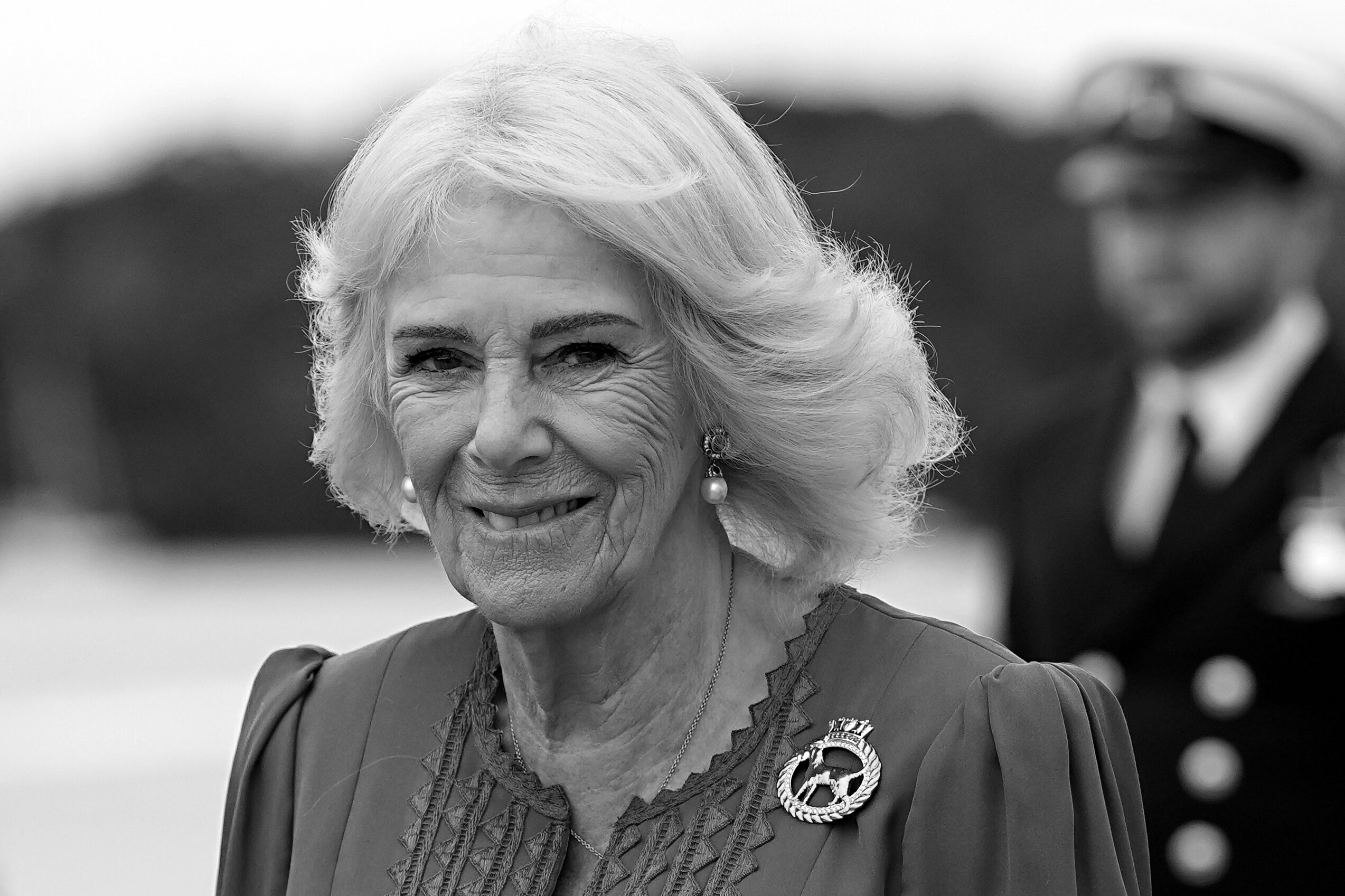
Queen Camilla has been a lifelong advocate for women facing domestic and sexual abuse. But last year she opened up about her own experience of indecent assault for the first time, speaking candidly about how she had been attacked on a train to Paddington station when she was 16 or 17 years old. Camilla said she had been able to fight the man off by hitting him with the heel of her shoe after he touched her, and had managed to get him arrested once the train pulled into the station.
She has used this personal experience to advocate for education and a focus on young men to ensure they do not become perpetrators of abuse. In a conversation with John and Amy Hunt, whose family were killed in a crossbow attack carried out by Louise’s ex-boyfriend, she said: “If you can get them early enough and teach them respect for women, I think that’s so important to get into schools … and the more I look at it, it is the most important thing we can do now.”
The Queen’s continued commitment to highlighting the evils of domestic abuse and her bravery in speaking out over her own experience has earned her a place on the influence list for the fourth consecutive year.
14. Olivia Dean
Olivia Dean’s star is firmly in the ascendant. Having broken through in 2025 with hit singles “Man I Need” and “Nice to Each Other”, she became the first British woman to debut at number one on the UK albums chart since Adele (who did so in 2021) with her second album, The Art of Loving. She launched a charm offensive of the US – performing on late-night shows including Saturday Night Live and The Tonight Show With Jimmy Fallon – that helped push the record from number 82 on the US charts to number three by mid-January of 2026. She was honoured with the Grammy for best new artist that same month, before reigning over the Brit Awards by winning in all four of the categories she was nominated in.
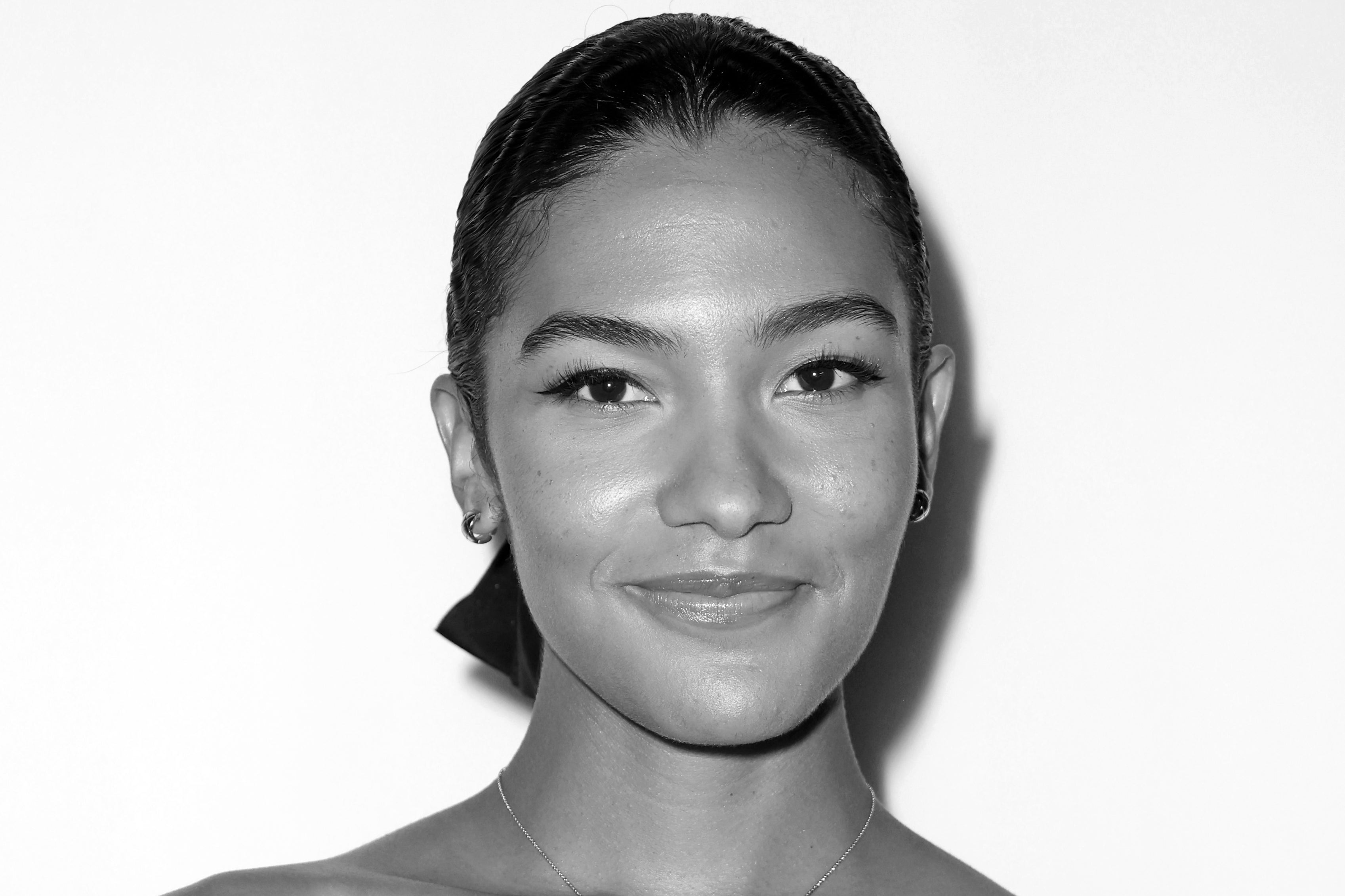
Dean’s soulful pop sound plays a huge role in her appeal – there’s a lightness to it that serves as a balm in our fractured world – as does her favoured theme of contemporary romance. Songs such as “Nice to Each Other” urge her partner to live in the moment and enjoy one another’s company, while “Loud” chastises a lover for pursuing her, then going quiet once he gets what he wanted. She’s a truly modern artist making music that feels wonderfully timeless.
She has also used her powerful platform to openly criticise Ticketmaster and other ticketing platforms for allowing tickets to her upcoming tour to be resold by scalpers at huge mark-ups, labelling the market “exploitative and unregulated”. The outcry saw Ticketmaster and AXS cap resale ticket prices for Dean’s tour and provide refunds for fans who paid above face value. The result showed Dean’s determination to secure meaningful artistic agency over her own performances and treatment of her fans.
15. Ellie Kildunne
Ellie Kildunne is the face of England women’s rugby. Aged 26, she emerged as the brightest star from a supremely talented Red Roses squad who ruthlessly played their way to the very top last summer, lifting the World Cup on home soil.
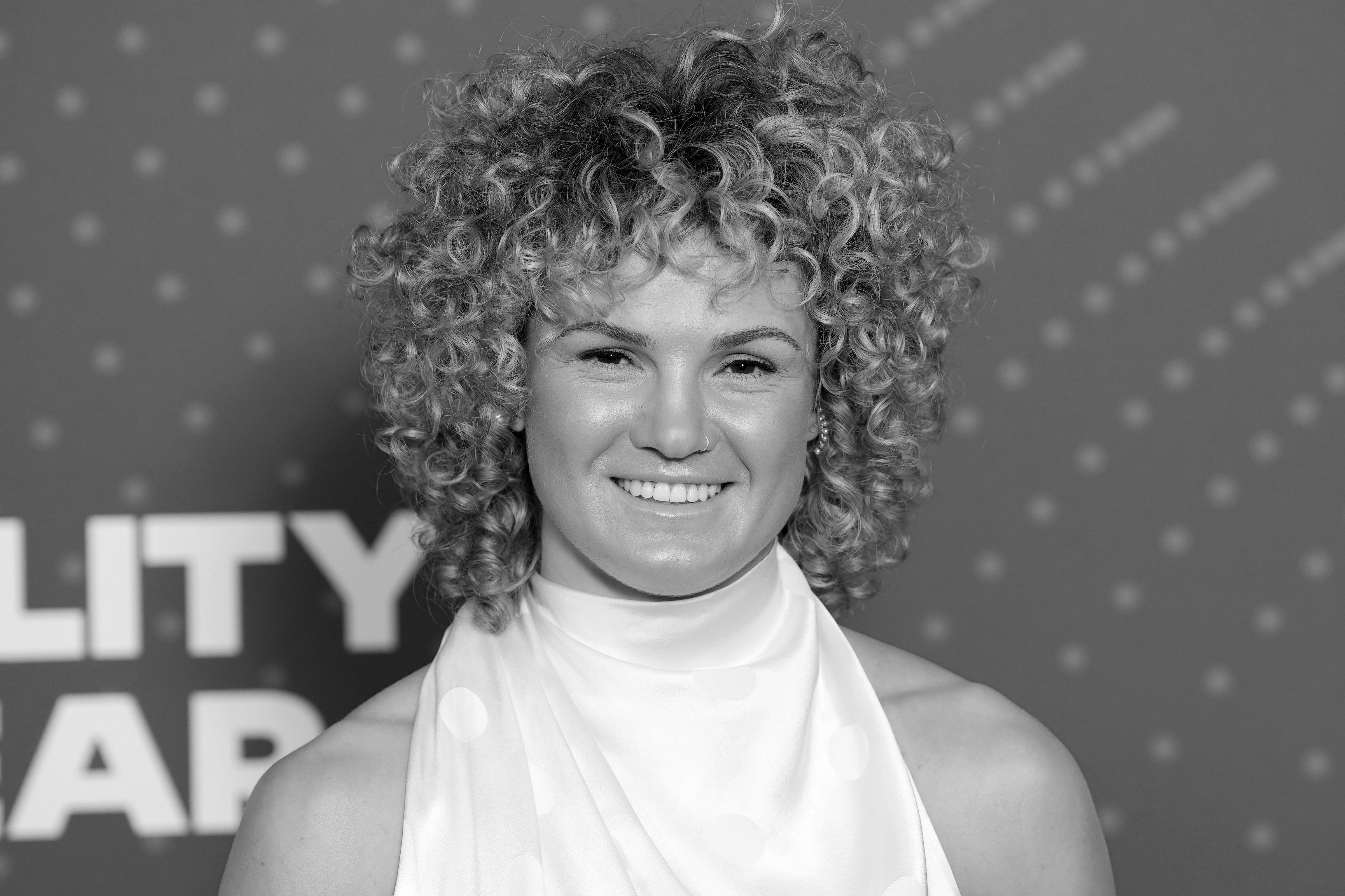
The fullback has magic in her boots and dazzled with two tries in the semi-finals, followed by another individual score to light up the historic final against Canada at Twickenham. But she is also a clear leader both on and off the pitch, a charismatic force who has come to encompass so much of the confidence and flair England is known for.
She has a magnetic quality that has attracted her own legion of fans and it is that appeal that helped Kildunne finish second at the BBC Sports Personality of the Year in 2025, as the first-ever female rugby player to be nominated for the prestigious accolade. Her achievements have also been recognised by Barbie-maker Mattel, who chose Kildunne as one of four female professional rugby players to honour with a doll of their own.
16. Amy Hunt
In the most painful of circumstances, Amy Hunt has bravely spoken out about women’s safety. In 2025, along with her father BBC racing commentator John Hunt, she launched the Hunt Family Fund in memory of her mother Carol and sisters Hannah and Louise. The fund raised over £250,000 for nationwide charities combating violence against women, and gave a platform to a vital conversation about domestic abuse.
She has spoken publicly about the “rampant” online radicalisation of young men, including in conversation with Queen Camilla, advocating for educating against misogyny in schools alongside the Queen.
The Hunt family’s lives were shattered in July 2024 after Amy’s mother, Carol, and sisters Louise and Hannah were killed in their Hertfordshire home by Louise’s ex-boyfriend, Kyle Clifford.
Amy told the BBC that the minute Clifford left their home on the day of the incident, “my mum, Hannah and Louise became a statistic. They became victims of Kyle Clifford.
“I want to breathe life back into my mum, Hannah and Louise as fully-rounded people.”
17. Sarina Wiegman
Sarina Wiegman may be Dutch, but with two consecutive Euros titles secured for the Lionesses under her calm leadership, she has earned her status as a legend of English football. So much so, she was given an honorary damehood in last year’s New Year Honours list.
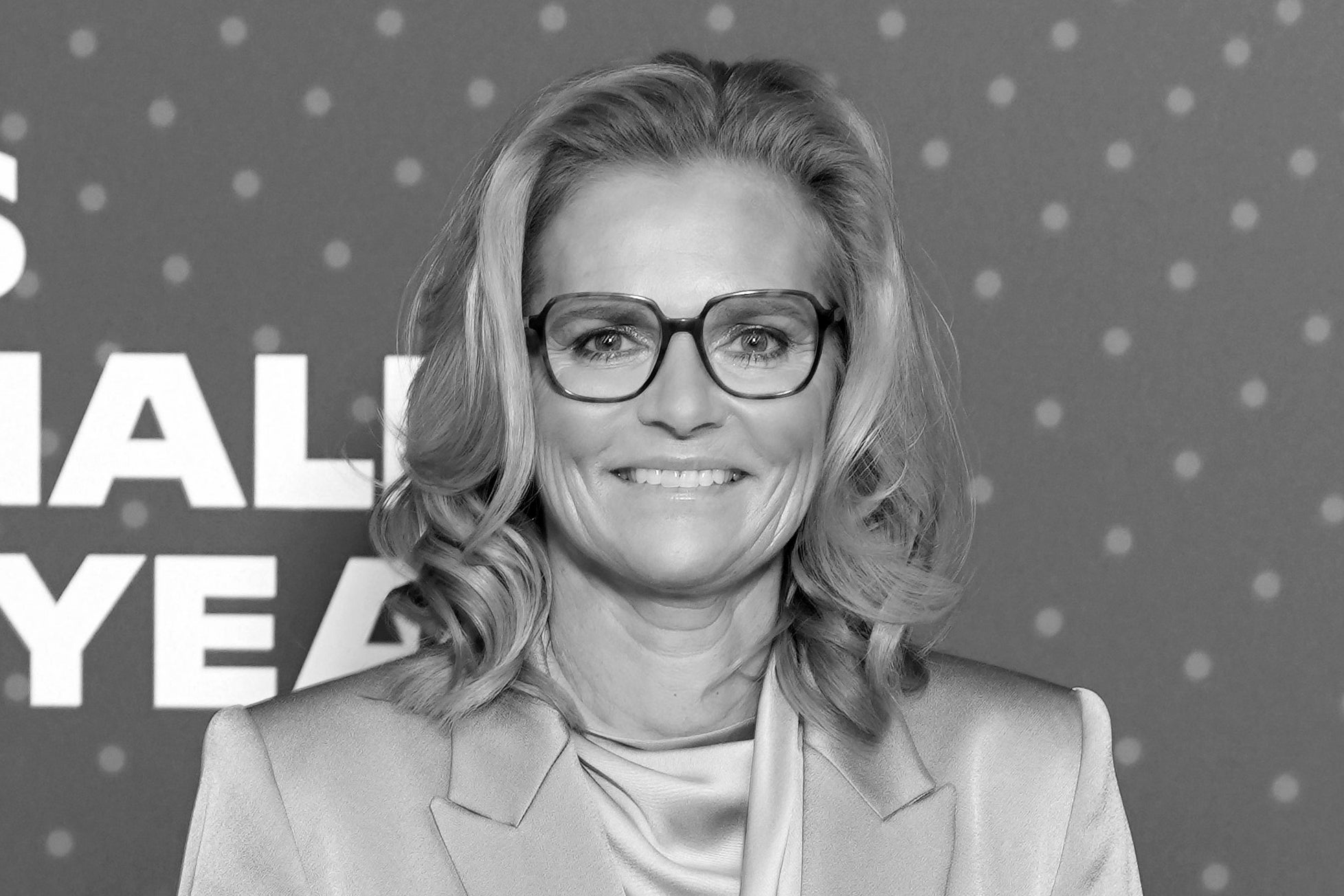
The first-ever men’s or women’s manager to reach five consecutive major international tournament finals, Wiegman has smashed records throughout her five years at the helm. At Euro 2025, she empowered her players, helping them stay together in difficult moments, and brought an important clarity to help decide the frantic final stages of England’s knockout games.
Her success at the Euros saw her named women’s coach of the year at the 2025 Ballon d’Or awards and BBC sports personality coach of the year for a second time. Picking up the award, she had one message: “I would like to say that every coach – especially every female coach – enjoy yourself, have fun. You can absolutely make a difference.”
18. Karen Carney
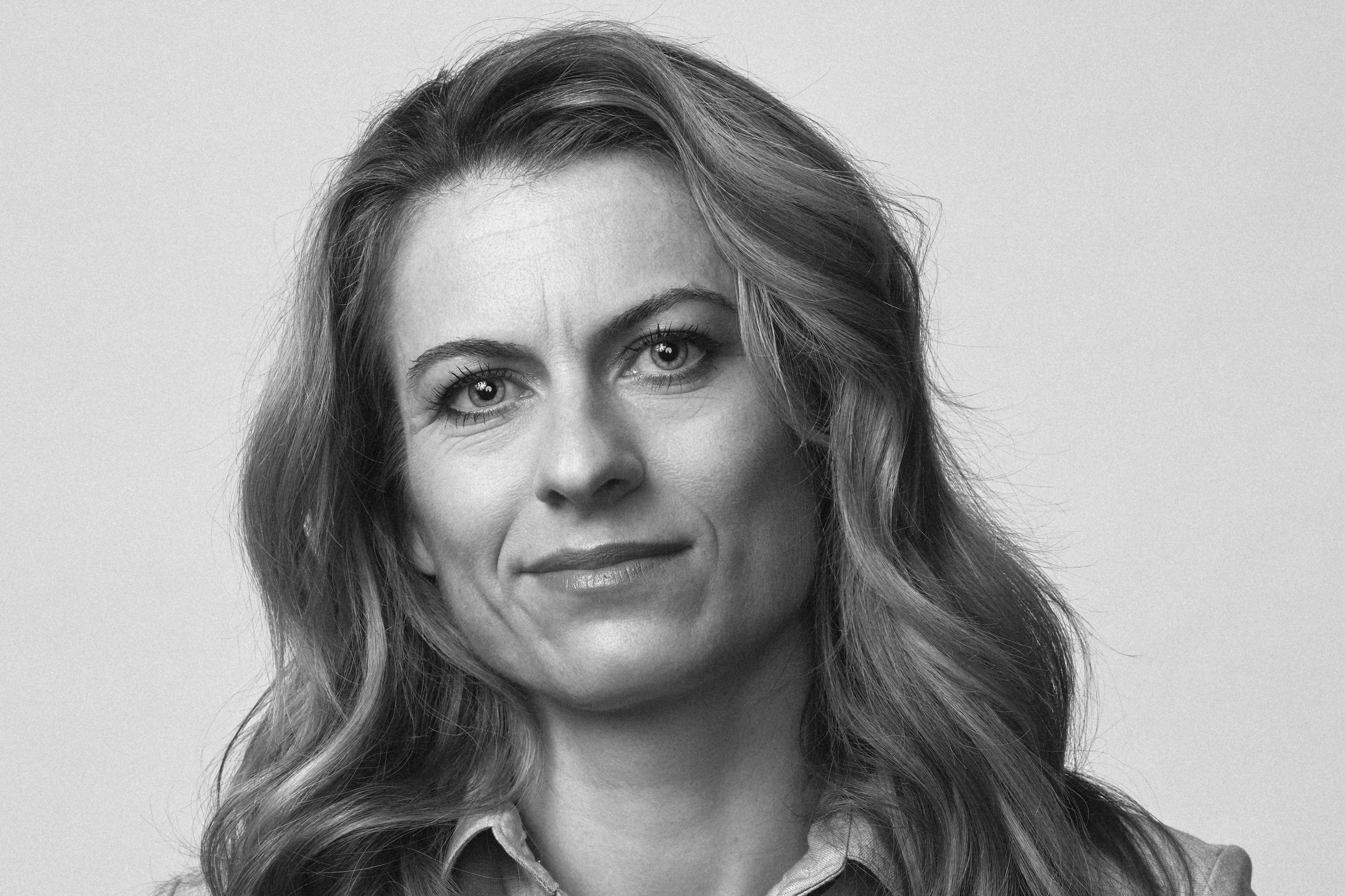
When Karen Carney announced her retirement from football in 2019, she had already cemented her place in Lionesses history as the third-most capped England player of all time, a fitting legacy for one of the greatest players of her generation and an electric winger known as “the wizard” for her technical skill.
But Carney wowed crowds on a different stage in 2025, lifting Strictly Come Dancing’s coveted glitterball alongside professional dancer Carlos Gu. The first footballer to lift the trophy, she won the nation’s hearts through her impressive dancing and honesty over online abuse she had received as a leading female pundit covering the men’s game.
Speaking to The Independent about the importance of female relationships in her life for International Women’s Day, Carney said: “I think I’m really lucky to have amazing teammates that actually are my friends and it goes beyond the football pitch.
“I just think friendship is just beyond what you think it initially is when you join.”
19. Dame Esther Rantzen
Dame Esther Rantzen has been a vocal and passionate champion of the assisted dying bill following her own diagnosis of stage four lung cancer in 2023. The controversial bill, which passed the Commons in a historic vote in June 2025, now looks set to fail after deliberation in the Lords. She has used her voice to speak candidly about her experiences living with a terminal illness, standing up for those suffering in unimaginable pain and their families.
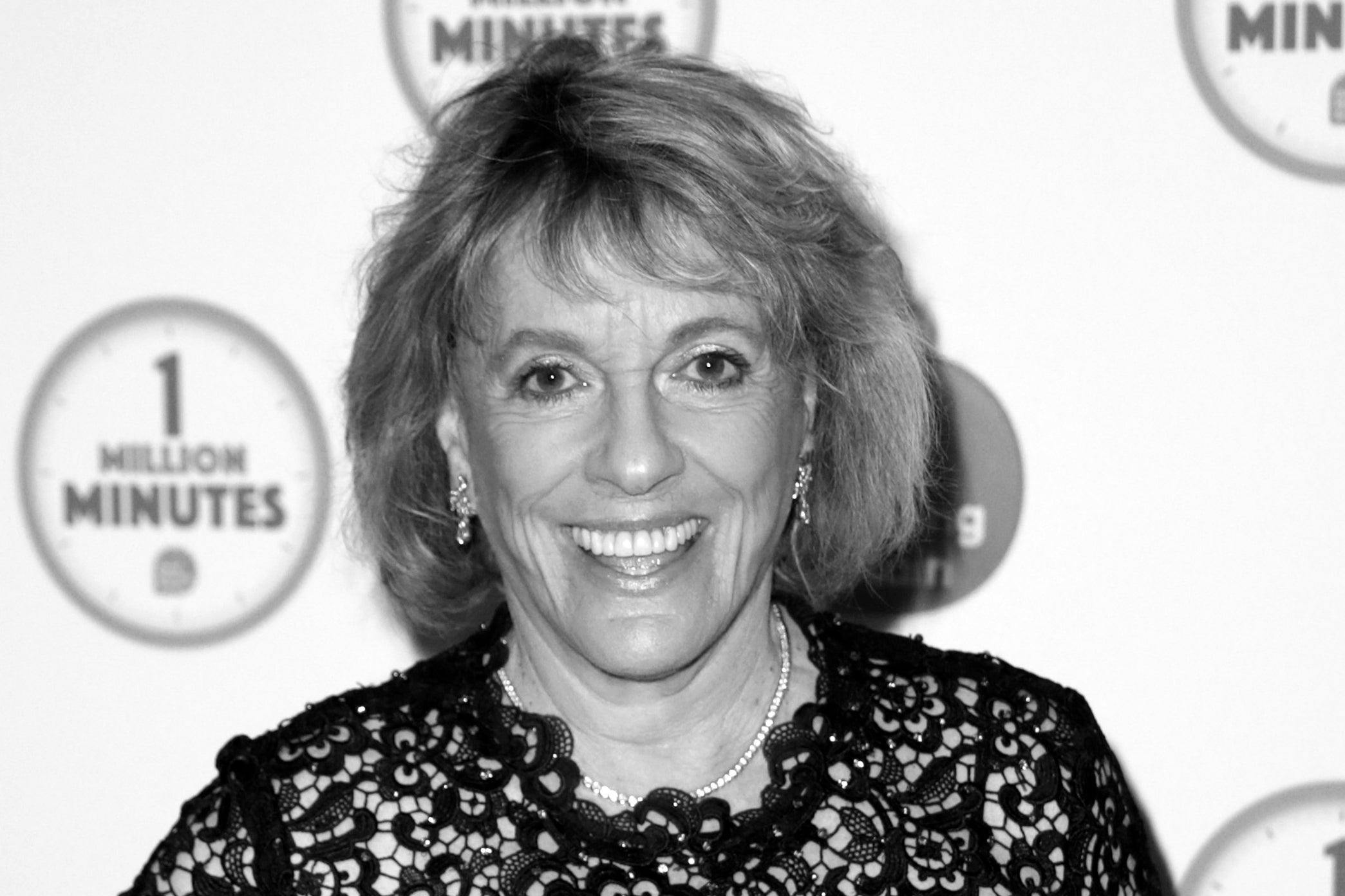
Dame Esther is among the high-profile critics of the law as it stands, branding it “cruel”. Alongside Kim Leadbeater MP, who introduced the bill to parliament, she has campaigned tirelessly for its passage, continuing to lobby the Lords as it approaches its day of reckoning in May.
She also backed The Independent’s recent SafeCall campaign, which helped charity Missing People launch a national lifeline designed to support the 72,000 children who go missing in the UK every year. Dame Esther said: “So many young people who suffer exploitation don’t feel they can ask for help and be listened to, at a time when they are scared, alone and vulnerable.
“This new service means at last there is a way to enable them to seek help with confidence and hope.”
20. Lucy Powell
Lucy Powell has soared through the Labour ranks over the last year, winning a hard-fought deputy leadership contest that propelled her into the heart of government. Her comeback came less than two months after she was shuffled out of Sir Keir Starmer’s cabinet following the resignation of her predecessor, Angela Rayner. But Powell demonstrated remarkable determination, restoring her place in the cabinet by beating rival Bridget Phillipson to be Sir Keir’s second in command.
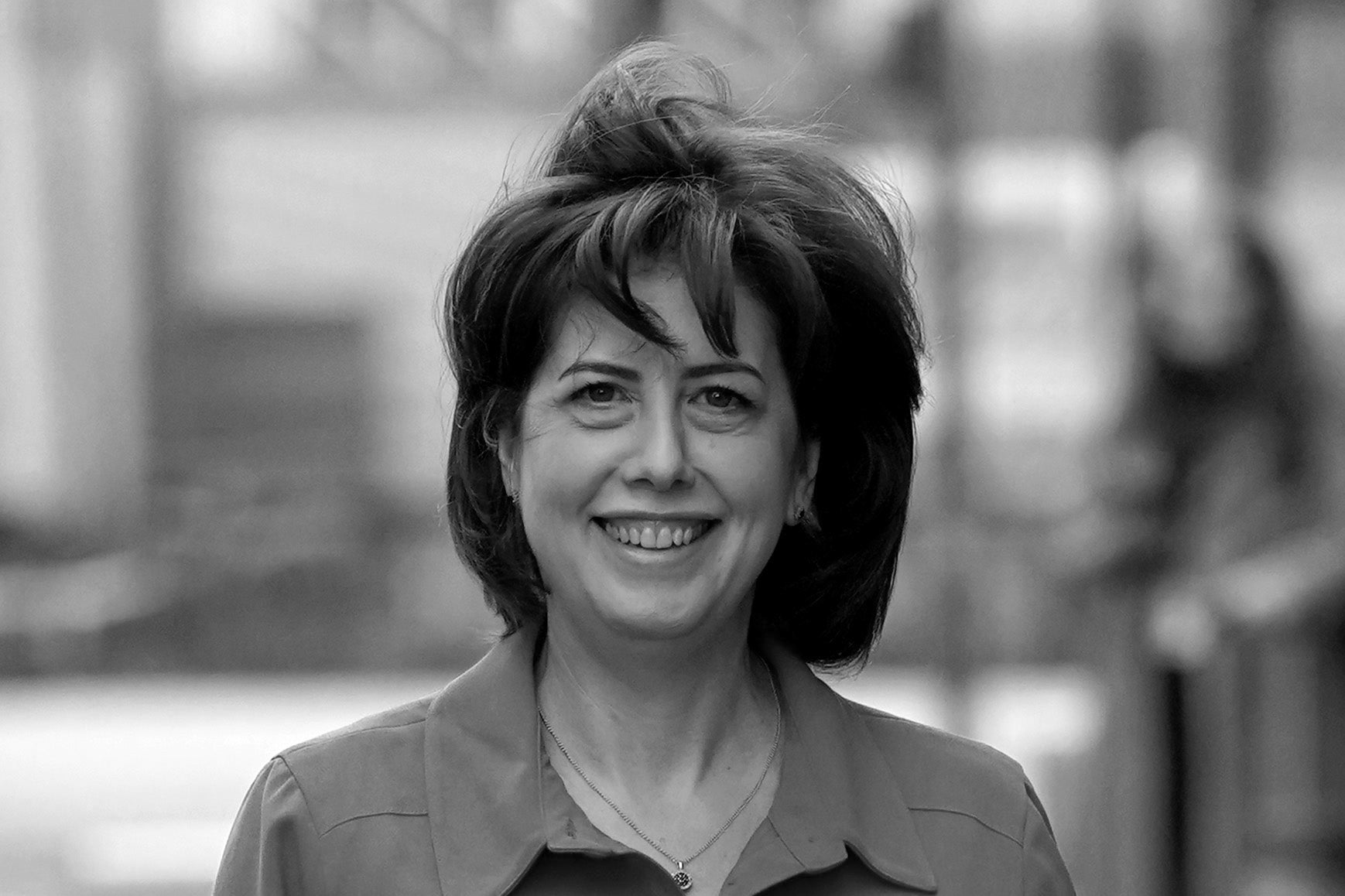
Powell is known for her commitment to “progressive Labour values”. She notably used her campaign platform to criticise the Equality and Human Rights Commission’s guidance on transgender issues, which was issued in the wake of the Supreme Court’s ruling on biological sex and has been criticised by trans campaigners.
She previously told The Independent that she has always fought for women’s rights, but sees “absolutely no contradiction in fighting for those things, whilst also at the same time being really clear that I support the trans community and people who are trans, who are some of the most marginalised, ostracised people in society, who suffer greatly with mental health and homelessness.”
21. Tracey Emin
“Britain’s greatest living female artist? Definitely,” declared The Independent’s review of Tracey Emin’s new show at the Tate, a major retrospective set to be one of the blockbuster art shows of the year. A Second Life, so-called because of how Emin sees the cancer she was diagnosed with in 2020 as a moment of artistic rebirth, is the crowning moment of one of the most talked-about careers in art.
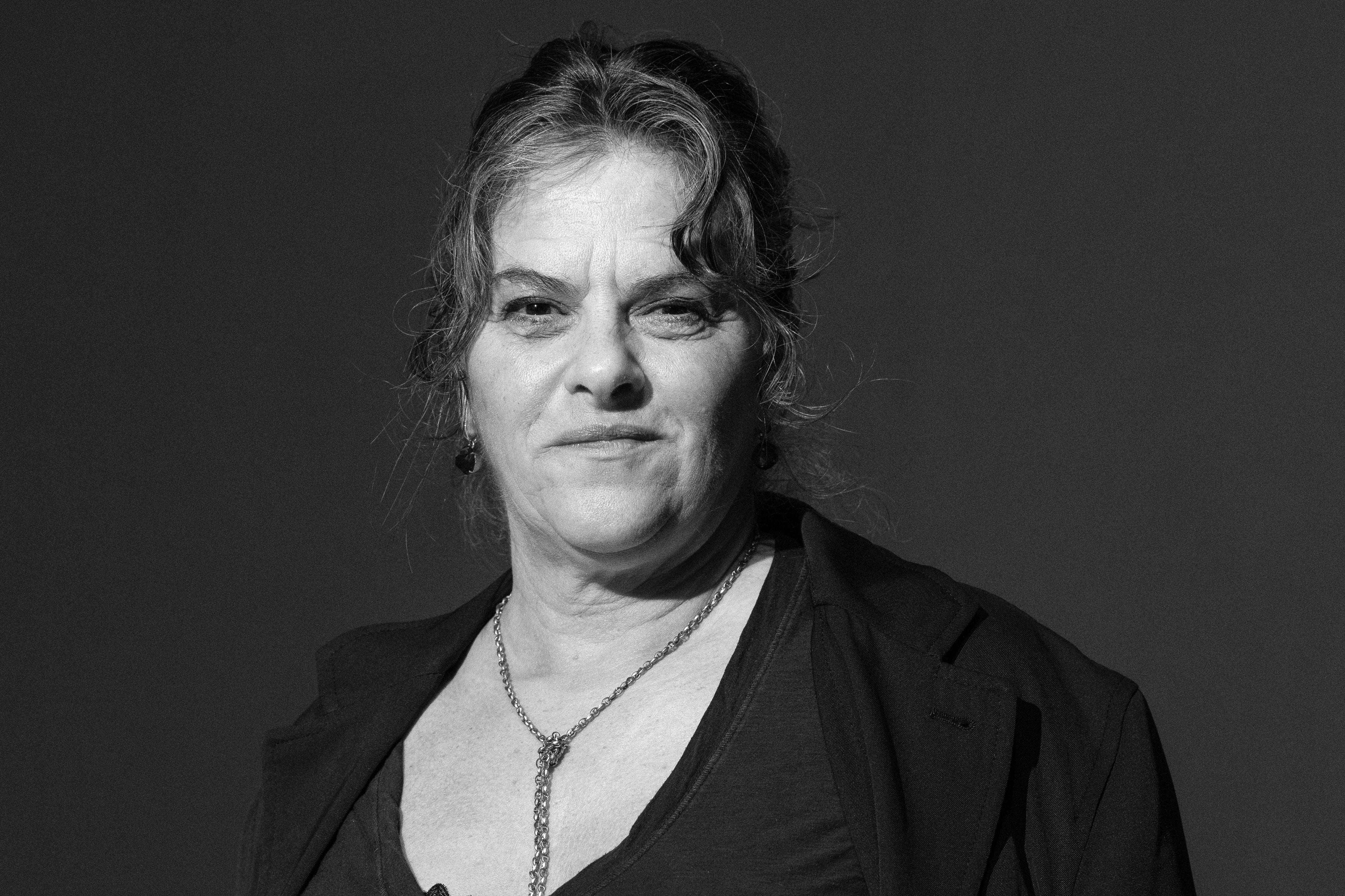
From her Turner-nominated work “My Bed”, which made her a leading figure in not just the Young British Artists movement but the 1990s Cool Britannia era as a whole, to her personal, expressionistic paintings, Emin has been a magnet for viewers and critics alike since she burst onto the scene. For her, the raw, unfiltered female body is a vessel for expression and confession, and nothing is off the table.
In 2025 she exhibited “Sex and Solitude” at the Palazzo Strozzi in Florence, Italy, and had a second show at Yale University in the US. Tate Modern’s A Second Life, curated by outgoing Tate boss Maria Balshaw, showcases some of her most famous works alongside others that have never been shown before.
Her status as the art world’s great survivor was confirmed by the fearless way she overcame recent health issues, after being diagnosed with bladder cancer during the pandemic – something she discussed with total frankness. “I thought, ‘Oh, this is so difficult,’ after I was told I may not be around at Christmas,” she told The Independent’s editor-in-chief Geordie Greig in 2024. “My tactic was, ‘I’ll just let death take care of itself, because if you’re going to die, you’re going to die; I’ll get on with the living.’”
It is this journey that her Tate show will centre around: her near-death experience with cancer, and her joy emerging from it. Speaking to Greig once again ahead of her Tate show, she said: “I put all my energy into art, always have done, always will – against death or illness or pain, art wins. I feel lucky, and I feel happy.”
22. Sally Wainwright
Sally Wainwright is behind some of the country’s most beloved TV shows, including Gentleman Jack and Happy Valley. She is famed for her funny, heartfelt, and authentic stories, which never shy away from showcasing complex women, and her 2025 drama Riot Women was no exception.
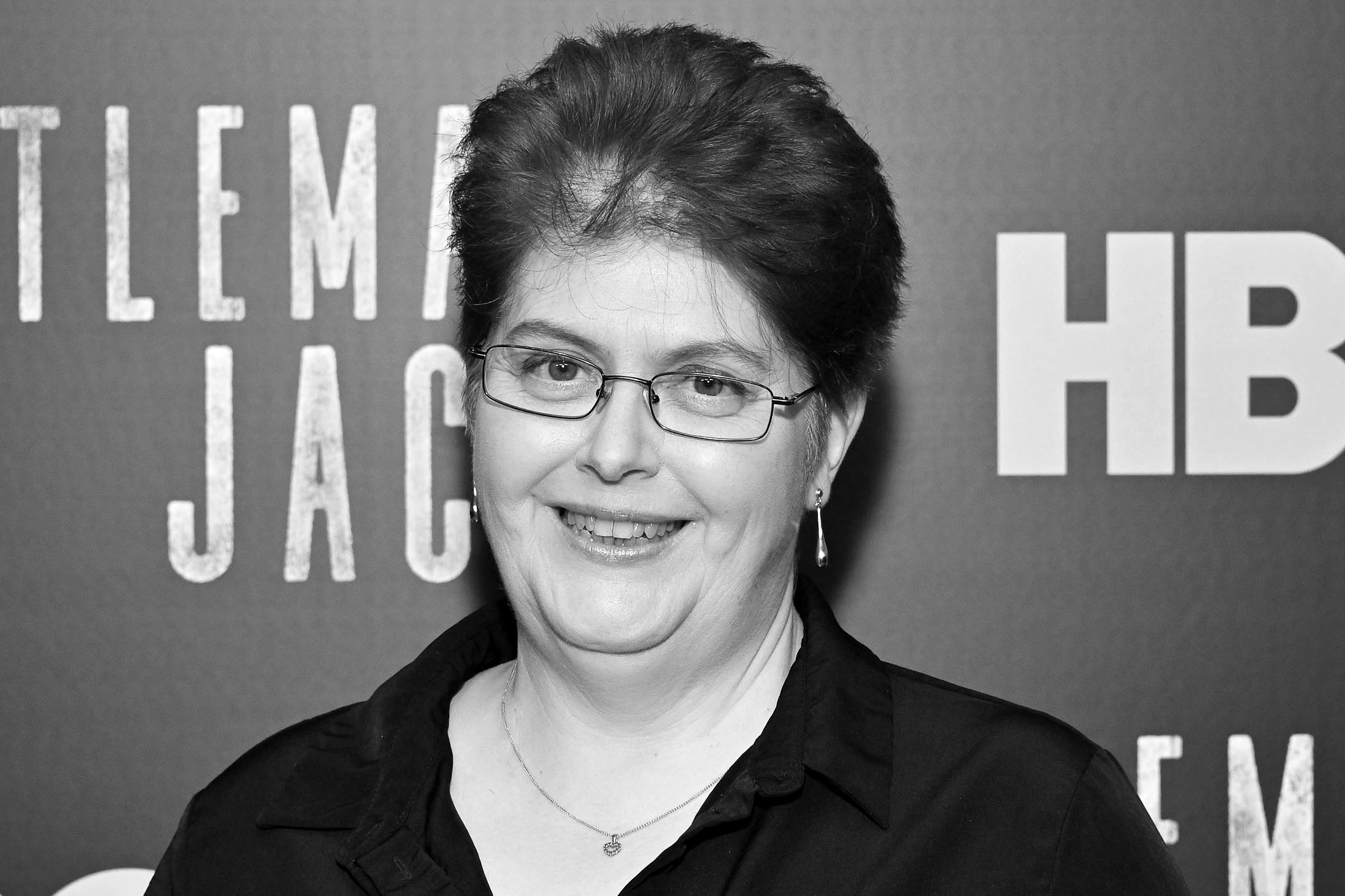
Telling the tale of a group of menopausal women who form a rock band to let rip on their inner rage, the show received glowing reviews and is tipped for numerous Bafta TV nominations later this month. Even today, writing about middle-aged women who are more than just mothers or background figures remains a defiant act, and nobody does it better than Wainwright.
Independent, flawed, and complicated, Wainwright’s women are much-needed trailblazers in a TV world where they are often ignored, earning her a place on our influence list this year.
23. Megan Jones
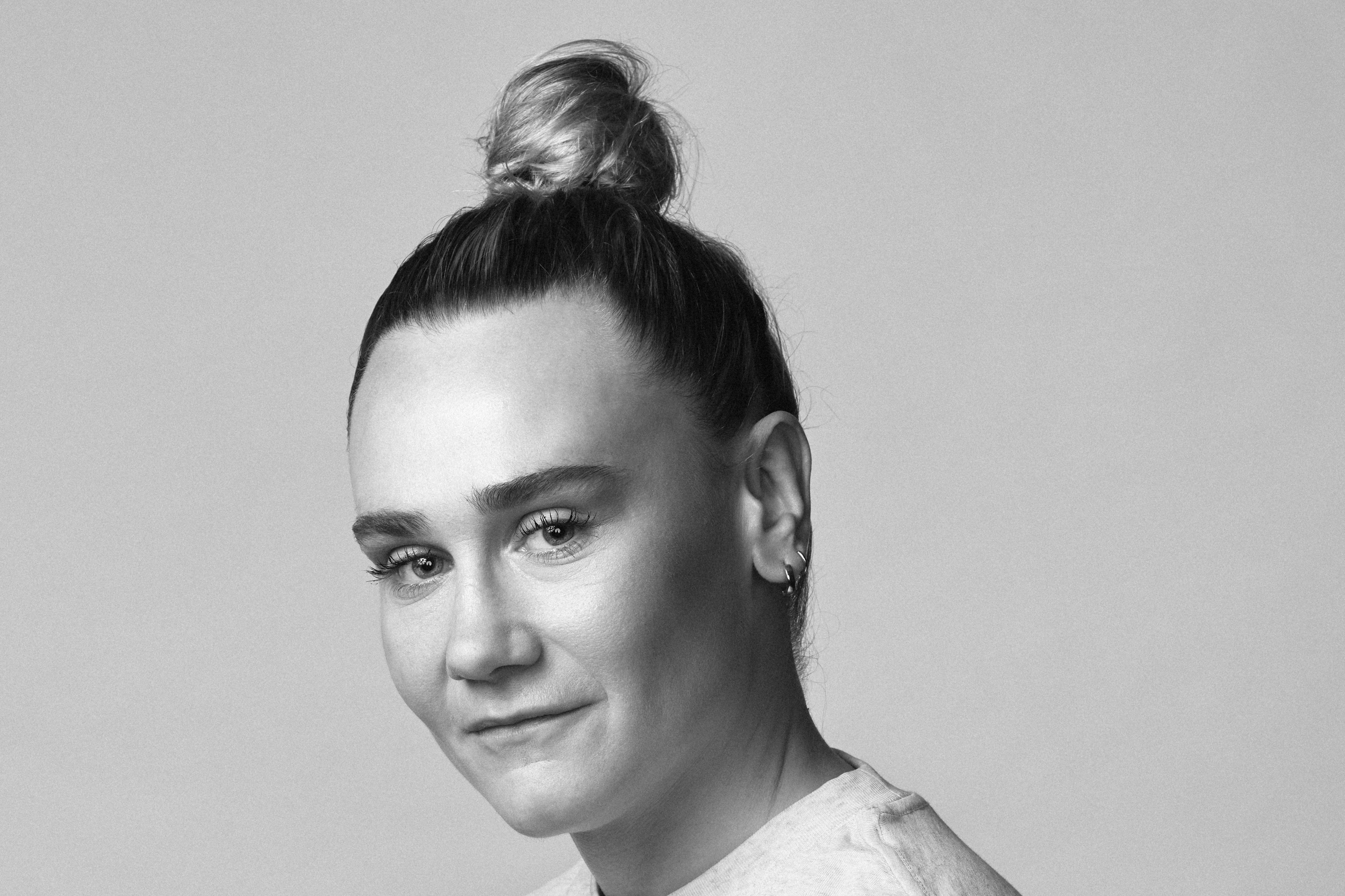
Charismatic centre Megan Jones was the emotional heartbeat of England’s Rugby World Cup triumph on home soil, starring throughout the tournament to earn a nomination for world rugby player of the year.
Jones went into the tournament without both of her parents, who she lost within four months of each other at the end of 2024. She has spoken eloquently about the impact of the devastating losses both on her game and her life outside it.
“I think women’s rugby is very unique,” she said, speaking to The Independent for International Women’s Day. “It celebrates all shapes and sizes, all weird and wonderful people. I think that’s what makes this game so beautiful and it allows everyone to be celebrated and really feel themselves.”
Born in Cardiff, Jones pursued her professional dream across the border and is a two-time Olympian in sevens, alongside her Red Roses exploits.
24. Erin Doherty
Erin Doherty gave one of the most memorable performances of 2025 as she came face-to-face with Owen Cooper’s Jamie Miller in the groundbreaking Netflix hit Adolescence, which told the story of a schoolboy who kills his female classmate. Her magnetic portrayal of child psychologist Briony Ariston, in what is arguably the most tense and electric episode of the four-part series, earned her an Emmy for best supporting actress as well as a Golden Globe nomination. Equally significantly, it helped launch a powerful national conversation over masculinity and online radicalisation.
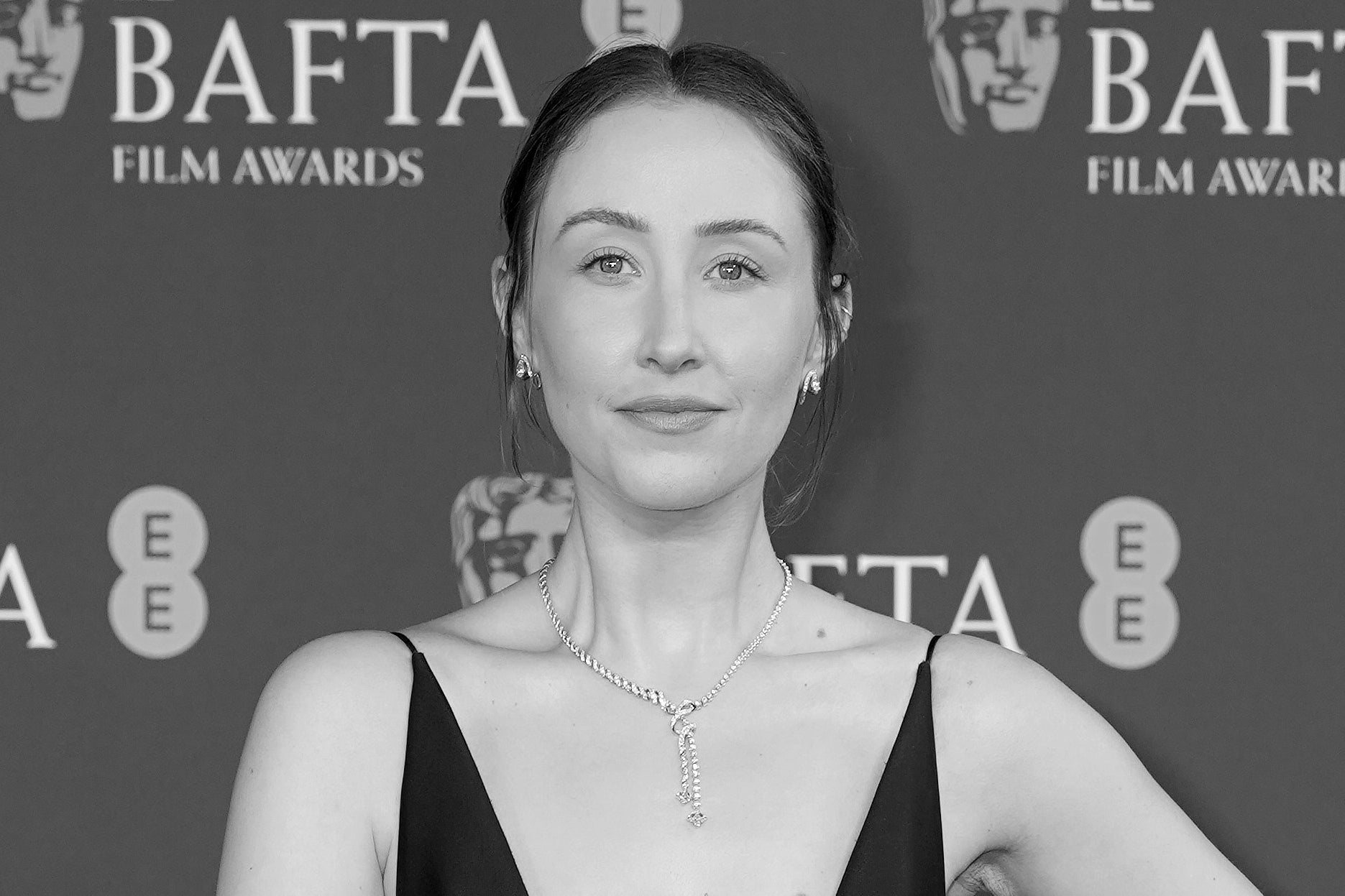
“For me, the real tidal wave was just social media,” she told The Independent of the rise of misogyny among schoolboys. “I took a step back from it quite early on because I was able, luckily, to recognise how addictive and how all-consuming that world can be. And so, it does terrify me.”
The series represented a career breakthrough for the 33-year-old, who previously played Princess Anne in The Crown. In 2026, she is set to continue her extraordinary trajectory, starring next in Hugo Blick’s BBC drama California Avenue, alongside Bill Nighy and Helena Bonham Carter.
25. Victoria Beckham
Victoria Beckham hasn’t had the easiest last few months, with her son Brooklyn’s scorched-earth statement on his estrangement from his family – which included a cruelly ambiguous reference to an “inappropriate” dance his mother performed at his wedding – leaving the biggest mark on Brand Beckham since Rebecca Loos. But Beckham herself has continued to flourish, responding to the saga with a dignified silence and continuing to prove her bona fides as a fashion designer and cultural icon.
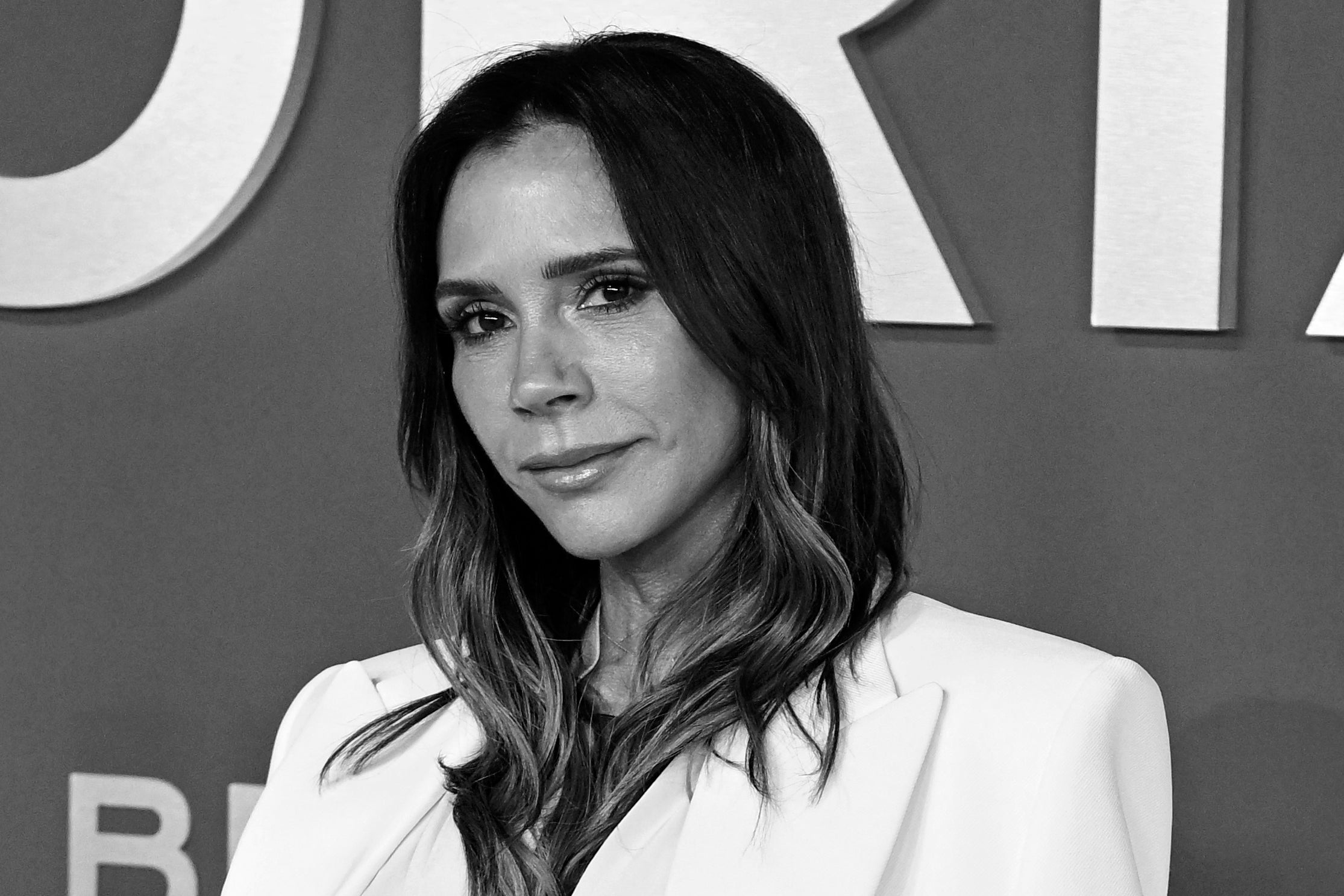
In January, mere days after Brooklyn published a series of Instagram posts announcing his intention to no longer speak with his family, Beckham was honoured with France’s Chevalier de l’Ordre des Arts et des Lettres for her work in fashion and entrepreneurship. And that “inappropriate dancing” reference speedily became a meme, social media ablaze with old clips of Beckham cavorting around Top of the Pops miming to her post-Spice Girls solo singles – many of which, in further testament to the immortal and very camp reverence for Posh Spice, then shot up the official singles sales and official download charts.
Throw in Beckham’s Netflix docuseries last October, which saw her discuss her historic struggles with disordered eating for the first time, and the Victoria Beckham train continues to roll on, the public enraptured and always eager to find out where it’ll go next.
26. Sadia Kabeya
It has been a big 12 months for women’s rugby, and perhaps an even bigger one for Sadia Kabeya. Aged just 23, she played a vital role in the formidable England side that lifted the women’s World Cup on home soil last summer – a particularly memorable moment for Kabeya, who was named player of the match in the 33-13 victory over Canada.
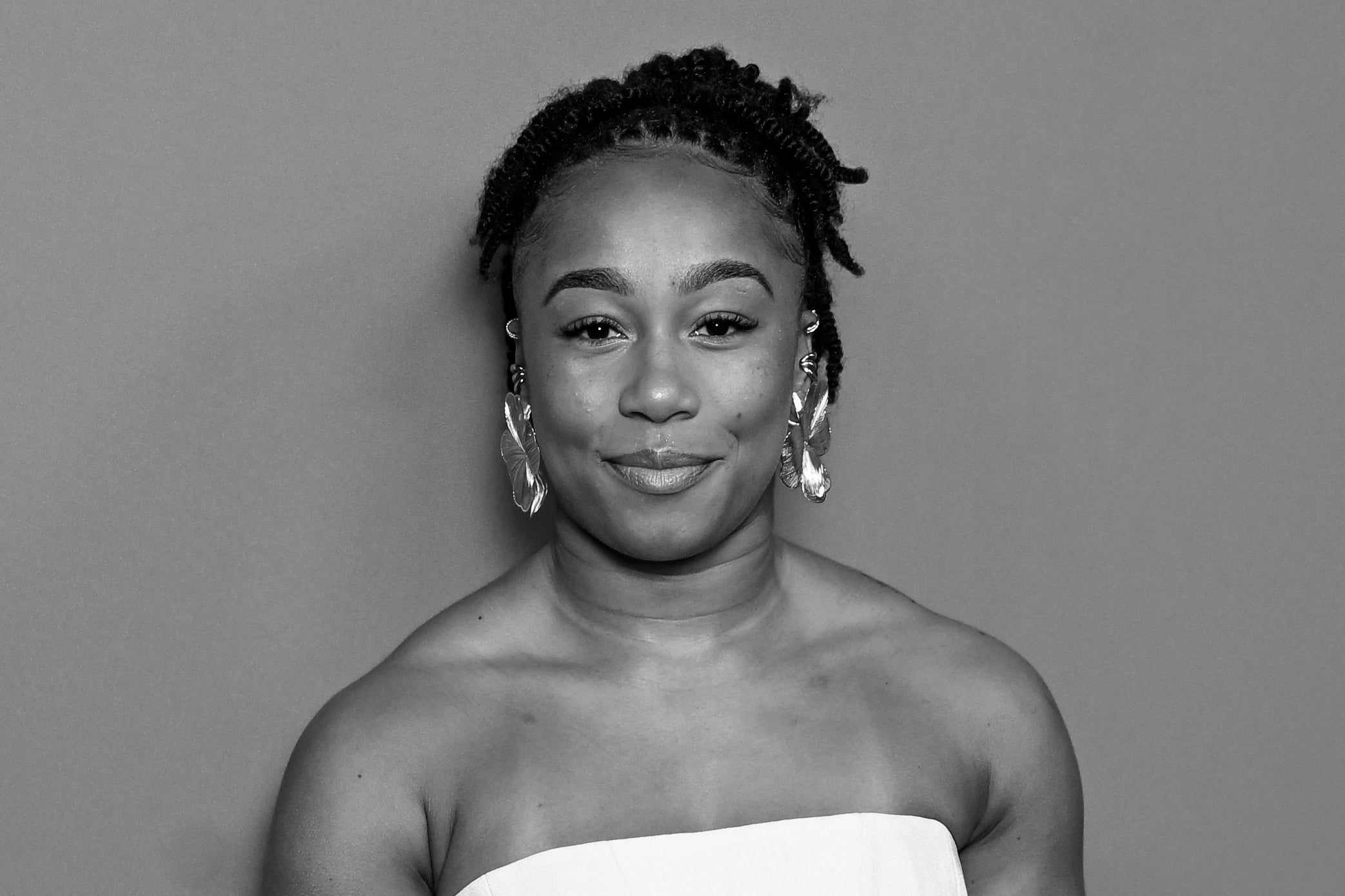
Her contributions off the pitch are equally impressive. Kabeya is determined to use her platform to promote Black women in rugby, speaking openly about how she felt she needed to change parts of herself to fit in when she started playing. Her work with Gilbert Rugby to produce a satin scrum cap to help prevent rubbing, dryness and breakage for people in the Black hair community is an example of how the 23-year-old flanker is using her influence to make sport more inclusive.
27. Maggie O’Farrell
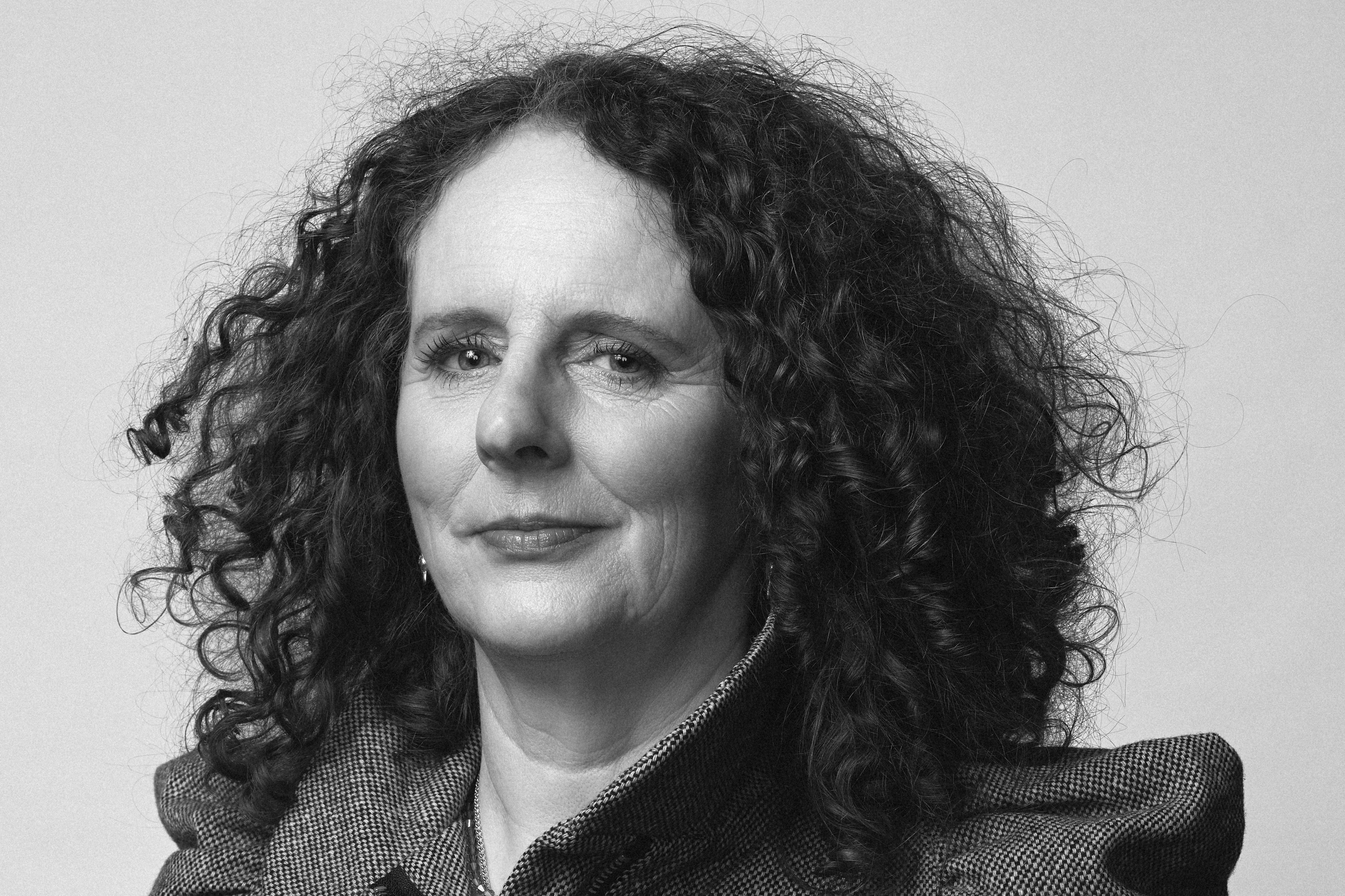
Maggie O’Farrell’s Hamnet has been making us cry since the novel won the Women’s Prize for Fiction in 2020. Since then, it has had a major stage adaptation with the Royal Shakespeare Company, and this year it became a star-studded film which has attracted awards left, right and centre, including an Oscar nod for the author for best adapted screenplay alongside director Chloe Zhao.
Telling the imagined story of William Shakespeare and his wife Agnes, the film depicts how the pair’s loss of their son may have influenced the seminal tragedy Hamlet. Starring a host of British talent, including Paul Mescal and Jessie Buckley, the production represents the best of British on a global stage. Her book has had its critics who have questioned the truth of the story, but O’Farrell has argued it is unlikely Shakespeare was not inspired by his family in his work.
There’s yet more to come from the novelist, known for her tender writing about grief, families and secrets. In June, she will release her 10th novel, Land, which will tell the story of Ireland through a father and son.
O’Farrell, who started her career as an arts journalist at The Independent on Sunday, doesn’t let critics get in her way. As she told The Independent in an interview: “Sometimes I meet other writers who want to put me down, but it doesn’t bother me. I have a thick skin. If somebody is going to be sexist, it’s their problem and their anger belongs to them, and it doesn’t belong to me.”
28. Emerald Fennell
Across three movies – the prickly revenge tale Promising Young Woman, the country house psycho-thriller Saltburn, and last month’s lurid adaptation of Wuthering Heights – Emerald Fennell has cemented herself as a very English provocateur. The 40-year-old’s work is loud, hyper-stylised and bewitching, undeniably commercial in ethos, and built to be loved and loathed in equal measure.
And it arguably reached its peak with Wuthering Heights, which chopped and screwed Emily Brontë’s sumptuous source material until it resembled a salacious pop-video erotic thriller, with starring roles for Margot Robbie and Jacob Elordi and soundtracked by Charli xcx. Many critics scoffed, Brontë fans rebelled, but others saw something charged, magnetic and enjoyably ludicrous about it. And that fit Fennell’s vision for the film, which was inspired by her initial takeaways from Brontë’s book when she first read it aged 14. “It cracked me open,” she has said. “It’s completely singular. It’s so sexy. It’s so horrible. It’s so devastating.”
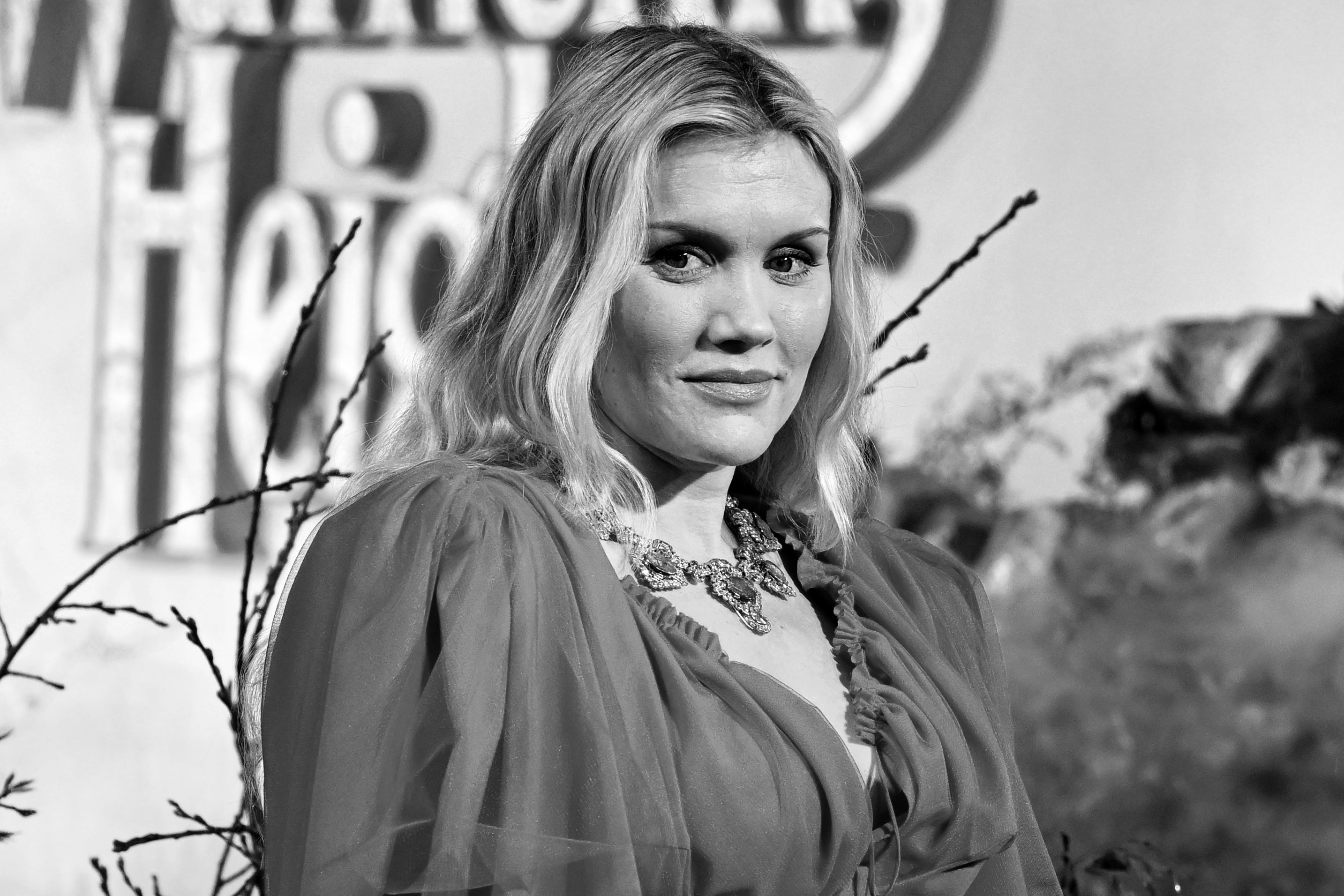
The film has made nearly $200m at the global box office so far, proving our collective appetite for glamour, grandeur and shots of tortured couples going at it in the rain. In essence, Fennell understands us – the things we desire, the things we reject, and the things we love to hate. Few filmmakers are as wedded to the modern cultural id.
29. Rachel Reeves
Rachel Reeves has battled through a challenging year at the top of the Treasury. While economic growth remains sluggish and questions over her approach linger, she has continued to stick to her strong “fiscal rules”, presenting a steely front in the face of criticism.
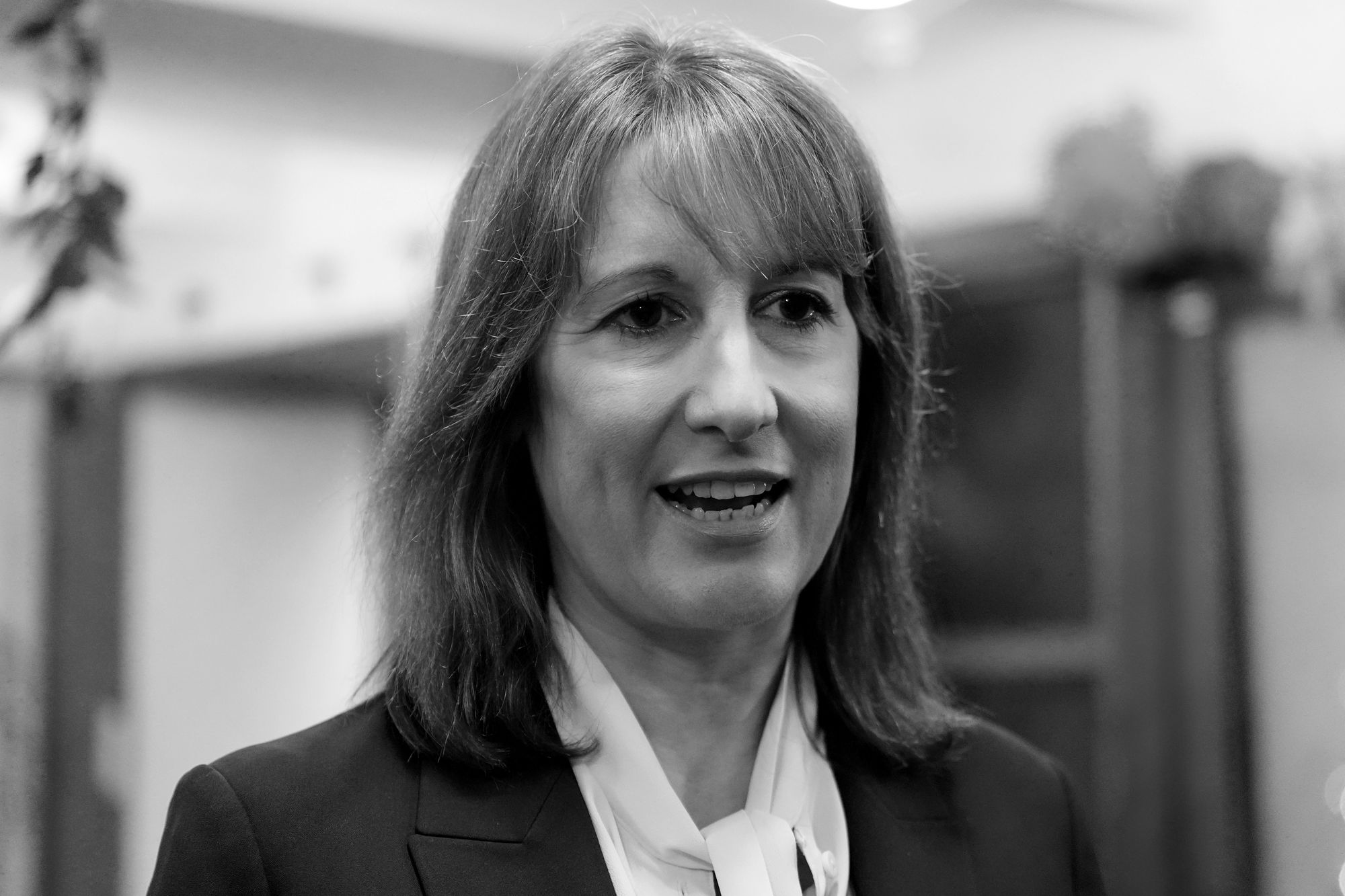
She insists her plan is working, using her recent spring statement to cite the fastest growth of any G7 country in Europe and defending her “moral choice” to reverse the two-child benefit cap. But her time in office has not been without controversy. She was accused of misleading the public on the state of the country’s finances to justify her tax increases, and has been the face of several U-turns over initially unpopular policies such as a proposed cut to disability benefits.
Addressing parliament as she delivered her first Budget in 2024, she said in a powerful message: “This is the first Budget in this country’s history to be delivered by a woman. I am deeply proud. Girls and young women everywhere, I say, let there be no ceiling on your ambitions, your hopes and your dreams.”
Writing in The Independent this International Women’s Day, she said: “International Women’s Day is about celebration, but it is also a reminder that history does not change by itself. It changes when people decide that what seemed ‘normal’ is no longer acceptable, and then do the hard, practical work of building something better.”
30. Aimee Lou Wood
Aimee Lou Wood showed she is unafraid to hit back at cheap shots over her appearance this year when she publicly shamed Saturday Night Live for a distasteful joke about her teeth.
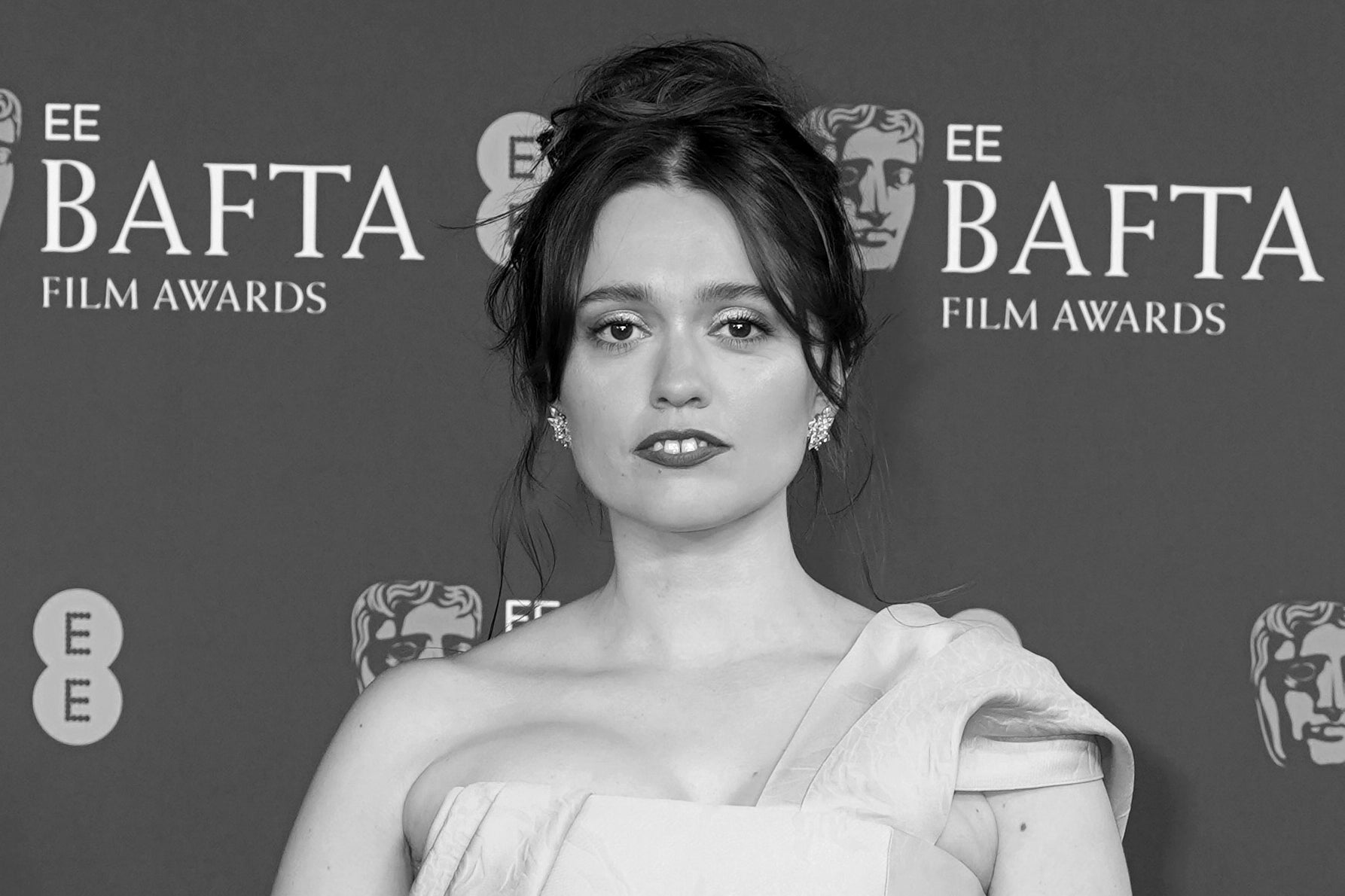
The 32-year-old condemned the sketch that impersonated her with exaggerated prosthetic teeth as “mean and unfunny”, and showed that women need not sit back and take sexist and cruel criticism – not least because her teeth are the last thing we should be focusing on when it comes to Wood. As Aimee in Netflix’s Sex Education, she stole every scene she was in, and received huge praise for her depiction of a sexual assault storyline. Then, she stole hearts around the world with her role as the ever-cheerful Chelsea in The White Lotus, Mike White’s dark satire on the super-rich. Her widely lauded performance earned her Emmy and Golden Globe nominations.
Wood is also an outspoken ally for the trans community, who notably spoke out following the UK Supreme Court’s ruling on the legal definition of a woman in April last year. Posting on Instagram, she said she had been left with “pure rage” following the decision.
31. Hannah Hampton
Before the Euros, the focus on England’s new No 1 was intense. Hampton would not just be starting for the Lionesses, but would be stepping into the shoes left behind by Mary Earps, who had become an England fan favourite and the world’s best goalkeeper before suddenly retiring from international football before the tournament.
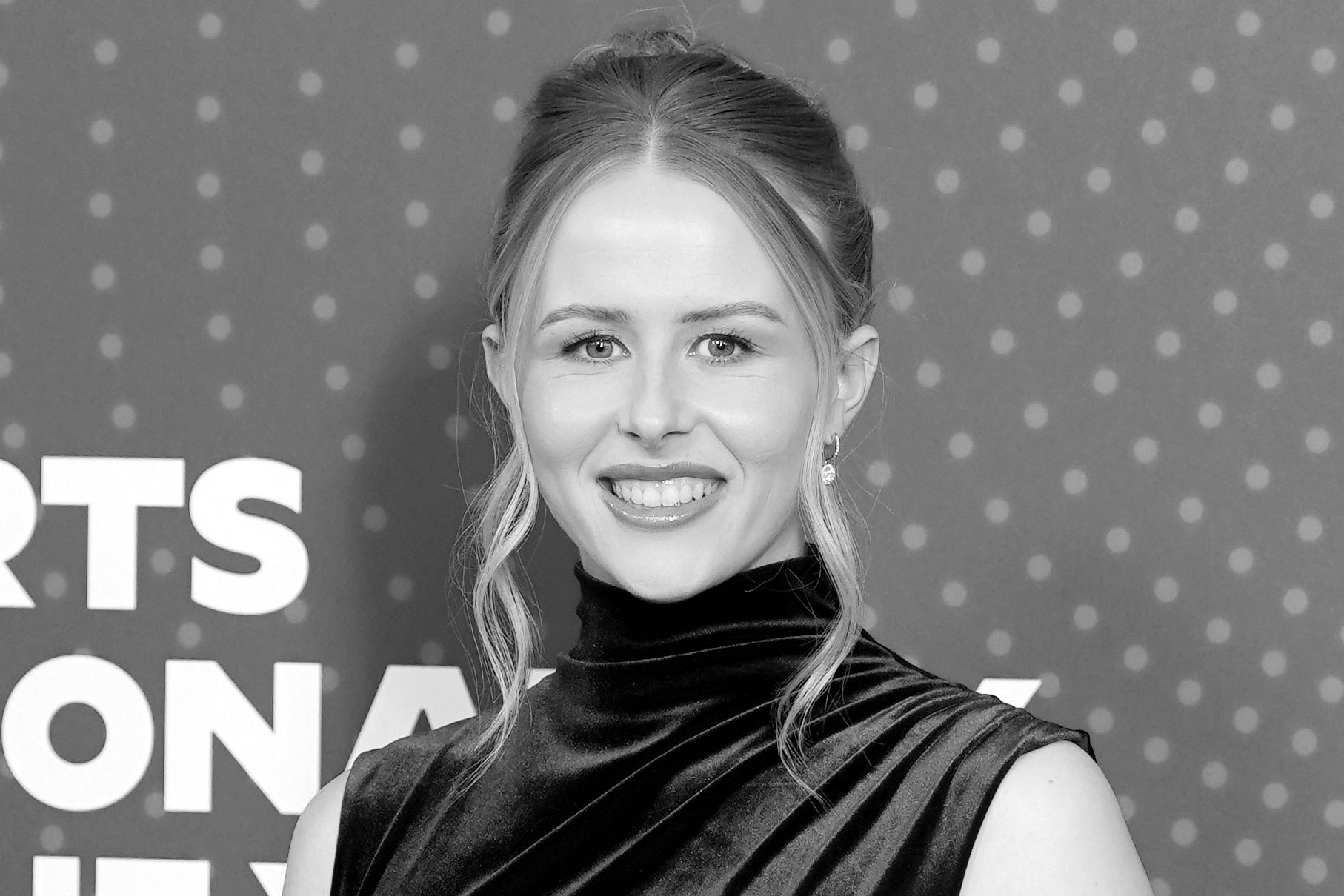
Hampton, though, stepped up when her country needed her. She impressed with her brilliant distribution and command of her box, before her fantastic saves kept the Lionesses alive as they teetered on the brink of an early exit. It helped set England up for a second successive title victory, helped in no small part by two memorable saves from the spot against Spain in the final. It earned her the Yashin Trophy at the 2025 Ballon d’Or ceremony, presented to the world’s best female goalkeeper.
These accomplishments are made all the more remarkable when considering Hampton’s personal challenges. Born with strabismus – commonly known as a squint – she was once told she might never compete in elite-level sport. Later, she discovered she also had impaired depth perception, leaving her a uniquely difficult path to navigate as an athlete.
“I was told from a young age that I couldn’t play football, that it wouldn’t be a profession I could pursue,” she said. “But here I am.”
32. Ellie Goldstein
Ellie Goldstein was a joy to watch on Strictly Come Dancing last year – an opportunity the actor and model told the BBC was a “dream come true”. But she has had to fight harder than most to get there.
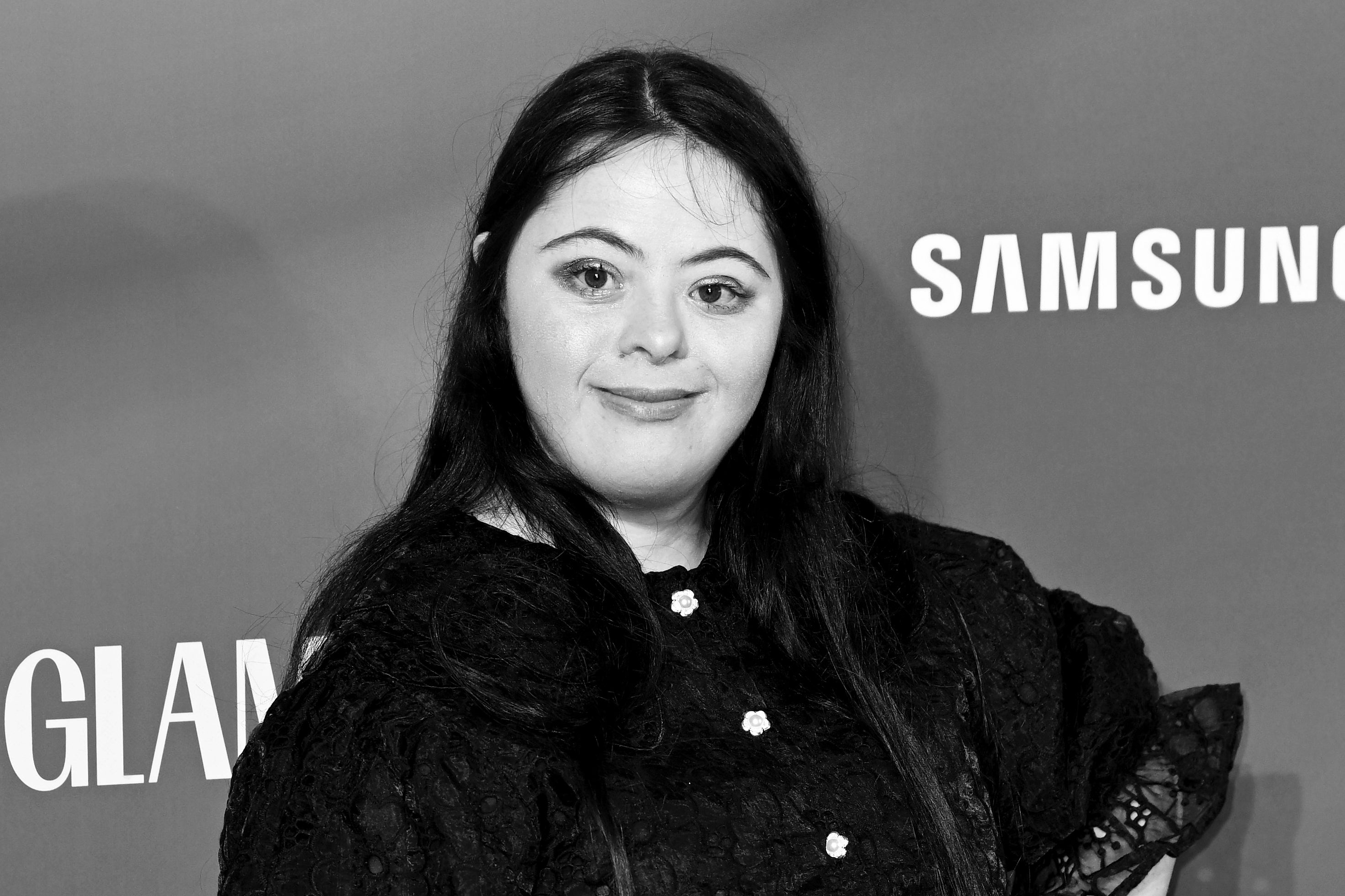
In a recent interview, Goldstein’s mother Yvonne revealed that when her daughter was born, a nurse told her she had Down syndrome and asked if she wanted to leave her at the hospital. But her baby came home with her, and Yvonne raised Goldstein to feel confident that she could do anything she set her mind to.
Goldstein never looked back. She became the first model with Down syndrome to feature on the cover of Vogue and appear in a campaign for Gucci. The 24-year-old has also clocked up an Emmy nomination for her role in a BBC adaptation of Enid Blyton’s Malory Towers, and has been named in the Business of Fashion 500, a list of people influencing the global fashion industry.
Speaking to Vogue for her cover story in 2023, Goldstein revealed that having Down syndrome has taught her to be herself and not be afraid “to do things louder in the world”.
She said: “I want to show you can achieve anything if you really want to – never give up on your hopes, dreams and aspirations. My disability never stops me.”
33. Leah Williamson
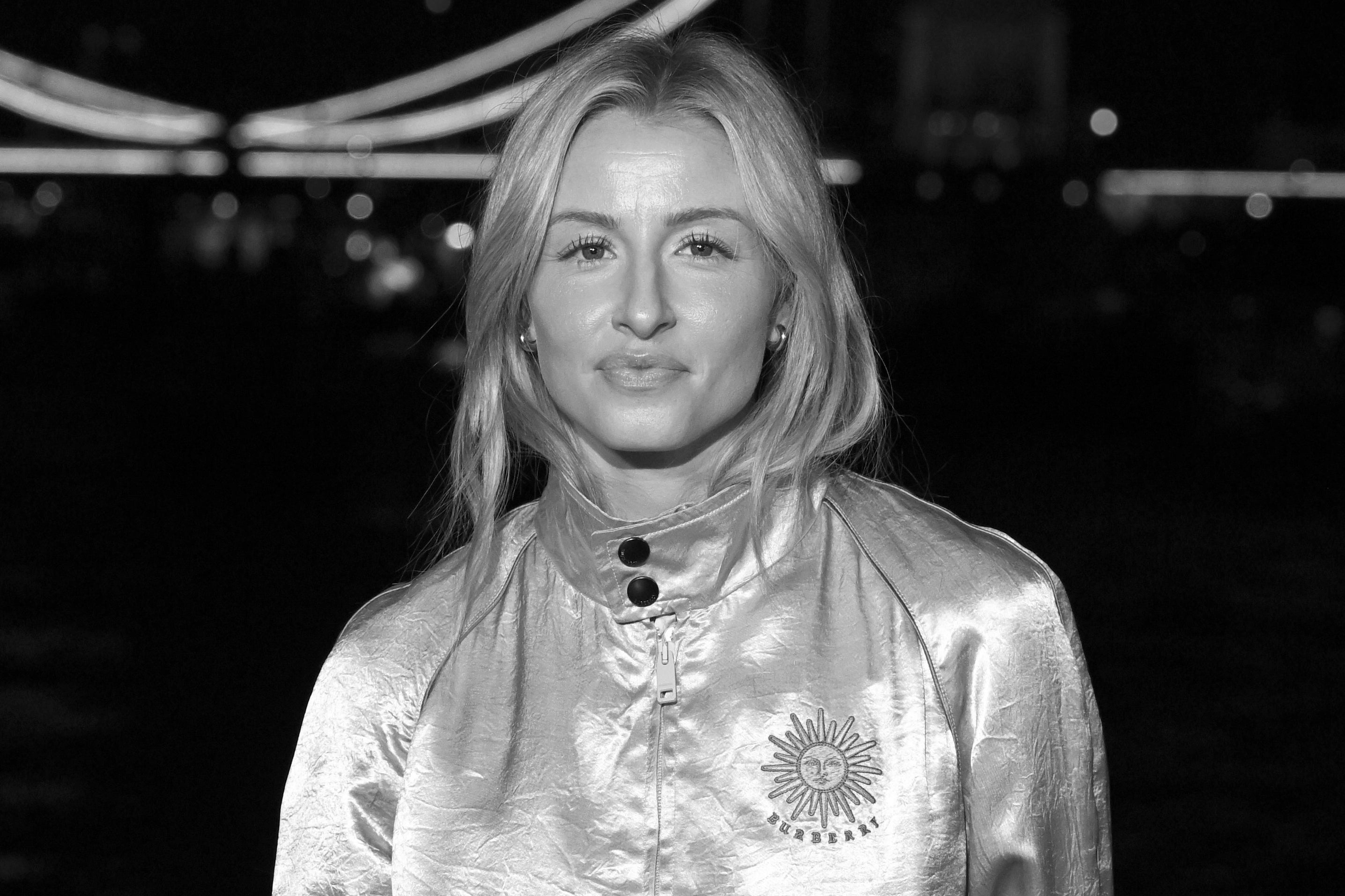
A European champion with both Arsenal and the Lionesses, Williamson was immense in both the finals of the Champions League and Euro 2025, marshalling the defensive line to defy the attacking talents of Barcelona and Spain. It’s fair to say the Lionesses captain has cemented her place as both an England and Arsenal legend over the last 12 months, and burnished her trophy cabinet along the way.
Williamson’s influence is felt both on and off the pitch. During games, she is a commanding leader and a clear voice of authority for her team. Away from matches, she has advocated passionately for access to football for girls in school and LGBT+ rights.
Speaking to The Independent for International Women’s Day last year, she warned that the fight for gender equality in football is at a “dangerous point” where actions aren’t matching words.
“What you hope is that the people in power are the ones who do what’s right in those circumstances and push in the direction that we think we’ve been travelling in, because any progress, regardless of how slow it is, is a win,” she said. “We cannot go backwards.”
34. Jess Phillips
Jess Phillips has continued to use her voice as a fierce advocate for women and girls at the heart of the government. At the start of the year, she confronted Elon Musk’s Grok over its ability to digitally “strip” victims in a move that she said invited a “deluge of hate” against her on social media. She led efforts to criminalise deepfake intimate images following the furore, bringing forward new laws to act on the urgency of the situation.
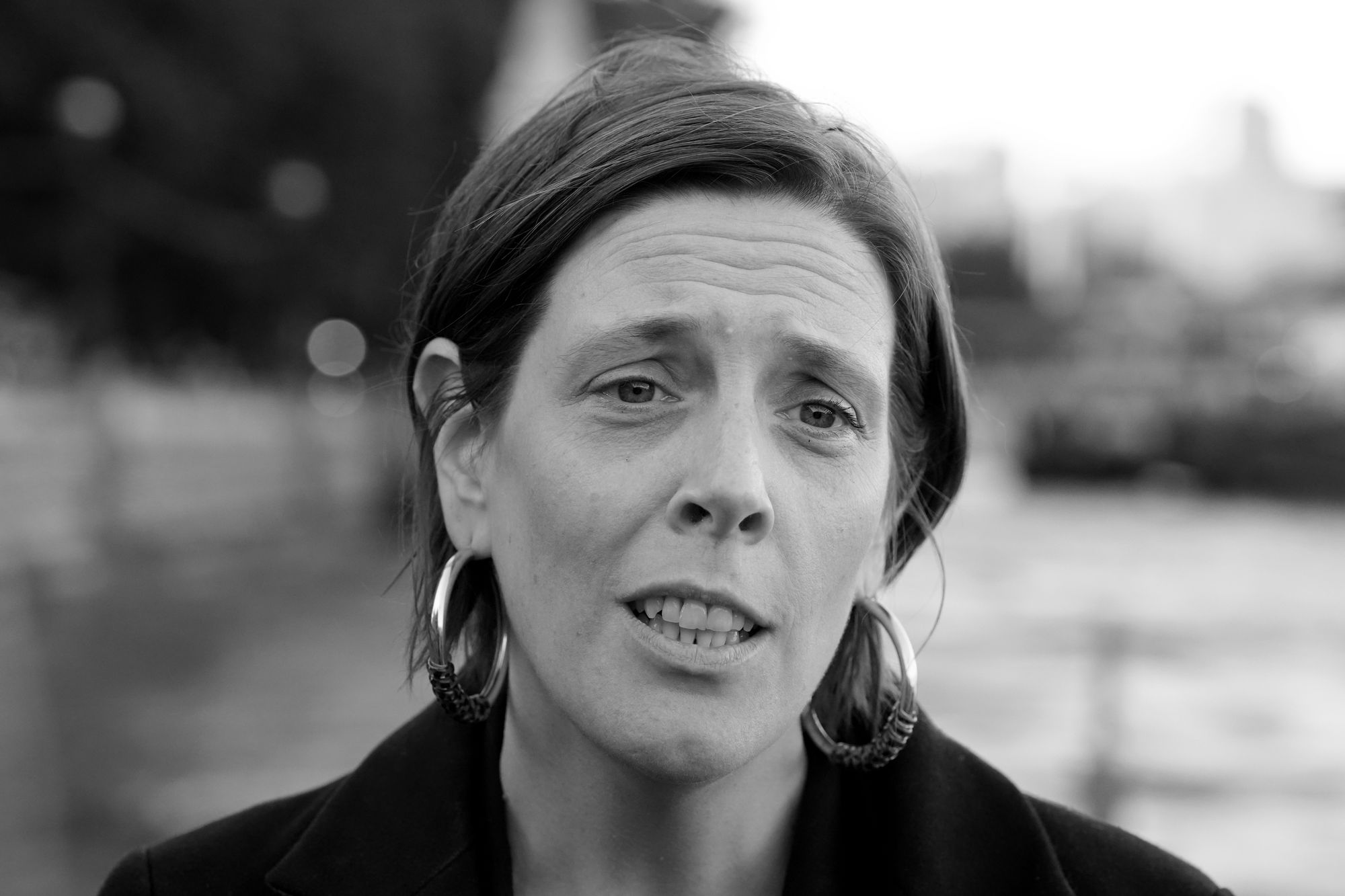
She has also been at the forefront of the government’s new violence against women and girls (VAWG) strategy. Launched in December, the strategy has the ambitious target of halving violence against women and girls within a decade, and includes a crackdown on deepfake abuse online.
“We all have to recognise everywhere that it happens that we tell girls that they are lesser, that they are sexual objects, that they are owned,” Phillips, who was also named on last year’s influence list, told The Independent at the time.
“And we have to do everything possible – my responsibility is to make sure that our laws do that.”
35. Gabby Logan
A force of broadcasting excellence, Gabby Logan has helped break barriers for female sports presenters for more than 25 years. After regularly deputising for Gary Lineker on Match of the Day, in 2025 she was announced as one of three new permanent presenters on the BBC’s flagship football show – something she called a “career goal”.
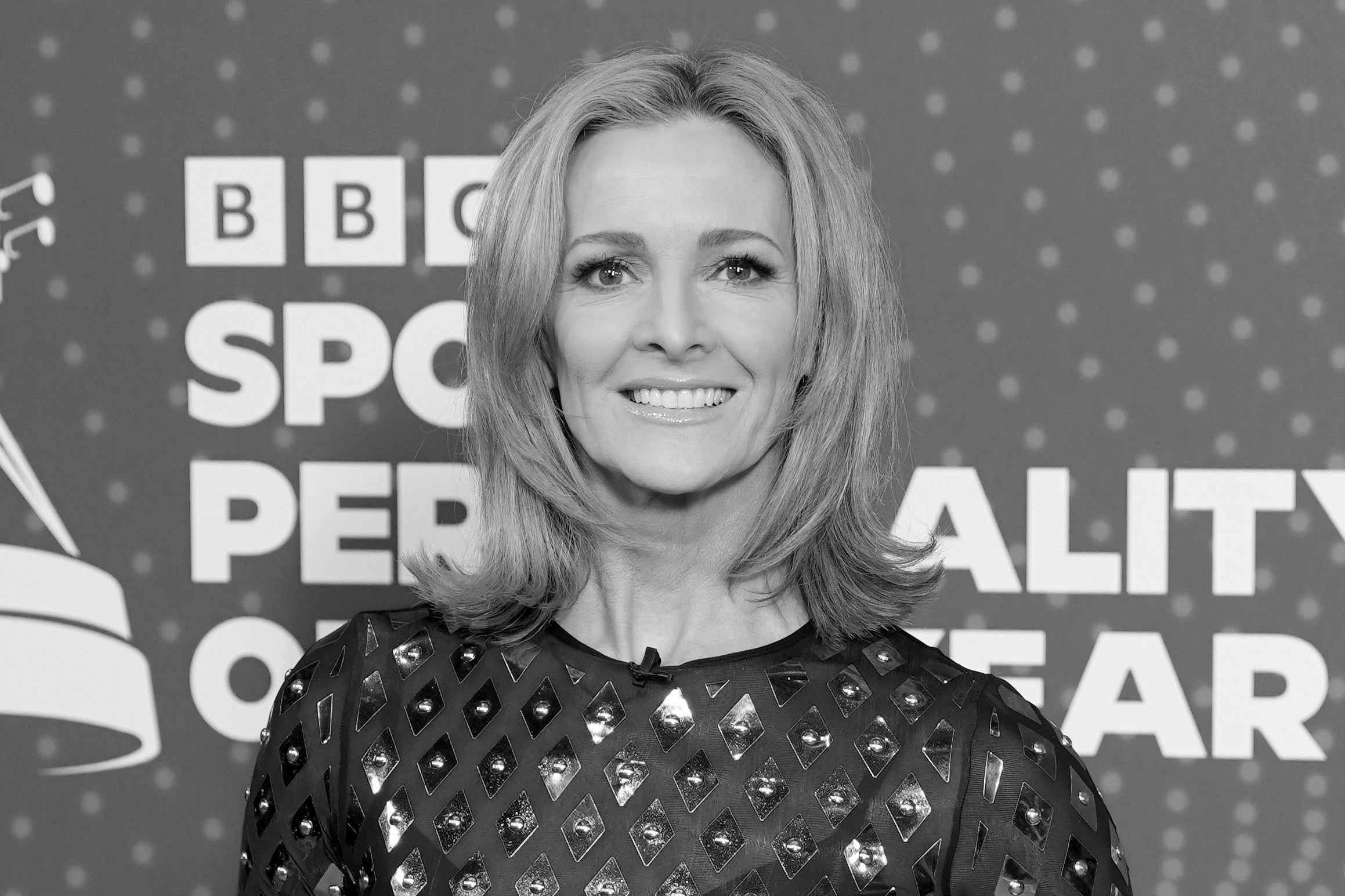
Throughout her career, Logan has used her influence to advocate for the advancement of visibility of women’s sports. Speaking after receiving her MBE for services to sports broadcasting and the promotion of women in sport in 2020, she said: “For me, women’s sport and the increase in the coverage of women’s sport is not just about little girls watching television and thinking I could be a footballer – it is about everybody thinking, ‘I can do things that I did not think were possible before.’
“This is for me one of the great powers of sport in that it opens your mind to lots of different possibilities.”
36. Dame Victoria Sharp
Dame Victoria Sharp will retire this year after an impressive and dedicated career at the top of the courts. She became the first woman to lead the High Court’s largest division in 2019 when she took on the role as president of the King’s Bench Division, and has used her position to champion transparency in our courtrooms.
.jpeg)
Perhaps her most notable change has been the introduction of livestreaming in the Court of Appeal and the broadcasting of sentencing in the crown courts. During her time at the helm, she has also overseen the work of judges across the country trying the most serious criminal cases, including through the unprecedented challenges posed by the Covid-19 pandemic. Under her leadership, England and Wales was one of the only jurisdictions in the world to keep sitting at the time.
First called to the bar in 1979, Dame Victoria was named a QC in 2001 and was later appointed as a justice of the High Court in 2009.
37. Zarah Sultana
Zara Sultana has been a leading voice in a radical call for change in British politics. The former Labour politician, who co-founded the socialist Your Party alongside Jeremy Corbyn, recently lost out on a bid to be its parliamentary leader. The party has been marred by months of internal spats, but has still drummed up around 50,000 members thanks to its left-wing ideals and charismatic leadership.
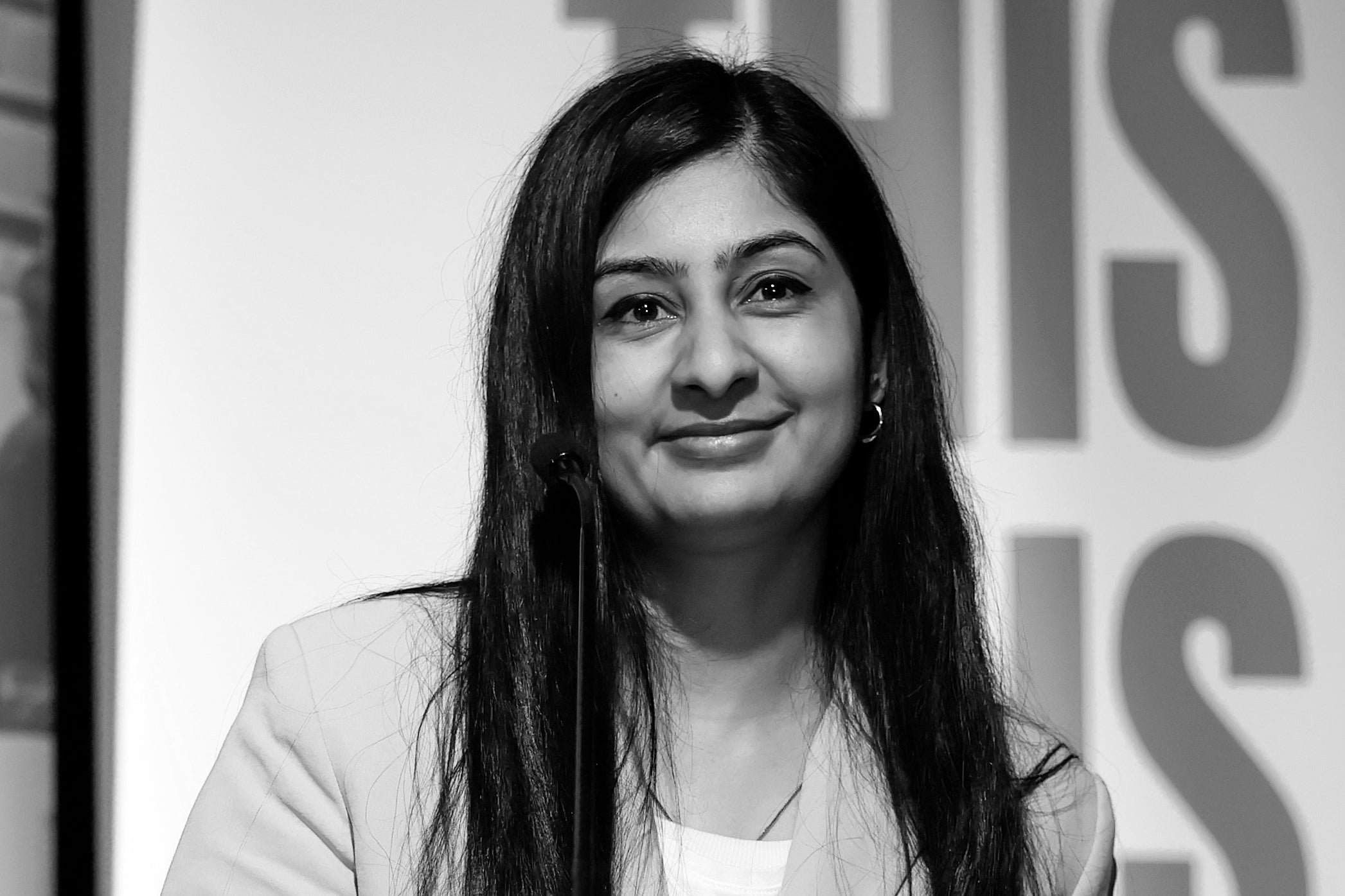
Sultana has made a name for herself in Britain’s left-wing political landscape by refusing to relent on her personal values. First elected to parliament as a member of the Labour Party representing Coventry South in 2019, Sultana made headlines for her fierce stances on the conflict in Gaza, the climate, and her own personal experiences of Islamophobia.
Sultana, along with six other Labour MPs, had the whip withdrawn for voting against the government in July 2024 and in favour of ending the two-child benefit cap. She resigned from the party a year later.
“I’m in politics because of a desire to change people’s lives for the better, and that means winning state power, that means actually running government,” she told the BBC last year. “We’re building a party of the left that can win power and deliver justice.”
38. RAYE
By now, many know RAYE’s story of how she fought back against her record label – claiming they were refusing to let her release her album – and went on to establish herself as one of the biggest independent success stories the UK has seen in years. Her debut album, My 21st Century Blues, charted at No 2 and was shortlisted for the Mercury Prize. Now she’s preparing to release the follow-up, This Music May Contain Hope, which will include her No 1 single “WHERE IS MY HUSBAND!” and be supported by a string of sold-out arena shows.
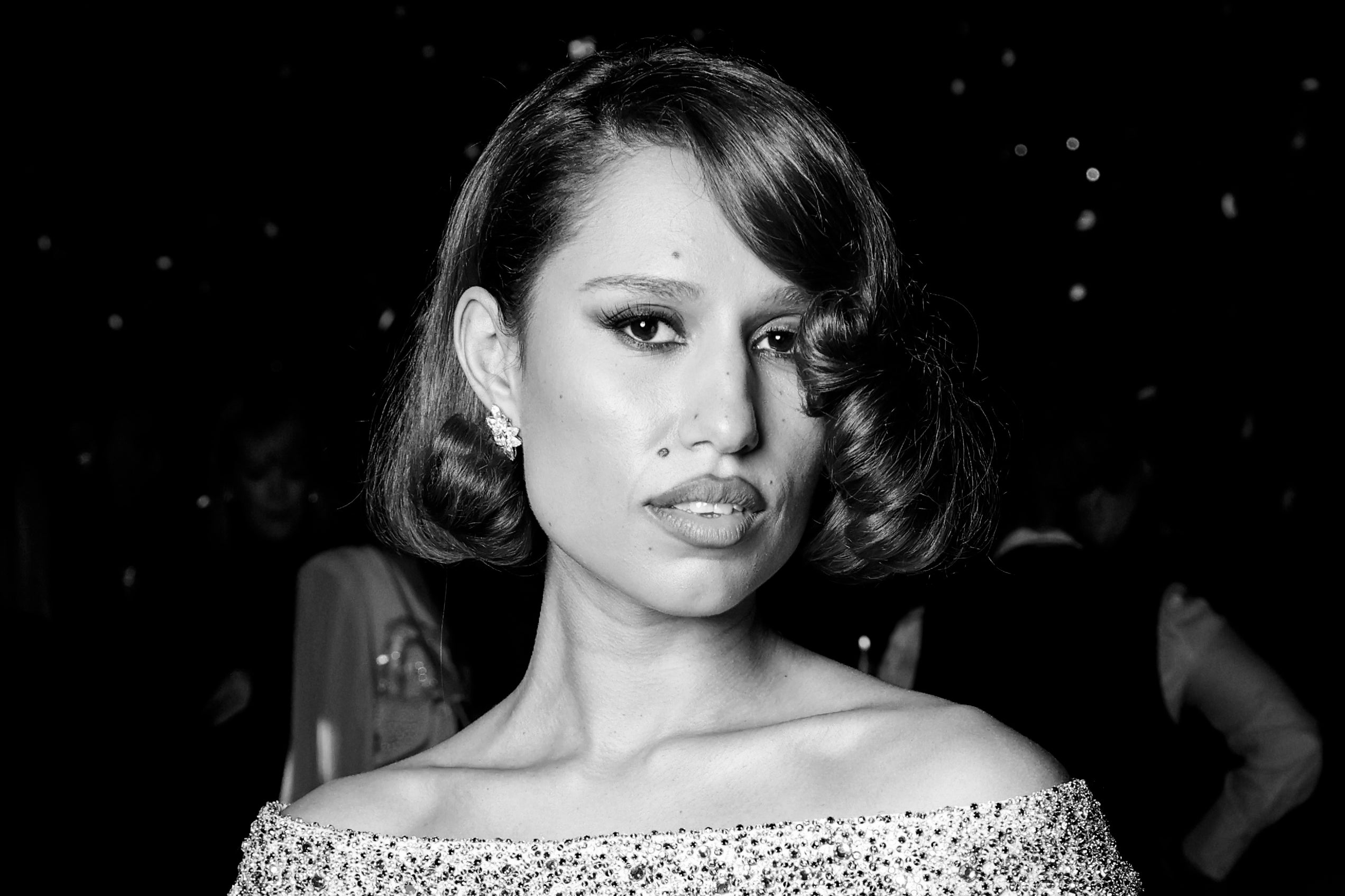
RAYE has also proven herself to be a champion of her fellow artists. She has consistently campaigned to improve pay, recognition and rights for those in the industry, and helped influence a landmark agreement where major labels like Universal, Sony and Warner agreed to pay a £75 per diem fee for songwriters attending studio sessions. She was handed the inaugural songwriter advocate award, an Ivors Academy Honour, last summer in recognition of her efforts in driving positive change within the music industry.
She was also awarded a Grammy in January for the Harry Belafonte best song for social change for her song “Ice Cream Man”, a poignant anthem that turned her own personal trauma into an anthem for survivors of sexual assault.
39. Dame Debbie Crosbie
Nationwide chief Dame Debbie Crosbie was appointed by the chancellor as the new women in finance champion at the start of the year, helping to inspire more women to pursue leadership roles in UK financial services.
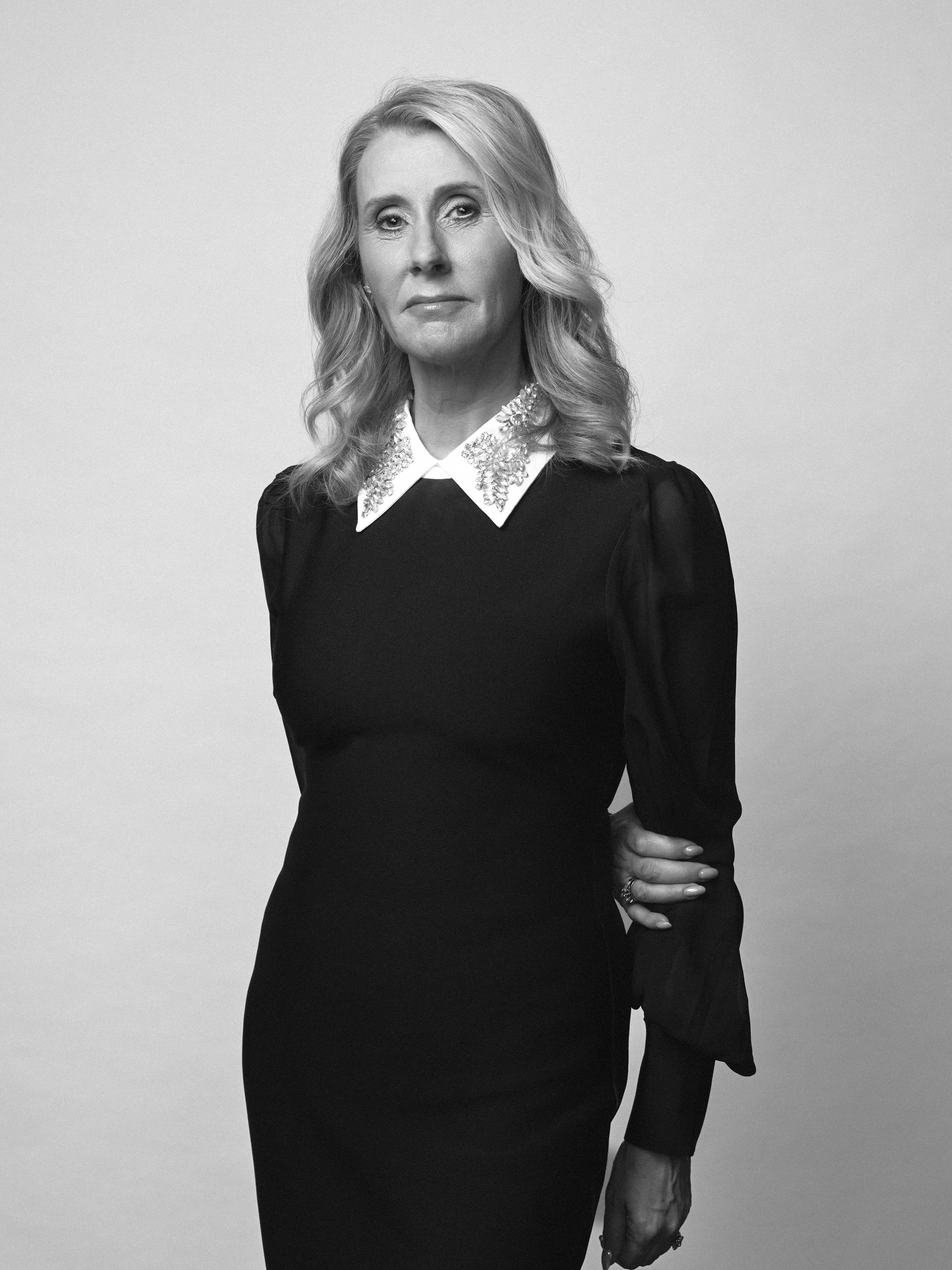
She became Nationwide’s first female chief executive in its 175-year history in June 2022, and is the only woman to lead a ‘big six’ bank in the UK. She was also appointed a Dame Commander of the British Empire in June 2025 for services to the financial sector, including Nationwide’s £2.8bn acquisition of Virgin Money in 2024.
Speaking to The Independent for International Women’s Day, she said she had faced challenges in her career balancing motherhood and work in a male-dominated sphere.
“That’s tough, you want to be there for your family, you want to balance all the things that are important in your life,” she explained. “I’d say that things are definitely getting a lot better with a lot of men taking paternity leave as well as maternity leave, but it’s not just when you have the child, it’s also when you’re trying to be there, be present, not just for work, but also for family.”
40. Myleene Klass
Myleene Klass has had a milestone year. She was awarded an MBE from King Charles in July in recognition of her tireless campaigning for legal reform to miscarriage care. Her work resulted in meaningful change for women across England, ending the “three miscarriage rule”, meaning women no longer have to wait until they have had three consecutive pregnancy losses for specialised care.
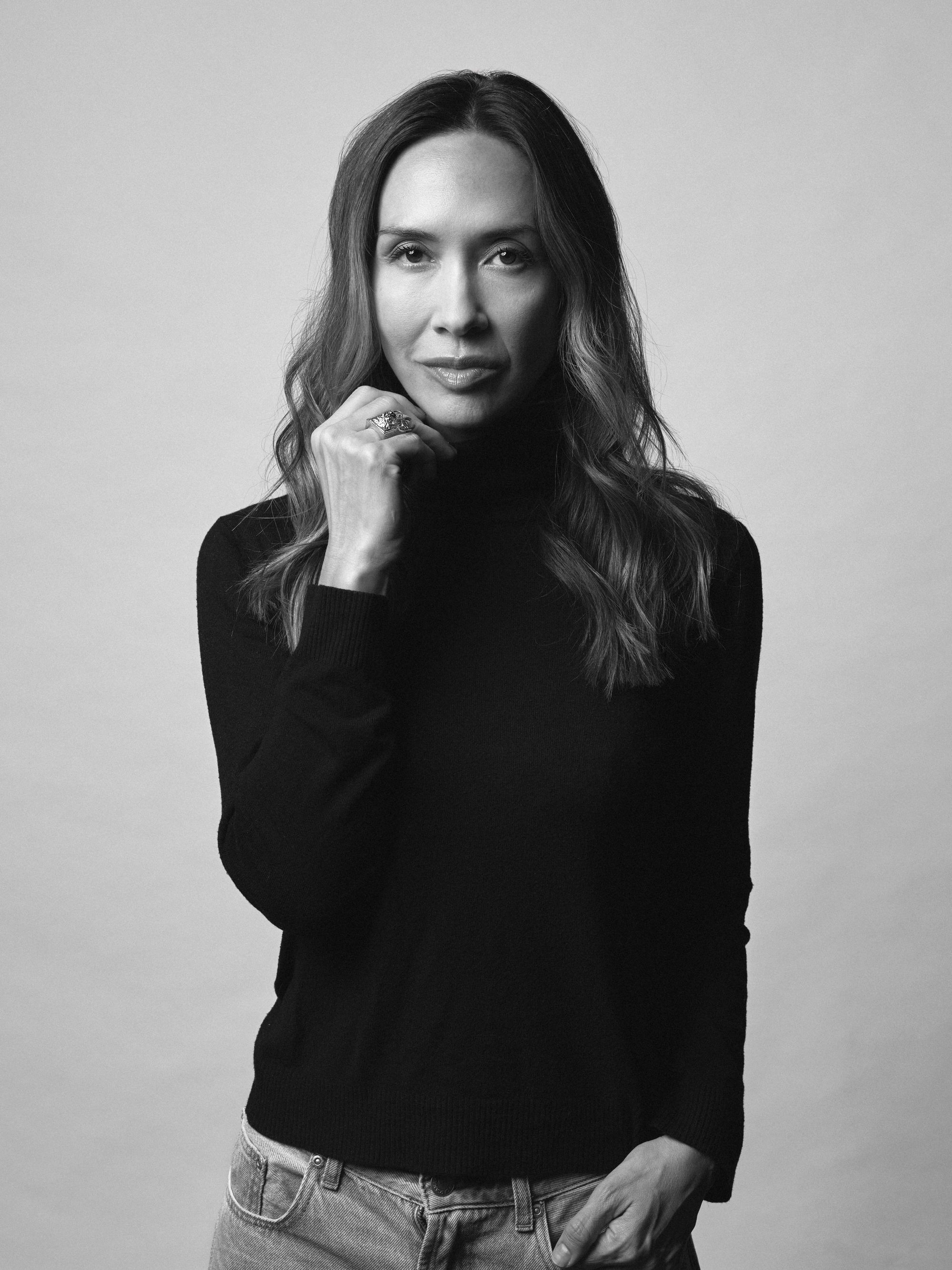
The musician and presenter has been remarkably candid about her own experiences with miscarriage and motherhood. After having four, in 2024 she made a Bafta-nominated documentary about the subject, Myleene: Miscarriage and Me, in which she powerfully said, “I’ve got three children, but I’m a mother of seven.”
Klass also celebrated 20 years at Classic FM in February, and continues to be a unique and refreshing voice in the world of classical music.
“I grew up from a generation where they said that we could have it all,” she told The Independent for International Women’s Day. “Now I get asked how do you balance your life as a mother and a career woman, and the truth is nobody showed us how to do it because we were told we could have it all.
“Now we’re just realising it’s impossible. I think it’s just important to acknowledge that actually, we got it wrong.”
41. Marian Keyes
Despite selling 35 million books in a career that has spanned three decades and 16 bestselling novels, it took a while for Marian Keyes to be given the respect she deserves as a literary force. From her 1995 debut Watermelon to the beloved Rachel’s Holiday, her books have tackled serious issues, from alcoholism to depression, domestic violence and abortion, but never compromise on warmth, humour or readability. Her most recent novel, My Favourite Mistake, a follow-up to 2006’s Anybody Out There?, saw heroine Anna Walsh in her forties grappling with the menopause.
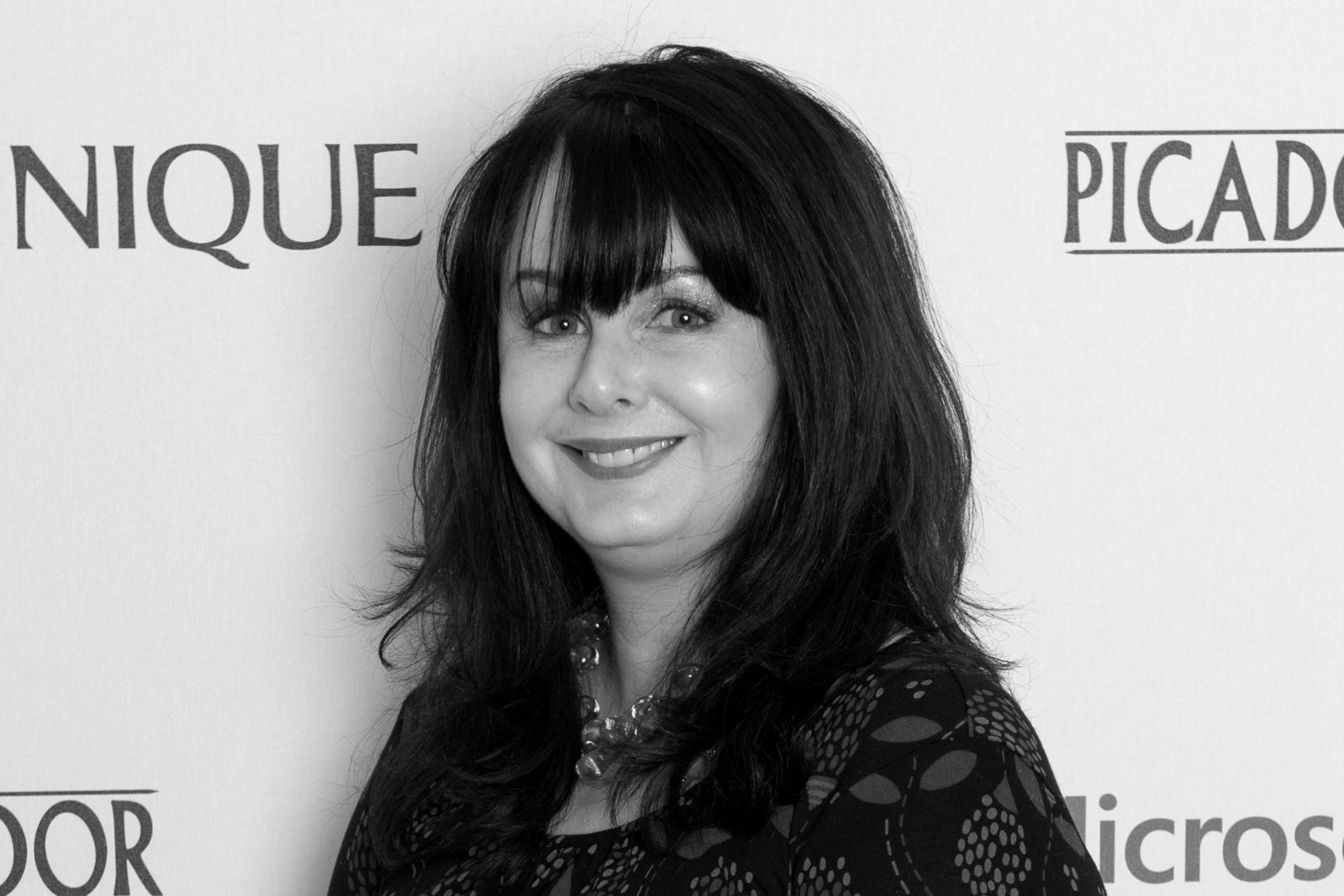
Finally, this year her books have got the attention of TV producers, with two major adaptations arriving on our screens: The Walsh Sisters on the BBC and Grown Ups on Netflix.
“It has been gorgeous to have – I don’t know – become respectable,” she told The Independent in an interview in 2024. “I keep using the word lucky. I’m lucky and grateful that this was what I was given.”
42. JADE
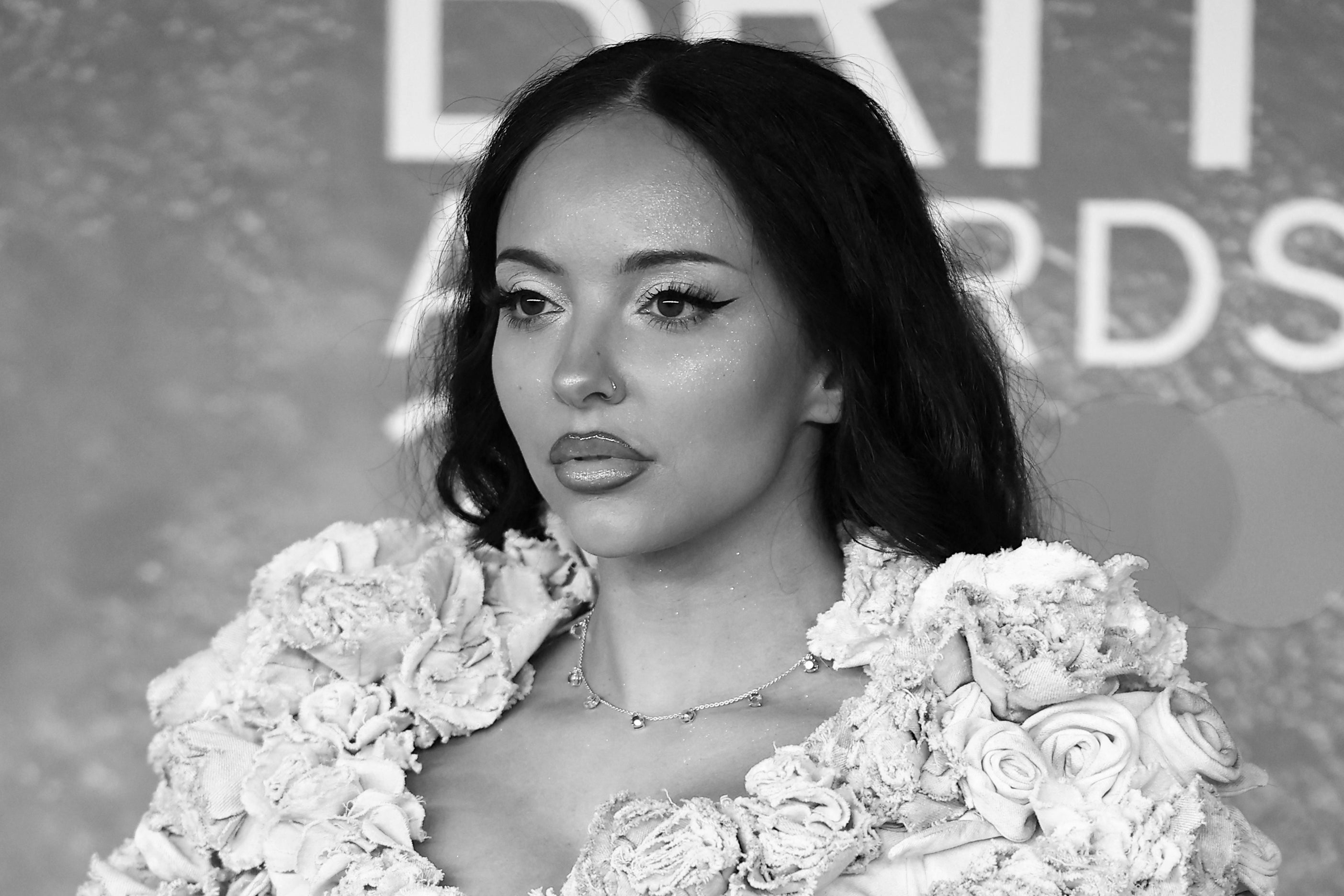
JADE has enjoyed a triumphant 12 months as the breakout star of one of the UK’s biggest girl groups, Little Mix. Since going solo in 2022, JADE has established herself as a bold new voice in pop, releasing ambitious singles such as “Angel of My Dreams” and “It Girl” from her debut album, That’s Showbiz Baby, released last year to critical acclaim. JADE’s sharp, witty songwriting taps into both the hypocrisies and allure of fame, while also delving into themes of identity, love and self-worth.
But JADE’s voice isn’t just used to sing. A prominent defender of LGBTQ+ rights and other world issues, she has previously said: “I don’t think you can be a pop artist and cover your eyes.”
JADE has deservedly become one of the UK’s biggest pop stars while remaining authentically and unapologetically herself.
43. Victoria Siddall
Victoria Siddall became the first woman to be named director of the National Portrait Gallery in its 168-year history, picking up the mantle in August 2024.
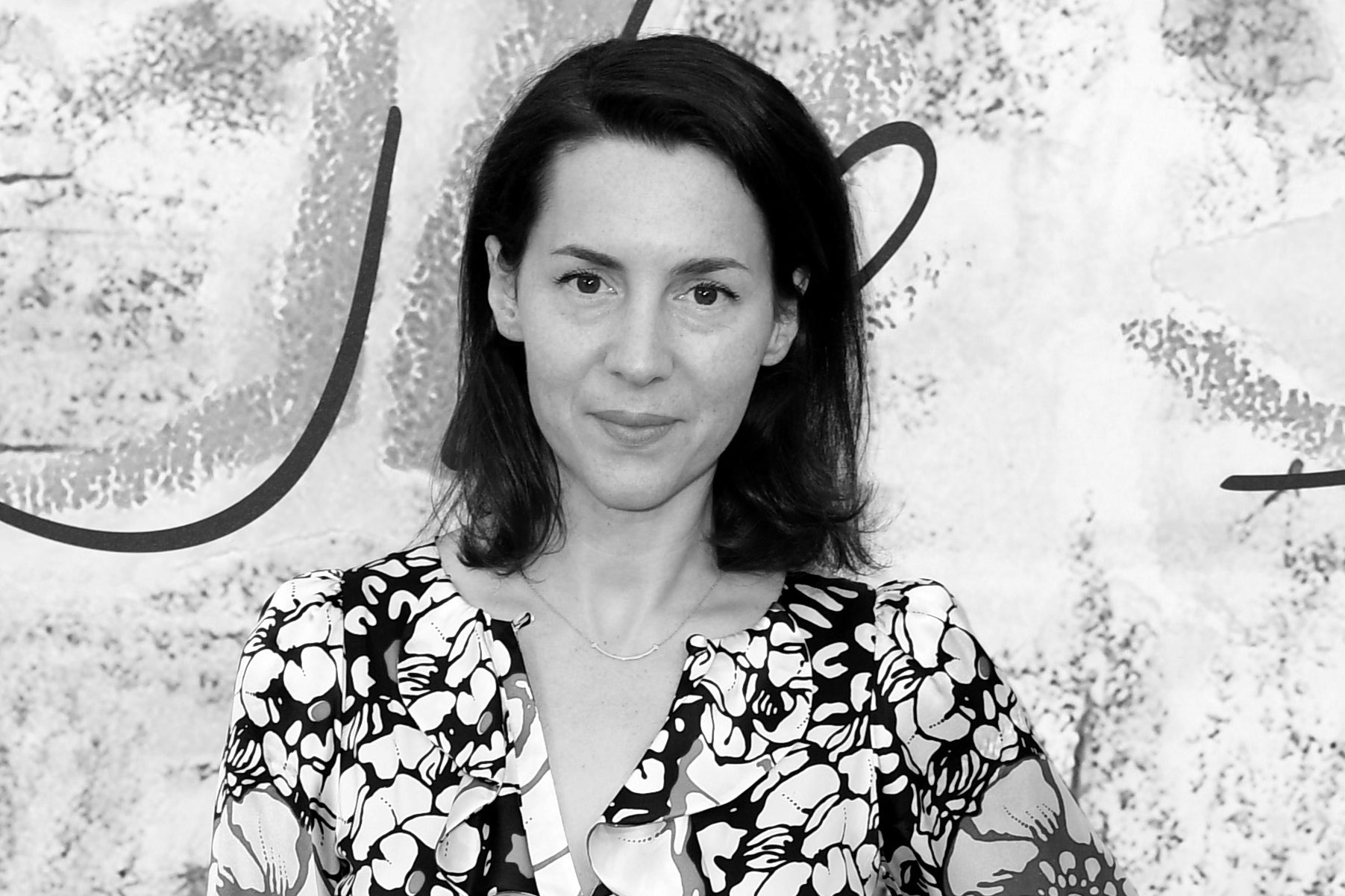
Her career began with a three-year stint at Christie’s auction house before joining London’s Frieze Art Fair in 2004. There, she launched the popular art fair Frieze Masters, focusing on art pre-dating the year 2000 alongside its contemporary sister fair, and later became the global director of the Frieze fairs in New York and London.
Siddall’s appointment at the top of one of the nation’s most prestigious galleries was praised by culture secretary Lisa Nandy, who said her leadership would take the gallery “from strength to strength” and added she was delighted that “the National Portrait Gallery is making history by appointing its first female director”.
She is also a fierce environmental campaigner, co-founding the Gallery Climate Coalition and Murmur, two charities that pioneer environmental responsibility in the art and music sectors.
“It’s my dream job,” Siddall said of her appointment in an interview with Country and Townhouse. “The gallery is full of incredible people and tells their stories in such a powerful way that really resonates.”
44. Michelle Agyemang
Who can forget the scenes of pure, unbridled ecstasy after England forward Michelle Agyemang equalised in the final minutes to send her team to extra time against Italy in their Euro 2025 semi-final victory?
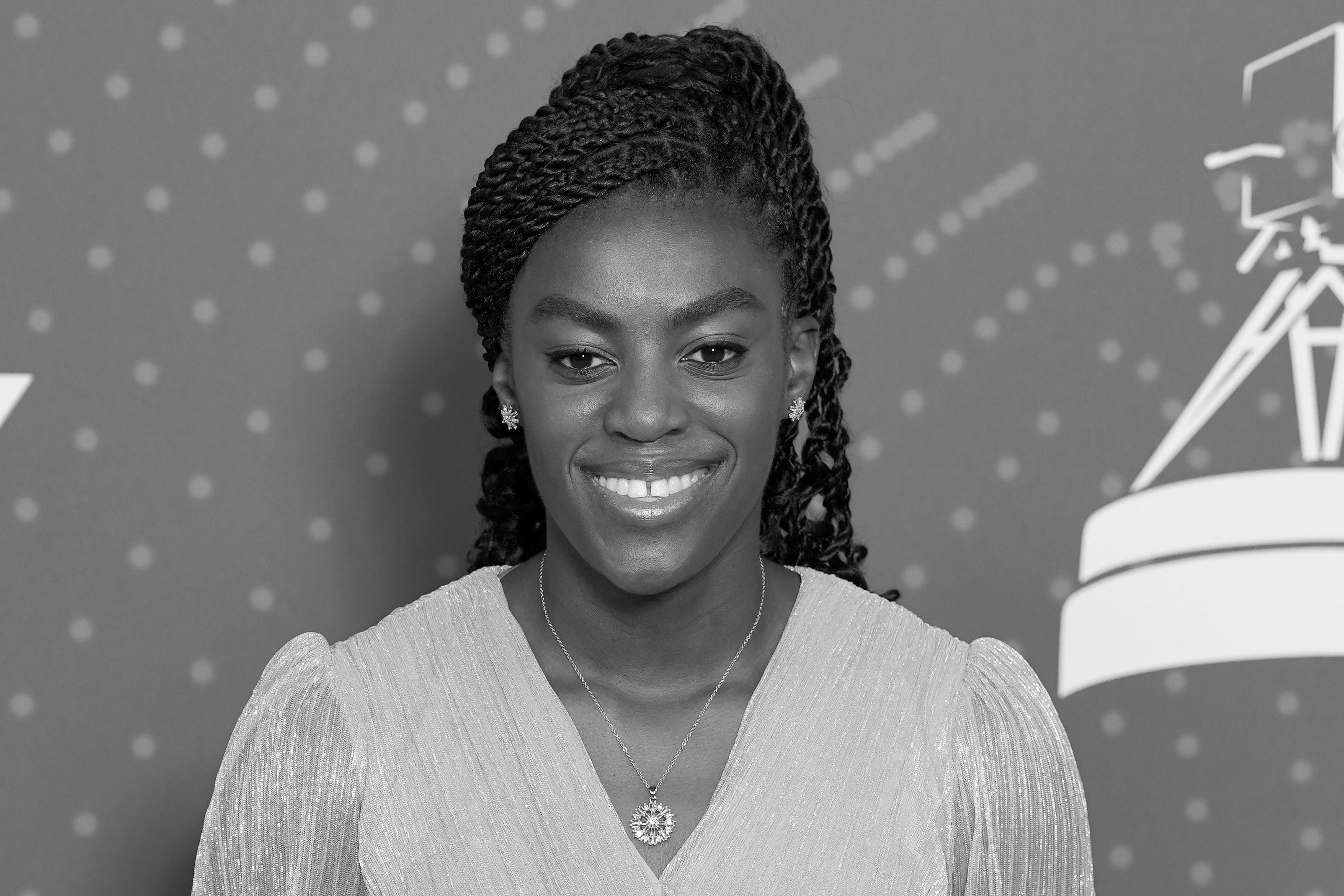
The Lionesses went on to win their second successive Euros title, and Agyemang emerged a national hero aged just 19. Her breakout tournament was followed by an impressive list of accolades, including being named young player of the tournament and scooping the BBC young sports personality of the year.
It hasn’t all been smooth sailing, though. Agyemang was dealt a difficult blow after rupturing her anterior cruciate ligament (ACL) while playing for the Lionesses in October, leaving her out of action for the rest of the 2025-2026 season.
45. Paris Lees
A pioneering and influential voice for transgender representation in the UK media, Paris Lees’ own story leapt onto our screens last year in the BBC’s What It Feels Like For a Girl. Adapted from Lees’ memoir of the same name, the powerful and critically acclaimed coming-of-age story was described as “urgent” by The Independent’s critic Nick Hilton and earned praise from all corners of the British media – an example of Lees’ rare ability to cut through culture wars and find common ground with anyone.
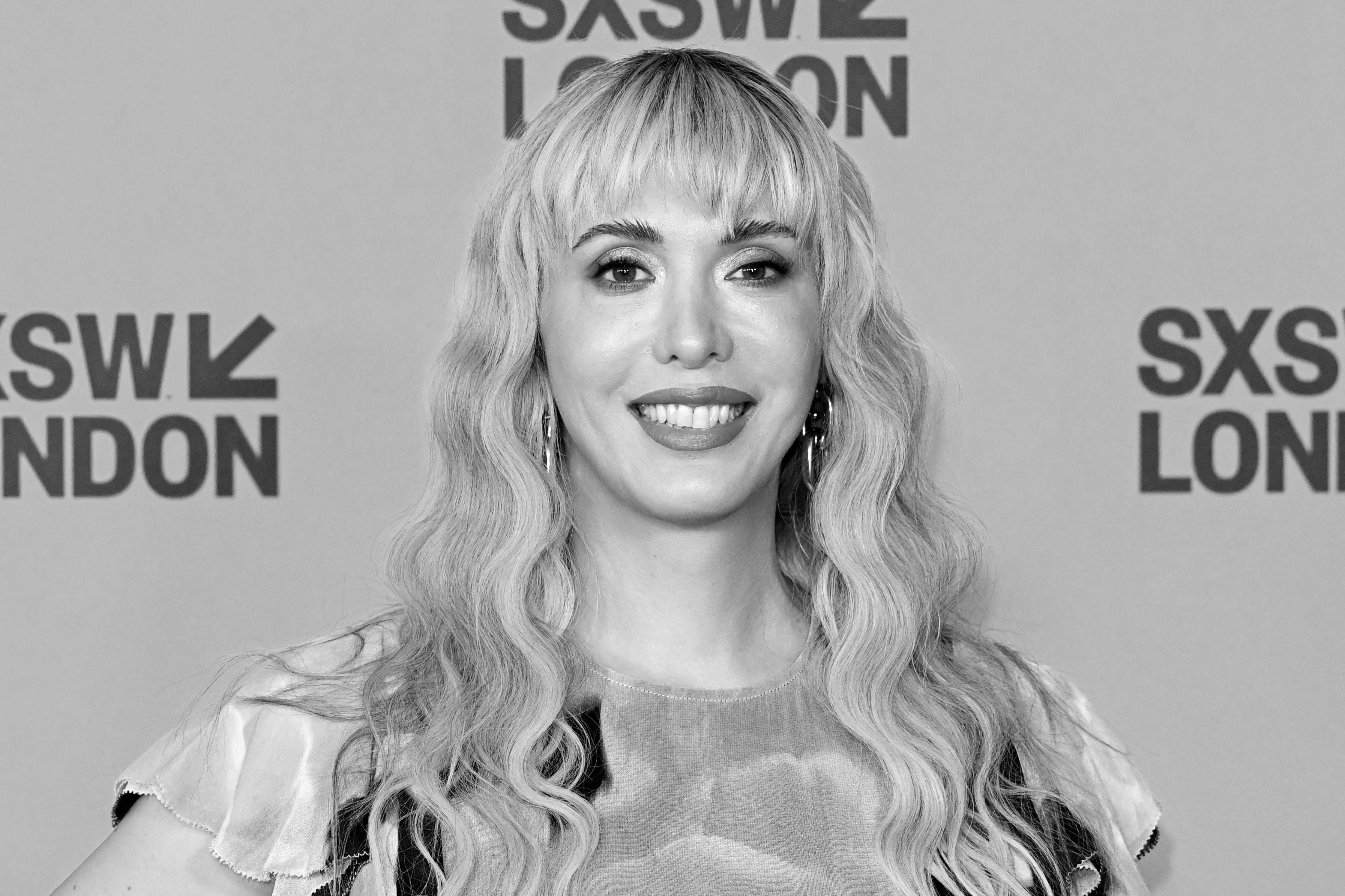
Lees has spent years using her voice to advocate for her community. She topped The Independent on Sunday’s Pink List of influential LGBTQ+ individuals in 2013, and more than a decade later, her importance hasn’t wavered. Both through outspoken activism and behind-the-scenes consulting, her impact has touched coverage of trans issues in popular culture across TV, radio, and news coverage.
At a time when the UK’s trans community are at the centre of a painful and troubling debate over their identity, the optimism and authenticity of What It Feels Like For a Girl felt incredibly poignant. “I could have been written off, and I could’ve ended up killing myself or having an overdose as a teenager, [like] so many people who fall through the cracks but I didn’t,” she told The Independent following the drama’s release.
“Even when it feels like there’s no hope, life is not set in stone. We don’t have to continue down the route we’re going – we don’t have to do it as individuals, we don’t have to do it as a country. I feel like I’ve rediscovered hope.”
46. Lola Young
Lola Young shot to fame in 2024 after her hit song ‘Messy’ went viral on TikTok, later topping several singles charts around the world. It was the start of an unstoppable rise that saw the pop singer listed on Forbes 30 Under 30 in 2025 and win the Grammy for best pop solo performance in February 2026.
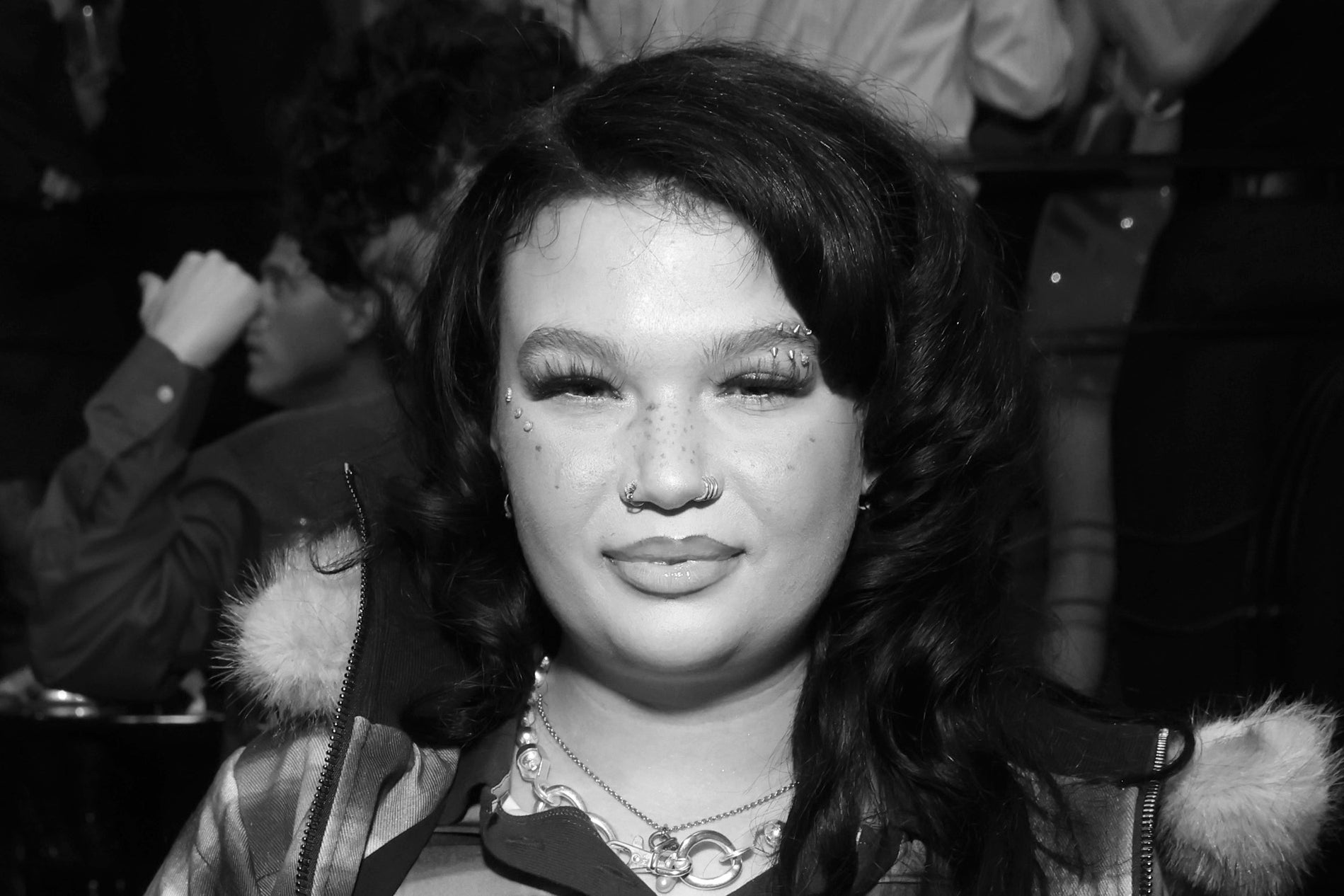
Aside from the catchiness of her rock and grunge-influenced pop, Young has grown her fanbase through songwriting that taps into deeply personal issues, from bisexuality and drug addiction to her diagnoses with schizoaffective disorder and ADHD. She has also raised awareness of the importance of asserting boundaries in the music industry.
After collapsing at a festival in New York, she cancelled her remaining shows to rest and recuperate, returning with a special one-off gig at the London Palladium in March to celebrate her triumphant comeback.
47. Sarah Wynn-Williams
Sarah Wynn-Williams used her position as a former exec at Facebook to publish an explosive exposé, making allegations about the social media company’s dealings with China and its treatment of teenagers.
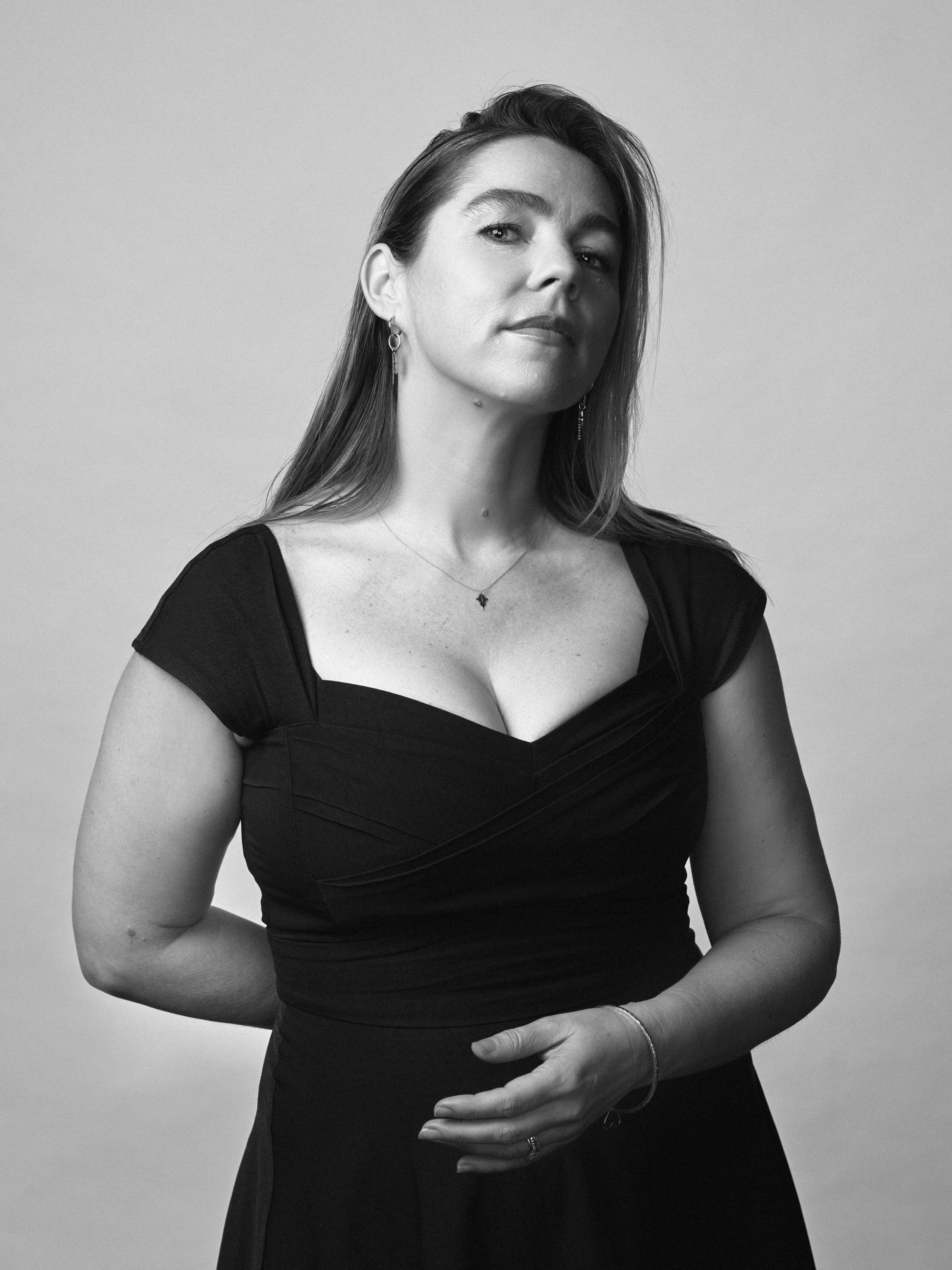
Published in March 2025, the ex-global public policy director’s memoir Careless People soared to the top of bestseller lists despite Meta securing a ruling that prevented her from publicising it.
In the book, the former New Zealand diplomat, now based in the UK, alleges the company ignored internal warnings about potential harm to human rights and democracy. She also accused the tech giant of firing her in 2017 after she filed a sexual harassment complaint against her boss Joel Kaplan, who was then-vice president for global public policy. Meta denies all the allegations and previously told The Independent in a statement she was fired for “poor performance and toxic behaviour” and noted an investigation into the incident determined that she made “misleading and unfounded allegations of harassment”.
Wynn-Williams said it was important she speak out now to inform the public what was going on at the company behind closed doors. “We’re in a moment now where technology CEOs and political leaders around the world are joining forces and compounding their influence, compounding their power, and that’s got consequences for everybody,” she told NBC News. “People need to understand what has actually gone on.”
48. Rose Wylie
This year, Rose Wylie made history as the first female British painter to have a solo exhibition in the main galleries of the Royal Academy.
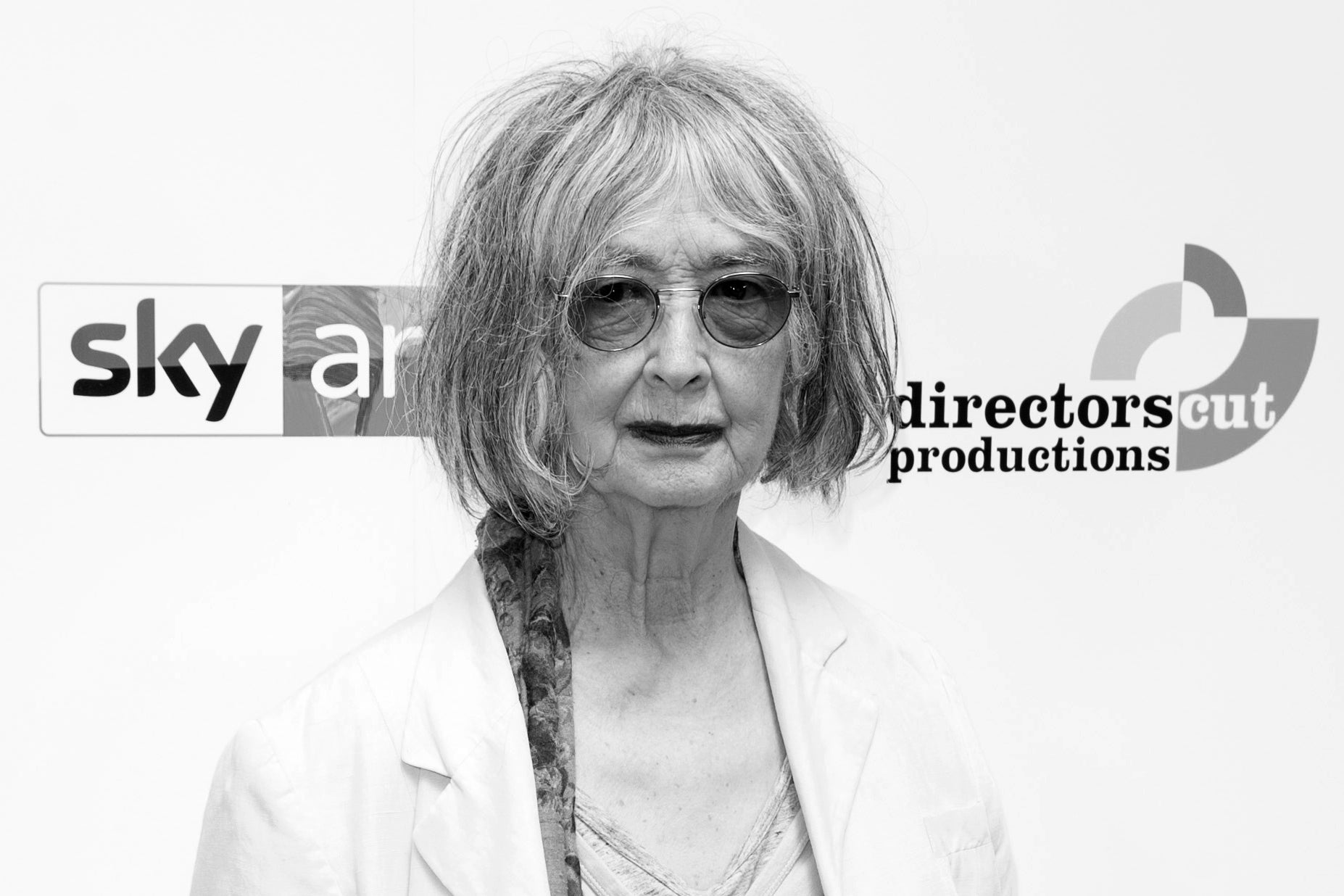
She told The Independent in an interview for International Women’s Day: “I think it’s high time. Obviously, it’s a very poor situation that that’s happened. I don’t know, I can’t… I can’t believe that there’s been no woman painter in the main gallery since it started. It’s quite unbelievable and quite, quite obscene, don’t you think? I’m glad it’s broken.”
Wylie, known for her bold and striking artworks which often mix together her wartime childhood memories with an interest in cinema and celebrity culture, began her career in her fifties after initially giving up painting to raise a family with fellow artist Roy Oxlade. Now 91, there is no stopping the Kent-based artist, whose show ‘The Picture Comes First’, featuring new and previously unseen works, is being met with high praise in a year of blockbuster exhibitions showcasing female artists.
Primarily painting women – both real and fictional – Wylie’s art draws upon her own experiences in the world with wit, colour, and a singular style.
49. Cat Burns
Musician Cat Burns has had a phenomenal year. She won acclaim for her strategic and stealthy gameplay on the first-ever season of Celebrity Traitors, making it all the way to the final with fellow Traitor Alan Carr before she was ultimately banished. Yet her steely determination and quiet confidence saw her emerge as a national favourite; she has gone from strength to strength ever since.
It was later revealed that Burns’ chosen charity for her prize money, should she have won, was the National Autistic Society, following her own experience of being diagnosed with autism and ADHD in adulthood.
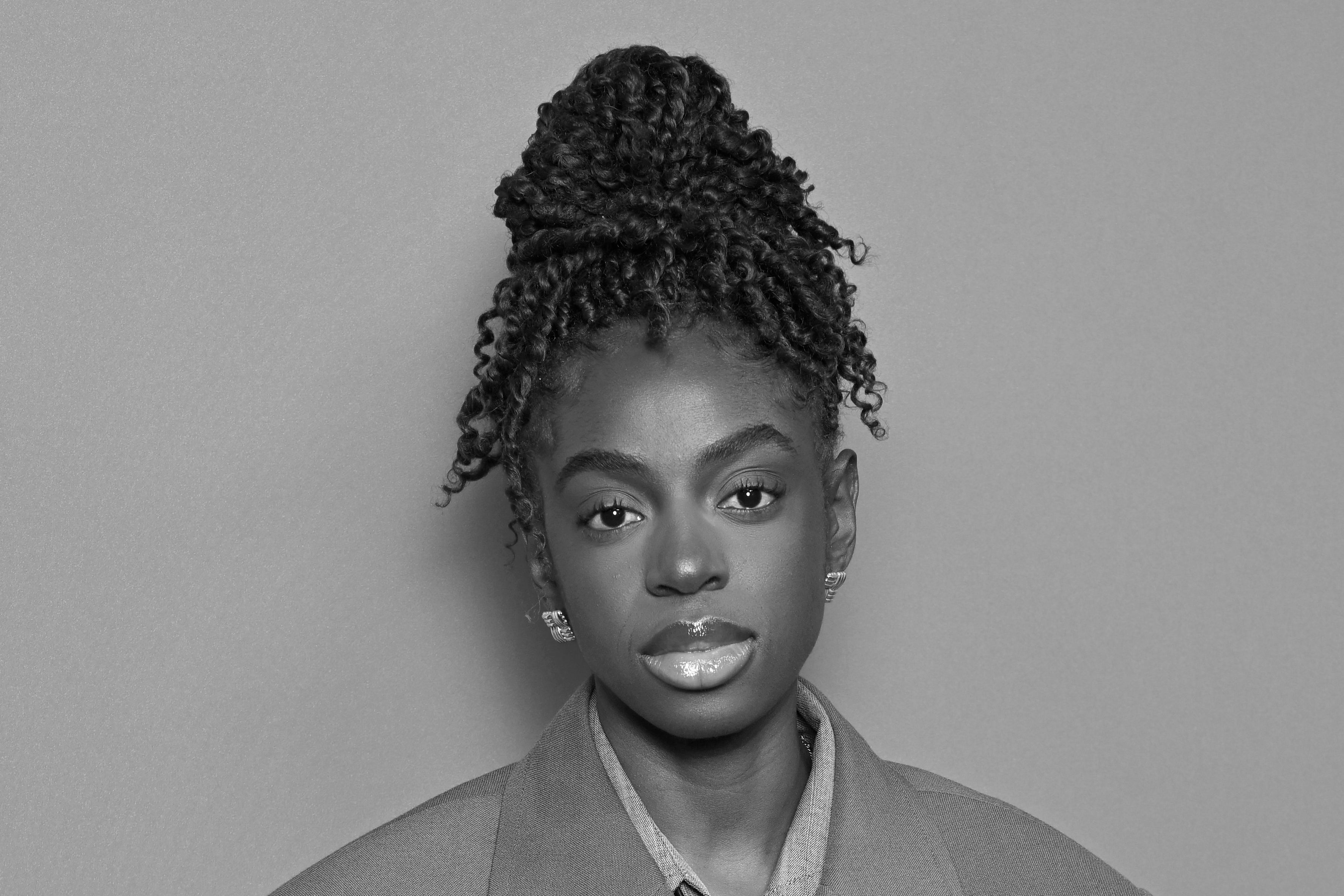
Her second studio album How To Be Human, released in October 2025, received critical acclaim for its incisive lyrics – on songs that explore Burns’ experiences both as a queer Black woman and as someone with neurodivergence. Others, such as ‘All This Love’, reconcile with the fact that there is no one way to grieve someone we have lost. Through her music and her TV appearances, Burns has shown how we can navigate the world without feeling pressured into conforming to make others feel more comfortable.
50. Elizabeth Day
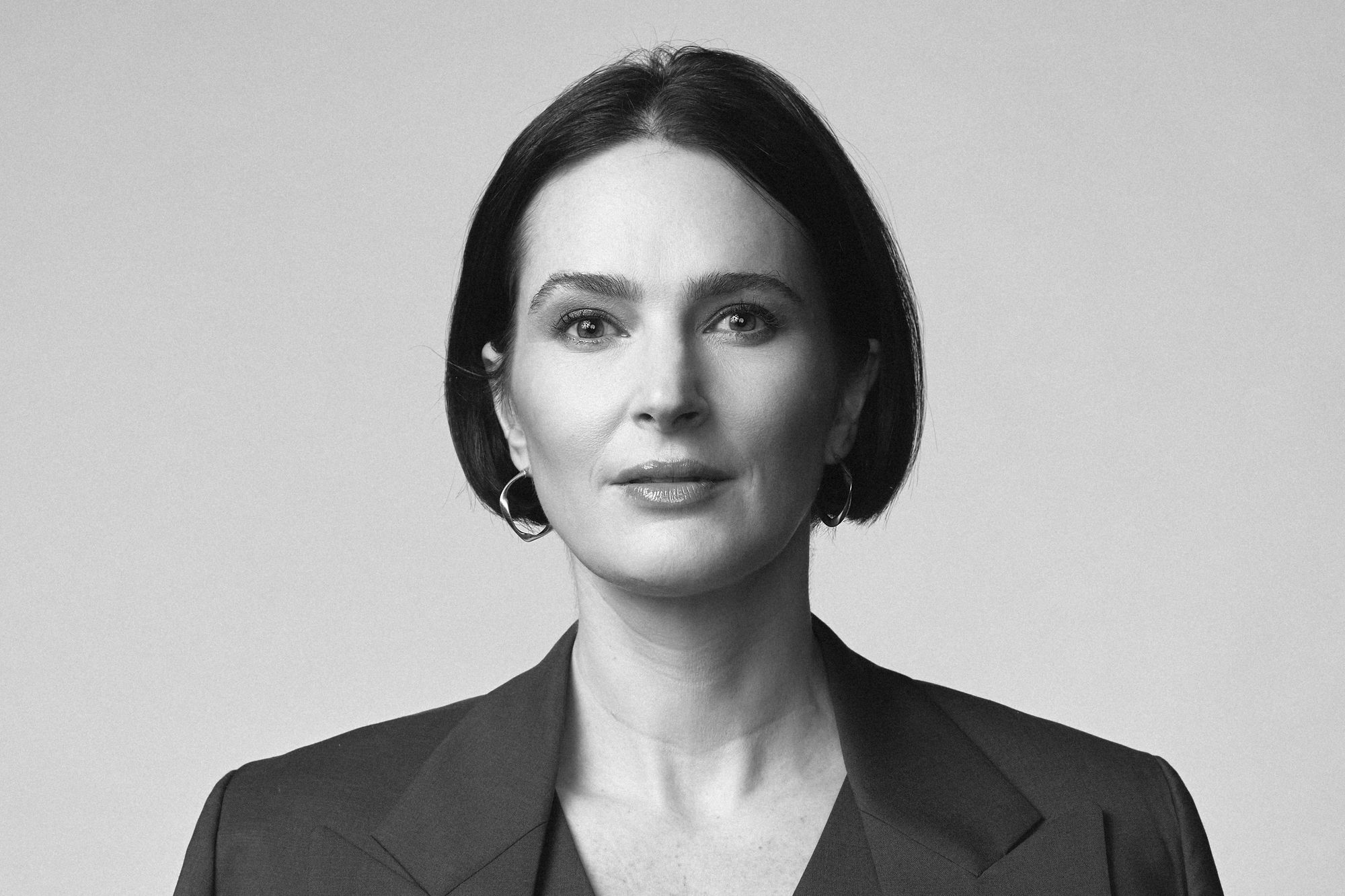
Elizabeth Day has made a smash hit out of failure. Despite its subject matter, since launching in 2018, her chart-topping podcast How to Fail has brought scores of high-profile guests (Kate Winslet and Andrew Scott to name a few) and millions of listeners together to explore how we can grow from things that go wrong.
Not only a podcast supremo, Day is also a Sunday Times bestselling author whose work spans both fiction and non-fiction. At the end of 2025, she announced a new addition to her increasing female media empire, launching her own publishing imprint Big Day, which is “dedicated to publishing extraordinary stories that illuminate what it means to be human”. The inaugural book is Inconceivable by Rebecca Coxon, a memoir detailing her experience as a donor-conceived IVF triplet, which is scheduled for release in March 2026.
Over the years Day has also helped lead important conversations about infertility and miscarriage, speaking candidly about her own experiences and, more recently, about her acceptance that she will not have children.
“When I started out on that journey, I felt a great deal of shame around it,” she told The Independent for International Women’s Day. “I didn’t feel that I could share what I was going through.
“The moment that I decided to take the risk of sharing… I felt less alone because connection is forged through vulnerability. I now feel part of a community of women and men who have walked similar paths, and there’s so much strength and power that comes from that.”
Reporting for The Independent’s 2026 influence list by: Nicole Wootton-Cane, Sian Elvin, Lucy Leeson, Dan Haygarth, Jessie Thompson, Jamie Braidwood, Ellie Harrison, Harry Latham-Coyle, Adam White, Roisin O’Connor, Kate Devlin, Camille Chorley, Luke Reevey and Caspar Barnes.