Holi, the Hindu festival of colours, was celebrated across India on Wednesday.
The festival welcomes spring with bursts of colours, music, and shared meals.
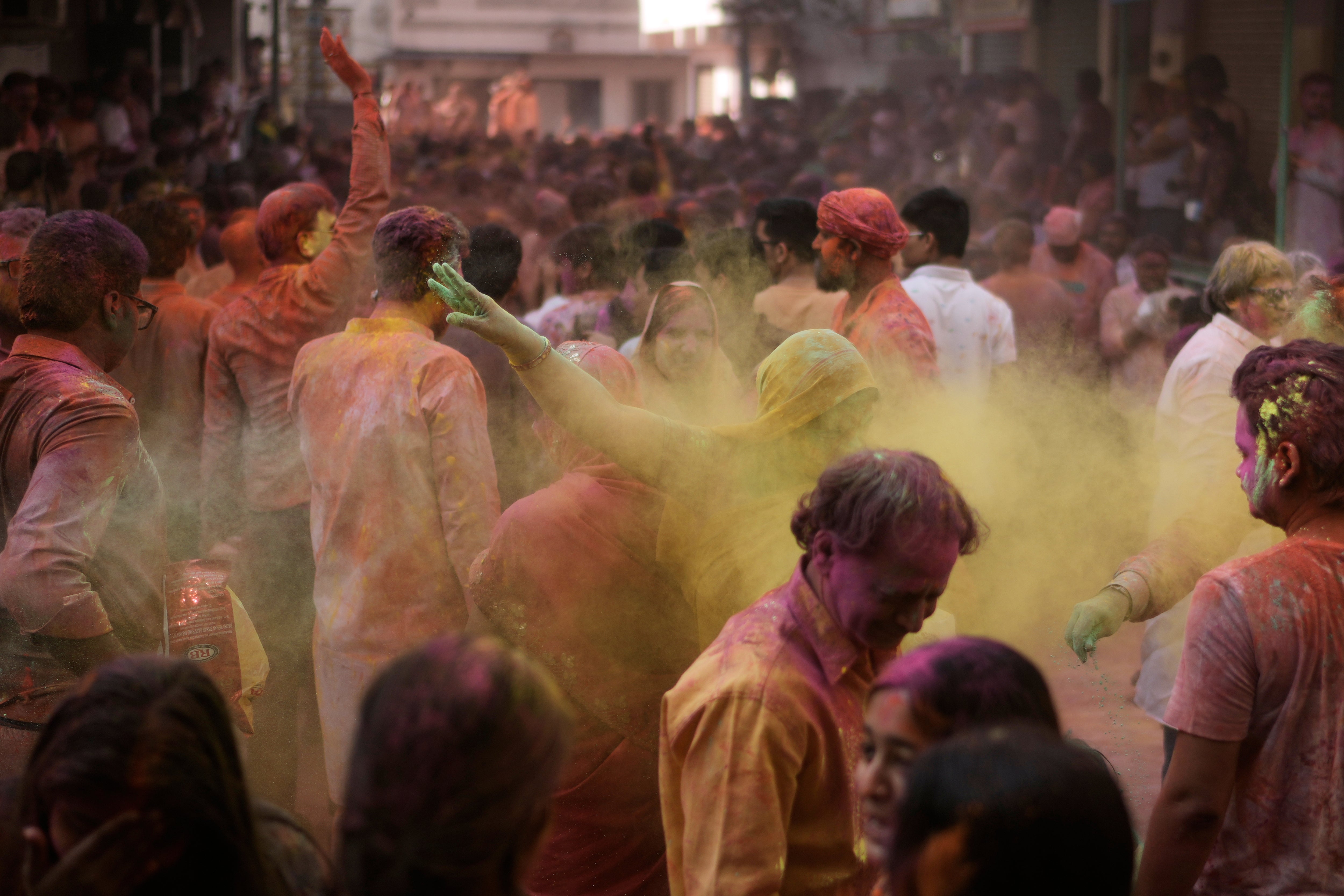
Celebrated on the day of the last full moon of the Hindu luni-solar month of Falgun, it sees people dressed in white stepping into streets and courtyards to toss bright powders and splash coloured water on one another.
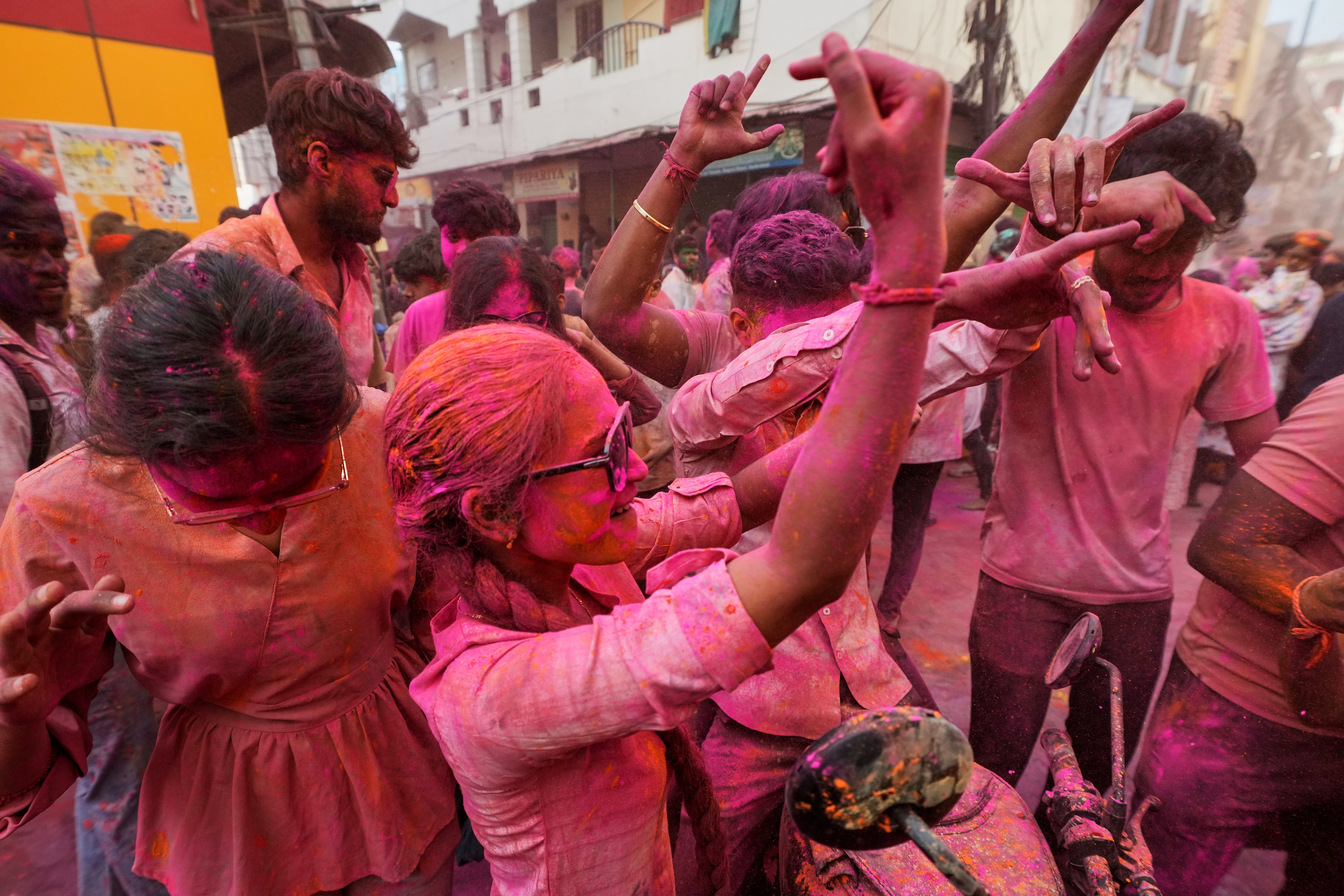
The air fills with celebration, plates of sweets called gujiya are passed around, and thandai flows freely as communities come together to mark love, renewal and a fresh start.
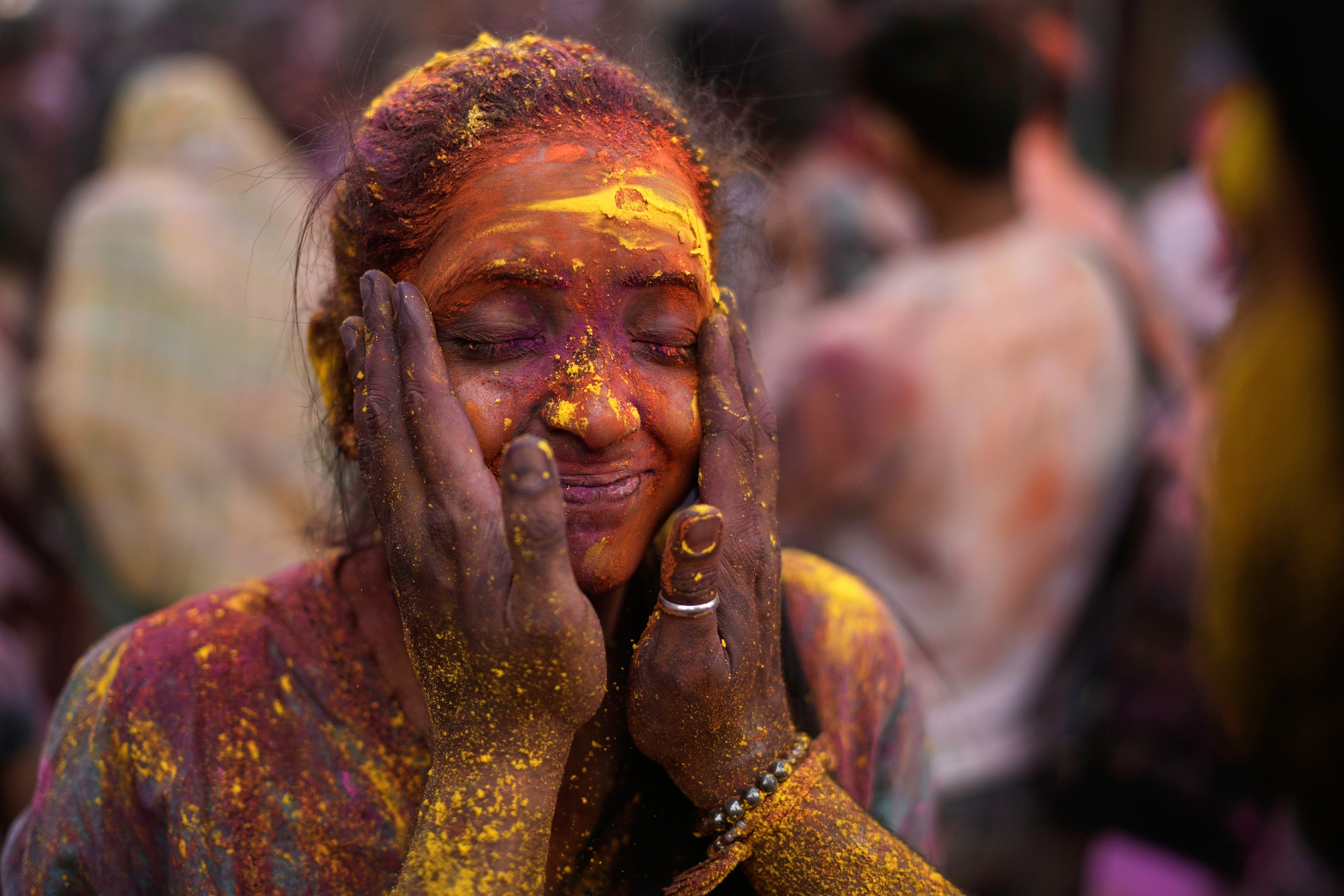
The festival is rooted in Hindu mythology. On the eve of Holi, bonfires are lit in a ritual called Holika Dahan, symbolising the victory of good over evil.
Other traditions connect the day to the Hindu deities Krishna and Radha, whose playful exchange of colours is said to have inspired the custom.
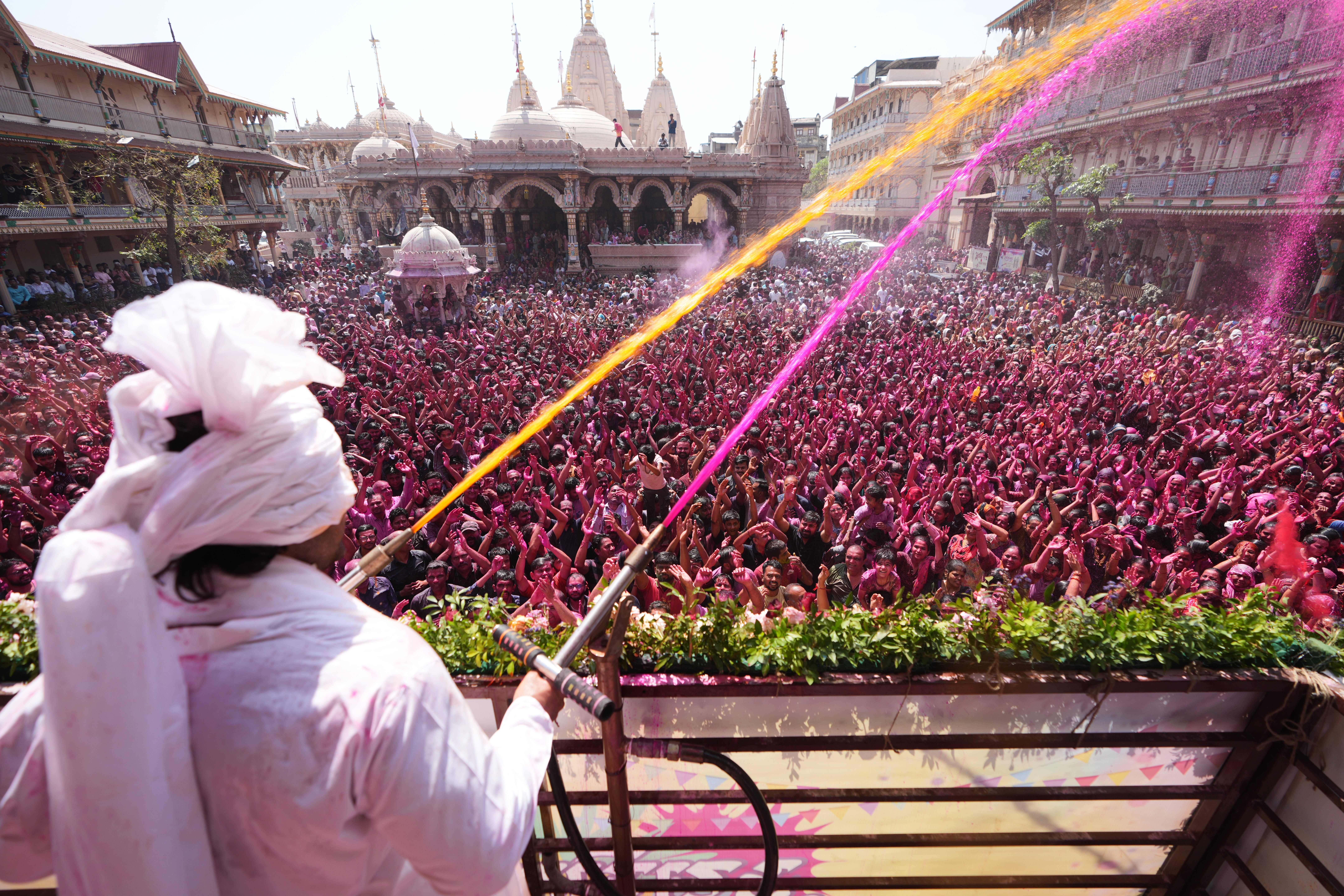
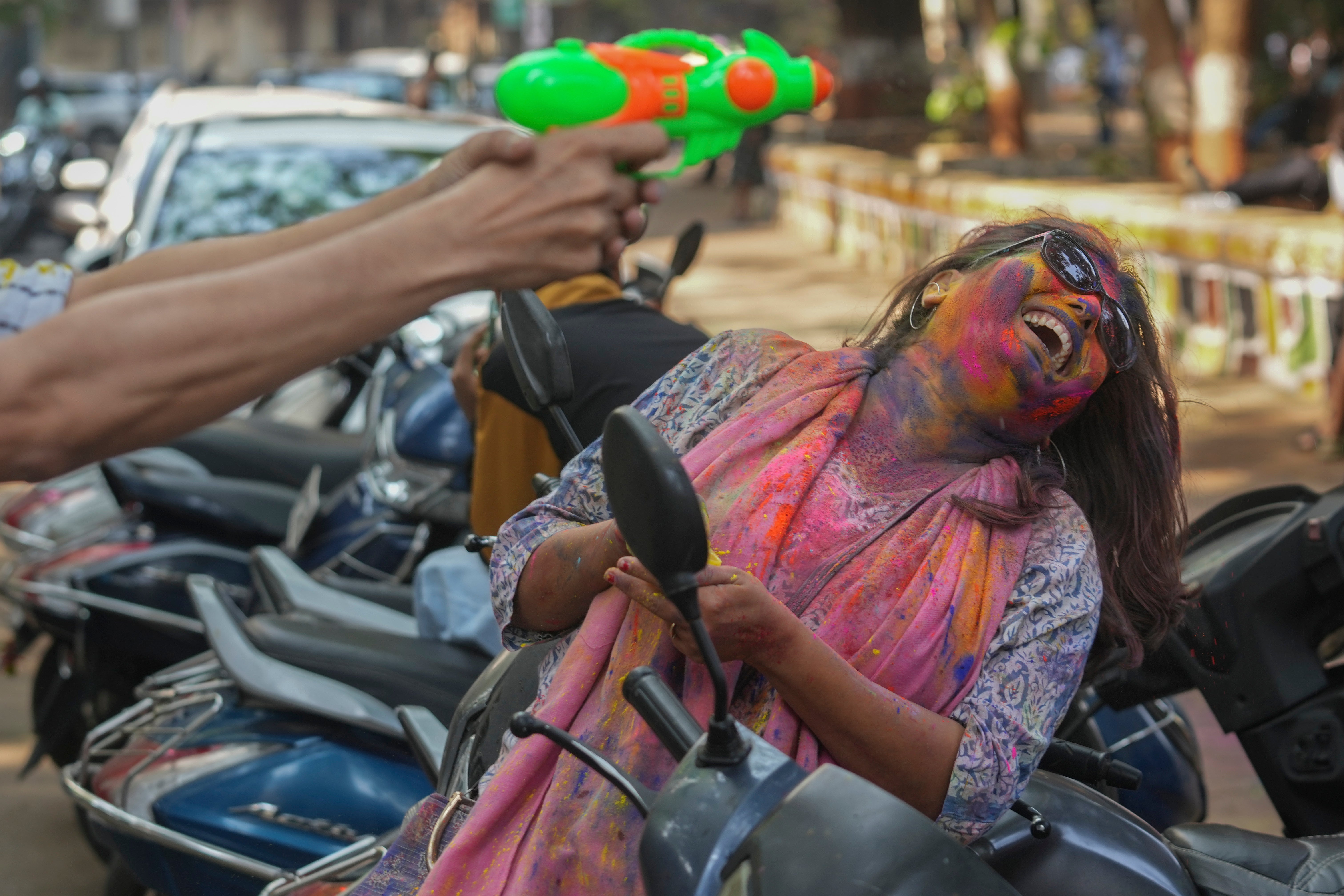
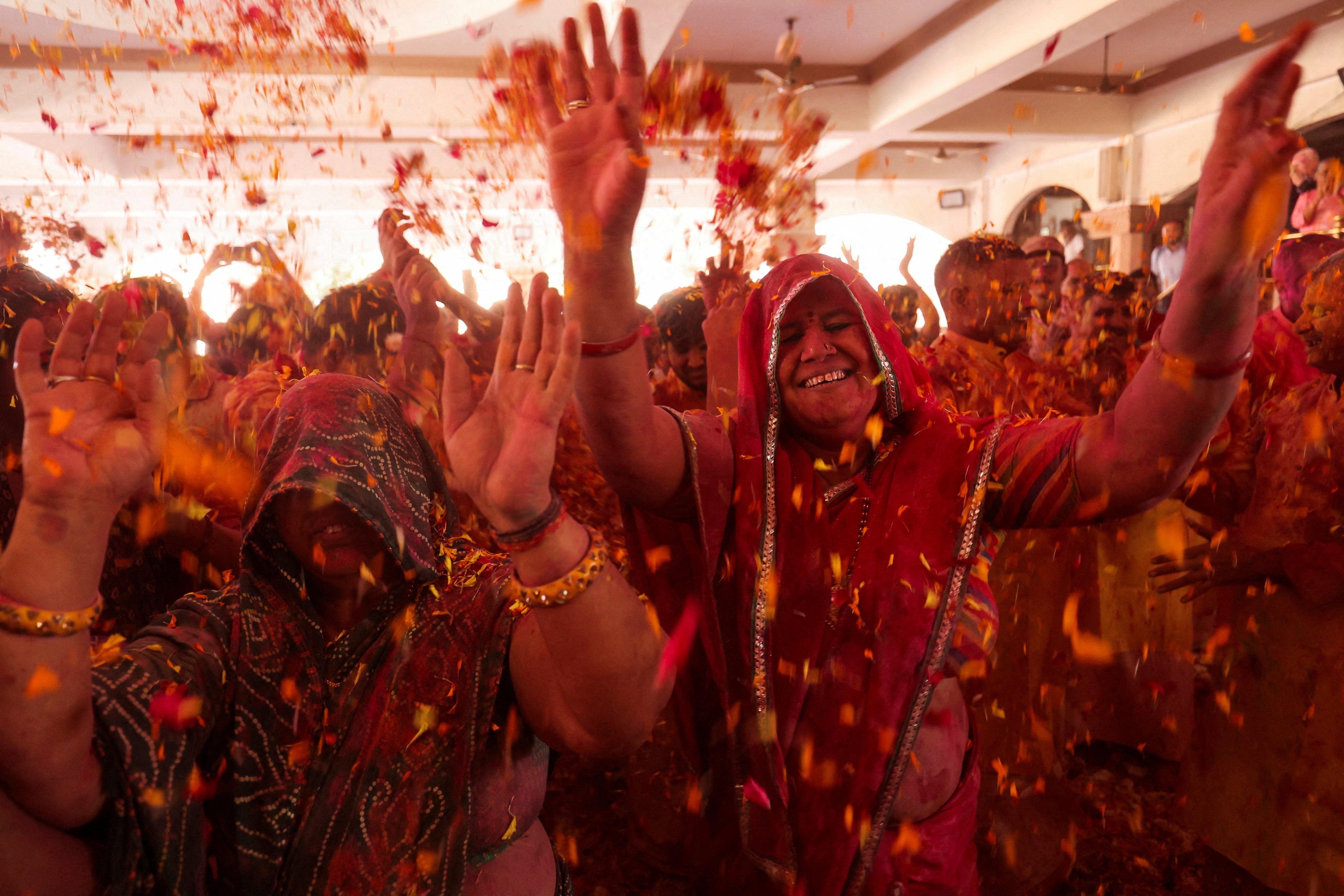
Different regions add their own flavour – from Lathmar Holi in Uttar Pradesh, where women playfully strike men with sticks in a re-enactment of the legend to cultural spring celebrations in West Bengal inspired by Rabindranath Tagore.
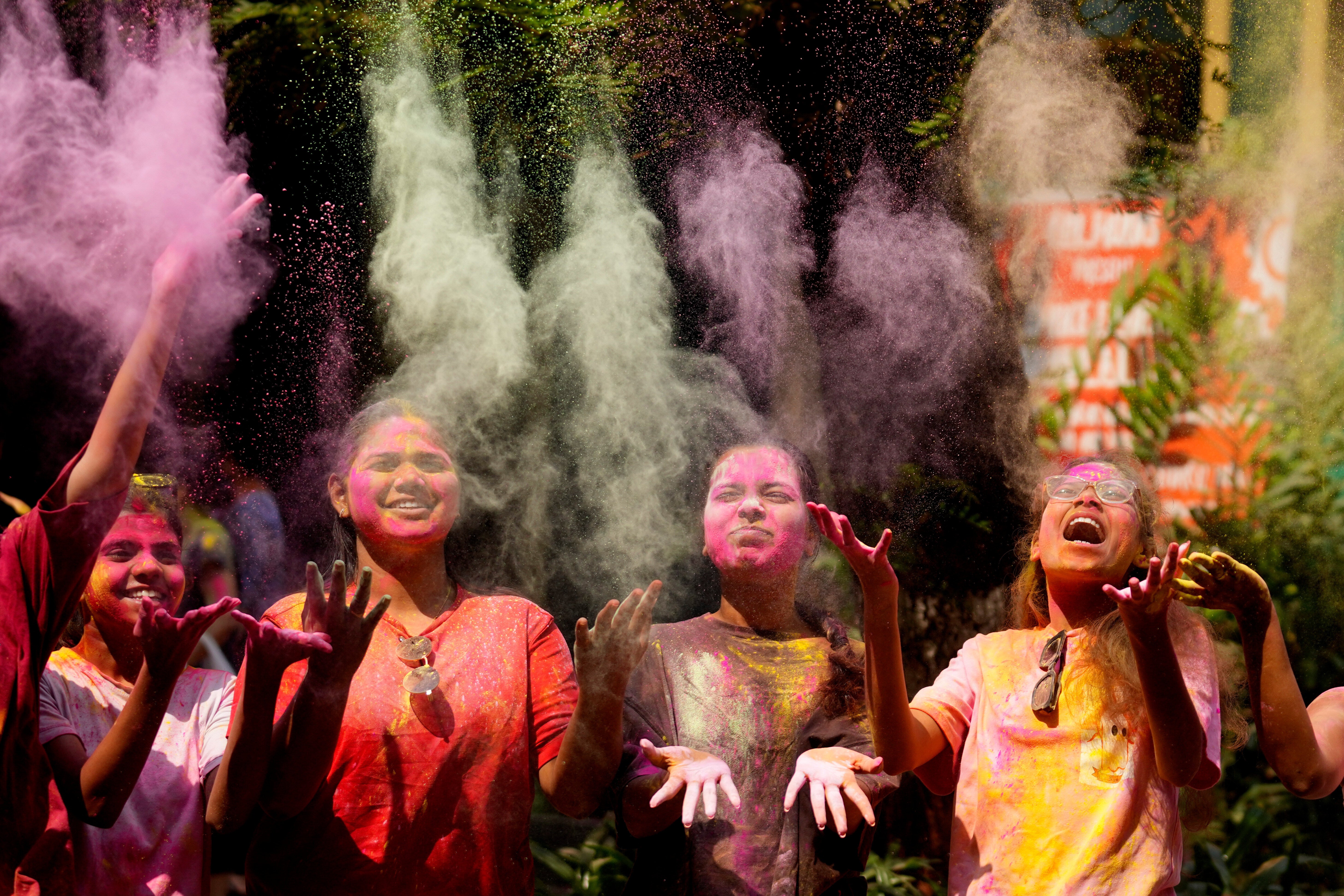
In Varanasi, some devotees even celebrate with “Masaan Holi”, using ashes by the Ganges in a reminder of life’s cycle.

While Holi is known for joy and togetherness, conversations about safety have also become part of the festival. Some women have spoken out about harassment during crowded celebrations, urging revellers to ensure that fun does not come at the cost of consent.
For many, the true spirit of Holi lies not just in colour, but in respect, community and shared happiness.