


If you have ever lifted a weight, you know the routine: challenge the muscle, give it rest, feed it and repeat. Over time, it grows stronger.
Of course, muscles only grow when the challenge increases over time. Continually lifting the same weight the same way stops working.
It might come as a surprise to learn that the brain responds to training in much the same way as our muscles, even though most of us never think about it that way. Clear thinking, focus, creativity and good judgment are built through challenge, when the brain is asked to stretch beyond routine rather than run on autopilot. That slight mental discomfort is often the sign that the brain is actually being trained, a lot like that good workout burn in your muscles.
Think about walking the same loop through a local park every day. At first, your senses are alert. You notice the hills, the trees, the changing light. But after a few loops, your brain checks out. You start planning dinner, replaying emails or running through your to-do list. The walk still feels good, but your brain is no longer being challenged.
Routine feels comfortable, but comfort and familiarity alone do not build new brain connections.
As a neurologist who studies brain activity, I use electroencephalograms, or EEGs, to record the brain’s electrical patterns.
Research in humans shows that these rhythms are remarkably dynamic. When someone learns a new skill, EEG rhythms often become more organized and coordinated. This reflects the brain’s attempt to strengthen pathways needed for that skill.
Your brain trains in zones too
For decades, scientists believed that the brain’s ability to grow and reorganize, called neuroplasticity, was largely limited to childhood. Once the brain matured, its wiring was thought to be largely fixed.
But that idea has been overturned. Decades of research show that adult brains can form new connections and reorganize existing networks, under the right conditions, throughout life.
Some of the most influential work in this field comes from enriched environment studies in animals. Rats housed in stimulating environments filled with toys, running wheels and social interaction developed larger, more complex brains than rats kept in standard cages. Their brains adapted because they were regularly exposed to novelty and challenge.
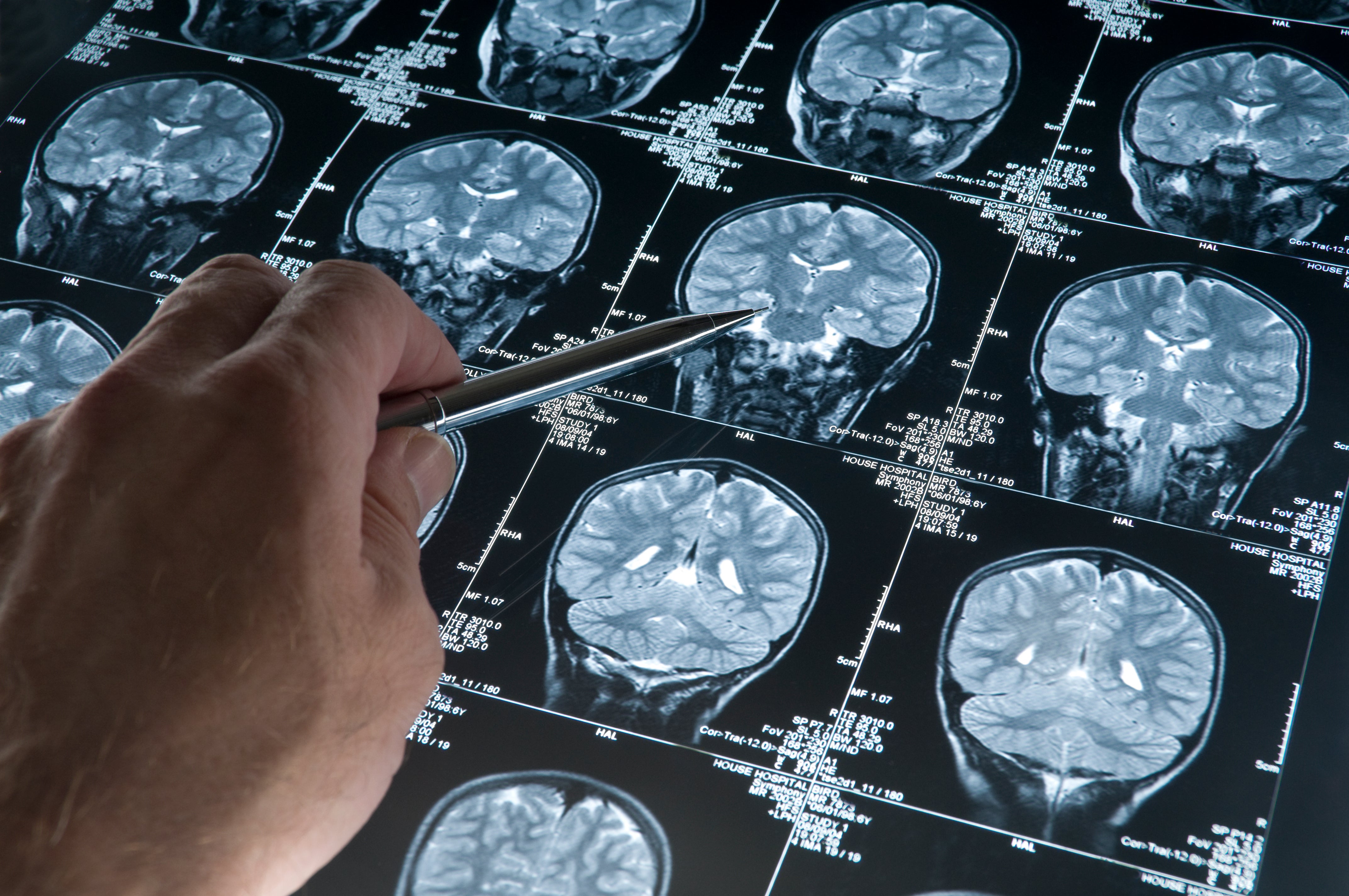
Human studies find similar results. Adults who take on genuinely new challenges, such as learning a language, dancing or practicing a musical instrument, show measurable increases in brain volume and connectivity on MRI scans.
The takeaway is simple: Repetition keeps the brain running, but novelty pushes the brain to adapt, forcing it to pay attention, learn and problem-solve in new ways. Neuroplasticity thrives when the brain is nudged just beyond its comfort zone.
The reality of neural fatigue
Just like muscles, the brain has limits. It does not get stronger from endless strain. Real growth comes from the right balance of challenge and recovery.
When the brain is pushed for too long without a break – whether that means long work hours, staying locked onto the same task or making nonstop decisions under pressure – performance starts to slip. Focus fades. Mistakes increase. To keep you going, the brain shifts how different regions work together, asking some areas to carry more of the load. But that extra effort can still make the whole network run less smoothly.
Neural fatigue is more than feeling tired. Brain imaging studies show that during prolonged mental work, the networks responsible for attention and decision-making begin to slow down, while regions that promote rest and reward-seeking take over. This shift helps explain why mental exhaustion often comes with stronger cravings for quick rewards, like sugary snacks, comfort foods or mindless scrolling. The result is familiar: slower thinking, more mistakes, irritability and mental fog.
This is where the muscle analogy becomes especially useful. You wouldn’t do squats for six hours straight, because your leg muscles would eventually give out. As they work, they build up byproducts that make each contraction a little less effective until you finally have to stop. Your brain behaves in a similar way.
Likewise, in the brain, when the same cognitive circuits are overused, chemical signals build up, communication slows and learning stalls.
But rest allows those strained circuits to reset and function more smoothly over time. And taking breaks from a taxing activity does not interrupt learning. In fact, breaks are critical for efficient learning.
The crucial importance of rest
Among all forms of rest, sleep is the most powerful.
Sleep is the brain’s night shift. While you rest, the brain takes out the trash through a special cleanup system called the glymphatic system that clears away waste and harmful proteins. Sleep also restores glycogen, a critical fuel source for brain cells.
And importantly, sleep is when essential repair work happens. Growth hormone surges during deep sleep, supporting tissue repair. Immune cells regroup and strengthen their activity.

During REM sleep, the stage of sleep linked to dreaming, the brain replays patterns from the day to consolidate memories. This process is critical not only for cognitive skills like learning an instrument but also for physical skills like mastering a move in sports.
On the other hand, chronic sleep deprivation impairs attention, disrupts decision-making and alters the hormones that regulate appetite and metabolism. This is why fatigue drives sugar cravings and late-night snacking.
Sleep is not an optional wellness practice. It is a biological requirement for brain performance.
Exercise feeds the brain too
Exercise strengthens the brain as well as the body.
Physical activity increases levels of brain-derived neurotrophic factor, or BDNF, a protein that acts like fertilizer for neurons. It promotes the growth of new connections, increases blood flow, reduces inflammation and helps the brain remain adaptable across one’s lifespan.
This is why exercise is one of the strongest lifestyle tools for protecting cognitive health.
Train, recover, repeat
The most important lesson from this science is simple. Your brain is not passively wearing down with age. It is constantly remodeling itself in response to how you use it. Every new challenge and skill you try, every real break, every good night of sleep sends a signal that growth is still expected.
You do not need expensive brain training programs or radical lifestyle changes. Small, consistent habits matter more. Try something unfamiliar. Vary your routines. Take breaks before exhaustion sets in. Move your body. Treat sleep as nonnegotiable.
So the next time you lace up your shoes for a familiar walk, consider taking a different path. The scenery may change only slightly, but your brain will notice. That small detour is often all it takes to turn routine into training.
The brain stays adaptable throughout life. Cognitive resilience is not fixed at birth or locked in early adulthood. It is something you can shape.
If you want a sharper, more creative, more resilient brain, you do not need to wait for a breakthrough drug or a perfect moment. You can start now, with choices that tell your brain that growth is still the plan.