

When my editor approached me with the idea of boycotting American products for 24 hours, it seemed straightforward.
The Canadians have been doing it. So have the Danes, using a new app that helps to identify American-made products in the supermarket so they can be tossed aside in anger after Donald Trump’s threats against Greenland.
The truth is: I failed in seconds.
“Sure thing,” I responded to the commission… on Slack, which is owned by American software giant Salesforce.
When Trump declared last month that military intervention was “an option” for acquiring control of Greenland, an autonomous territory belonging to Denmark, it sent shockwaves across Europe and the Nato alliance. The controversy saw thousands of furious Danes march through Copenhagen, chanting “Greenland is not for sale”.
The American president had struck a nerve in a country where such protests almost never happen. But amidst the fury, tech developers in Denmark spotted an opportunity.
UdenUSA and Made O’Meter, both available on the App Store, can scan products and lay out where they have come from and by whom they are owned. In the past few weeks, they have been helping Danes to avoid purchasing American products.
After falling at the first hurdle of my boycott, I set about downloading the apps on my phone: eager to prove to Trump that Europe does not need the US anymore.
An initial scan gave me a strong start: my clothes came from British retailer Marks & Spencer and Japanese company UniQlo. In my hand I was holding a Samsung phone, made by South Korea.
But this is where things took a turn for the worse. I realised I was taking down my notes in a Google Doc on an Apple MacBook Pro, which was connected to a Dell monitor and a HP mouse: all American products.
My dilemma illustrated how US technology holds a uniquely dominant position in the global market.
The iPhone, made by tech behemoth Apple, is the most popular smartphone in the UK. In 2025, according to an Ofcom report, more than half (54 per cent) of UK smartphone users aged 16 or over were using an Apple iPhone, while 45 per cent used an Android, which is primarily made by Google. Streaming giant Netflix is used by an extraordinary 17.6 million homes in the UK – around a third of the entire population.
After stepping out of my office, I decided to start afresh. All I had to do was block American apps such as Instagram, Facebook, X and WhatsApp – a difficult undertaking for a screen-addicted Gen Z man. Instead, I would read a British book, or watch a British team play football (a British sport) on a South Korean LG television screen.
Content with my strategy, I turned on my TV to watch my club Chelsea battle it out against Italian club Napoli in the Champions League on TNT Sports.
Suddenly the naivety of my plan hit me. TNT Sports, formerly known as BT Sport, is in fact owned by huge American entertainment company Warner Bros Discovery. And my own team is owned by a California-based private equity firm and an American billionaire.
My situation highlighted the creeping dominance of British sport by American big business. Four of the country’s biggest clubs – Arsenal, Manchester United, Liverpool and Chelsea – are now all majority US-owned, in addition to Fulham, Bournemouth and Everton. Given the centrality of football to English national life, the impact of this should not be underestimated.
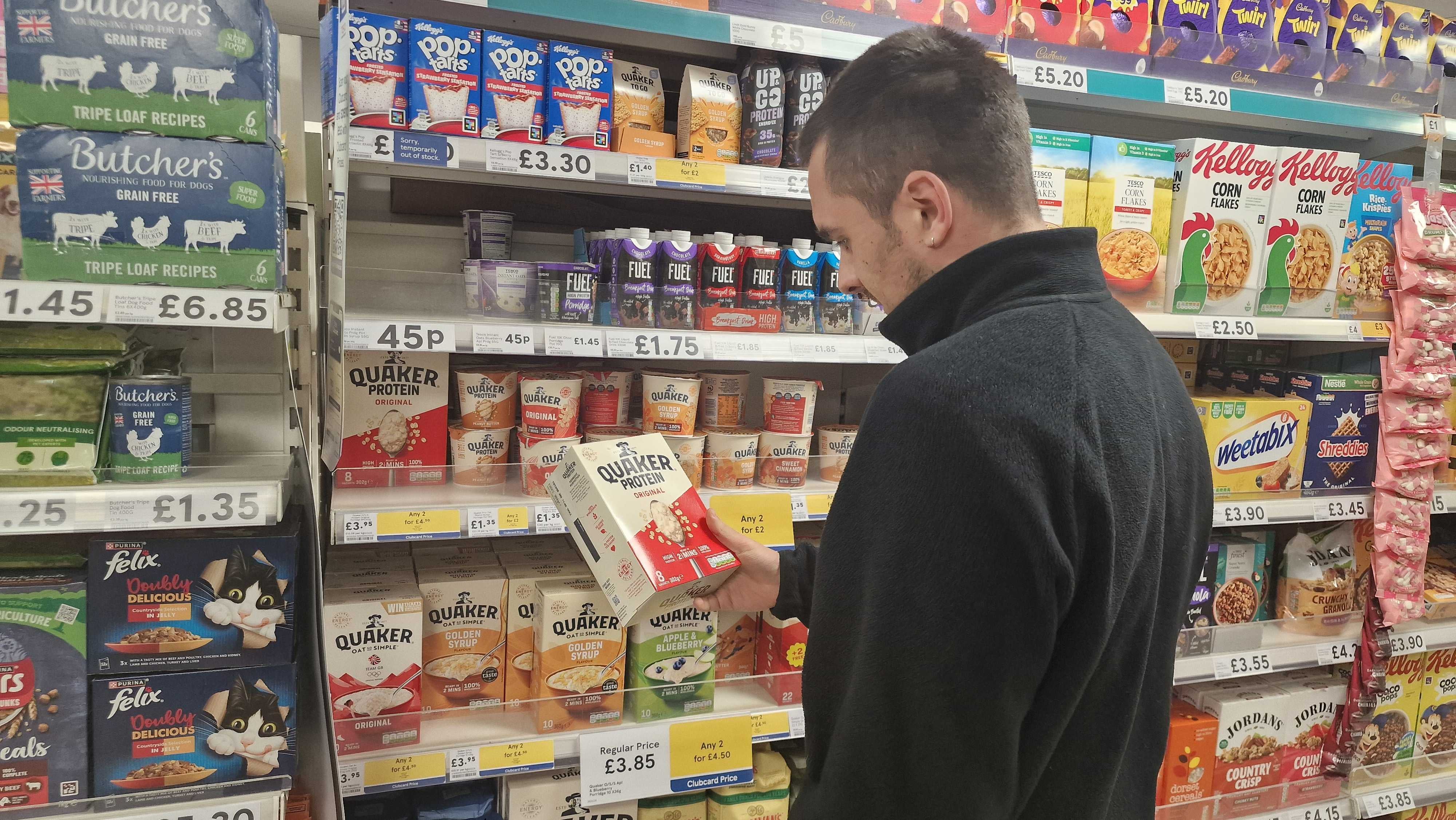
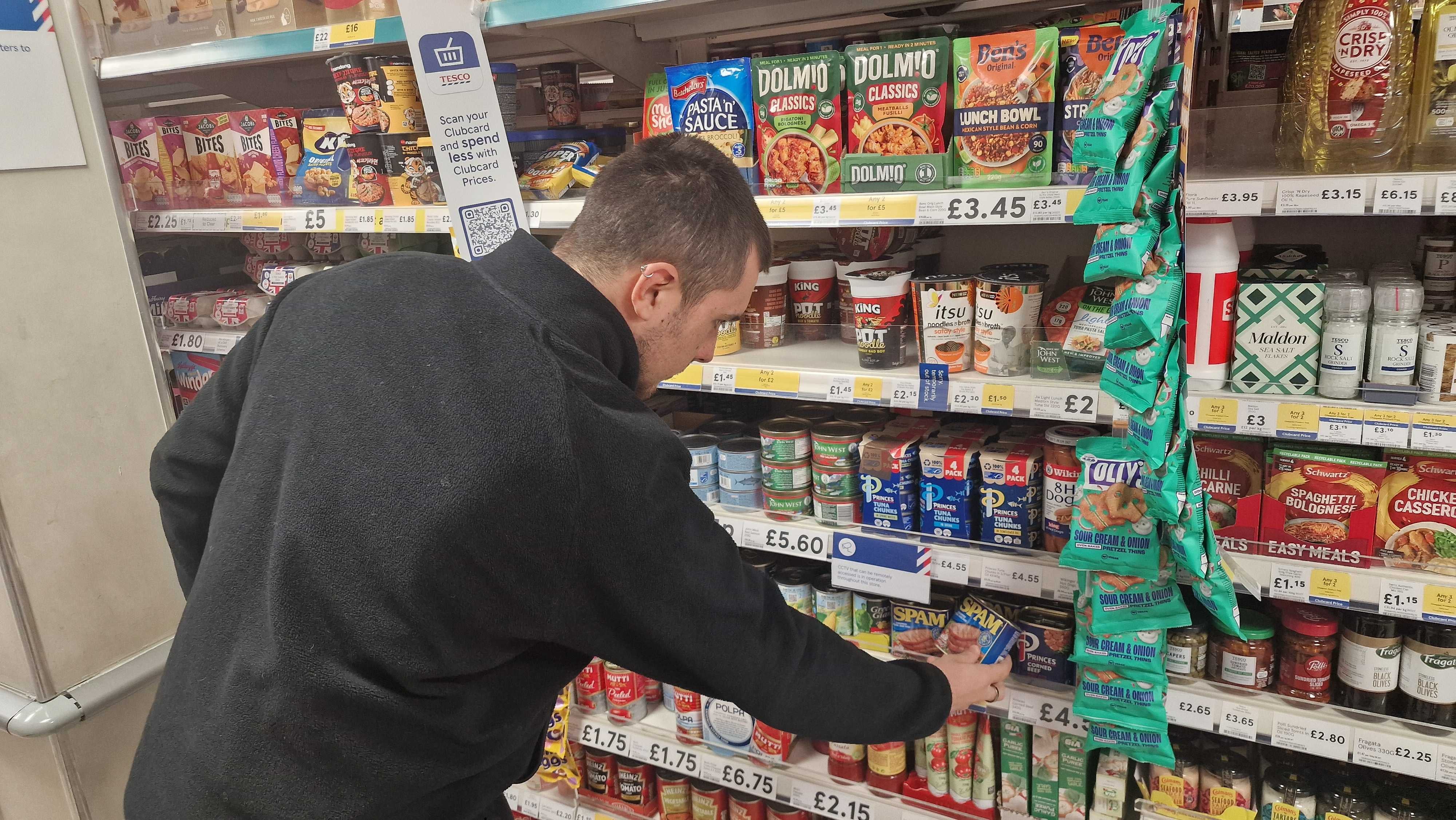
A brief trip to the supermarket the next morning painted a slightly less bleak picture. Around 60 per cent of the food we consume in the UK is sourced domestically, while 40 per cent is imported – the vast majority of that coming from the European Union. Spam and Quaker oats, I’m pleased to say, are not on my weekly shopping list.
Celebrating my small win, I headed to my local PureGym as my boycott neared its end. Only later did I discover that my monthly gym subscription was being paid into the deep pockets of US private equity firm Leonard Green & Partners, who acquired the company in 2017.
My unsuccessful boycott reflected an unavoidable reality of European life. In so many ways, we still depend on America. Despite all the tough talk of “strategic autonomy” in European capitals, the American economy still determines – to a large degree – the success of our own. The US remains the UK’s largest single-country trading partner overall, accounting for around 17–18% of our total trade in goods and services, according to government figures.
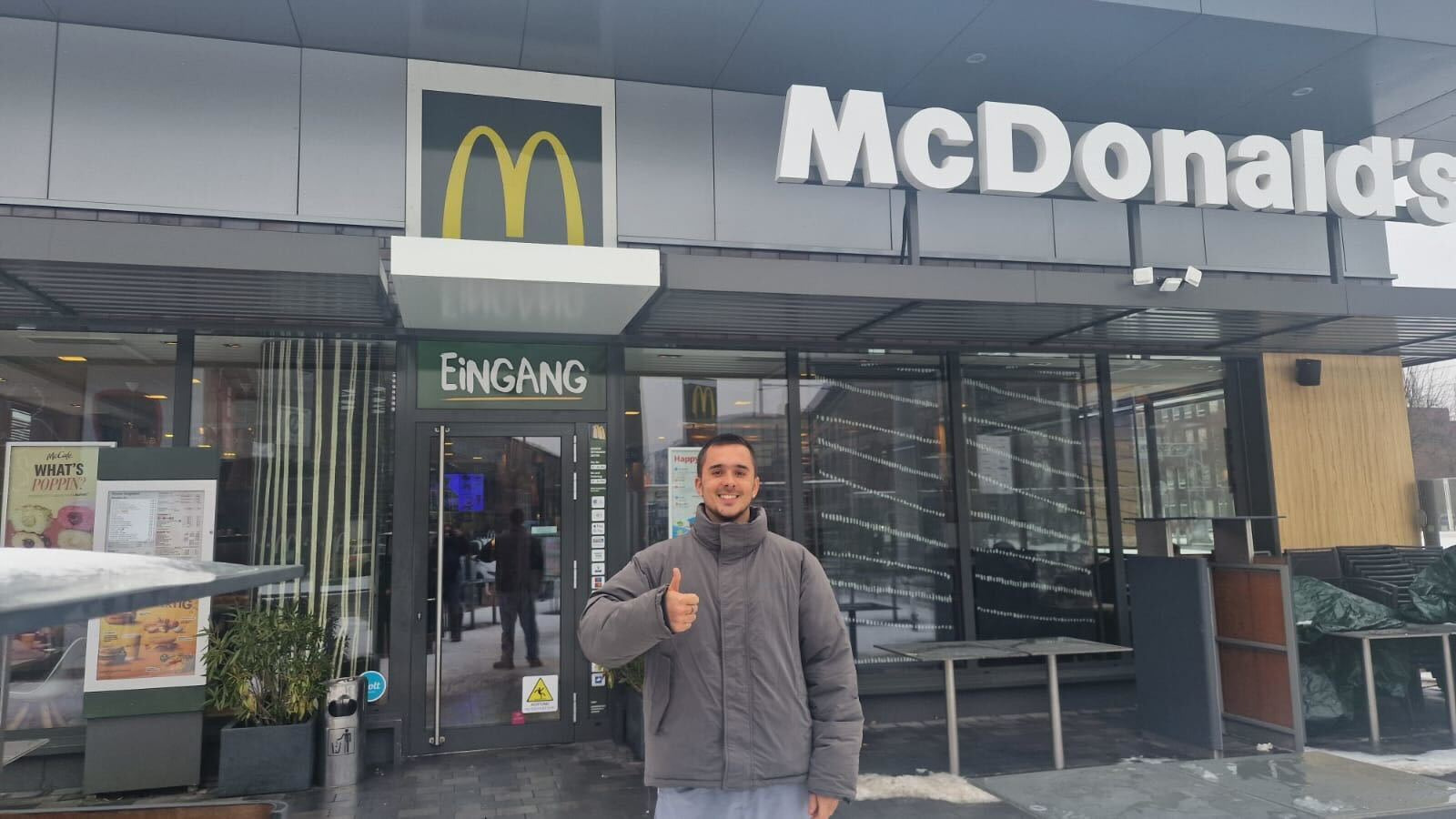
Later in the week, I travelled to Germany: a country whose culture and economy is also shaped in large part by America. After being freed from the shackles of my boycott, I had only one destination in mind: McDonald’s.

