
US special forces carried out a daring rescue mission to bring back an airman stranded 200 miles behind enemy lines after Iran shot down a $31m fighter jet on Friday.
Donald Trump said on Sunday that dozens of military aircraft had raced to rescue the missing weapons-system officer of a two-seat F-15E after the pilot ejected and was rescued under fire.
The president said the injured second airman was stuck “in the treacherous mountains of Iran, being hunted down by our enemies, who were getting closer and closer by the hour”.
In an extraordinary feat, US commandos sent to his rescue slipped into Iran under the cover of darkness, scaled a 2,100 metre ridge and took the specialist back to safety, moving him toward a secret rendezvous point before dawn on Sunday.
The rescue mission encountered fierce resistance from Iran, with the Iranian military claiming to have taken down several American warplanes while the CIA focused on distracting them with a targeted deception campaign.
Trump said no casualties were reported from the mission, which he described as the first time in US military history that two pilots had been rescued, separately, deep in enemy territory.
The announcement came just hours before the president doubled down on his threats to strike Iranian infrastructure as soon as Tuesday in an expletive-laden rant on social media, before negotiators hashed out a new proposal for an immediate ceasefire.
On Monday, Trump and his top defence aides further detailed the risky mission during a news conference at the White House, with the president outlining how the US relied on dozens of aircraft, hundreds of personnel, secret CIA technology and a dose of subterfuge.
He also again repeated his warnings to Iran, threatening to send the country “back to the stone ages” with a barrage of attacks on civilian targets if his final deadline to make a deal on opening the Strait of Hormuz is not met.
Here’s what we know about the rescue missions so far:
How did it happen?
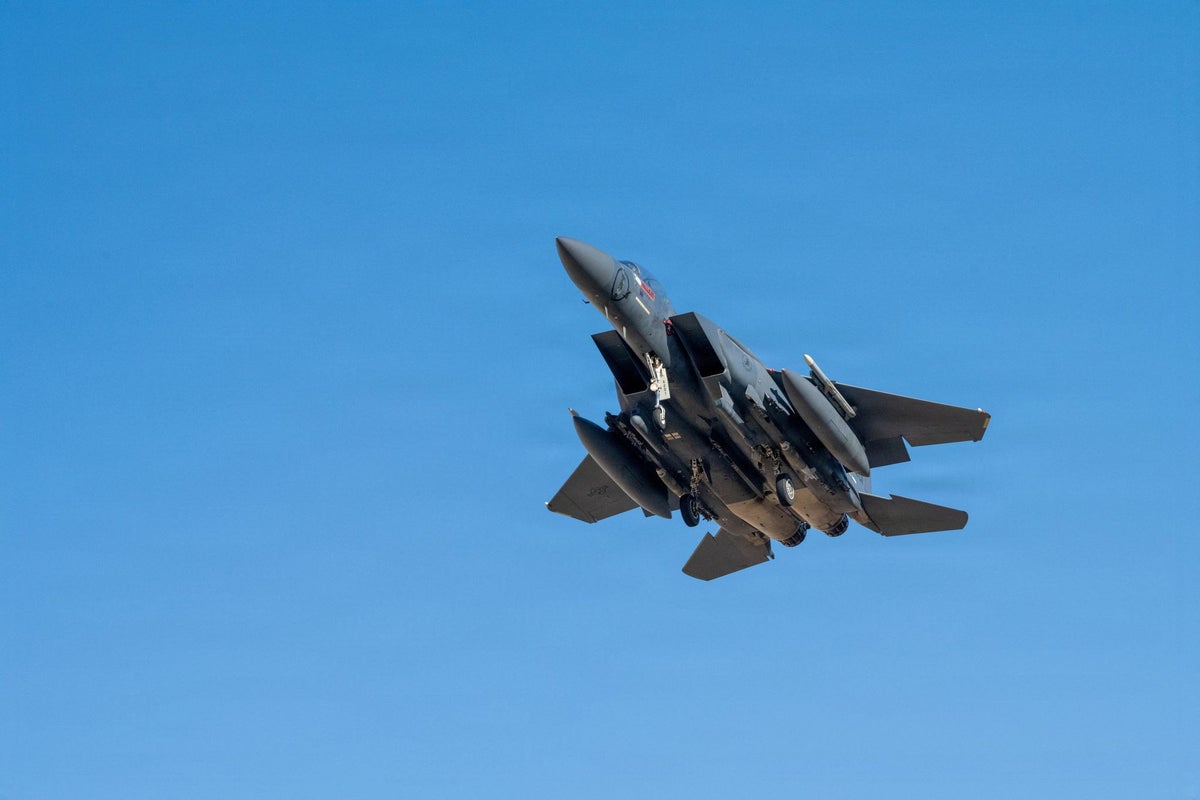
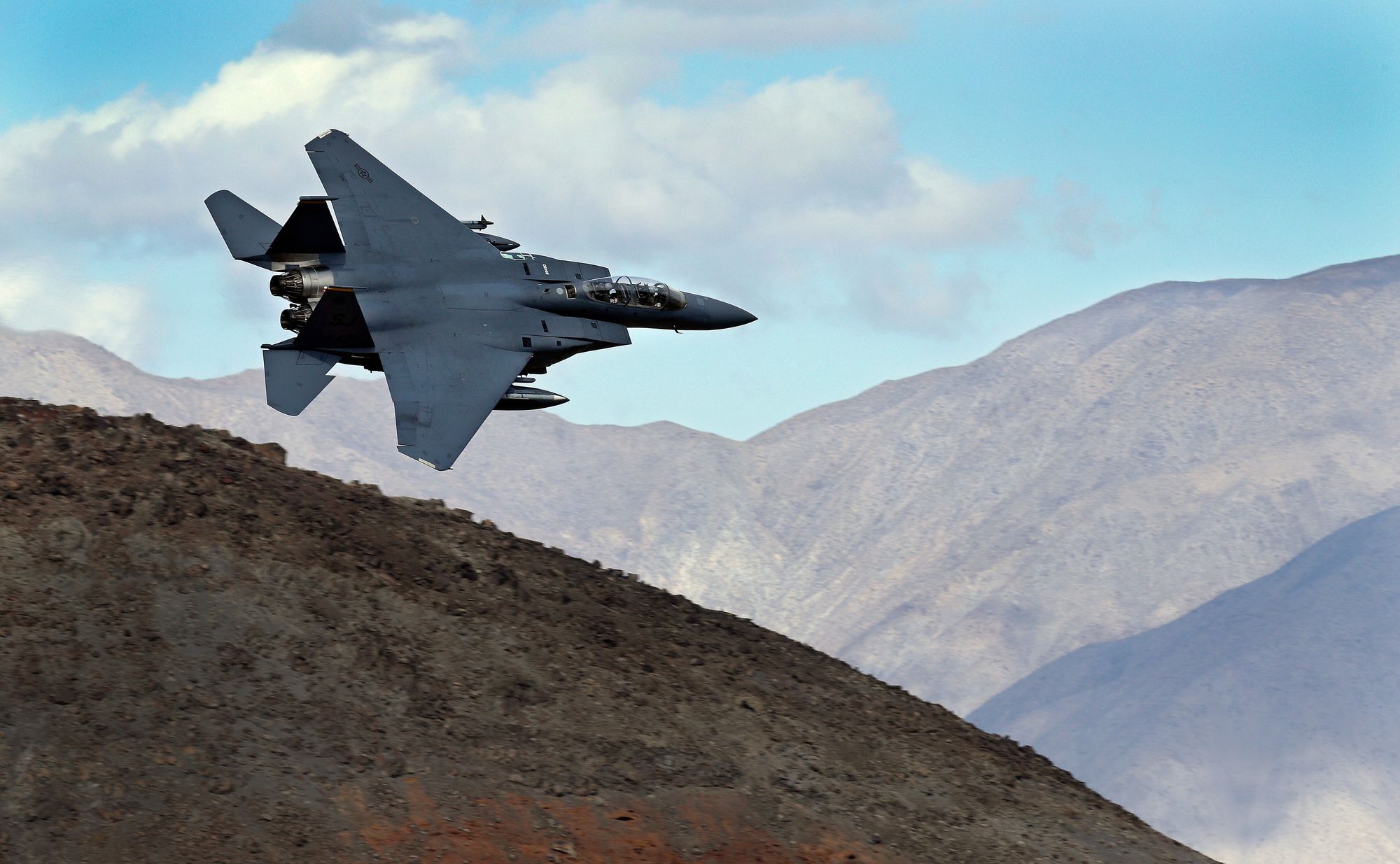
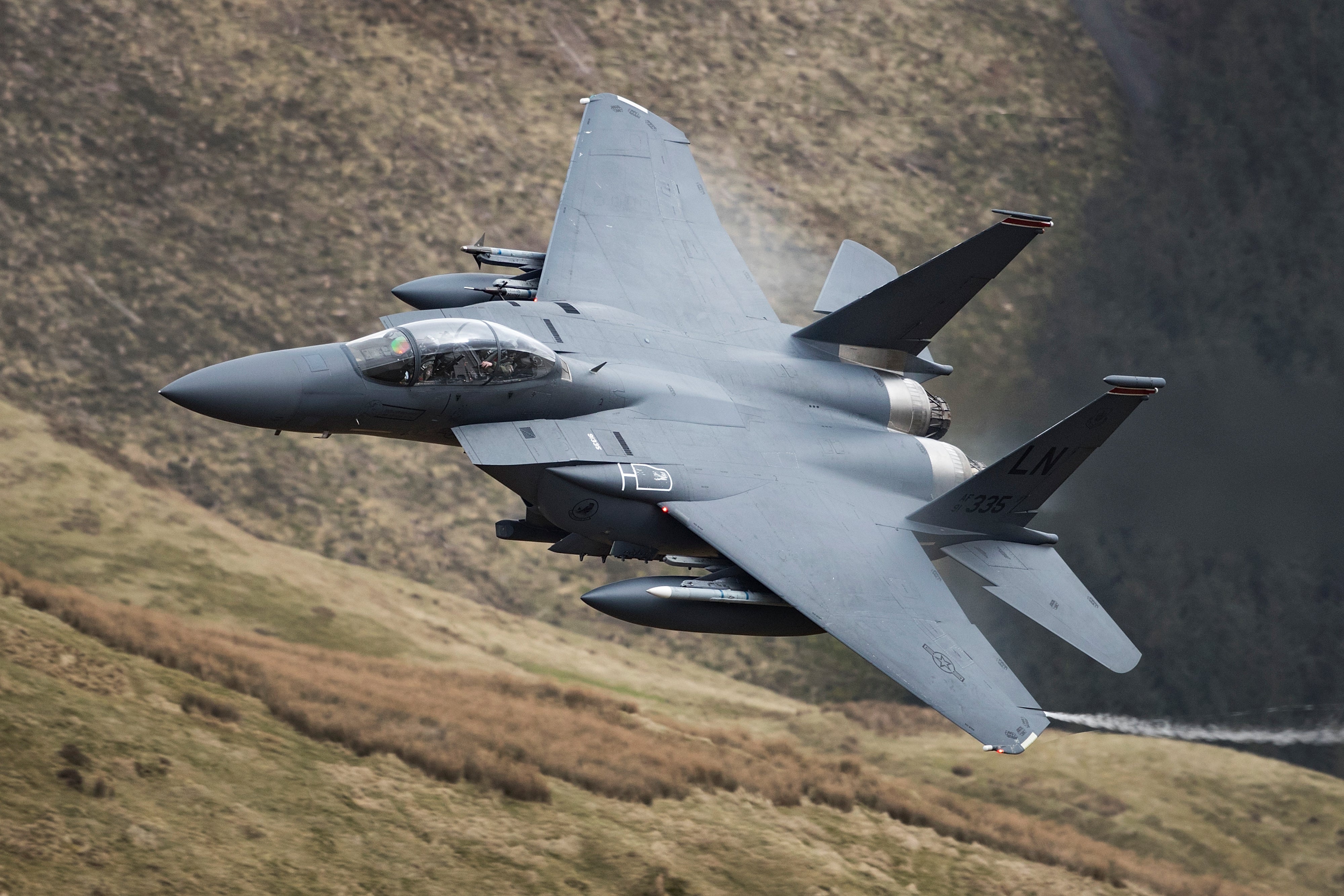
The F-15E Strike Eagle – an all-weather jet designed for air-to-ground and air-to-air missions – was shot down by Iranian defences on Friday morning, according to Iran.
Two crew members were on board the jet, callsign ‘Dude 44’, when it was downed: a pilot and a weapons-system officer in the back, responsible for selecting targets and making sure the weapons are properly calibrated to targets.
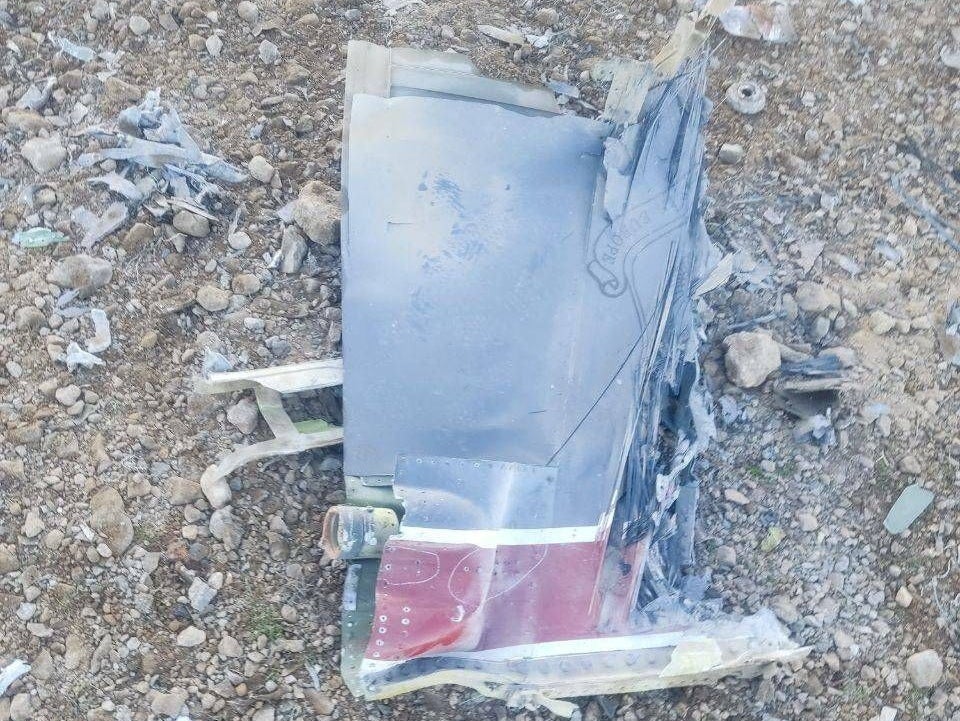
Iran’s Khatam al-Anbiya joint military command said it used a new air-defence system on Friday, which targeted a US fighter jet, three drones and two cruise missiles.
“The enemy should know that we rely on new air-defence systems built by the young, knowledgeable, and proud people of this country, unveiling them one after another in the field,” a spokesperson said.
What did the rescue mission involve?
Dozens of American warplanes were sent towards Iran to carry out the daring rescues of both the pilot and the weapons-system officer.
The pilot safely ejected and was rescued by two military helicopters on Friday. One helicopter was hit by small arms fire, wounding crew on board, but escaped, according to CBS, citing US officials.
“We didn’t play up the first one, because then they would have found out about the second one,” Trump told the Wall Street Journal after the second rescue on Sunday. “So by not talking about the first one, it took them a day and a half to find out there was a second one.”
The lost airman was trapped some 200 miles inside Iran with only a handgun to defend himself, according to US officials. US air crews are trained in Survival, Evasion, Resistance and Escape (SERE) techniques if downed behind enemy lines, but few are fluent in Persian and face a challenge in staying undetected while seeking rescue.
Trump told the WSJ that the colonel, despite having sustained injuries, was able to climb up into a crevice to await extraction as Iran began their own hunt. One US official told Reuters he had sprained his ankle – a lucky escape from bailing on a moving jet.
The airman radioed in “God is good” upon reaching the ridge, a message that was reportedly met with suspicion in Washington, fearing an Iranian trap. Reuters’ source said the airman later established contact with the US military and authenticated himself – a critical step to ensure rescue forces were not walking into a trap.
A senior Trump administration official told NBC that the rescue was made possible by the support of the CIA, alerting the Pentagon and the White House to the airman’s location. Israel, too, offered intelligence support and halted attacks to clear the way.
CIA Director John Ratcliffe said the spy agency used “exquisite technologies that no other intelligence service” possesses to locate the aviator, describing the search and rescue operation as “comparable to hunting for a single grain of sand in the middle of a desert”.
At the same time, the CIA mounted a deception operation to mislead Iranians who also were trying to find him, reportedly spreading false information that the airman had already been found and recovered.
The US military meanwhile jammed electronics and hit key roads nearby to stop people getting close, as Iranian state media reported on a supposed $60,000 bounty for the airman’s capture alive. According to reports, American B-1 bombers would drop nearly 100 2,000lb satellite-guided bombs during the rescue mission.
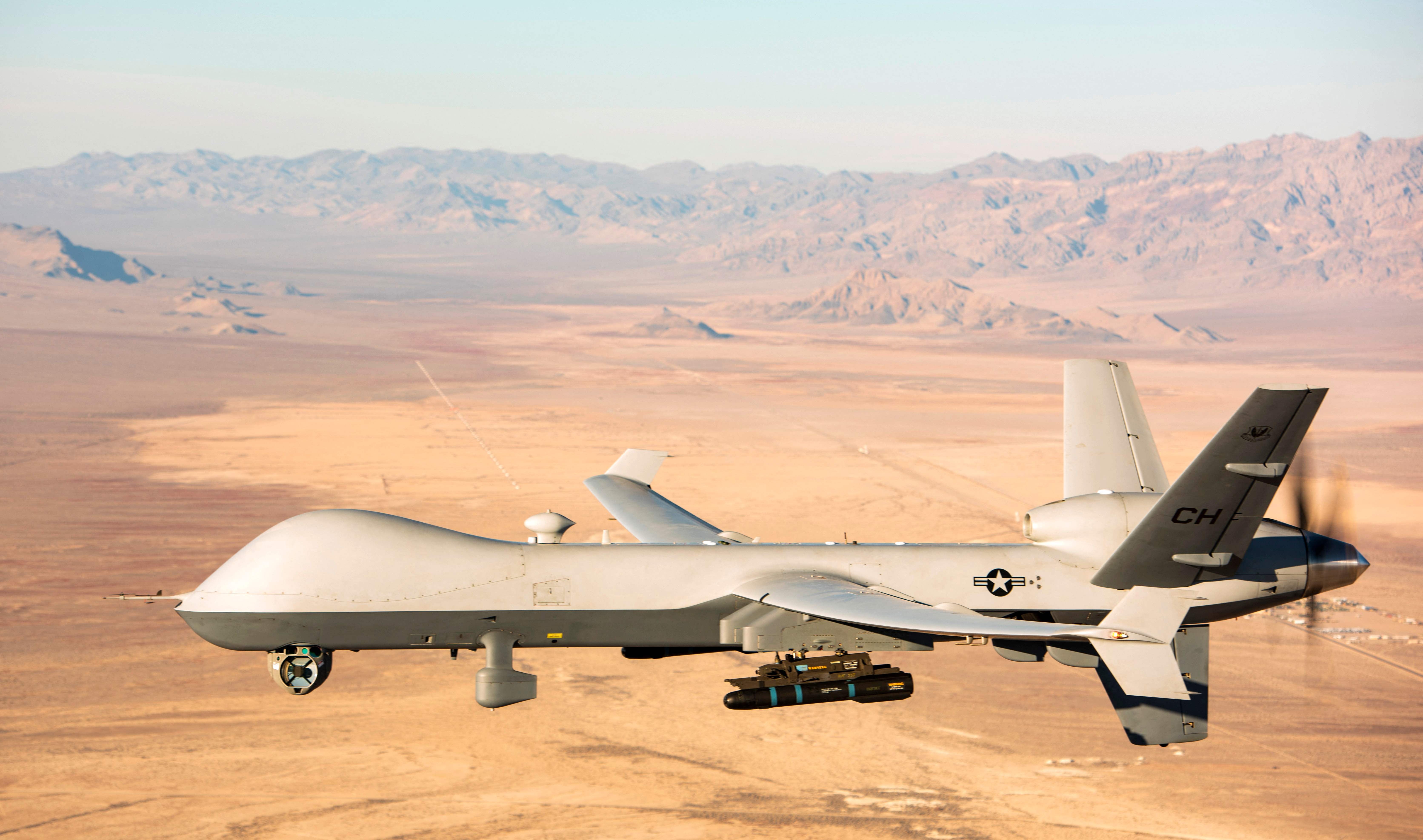
MQ-9 Reaper drones protected the crew member by striking Iranian military-aged males thought to be a threat who were within 3km of the airman, a person familiar with the operation told Air & Space Forces Magazine.
The aircraft eventually sent to extract the airman and rescue forces were much smaller turboprop aircraft, capable of landing on small airfields and relatively light, according to Reuters.
Protected by an “air armada” of drones, strike aircraft and more, rescuers moved in on Sunday to pick up the weapons officer and bring him home.
Many of the dozens of aircraft that were part of the operation were there for deception, Trump said. “We were bringing them all over, and a lot of it was subterfuge,” he said. “We wanted to have them think he was in a different location.”
Back in Washington, national security officials coordinated on a call, keeping the phone line open for nearly two days straight. “From the moment our pilots went down, our mission was unblinking,” Defense secretary Pete Hegseth said. “The call never dropped. The meeting never stopped, the planning never ceased.”
How it nearly came undone
The rescue had unfolded with near‑perfect precision, as US commandos slipped into Iran and moved the stranded airman toward a secret rendezvous point before dawn on Sunday.
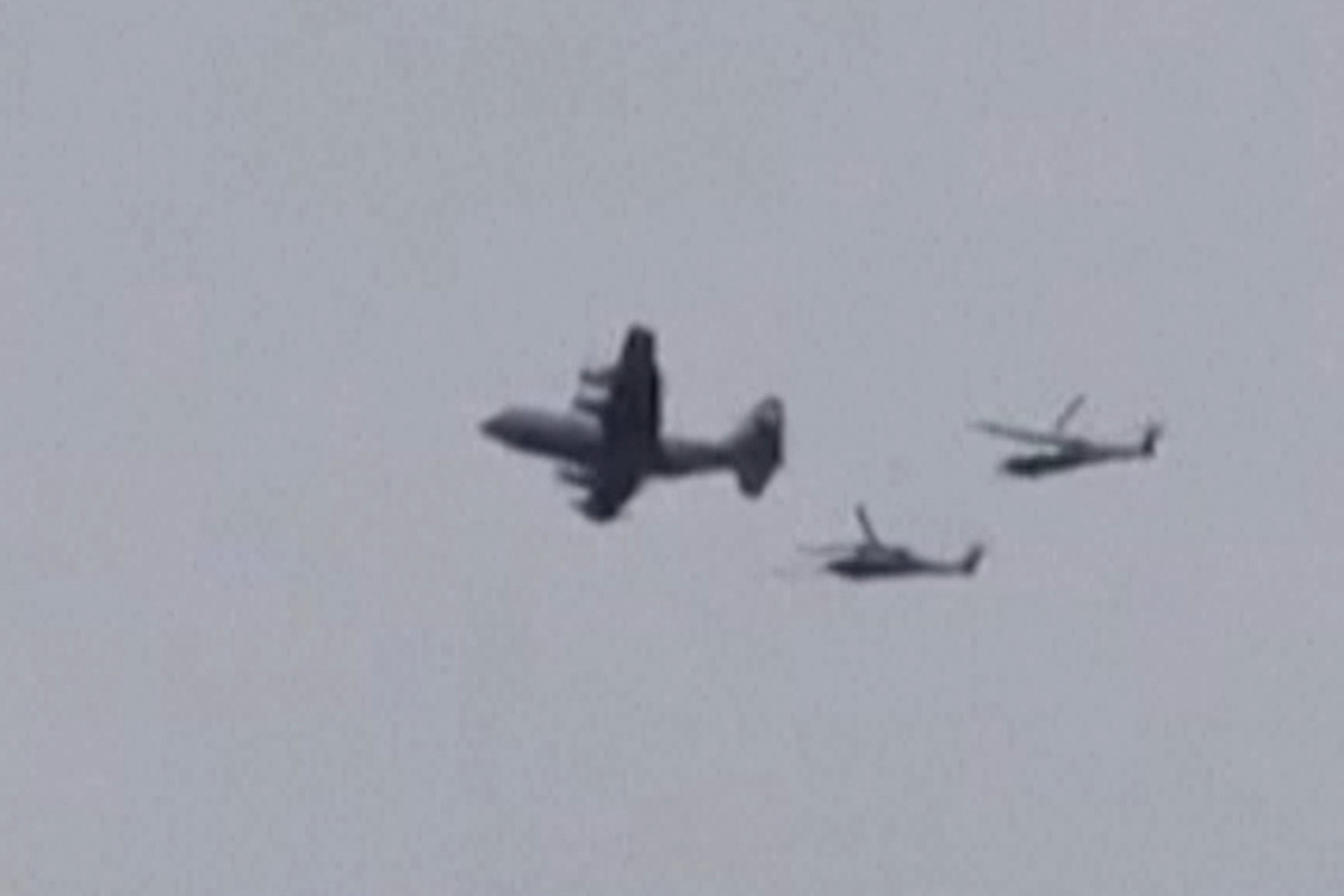
The rescue mission hit a snag as two MC-130 aircraft that had ferried some of the roughly 100 special operations forces into rugged terrain south of Tehran suffered a mechanical failure and could not take off, a US official told Reuters, speaking on condition of anonymity.
Their commanders made a high-risk decision, ordering additional aircraft to fly into Iran to extract the group in waves, a decision that left the elite commandos waiting for a couple of tense hours.
“If there was a ‘holy s***’ moment, that was it,” said the official, who credited quick decision-making with saving the day.
The rescue force was pulled out in stages, and US troops destroyed the disabled MC‑130s and four additional helicopters inside Iran rather than risk leaving sensitive equipment behind.
How did Trump respond?
Trump announced on Sunday morning that the second airman had been recovered and was “safe and sound”.
He wrote on Truth Social that the “highly respected Colonel” had “sustained injuries, but he will be just fine”.
He also said that not a single American was killed or wounded in either operation to rescue the airmen.
Trump added that US forces had been monitoring the officer’s location constantly during the rescue, which he said involved dozens of US aircraft armed with “the most lethal weapons in the world”.
The president said the mission showed the US had air superiority in the conflict with Iran. He said the US would never leave a US “warfighter” behind.
How has Iran reacted?
Iran’s joint military command said that new air defences had shot down the F-15E fighter jet over Iran.
The elite Revolutionary Guard claimed that several aircraft were also destroyed during the rescue mission. They said nomadic tribes living in the country’s mountains shot two Black Hawk helicopters during the initial operation.
An Iranian military spokesperson also said a C-130 military transport plane and two Black Hawk helicopters were among the destroyed craft.
Iranian officials had urged citizens to help find the missing officer, hoping to gain leverage against Washington. Had Tehran captured the airman, it would have put more pressure on Trump to end a conflict already unpopular in the US.
The conflict has killed 13 US service members, with more than 300 wounded, US Central Command says. No US troops have been taken prisoner by Iran.