

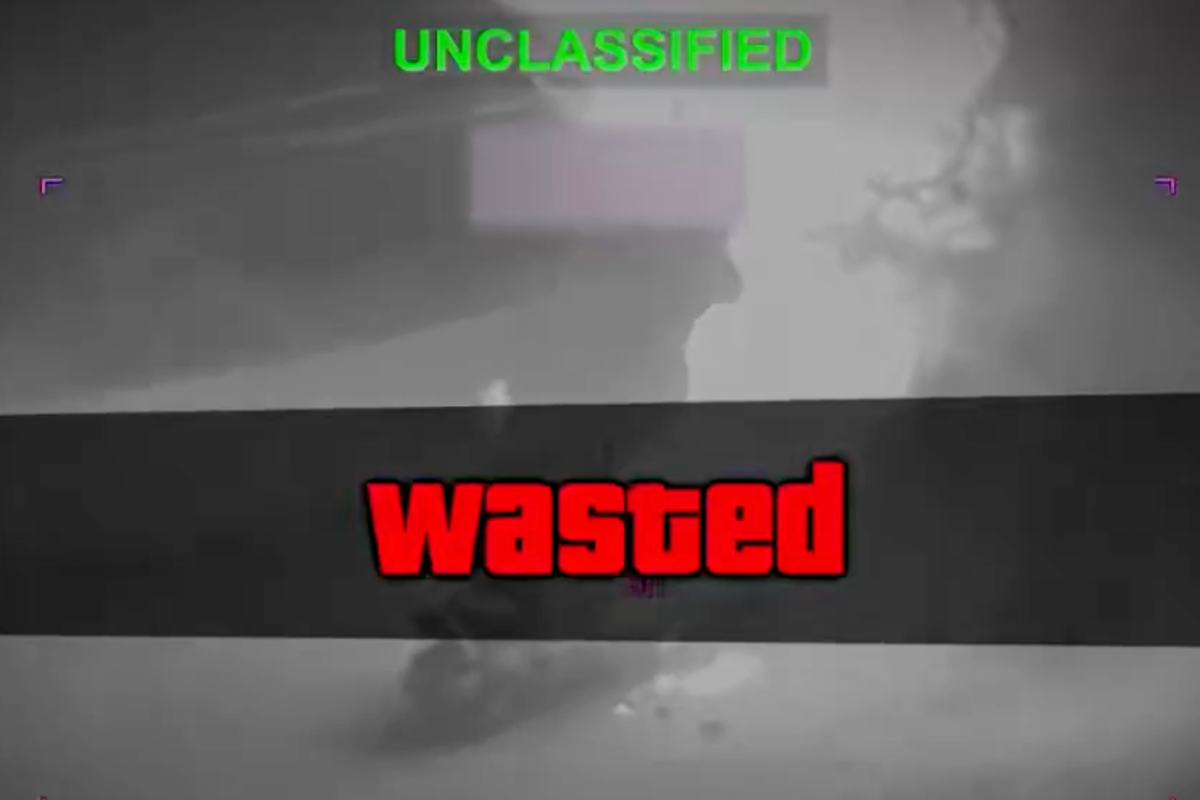
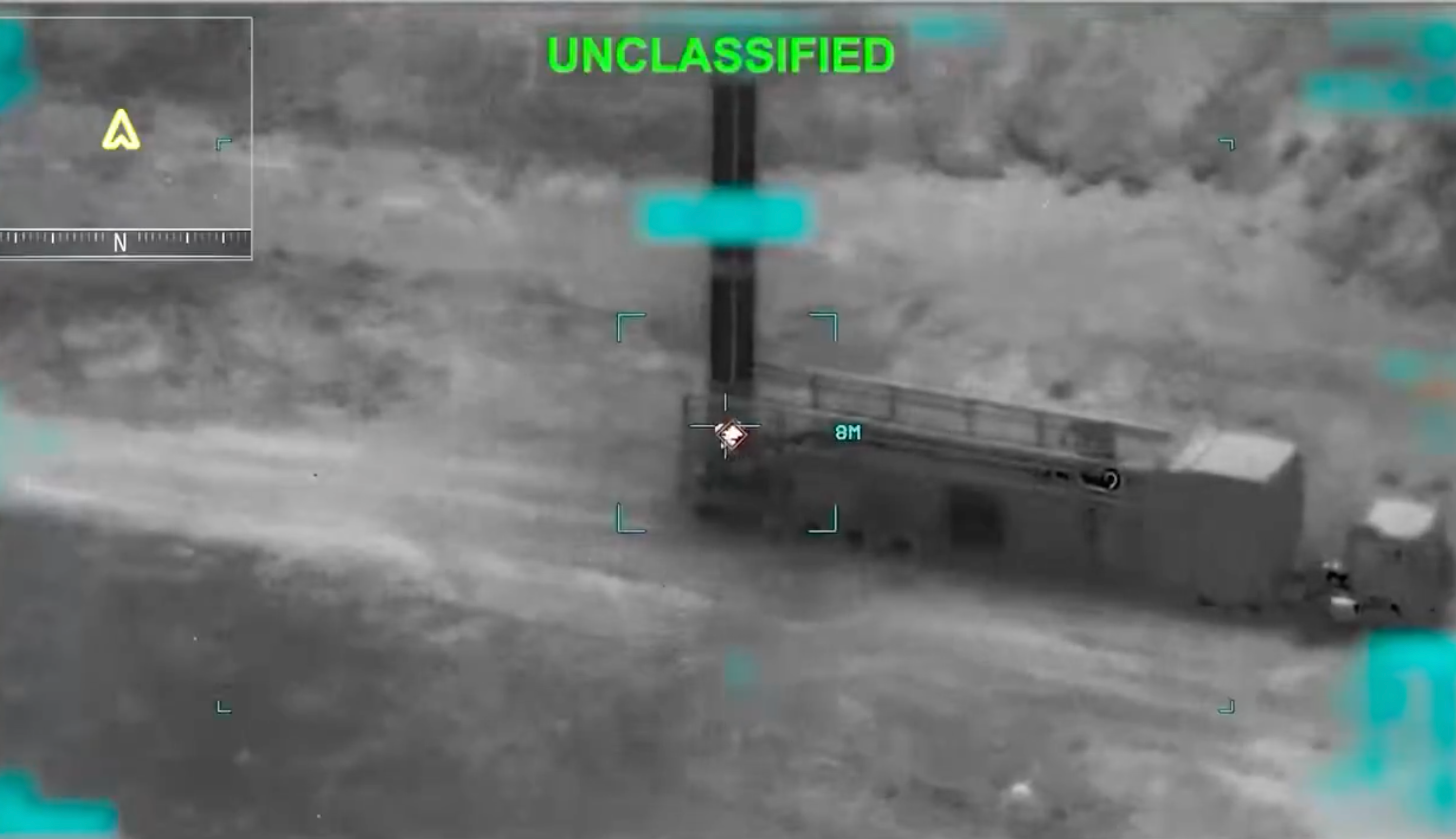
Millions of people recently watched a video posted by the White House showing US strikes against Iranian targets. The clip didn’t just resemble Call of Duty: it mixed real strike footage with footage from the game itself, complete with “killstreak” animations designed to reward performance and simulate achievement.
Governments are increasingly communicating war using the visual language of video games and internet memes. In doing so, they don’t just trivialise violence – they make it harder to grieve the victims of the violence, by anaesthetising our responses to the suffering.
It’s a tactic that shapes how we interpret violence, and which quietly determines whose deaths register as deaths at all.
War as memes and viral content
United States Defence Secretary Pete Hegseth has publicly celebrated the strikes and wider military campaign, dubbed Operation Epic Fury – collapsing the distance between military spokesperson and combat enthusiast.
The White House video is not an isolated case. Across social media, videos with military footage are circulating as gaming clips or memes: drone strikes with cross-hair graphics, explosions set to pulse-pounding music. One Department of Homeland Security video of ICE raids was set to the Pokémon theme song.
But the same features that make the content go viral also flatten the reality behind the footage. Important context often disappears. Who was targeted? Were civilians harmed? Was the strike legal? These questions are rarely addressed in a 20-second clip.
War’s visual language is never innocent. It carries instructions about how to feel. A huge problem arises when governments deliberately adopt the visual language of gaming to present real military operations. What this language doesn’t carry is consequence.
Meme culture compounds this. Irony and humour are structurally anti-grief. They create distance as their primary function. When violence circulates as a joke or a highlight reel, the emotional reality of it becomes difficult to access.
War is still seen, but it is no longer felt in the same way.
From CNN to Call of Duty
The so-called “CNN effect”, associated with television coverage of conflicts from Vietnam to Somalia, was premised on proximity. Footage of suffering brought distant wars into living rooms and generated moral pressure on governments.
While imperfect and selective, the underlying logic was that “seeing” produced “feeling”, and feeling produced accountability. The camera lingered. The correspondent named the dead. Viewers were given time to register what they were witnessing.
That model was already fracturing before social media. The 1991 Gulf War introduced a new aesthetic: precision strikes filmed from above, in which targets were rendered as abstract geometries on green-tinged screens.
The human body disappeared from the frame, replaced by the seductive promise of technological accuracy: the “smart” bomb or the “surgical” strike. American critic Susan Sontag noted how this outcome trained audiences to see military technology rather than military consequences.
The ungrievable
The philosopher Judith Butler has written about “grievability” as the condition that makes some lives recognisable as worth mourning. Not all deaths are grieved equally. Some bodies are rendered, by culture and politics, outside the frame of moral concern.
The visual grammar being used by the White House frames people as game avatars. And game avatars, by definition, are not grievable. They are targets – kills to be celebrated.
On February 28, more than 160 girls, most under 12, were killed by a US air strike at the Shajareh Tayyebeh elementary school in Minab. They did not appear in the White House’s content at all.
When pressed, President Trump suggested Iran may have struck the school itself using a Tomahawk missile and then said: “I just don’t know enough about it. Whatever the report shows, I’m willing to live with that”.
Hegseth, meanwhile, has already dissolved the Pentagon’s civilian protection mission and fired the military’s lawyers responsible for keeping operations within international law, describing them as “roadblocks”.
Democratic scrutiny of war depends not just on information but on moral response: the capacity to feel that what is happening matters.
What can be done?
Memes will continue to circulate. Governments will continue to compete for attention in crowded digital spaces.
But the starting point is recognising what is actually at stake. The problem is not simply that viral clips lack context (although they do). It is that the visual grammar they deploy actively forecloses the emotional responses that serious public debate requires.
Wes J. Bryant, a former US special operations targeting specialist (who worked on civilian harm prevention) puts it plainly:
We’re departing from the rules and norms that we’ve tried to establish as a global community since at least World War II. There’s zero accountability.
Audiences, too, can learn to pause. Not just to ask what happened, but what the format in front of them is preventing them from feeling, and about whom. That question, taken seriously, is the beginning of accountability.
War is not experienced as a highlight reel. It is experienced as loss, uncertainty, grief and irreversible destruction. Restoring that understanding is not a media literacy problem. It is a moral one.
.jpeg?trim=18,0,67,0&width=1200&height=800&crop=1200:800 "New sculpture of Trump with his ‘Golden Dome’ is up at National Mall and was created by Ben & Jerry’s co-founder – UK Times")