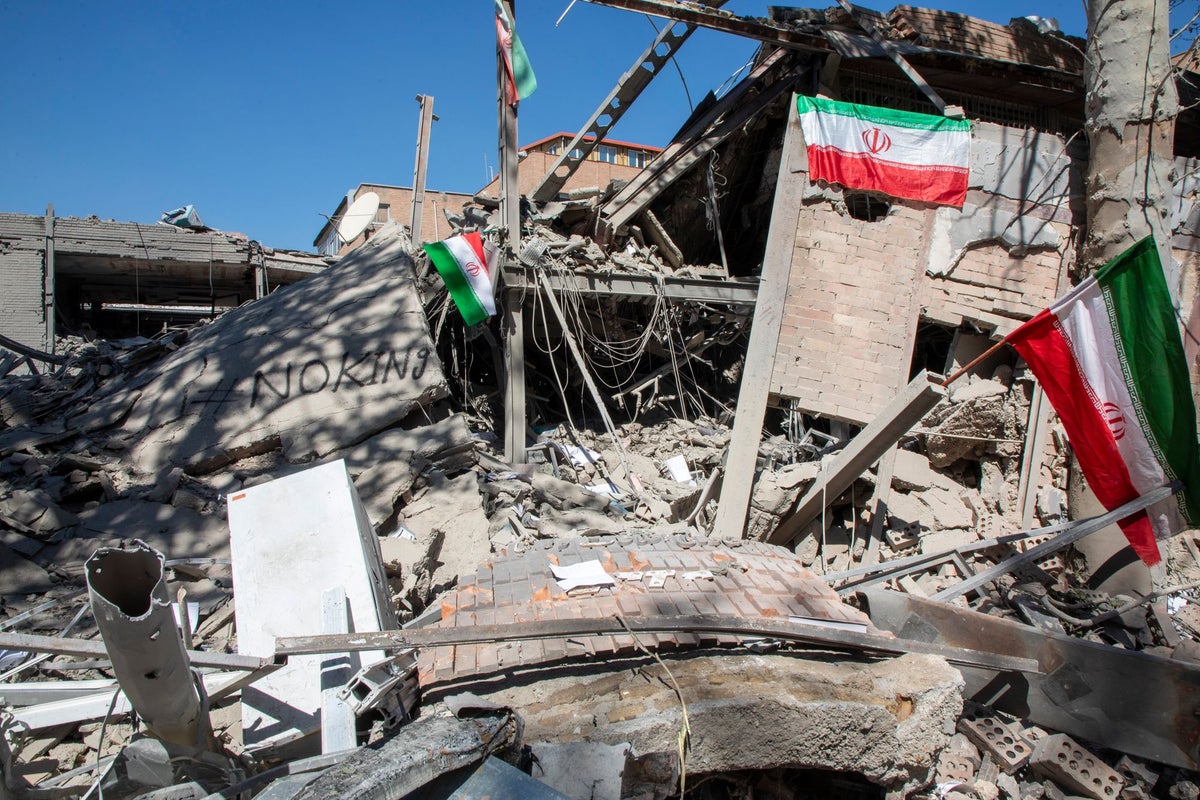
Iran has enough missile capability to continue fighting should Donald Trump choose to resume the war, US and Nato intelligence has assessed – and experts say it has several more cards up its sleeve.
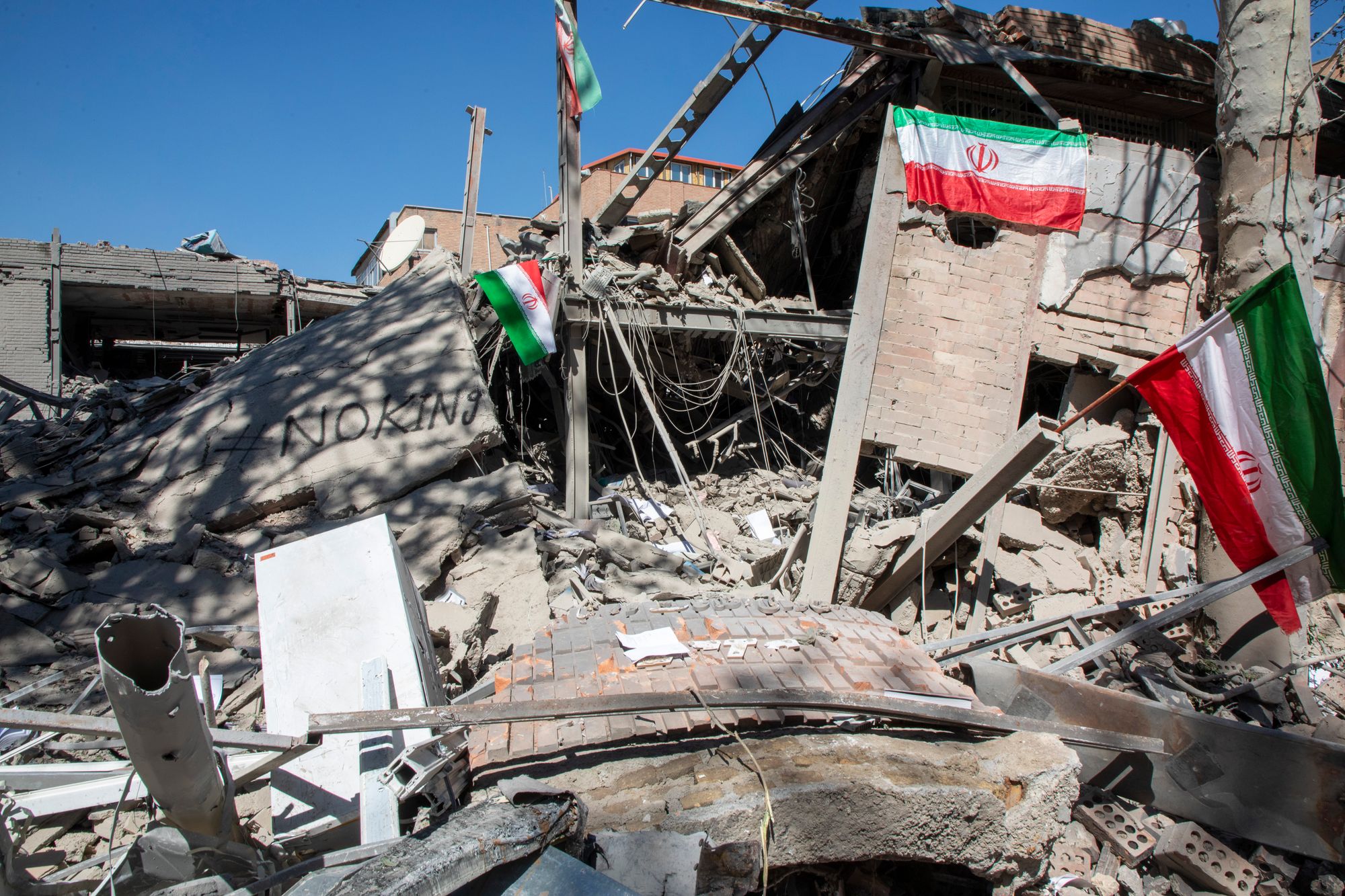
The US president has repeatedly claimed that American forces have comprehensively destroyed Iran’s military, including its missile capabilities and navy, during six weeks of conflict before a ceasefire was agreed.
Intelligence agencies have warned that Iran still has access to most of its missiles and underground facilities, sources told The Independent, casting doubt over President Trump’s dubious claims that Iran has been “decimated” by the war.
Experts say Iran retains numerous options for escalation.
“Tehran’s strength lies in its asymmetric capabilities: ballistic missiles, cruise missiles, drones, naval mines, cyber operations, and proxy groups,” said Frank A Rose, the former assistant secretary of state for arms control under the Obama administration.
Negotiations between Washington and Tehran are flagging.
With no guarantee of a long-term peace deal, and as concerns grow that a full-scale war could resume, The Independent takes a look at the state of Iran’s military and how it could wage an asymmetric war with the US.
Missiles and drones
Nato intelligence believes that Iranians has maintained at least 60 per cent of their missile capability, The Independent was told.
US intelligence believes 90 per cent of Iran’s storage and launch facilities buried underground are now “partially or fully operational”, with access to 30 out of its 33 missile sites stationed along the Strait of Hormuz, according to the New York Times.
Mr Rose said that Iran “likely retains significant inventories of ballistic and cruise missiles”.
Tehran, as a result, retains enough of its military capabilities to “create serious disruption in the region”, he added.
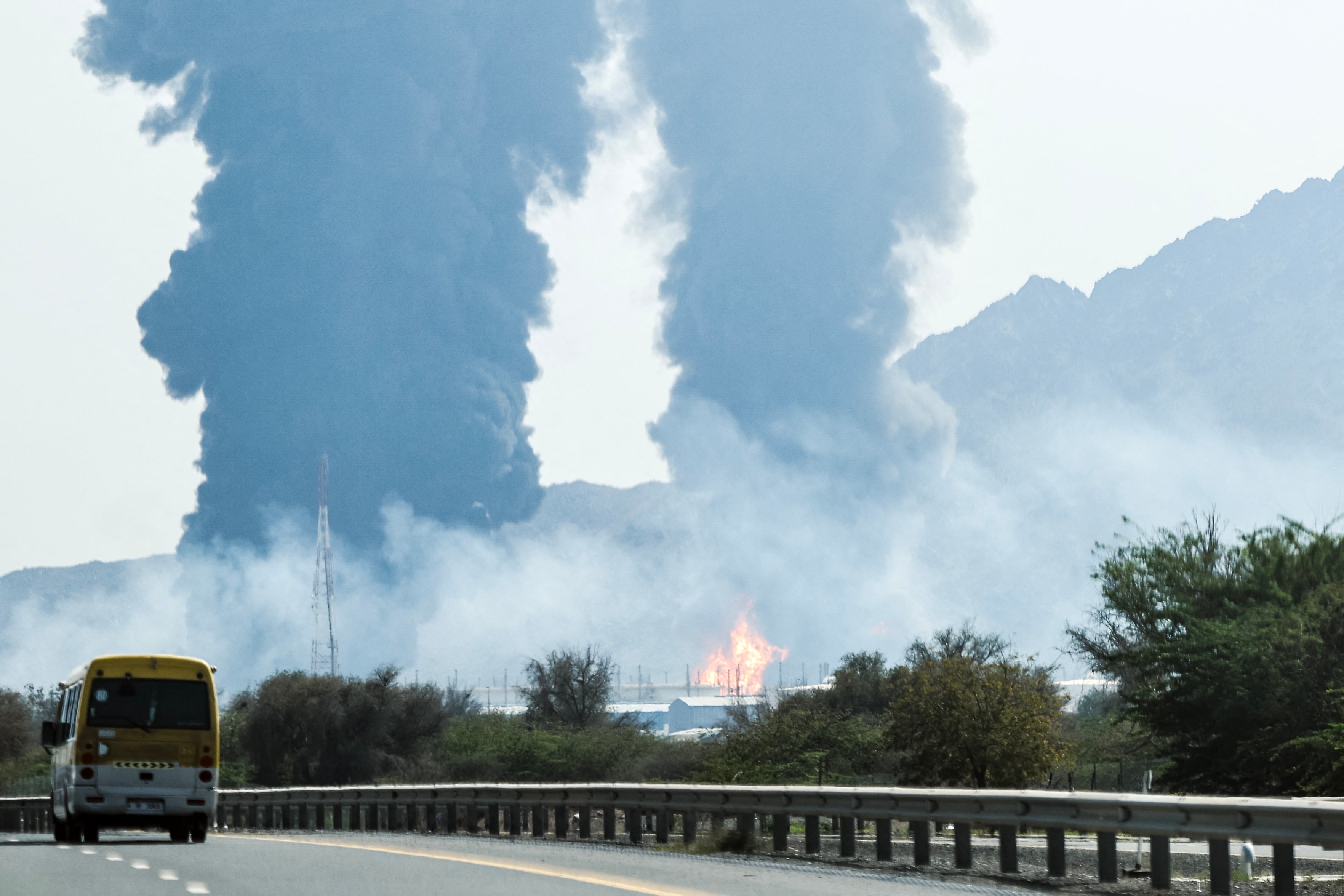
Two weeks before a ceasefire came into place, geopolitical analyst Dmitri Alperovitch said it was “probably safe to assume that [Iran] can continue it at least for weeks, maybe longer, at this rate of fire”.
The country also retains the capacity to produce large numbers of its low-cost, one-way kamikaze drones, which were critical in its retaliatory strikes on neighbouring countries around the Middle East.
But while Iran can create instability, it has lost its ability to achieve “strategic surprise or coercive dominance”, Mr Rose said, adding that missile defences in the Gulf have proven “increasingly effective at blunting large-scale missile and drone attacks”.
Strait of Hormuz: The mosquito fleet
Iran has continued leveraging its control over the Strait of Hormuz, a critical element of its asymmetrical strategy in which it has waged economic warfare to make up for what it lacks in military firepower.
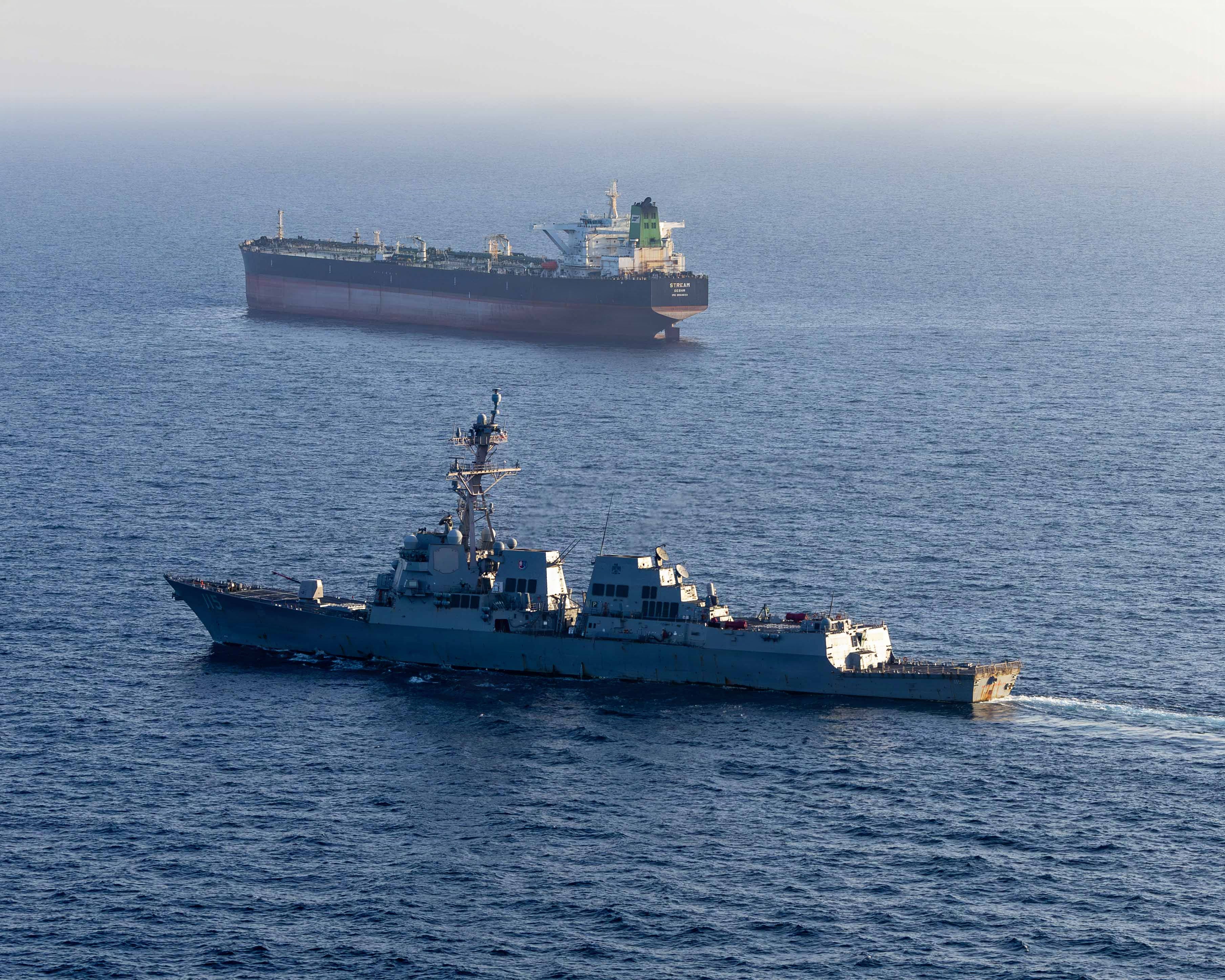
The critical waterway, through which around one fifth of the world’s oil flows, remains under Iranian blockade, with the US abandoning efforts to guide commercial ships through the Strait.
Trump claimed Iran’s navy is “lying at the bottom of the sea, completely obliterated”, but that “what we have not hit are their small number of, what they call, ‘fast attack ships,’ because we did not consider them much of a threat”.
The swarm of Iranian speedboats, known as Iran’s ‘mosquito fleet’ is now a serious concern for vessels seeking transit through the waterway, especially as these vessels are difficult to track and often carry weapons onboard. It has allowed Tehran to maintain its blockade despite damage to some of its larger naval ships.
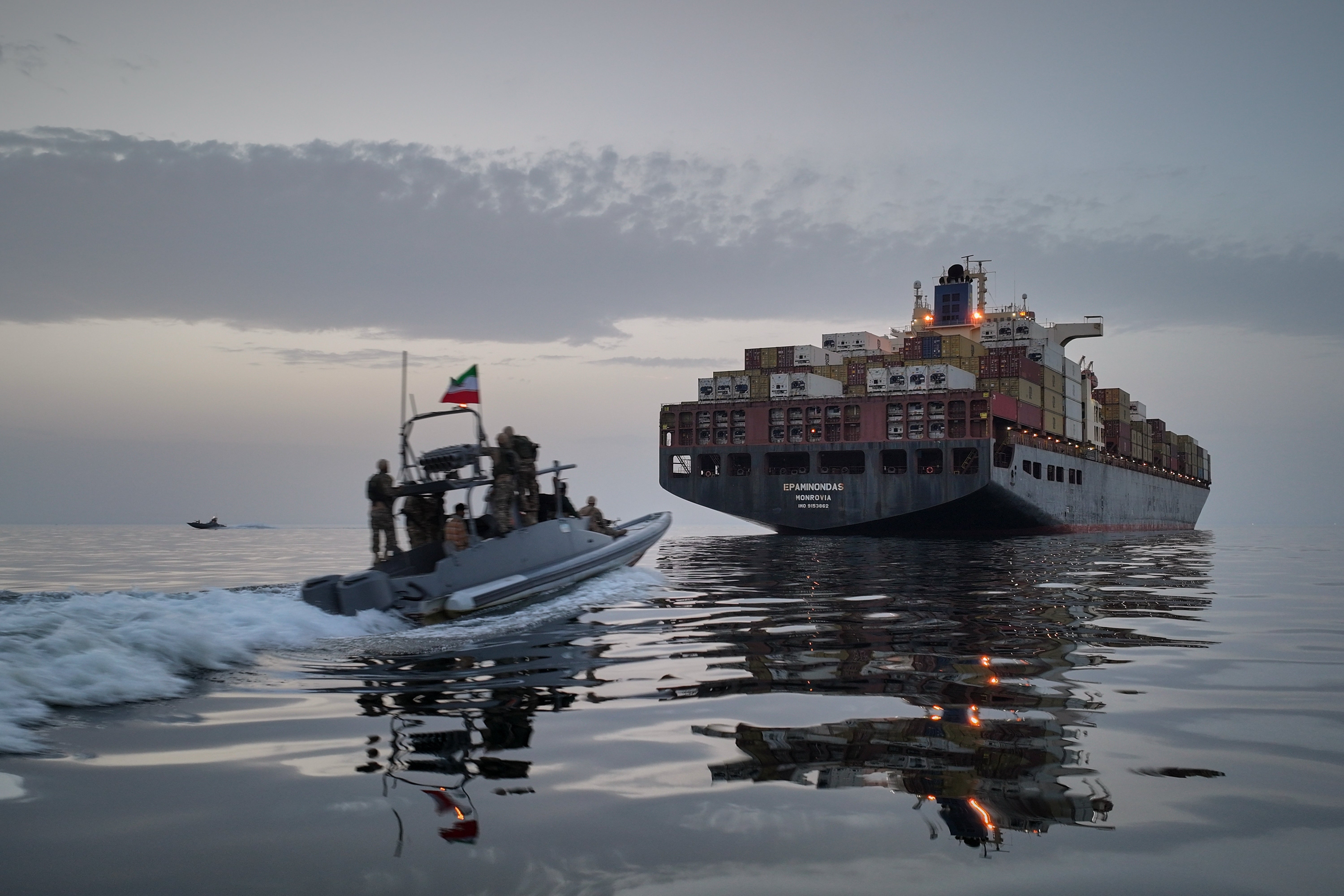
“Even a degraded Iran can threaten maritime traffic and energy infrastructure in the Gulf,” Mr Rose said. “The key danger is disruption, not outright military victory.
“Iran will continue leaning into asymmetric warfare because that is where it believes it can offset overwhelming US conventional superiority.”
Undersea cables in Hormuz
On Friday, Iranian military-linked media called on Tehran to impose fees on use of the undersea cables running through the Strait of Hormuz.
Doing so would secure Iran’s control over the waterway and could generate billions of dollars, while giving Tehran fresh leverage over the West, Tasnim news agency said.
The cables carry around 99 per cent of the world’s internet traffic, according to the ITU, the United Nations specialized agency for digital technologies. They also carry telecommunications and electricity between countries, and are essential for cloud services and online communications.
“Damaged cables mean the internet slowing down or outages, e-commerce disruptions, delayed financial transactions… and economic fallout from all of these disruptions,” said geopolitical and energy analyst Masha Kotkin.
Gulf countries such as the UAE and Saudi Arabia, have been investing billions of dollars in artificial intelligence and digital infrastructure to diversify their economies away from oil.
Both nations have established national AI companies serving customers across the region – all reliant on undersea cables to move data at lightning speed.
Iran’s proxy groups
Elsewhere in the region, the successful rearmament of Lebanese militant group Hezbollah appears to have caught the Israeli military by surprise, after it launched attacks in response to the US-Israeli strikes on Iran in February.
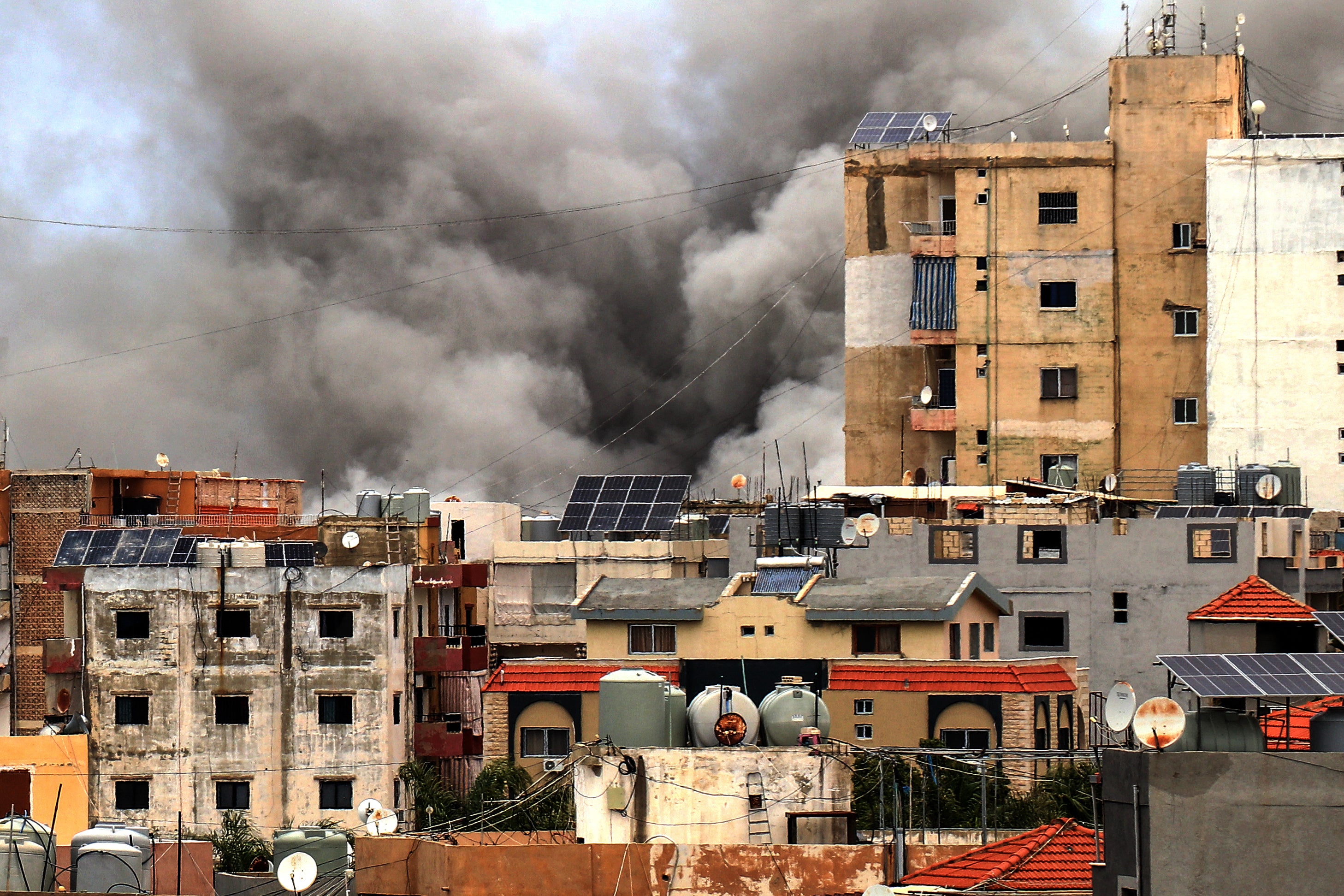
Despite a truce agreed in mid-April, both sides have accused each other of ceasefire breaches and Israel has continued to launch damaging strikes on Beirut and across southern Lebanon.
Just how much damage the latest war has done to Hezbollah’s military capability is unclear, but villages in the country’s south and buildings in the capital of Beirut have been razed to the ground by Israeli strikes.
The Houthi Yemeni rebel group, meanwhile, have remained relatively quiet. But it has been suggested that they could be deployed to wreak havoc on the Bab el-Mandeb strait, another critical strategic waterway through which oil flows.
The Bab el-Mandeb Strait is a vital shipping corridor connecting the Red Sea to the Gulf of Aden and the Indian Ocean, through which flows a large portion of global trade, including energy supplies.
According to the US Energy Information Administration, in 2025 just over 4 million barrels of oil passed through the strait each day – around 6 per cent of the global total – although it was a far busier channel before the Houthis’ escalating threat to shipping in recent years.
Cyber attacks
It is not just military and telecommunications under threat. Security agencies have been warning about the danger of cyber attacks by Iran-affiliated proxies, especially around water and energy facilities.
“Cyberattacks on drinking water and wastewater systems directly threaten public health and community resilience,” Jeffrey Hall, an administrator at the Environmental Protection Agency (EPA), said in a statement.
“A single breach can disrupt treatment or introduce contaminants, damage equipment, and erode public trust.”
The FBI, National Security Agency, US Cyber Command, US Department of Energy, and the Cybersecurity and Infrastructure Security Agency, all supported the advisory.
Iran has previously been accused of carrying out cyber attacks, including a power outage in Turkey in 2015 and several possible breaches of Israeli government websites in 2022.
Iran, meanwhile, says the US and Israel have carried out several cyber attacks against it.