


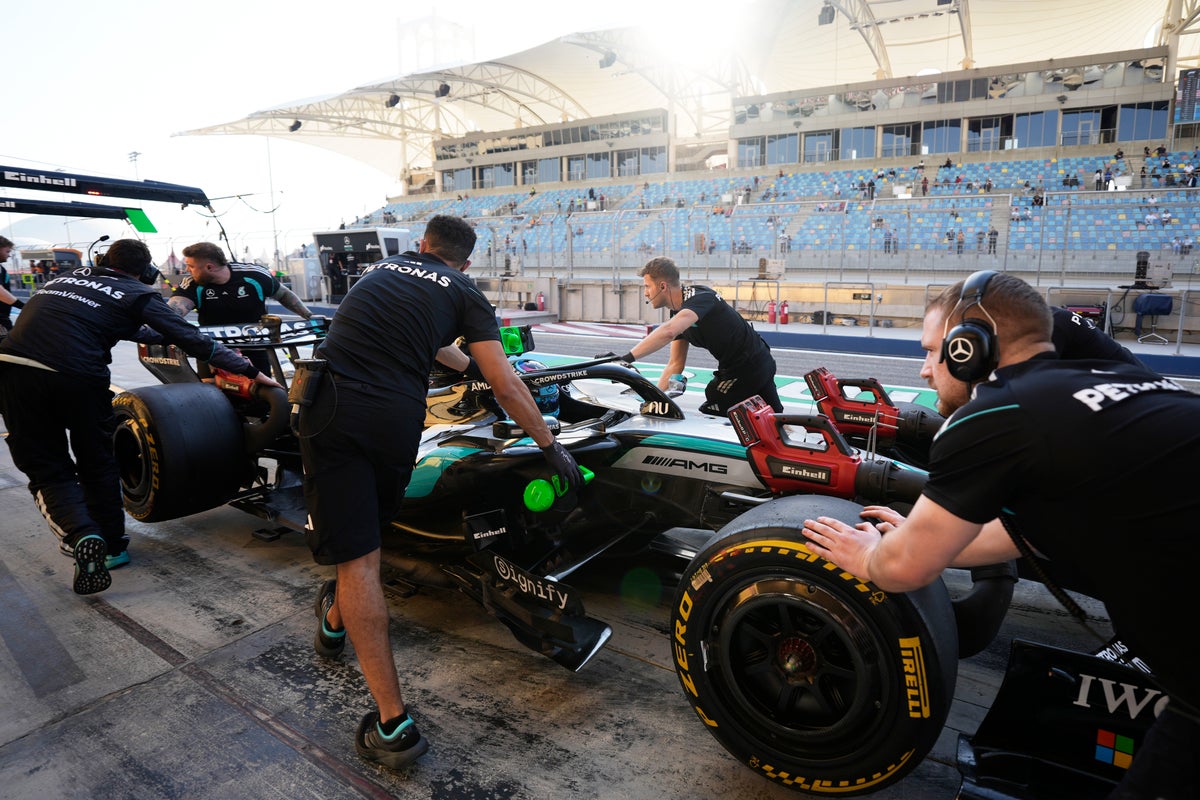
The return of Formula One is now just days away with the controversy surrounding testing and a new era in the sport smoothed over somewhat just in time.
F1’s governing body, the FIA, and the sport’s manufacturers struck a deal over the engine controversy that threatened to overshadow the first race of the season in Australia.
Melbourne will host the first race of the season with the new era bringing huge challenges to teams through engine and chassis regulations.
And the talk of the grid has been surrounding engine compression ratios, while Mercedes have been discussed as a favourite this year thanks to speculation that they are exploiting a loophole to gain a performance edge through the thermal expansion of components and talk of possible protests after the Melbourne race.
The Silver Arrows insist any change will make no difference to them, with team principal Toto Wolff delivering an aggressive response to criticism over his team’s development.
The governing FIA said in a statement on Saturday that amendments to the 2026 F1 regulations had been approved unanimously by an e-vote of its World Motor Sport Council.
“A significant effort has been invested in finding a solution to the topic of the compression ratio,” it said.
“The FIA has worked to find a compromise solution which determines that the compression ratio will be controlled in both hot and cold conditions from 1 June 2026 and subsequently only in the operating conditions…from 2027 onwards.”
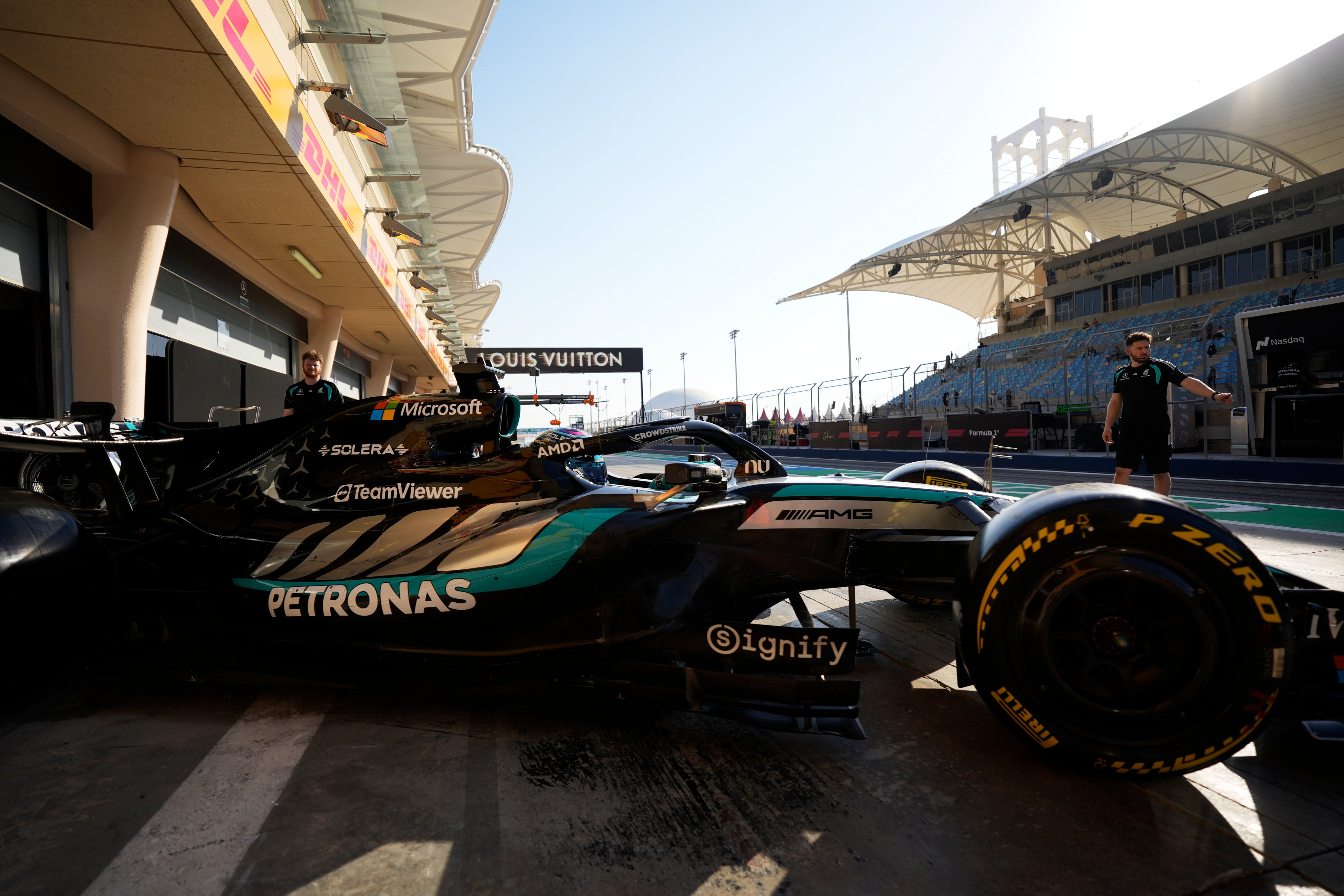
The governing body had initially proposed voting on compliance “not only at ambient conditions but also at a representative operating temperature of 130 degrees Celsius” from 1 August.
An August date would have covered more than half the 24-race season before any change was implemented.
Mercedes supply their V6 engines to four of the 11 teams – champions McLaren as well as their own works team, Williams and Renault-owned Alpine.
The remaining manufacturers are Red Bull, who are now making their own engines and supply sister team Racing Bulls, Audi, Honda (Aston Martin) and Ferrari – who also supply Haas and newcomers Cadillac.

The compression ratio of the engines is limited in the regulations to 16:1, measured in cold conditions.
While all engines comply with that measurement, Mercedes are suspected of having gained a significant advantage by finding a way to expand the ratio when the engine is running hot.
“The regulations introduced for 2026 represent one of the biggest changes in recent memory,” the FIA said.
“All parties acknowledge that with the introduction of such significant regulatory changes, there are collective learnings to be taken from pre-season testing and the initial rounds of the 2026 championship.
“Further evaluation and technical checks on energy management matters are ongoing.”
The FIA said additional amendments to the sporting and financial regulations were also approved.
Reuters
.png?trim=0,0,0,0&width=1200&height=800&crop=1200:800 "Merlin summer sale gets you unlimited access to 20+ UK attractions for a year – UK Times")