



Women exercising in their teenage years could help reduce the risk of developing breast cancer, according to a new study.
The analysis, published in the Breast Cancer Research journal, found that teenage girls who had engaged in at least two hours of physical activity in the last week, compared with those who had done none, had a lower percentage of water content in their breast tissue, which is a key predictor of breast cancer risk.
The study’s author Rebecca Kehm, assistant professor at Columbia University, said: “The importance and urgency of this research are underscored by the rising incidence of breast cancer in young women and the alarmingly low levels of recreational physical activity observed both in this study and among adolescents across the United States and globally.
“Our findings suggest that recreational physical activity is associated with breast tissue composition and stress biomarker changes in adolescent girls, independent of body fat, which could have important implications for breast cancer risk.”
These findings align with previous research in adult women that found higher levels of physical activity are associated with lower breast density and that the most active women were 20 per cent less at risk of breast cancer, compared to the least active women.
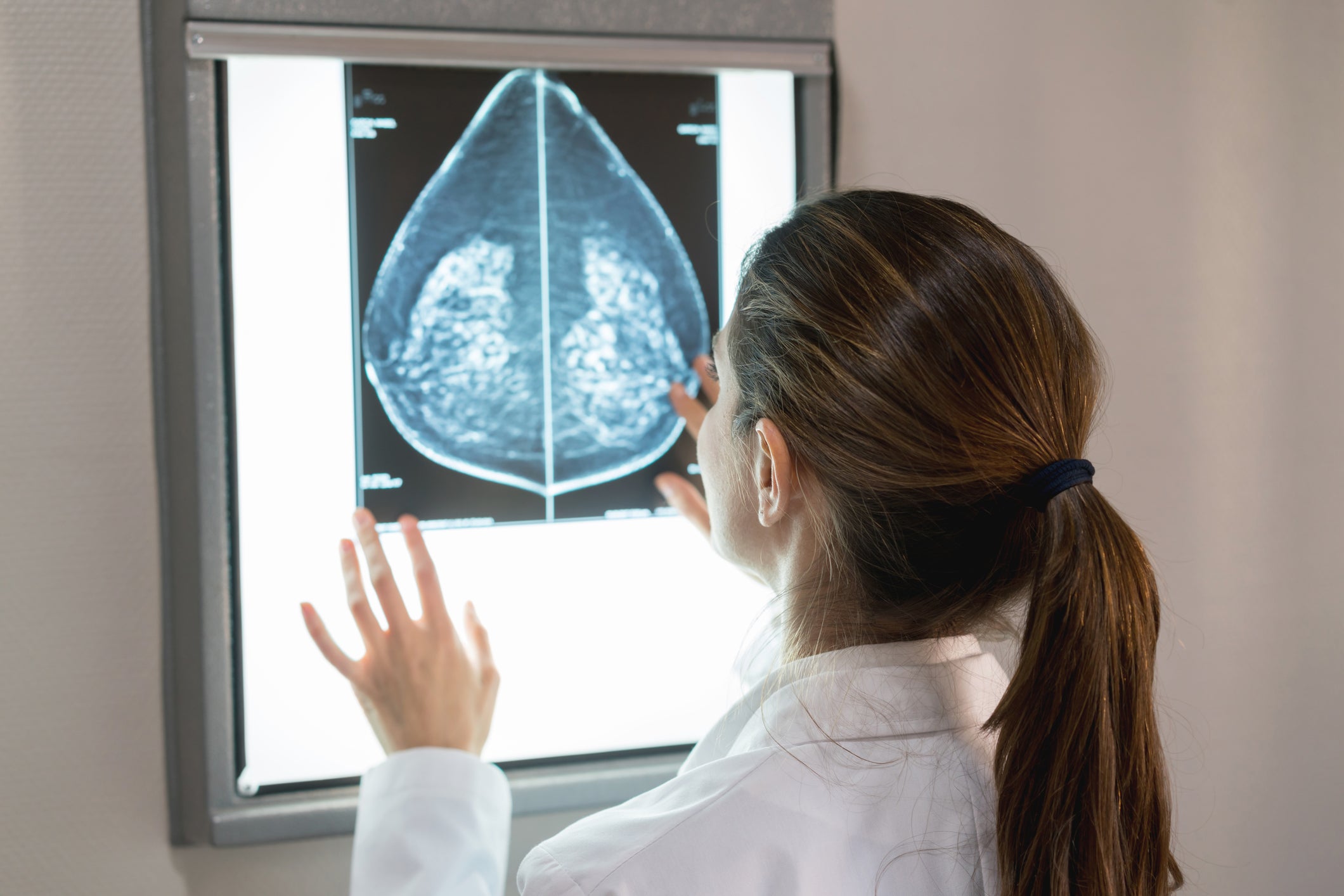
The teenage participants in this new study self-reported their participation in any physical activities and completed clinic visits that took blood and urine samples, as well as assessed the breast tissue.
More than half (51 per cent) of those participants reported no physical activity in the past week.
The average age of participants were 16 and the majority of the group (64 per cent) were Hispanic. The study prioritised representation of Hispanic and Black communities who are “historically unrepresented in studies” but “face higher risks of developing breast cancer at younger ages”, added Ms Kehm.
She explained: “Black and Hispanic girls consistently report lower levels of recreational physical activity than their non-Hispanic white peers.”
UCL professor Jayant Vaidya told The Independent: “It is well known that physical activity reduces the risk of breast cancer and independently, mammographic breast density also affects breast cancer risk. By breast density we mean how opaque the breast tissues are to x-rays. Also, the cancer-predisposing changes are likely to occur when breast tissues are maturing during adolescence and this could be the best time to take preventive action.
“These findings are interesting and should stimulate further research into early markers of risk and promote structured excercise early in life – which of course has many other benefits.”

Girls in the UK are over three times more likely than boys to not like participating in physical education (PE) classes, and are twice as likely than boys to not do an hour of physical activity every day, according to the Youth Sport Trust 2025 report.
Breast cancer is the most common cancer in women in the UK and one in seven women are expected to get it in their lifetime, according to charity Breast Cancer Now. More than 55,000 women and 400 men get breast cancer each year, which is equivalent to a woman being diagnosed every nine minutes, the charity reported.
The authors noted that additional research needs to be conducted to determine how these factors in adolescence can impact breast cancer risk later in life, but they say the findings highlight the importance of promoting physical activity early in development.