



“We left Sudan because of the war,” said Fatma, a farmer and a mother among one million people who fled over the border into Chad after civil war broke out in 2023.
“Anyone who stands in the way is simply eliminated,” she explained. “Sudan is the place where we were born and raised. Now, they’ve forced us out.”
After three years of bitter conflict, the war in Sudan shows little sign of abating. As many as 400,000 people have been killed and 11 million have been displaced. The civilian population continues to bear the brunt of the conflict, with fighters on both sides targeting civilians.
The women and girls who have stayed have experienced “widespread and systemic” violence, including rape, abductions and killings, according to the UN.
But those who leave their lives behind find little sanctuary across the border. Many today live in crowded makeshift camps with little access to food, water or healthcare.
More than three in four displaced people in Chad report experiencing serious harm, including physical attacks, theft and sexual violence.
But for International Women’s Day on 8 March, a British aid organisation told The Independent how women like Fatma are now playing a central role in developing solutions to give real security to displaced people around the world.
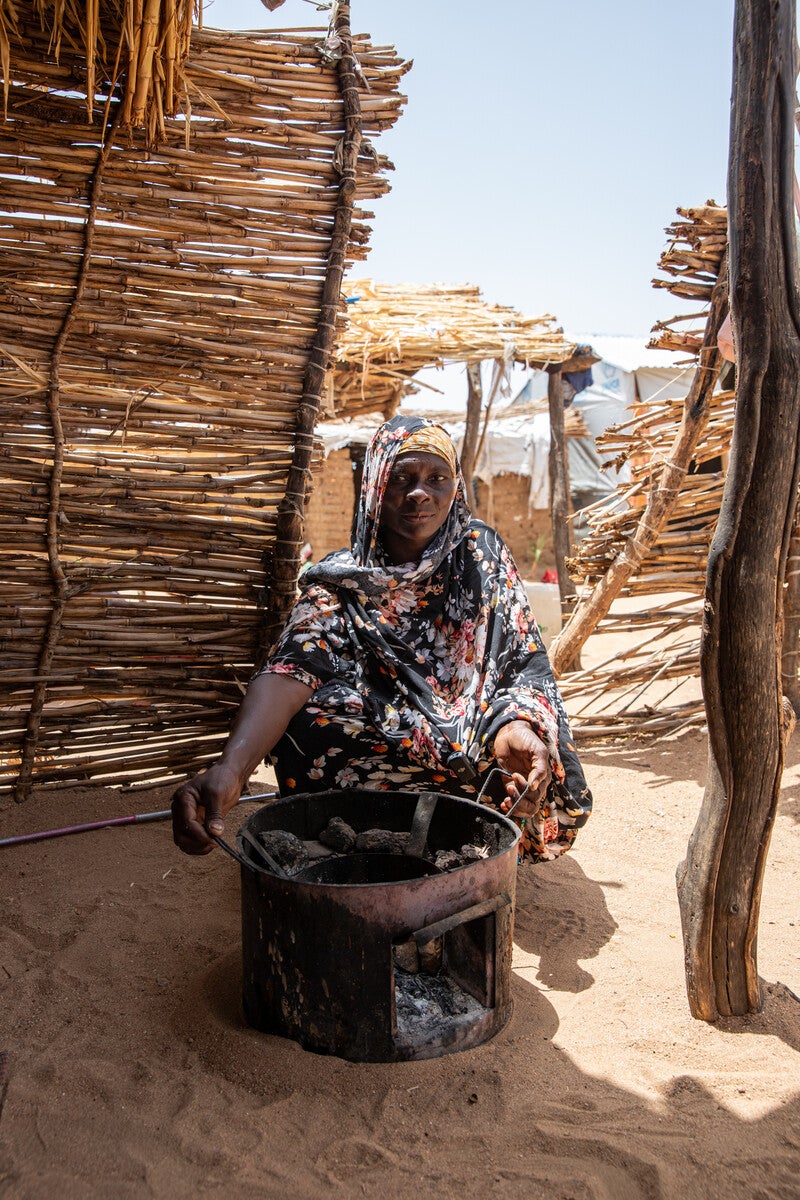
In Chad, which closed its border with Sudan late in February, displaced women and girls are exposed to the risk of sexual violence when they leave their makeshift shelters in search of firewood, for something as basic as cooking.
Fatma said she struggled to go out in search of wood “because I’m unwell and my eyes hurt, so I can’t lift the bundles on my head”. As supplies dry up, she has to travel further and further for wood, exposing her to a further risk of violence.
“When people are displaced and flee to a country like Chad, where they’re looking for safety and security, they’re not always finding it,” explained Sarah Robinson, programme manager for Sudan at ShelterBox, a disaster relief charity which provides shelter and other aid items to families around the world.
“Particularly for women and girls, one of the tasks involves going to collect firewood, which is an essential part of managing a home and surviving. And when they’re having to leave the camp settings and go into the bush to search for firewood, they open themselves up to additional sexual assault and gender-based violence.”
.jpg)
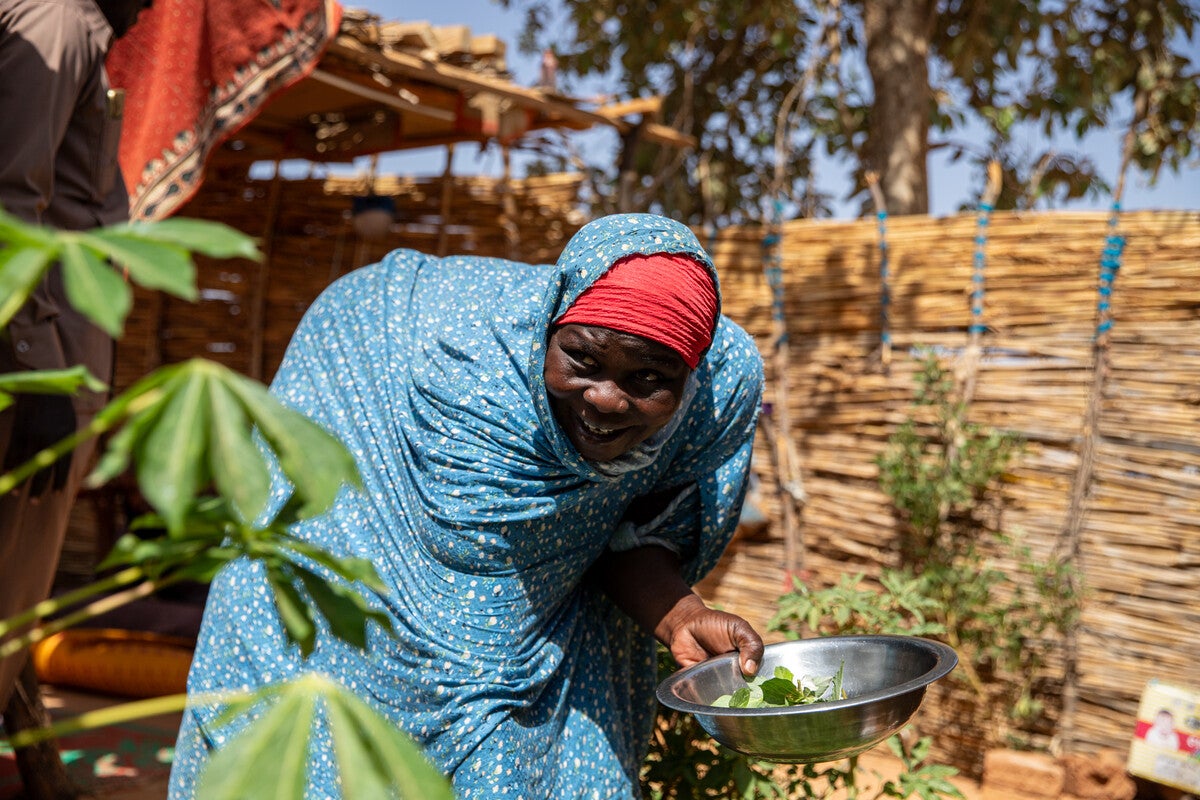
To ease the burden, she said they consulted with a women’s cooperative in N’Djamena, the capital of Chad, that designed and now makes more efficient stoves, which burn 70 per cent less wood and mean women spend less time out in the bush. Displaced women agreed they made a difference to their lives, she said.
“The fact that we’re working with a women’s cooperative in N’Djamena is also really exciting, to see how the women are taking initiative, they’re solving their own problems,” Ms Robinson added.
“They know it better than we know as international workers; they see what’s possible and what’s not possible. It’s great to be supporting them to be able to grow their business in a sustainable way.”
.jpg)
There are an estimated 117 million displaced people around the world, many enduring similar hardships where temporary accommodation has left them with little stability and security in their lives.
In Somalia, around four million people have been displaced by decades of conflict and natural disasters. The men often stay close to home to try to make a living while women and children flee, making up around 80 per cent of refugees.
Mel Hughes, ShelterBox programme manager for Somalia, explained how displaced women in the country are more exposed to instability, where land ownership is communicated through spoken tradition between men.
“If there isn’t a husband around, or if they’re displaced into a whole new area where there’s nobody to vouch for them – no guarantors, no male guarantors – they really struggle to break into that and have security that that land is indeed theirs,” she said.


Working with a local group, the Juba Foundation, she said they have been able to “make sure that there is a documentation in place. It would be thumb-printed and witnessed”. Proof of ownership then allows them to invest in the future of a site, “because you know people are going to stay”.
With those foundations in place, the team has worked with women to design homes resistant to external threats.
Ambiya, who is 60 and lives with her four grandchildren at a camp for displaced people in Baidoa, said a shelter reinforced with internal plywood cladding “changed our lives”, allowing her to safely leave her home and go to work without fear of people breaking in through weak walls.
“The shelter we received has given us security. I can leave to look for work and return home peacefully, knowing our belongings are safe,” she said.
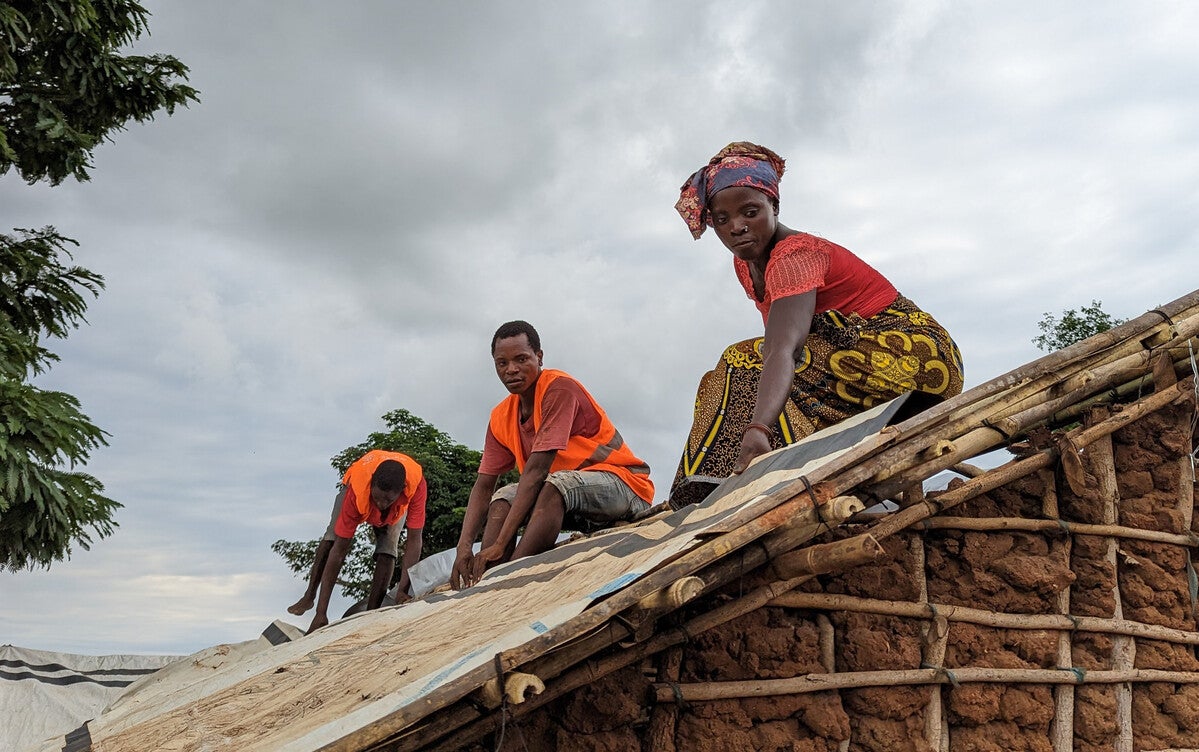
“Our old shelter was only cloth and torn plastic sheets, unsafe and weak. Whenever we left for work, we feared theft and animals destroying our few belongings. Today, we live with far less worry.”
In Ethiopia, too, women are at increased risk of violence and sexual assault as they flee conflict, climate change and instability. More than half of the 21 million people in need of humanitarian aid are estimated to be women and girls.
In Amhara, 88,000 displaced people live in overcrowded camps or out in the open, ShelterBox says. With a lack of privacy, poor lighting, and little security, women and girls face increased risks of sexual violence and forced marriage.
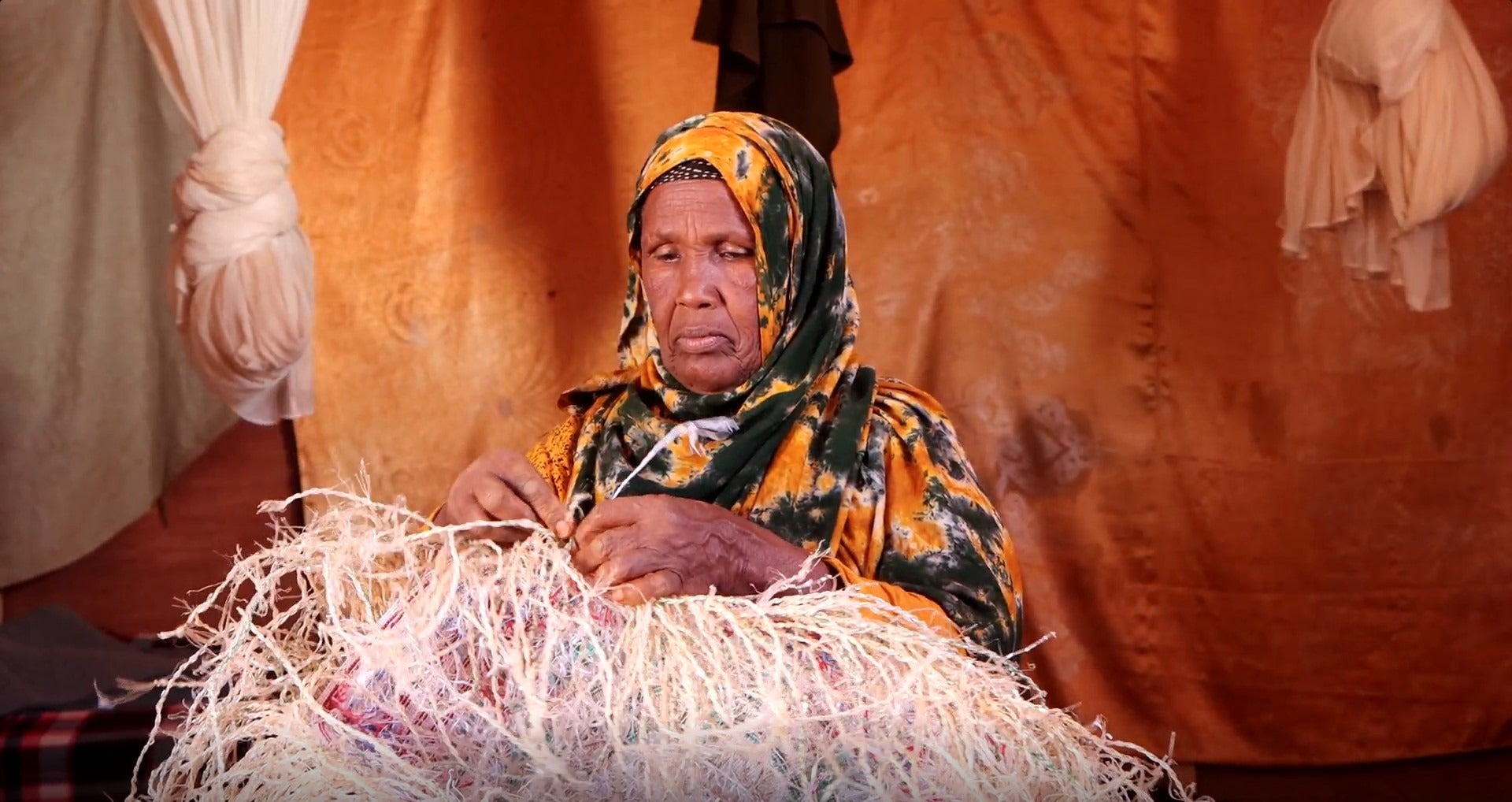
Abigael Apollo, programme manager for Ethiopia, said a dignity kit featuring reusable sanitary pads and a whistle, developed with the affected women, helps women and girls to live normal lives in uncertain times.
“One of the girls with support told us that she no longer misses school because she’s able to, when during her menstrual cycle, she’s still able to go to school,” she explained.
“And the women also [are] able to continue with their daily routines because they have this dignity case, especially in displacement settings where they don’t receive enough health care.”
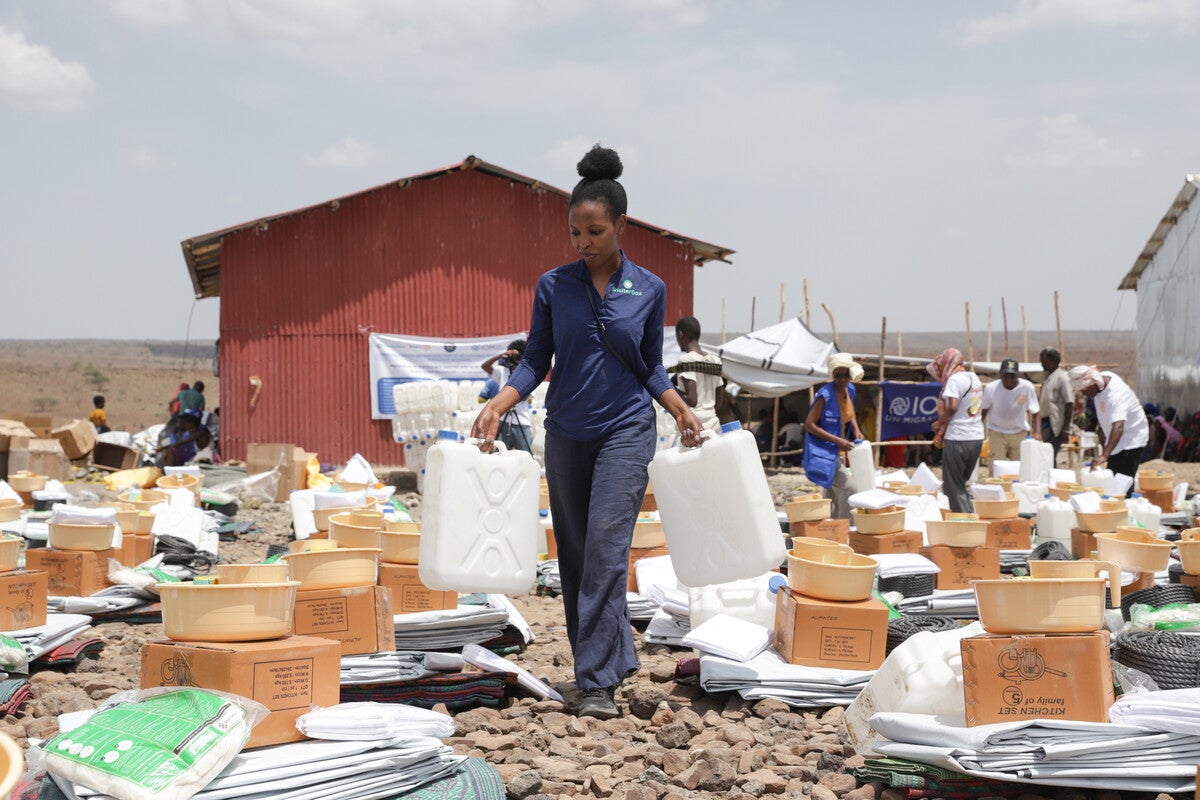
Ms Apollo said future plans, developed with local groups, will focus on involving more women in the decision-making process, as women know better than anybody what they need to ensure security for themselves and their families.
The challenges of each crisis are specific and complex, and aid organisations around the world are finding that by hearing from women and involving them in their plans, they can ease fears and offer tangible security – and hope – in even the most precarious of circumstances.
Read The Independent’s influence list for International Women’s Day 2026 here.
Rape Crisis offers support for those affected by rape and sexual abuse. You can call them on 0808 802 9999 in England and Wales, 0808 801 0302 in Scotland, and 0800 0246 991 in Northern Ireland, or visit their website at www.rapecrisis.org.uk. If you are in the US, you can call Rainn on 800-656-HOPE (4673).
