
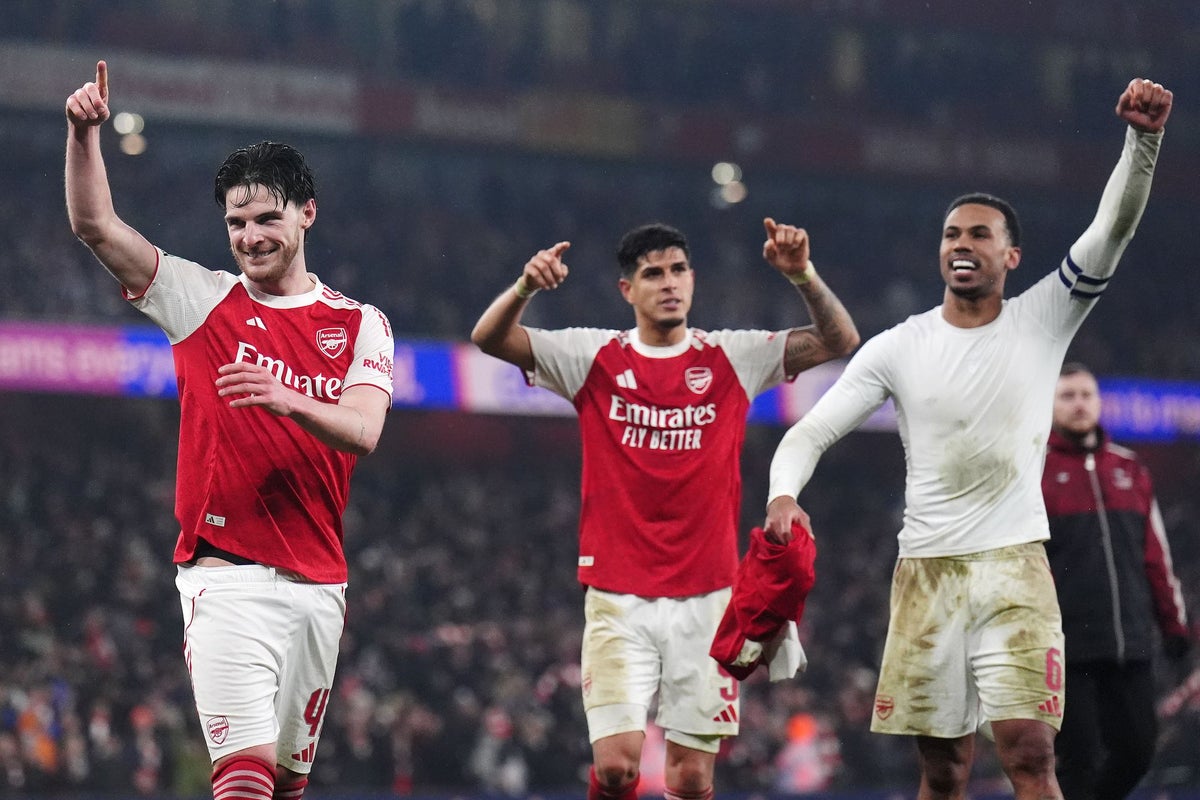
A long-awaited return. Not just Arsenal’s first cup final in six years but – perhaps more importantly to the wider season – another comeback goal from Kai Havertz. Many at the club see him as the difference.
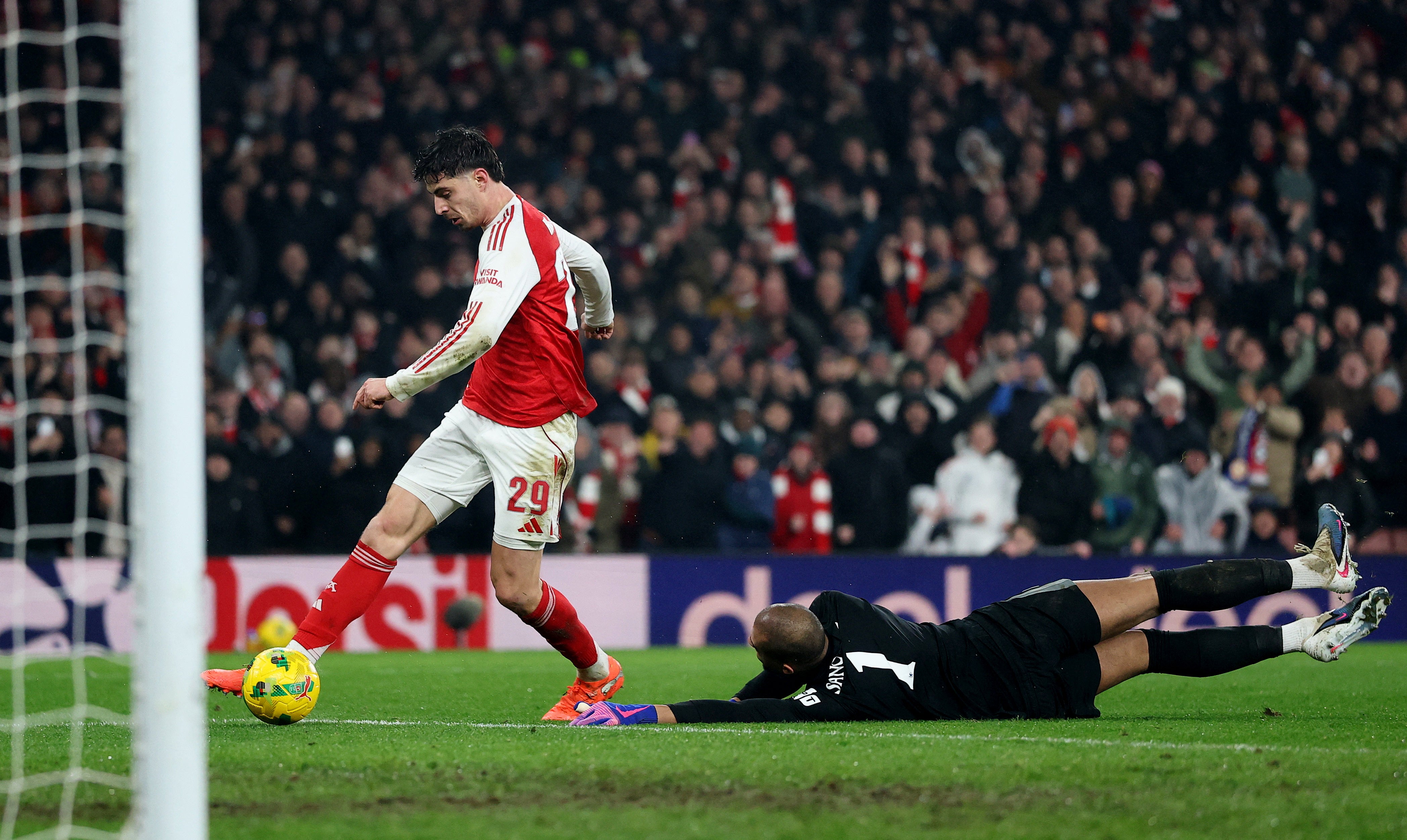
He made the difference in an otherwise poor match, ending any late tension as he rounded Robert Sanchez in stoppage time to secure a 1-0 victory that was a 4-2 on aggregate, to secure a place in the Carabao Cup final.
Mikel Arteta’s side are right to happily celebrate that, in a season that could yet break through all manner of barriers. A second trophy of the Basque’s time, and the first for this specific group of players, is now within sight. They finally have a return to Wembley.
Few will celebrate this individual game, though.
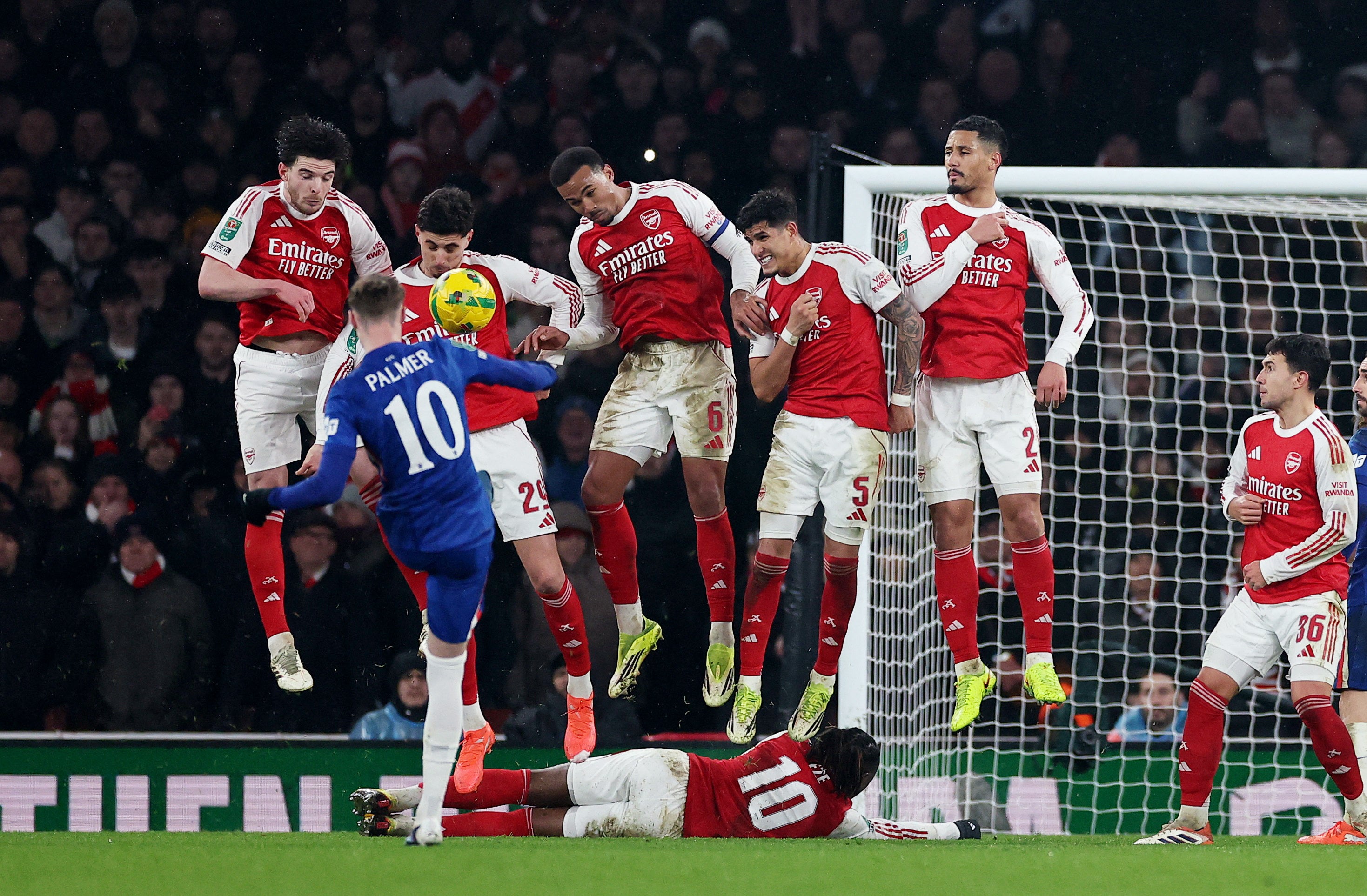
It used to be said in football that nobody remembers semi-finalists and, whatever the truth of that, few will remember this semi-final. Even one late moment of suspense, which was a Cole Palmer free-kick to feasibly equalise, was delayed and had the drama taken out of it by finicky technicalities.
Arsenal, for their part, had done the necessary work in the first leg. Arteta might reasonably claim they should have won that game by three goals, as he pretty much told his players after that match. Liam Rosenior might instead slightly rue the fact that match came so early in his tenure.
Now with a firmer grasp of the tactical shape of his Chelsea squad, his team gave the Premier League leaders a much more measured match. They still couldn’t overcome an initial 3-2 deficit, which Arsenal eventually turned into more.
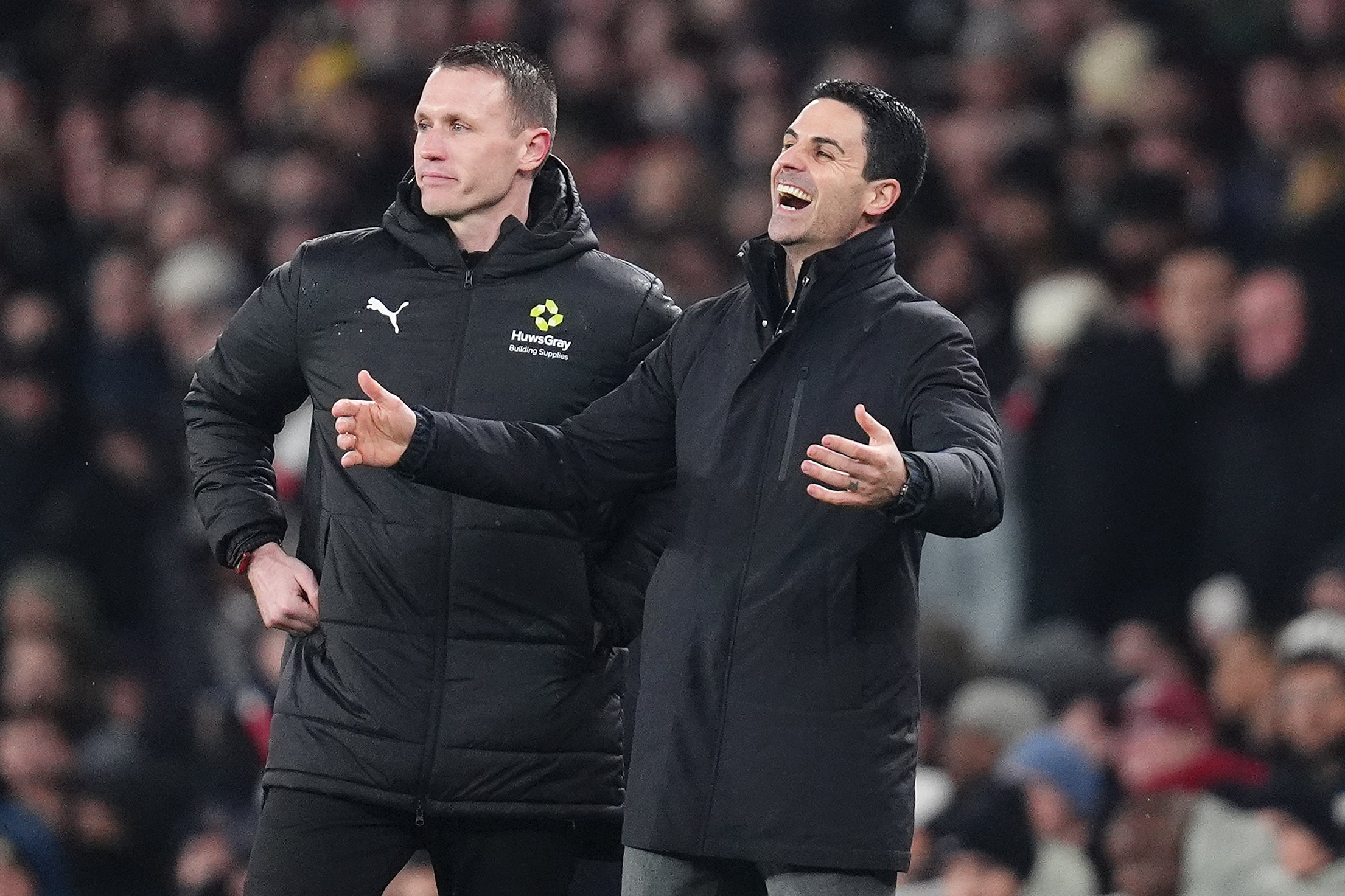
If that first leg at Stamford Bridge was a much better match, this second leg was not really the advertisement for the Carabao Cup in the way the competition has enjoyed over the past decade.
There was until recently a real sense of fun bonus football about it, something that stood out all the more in relatively sparse Januarys.
The fact the Champions League expansion has made the first month of the year also the busiest of the year is probably a significant factor in that.
The major clubs now just have so much football that there are inevitably going to be drop-offs. You just can’t go full gun in everything, as these two did in the first leg.
This time, so many attacks ended in such tired ways, with players blazing over. Enzo Fernandez did that at least twice.
Above anything, this entire match was a visual testament to too much football. More is now very much less. But is there also something else?
This might have been the Carabao Cup, and a knock-out, but it felt like a fairly typical Premier League game right now. It was two very tactical coaches constantly looking to outmanoeuvre each other. This felt more relevant than the actual movement of players like Eberechi Eze or Joao Pedro.
In other words, a coach-led game, fully systemised pressing football. You could see some of that in Chelsea’s tepid late charge. It was like they were playing for a draw when they needed to win.
Hence the decisions that felt like they had the biggest effect on the first half were Rosenior initially going with a three-man defence that completely shut out Viktor Gyokeres, and then Arteta responding by bringing Gabriel Martinelli further inside.
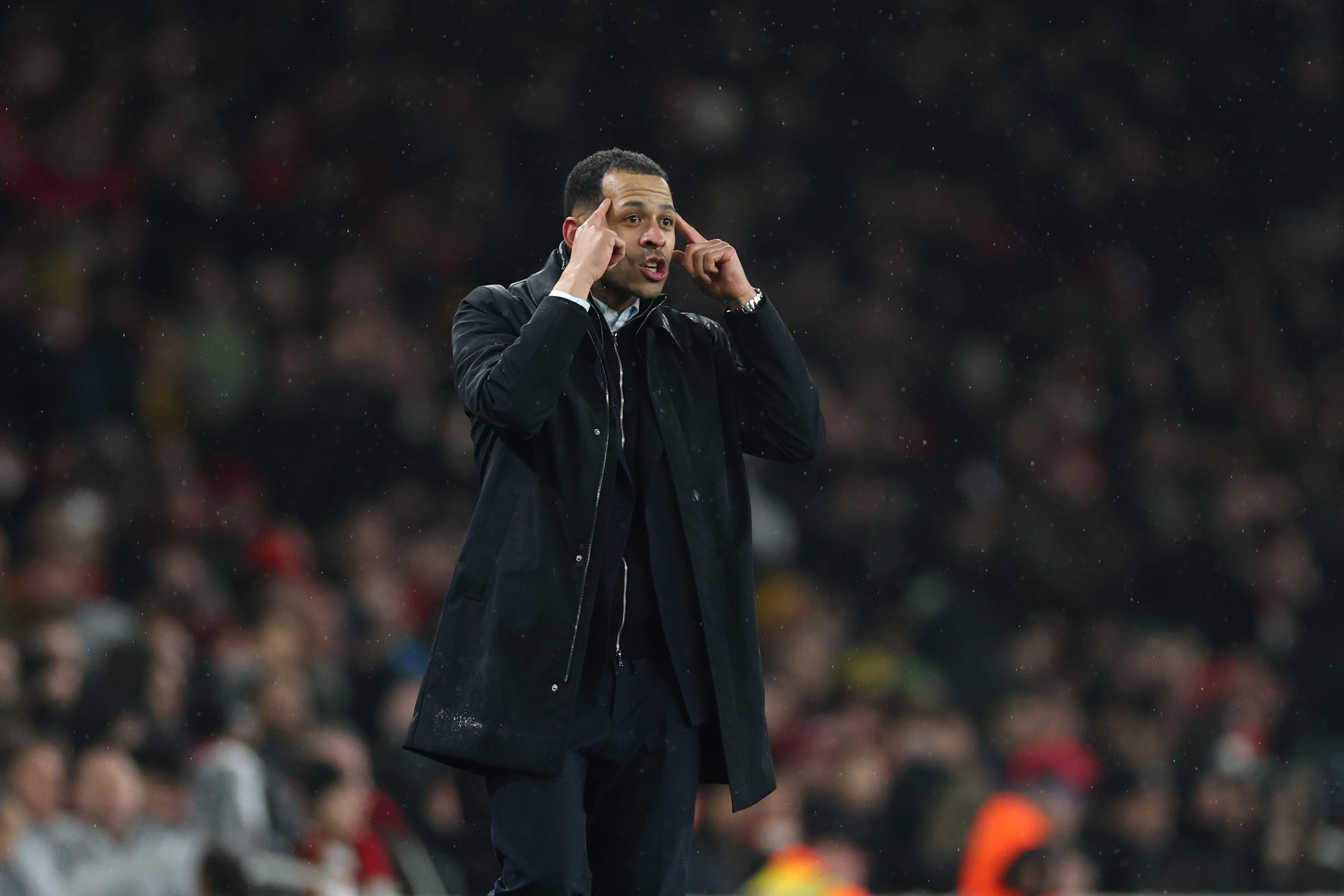
Chelsea had been warned when the Brazilian broke though once in the first half, Malo Gusto getting back well to block the shot. The best that Rosenior’s side had in response was a Fernandez long-range effort that Kepa Arrizabalaga did well to thump away.
Otherwise, the main moment of intrigue was Chelsea opting to place three players as far back as the halfway line for an Arsenal corner, intentionally dragging away some of the bodies that cause opposition sides such chaos in these set-pieces. Jurrien Timber still went close.
While there has been a certain cynicism about how Rosenior can speak off the pitch, it’s been hard to criticise the action on the pitch – specifically how proactive he has been.
This is a coach who clearly enjoys solving tactical problems. That was seen away to Antonio Conte’s Napoli and in a home derby against West Ham United, where testing deficits were turned into convincing 3-2 victories.
Both came from changes of personnel and formation.
Rosenior here seemed intent on springing a trap on Arsenal, as Cole Palmer and Estevao were introduced in the second half to greatly change the emphasis of play. But was he just too clever? Was this a bit far, where they ended up playing for tactical security rather than the win they needed?
The gambit of Liam Delap on the right wing hadn’t worked, admittedly. He spent most of his time on the pitch running into a hard Arsenal defensive wall. Palmer still doesn’t look at his best, though, as emphasised with that late free-kick. Worse, there wasn’t exactly much energy to their late push, the one time the emotion of the game rose above the temperate.
Arteta had responded with his own major switch, as Viktor Gyokeres was brought off for Havertz, the German receiving loud cheers as he continues to return to full fitness.
There are many at Arsenal who believe he could be the real difference-maker not just in a title run-in, but potentially even winning multiple trophies.
They just have to go and win one first. Havertz has duly put them within sight.