


Train travel gave me my independence.
In my early twenties, it opened up a version of the world I hadn’t thought possible. It was the first time I realised I could travel solo as a disabled person, with assistance in place, navigating unfamiliar stations and cities on my own terms. Week after week, I travelled up and down the UK for work, building confidence with every journey. There was a quiet satisfaction in arriving somewhere new, knowing I’d made it happen myself.
But that independence has always come with a caveat. Rail travel, like most transport, is only as good as its weakest moment. I’ve been left on trains when ramp assistance didn’t arrive, relied on strangers to physically lift me off, and spent hours on board with an “out of order” accessible toilet. I’ve even crossed active train tracks at an unstaffed station using a barrow crossing, guided by staff over the phone. Technically safe, but far from comfortable.
Read more: The best wheelchair accessible hotels in London in 2026
This was my fourth journey on Eurostar, having previously travelled to Amsterdam three times. At its best, Eurostar has felt like freedom: I can stay in my wheelchair for the entire journey, access the toilet independently, and travel without the constant worry of wheelchair damage that comes with flying. At its worst, when disruption hits, that sense of control can disappear quickly. On one previous journey, a fault meant the train stopped for hours before terminating early in Brussels, where I was left without the support I needed to continue my journey safely. After being assisted off, I was forced to crawl onto a connecting train. It was chaotic, distressing, and avoidable.
So, travelling from London to Paris this time, I was keen to see whether the improvements Eurostar says it has made – from priority waiting areas to a more joined up approach to assistance – makes real difference in practice.
Booking and planning
Booking was simple. As a wheelchair user, ramp assistance is automatically arranged when selecting the wheelchair fare, and my companion was able to travel at a discounted rate. It felt straightforward and familiar, with no real change from previous trips.
I checked Eurostar’s accessibility information online beforehand, which clearly outlines what support is available and who it’s designed for. That clarity is important because for many disabled travellers, the decision to book comes down to one question: will this actually work for me?
Eurostar says demand is growing, with assistance requests on the London to Paris route up more than 15 per cent. That suggests more disabled people are choosing rail, and trusting it to deliver. It also raises the stakes.
As Kirsty Hollywood, Eurostar’s customer accessibility manager, puts it: “Accessibility isn’t a feature, it’s the journey. So we have to understand all parts of the journey and what our customers need when: whether that’s practical assistance or just reassurance from our staff.” The ambition is clear. The question is how consistently that plays out in practice.
Read more: Seven holiday destinations you can get to on the Eurostar from London
At the station
At St Pancras International, I was directed to wait near the Premier desk, which I already knew from past experience was close to a step-free entrance.
Staff were there on time, and the process felt calm and organised. A dedicated check-in booth for wheelchair users meant no queuing, and the new assisted waiting area offered a quieter space away from the main concourse. It was noticeably less overwhelming than the general station environment.
It’s a simple addition, but an important one. In a busy station, knowing exactly where to wait and that staff will find you removes a layer of stress. For someone new to rail travel, or newly disabled, that reassurance is invaluable.
Because I’d booked a wheelchair user fare, my companion and I were also able to access the Premier lounge. After the noise of the main concourse, stepping into a calmer space for coffee and pastries felt like a reset before the journey.
Once we left the lounge, the reality of a busy international station returned. The crowds were overwhelming, but staff stepped in to guide me through, clearing space and ensuring I could access the lifts quickly.
Boarding and onboard experience
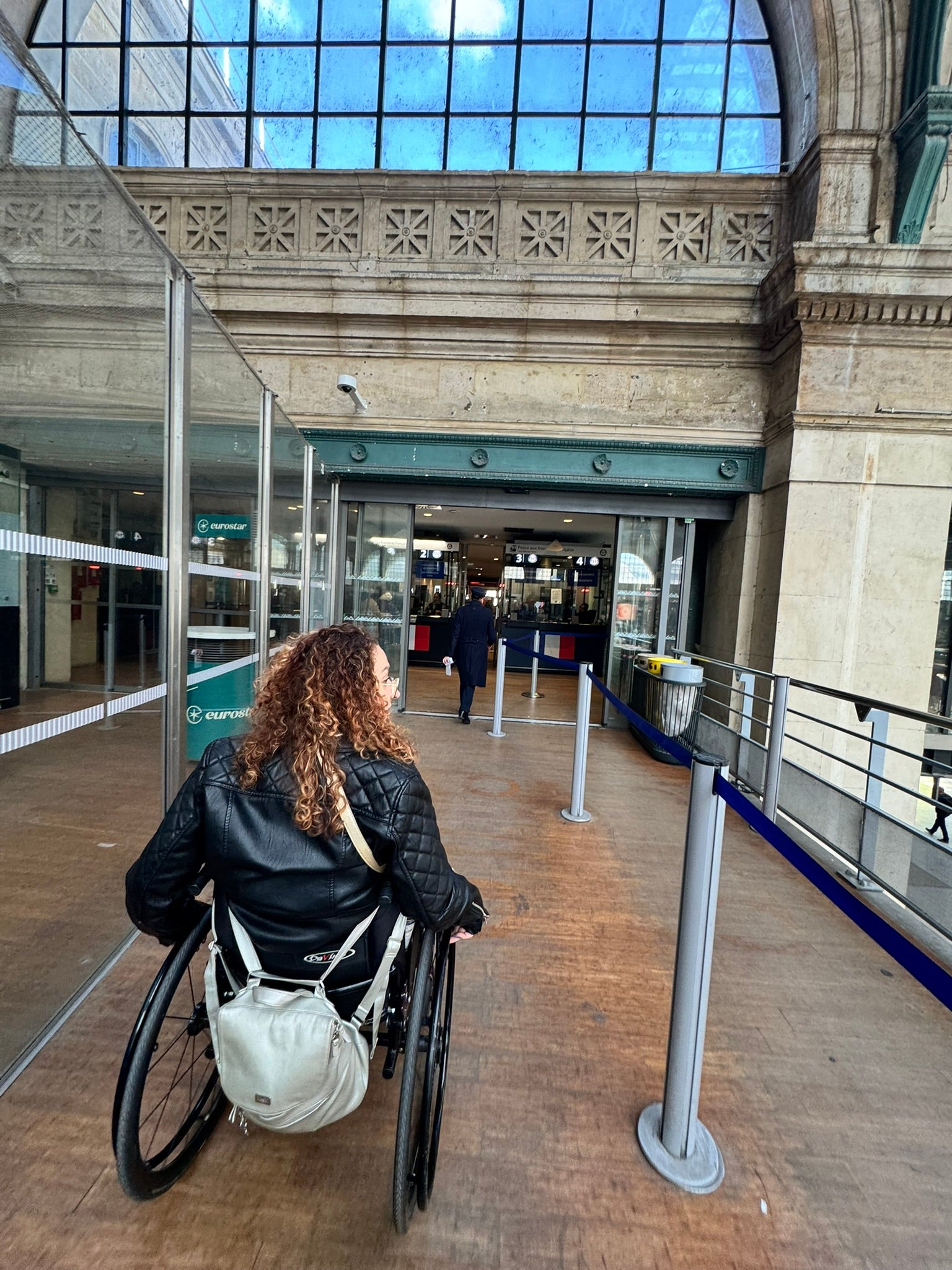
The ramp was already in place when I reached the platform, something that always brings a sense of relief. Eurostar’s ramps are different to most, with a corner gradient and handrails that reduce the steepness. It is a thoughtful design that makes a noticeable difference in practice.
Staff assisted in pushing my chair when needed, but without assumption. The process was smooth, unhurried and respectful.
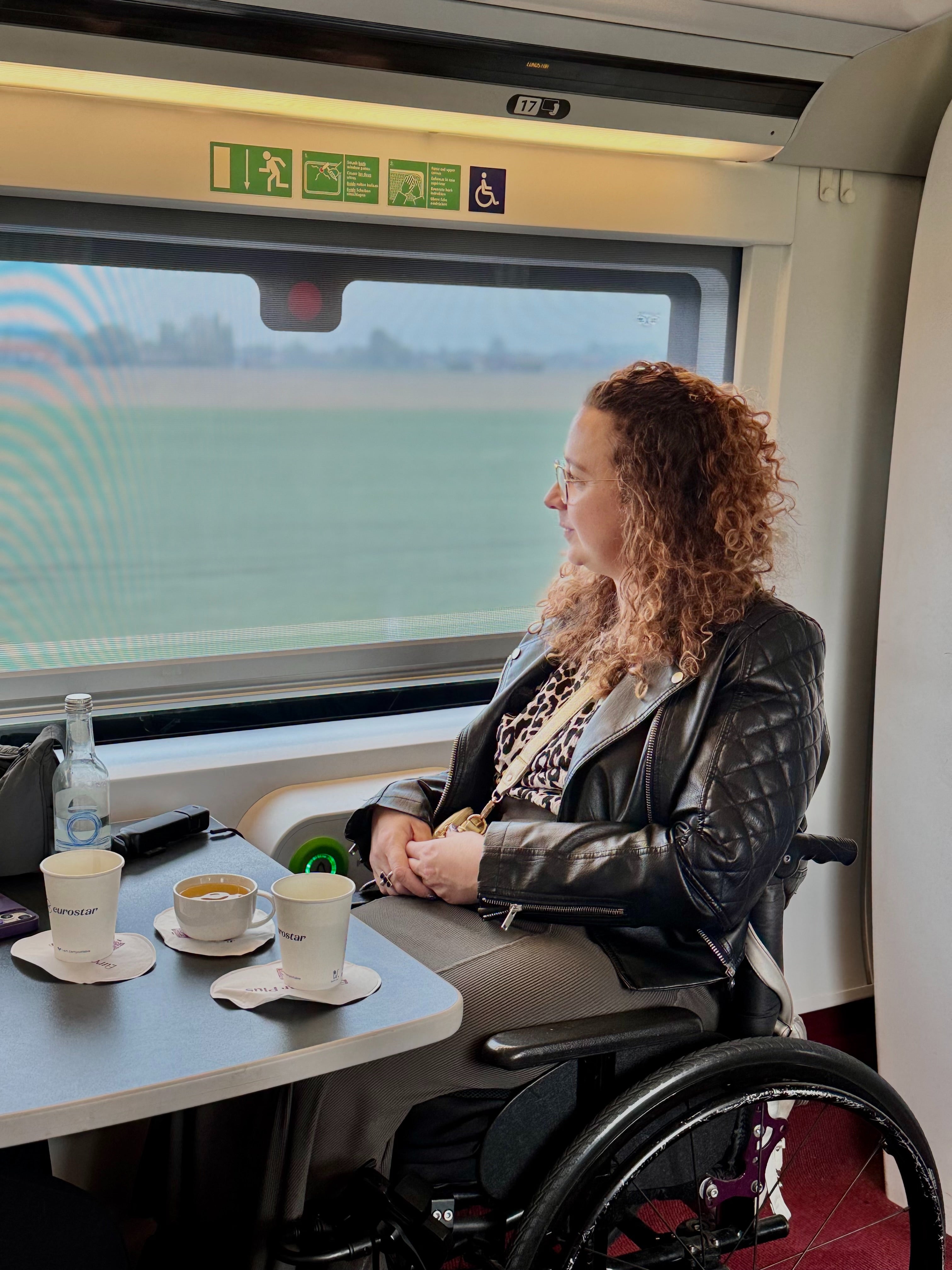
Once on board, the wheelchair space was spacious and easy to access, with a dedicated seat for my companion. Staff checked my preferred position, ensuring I was comfortable facing the direction of travel.
The accessible toilet was equally well designed: spacious, easy to manoeuvre, and with features placed within reach. Even the presence of a full length mirror stood out, something so often overlooked in accessible toilets.
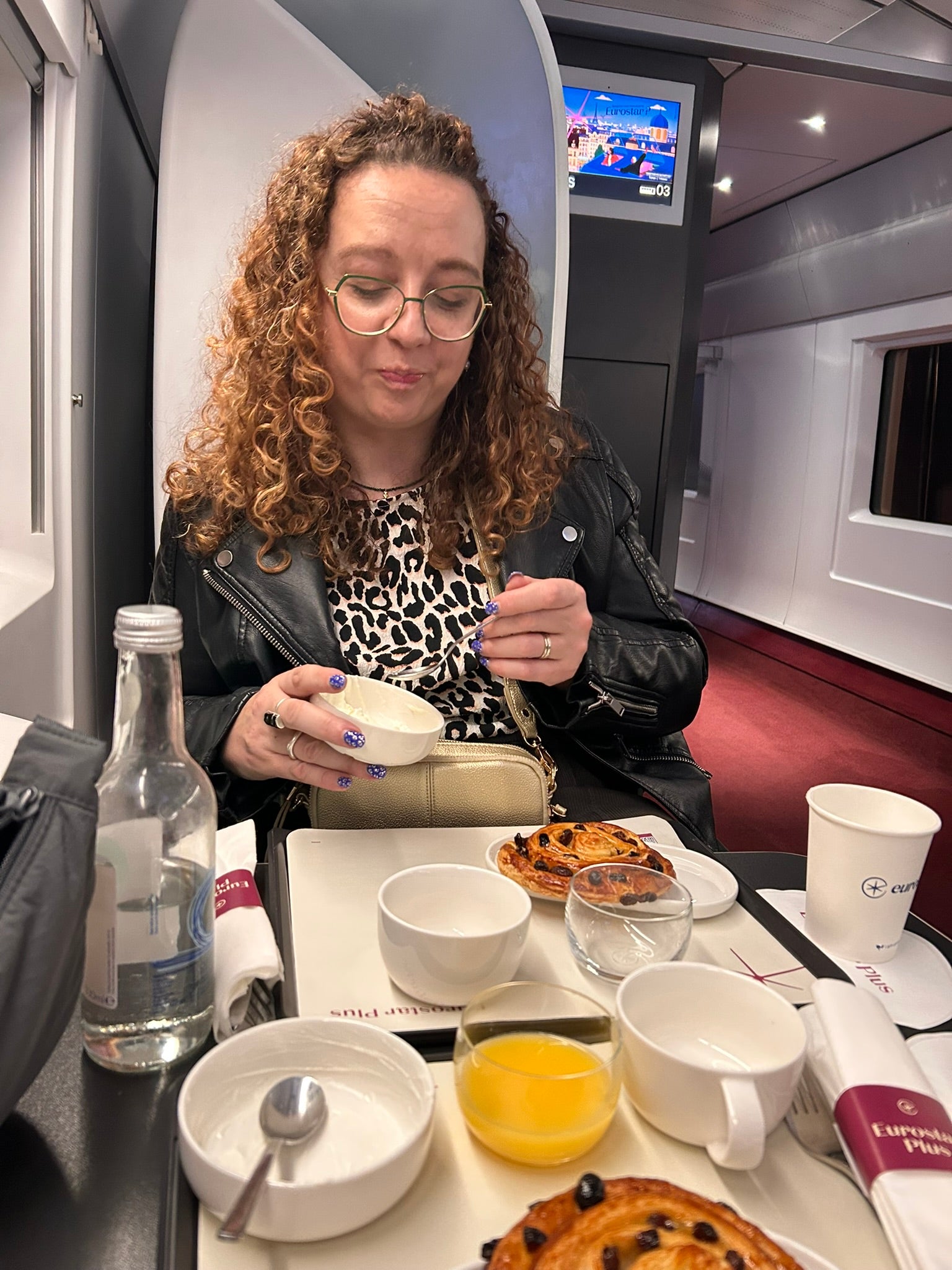
All wheelchair spaces are located in Eurostar Plus or Premier, which means meals and drinks are served at your seat. Not having to navigate the train to find food removes a small but important barrier.
Read more: What luxury cruising looks like when you’re a disabled traveller
The journey and arrival
The journey itself took just over two hours, and it passed quickly. There is something quietly powerful about travelling in a way where disability fades into the background. Watching the French countryside come into view as the train exited the tunnel, I felt like any other traveller on a city break.
Staff interactions were professional and unobtrusive, clearly explaining meal options and checking for dietary requirements without making it feel like a process.
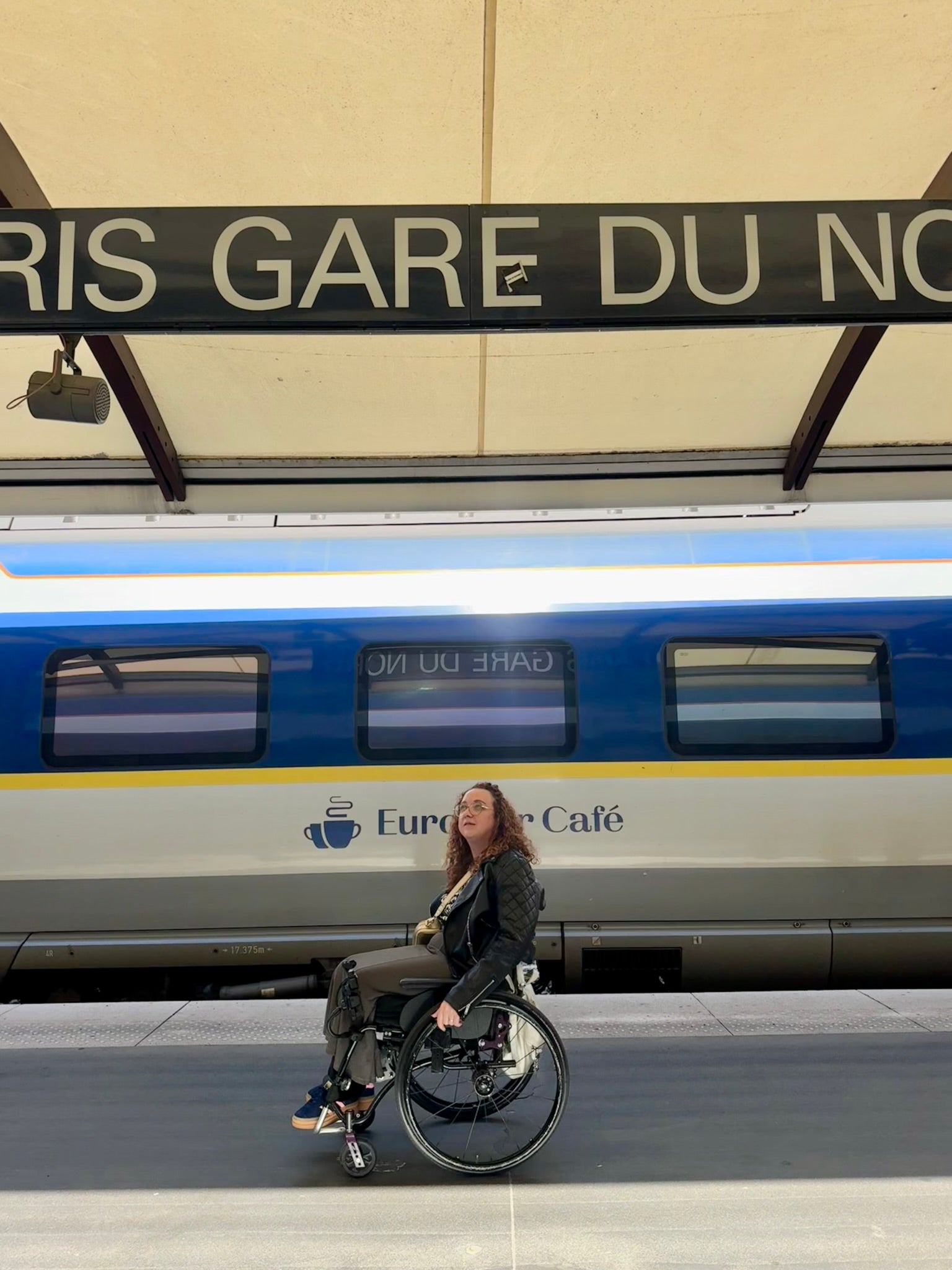
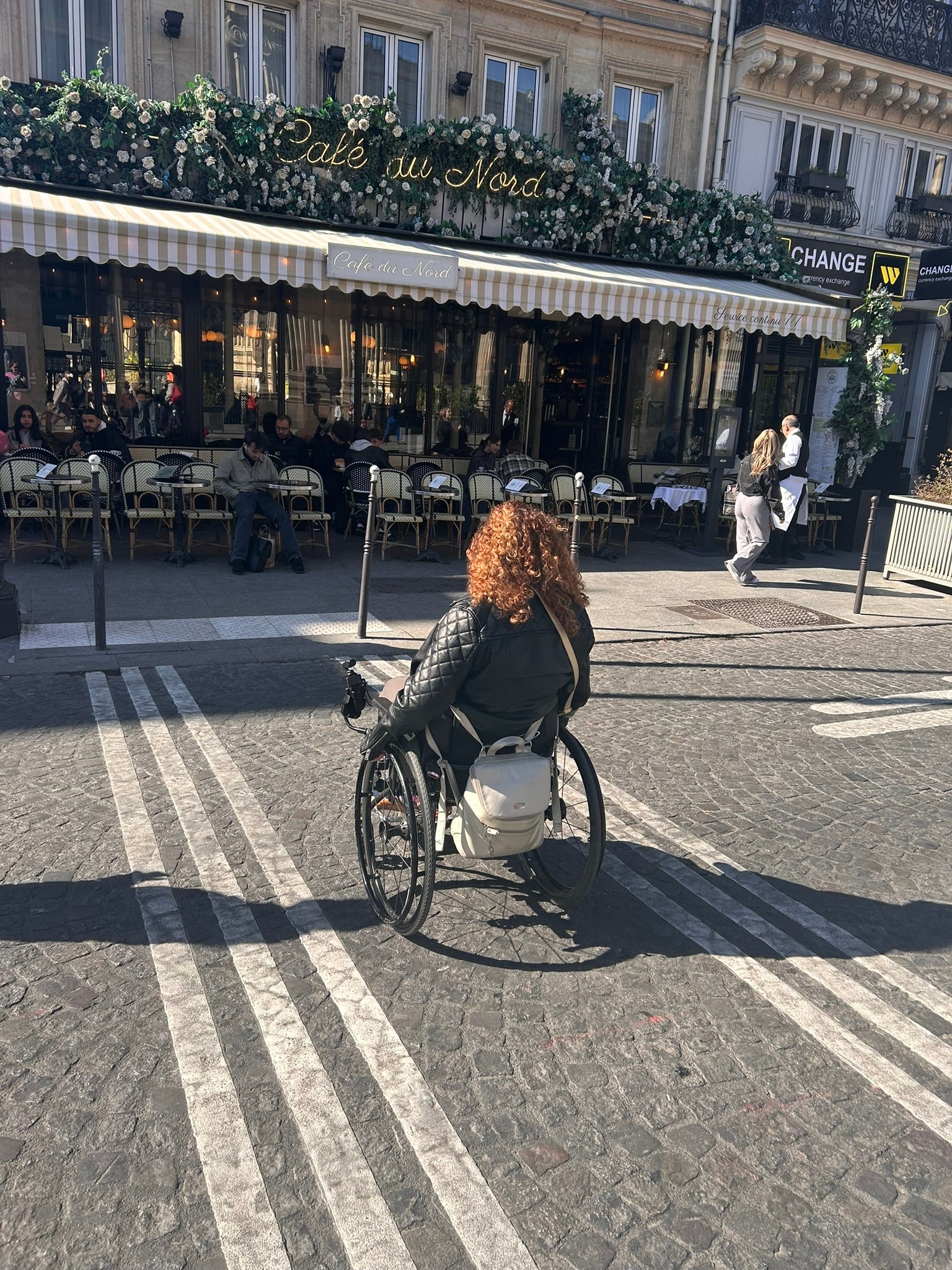
Arriving into Gare du Nord was equally smooth. Again, the ramp was waiting. Assistance was available, but never assumed. When I asked for help, it was there.
The station itself was busy but spacious, which helped manage sensory overwhelm. Wide walkways, clear signage, and step-free routes meant I could navigate with confidence, even somewhere new. I also saw a dedicated assistance lounge with charging points for electric wheelchairs, a small but meaningful detail I’ve not come across elsewhere.
And yet, for all the individual elements that worked well, the experience still felt dependent on things going right. The “end to end” journey Eurostar talks about was visible in parts, but less so as a fully joined up system.
What’s improved and what still needs work
There are clear signs of progress.
The priority seating area at St Pancras offers reassurance before you even begin your journey. The assistance lounge in Paris shows attention to detail. And there is clearly a broader shift in thinking.
Historically, accessibility has focused heavily on wheelchair users. That is beginning to change. Eurostar is now looking more closely at different needs, including neurodivergent passengers and those with non visible disabilities, with tools like sensory mapping in development.
“It’s not about adding support at one point,” says Hollywood. “It’s about making the entire journey feel simple, consistent and supported.”
But consistency is still the challenge.
My previous experience of being stranded during a disrupted journey is not easily forgotten, and while processes are improving, confidence in those moments is built over time, not promises.
Eurostar says it is working on improving contingency planning and communication, particularly when disruption happens. I’m not yet confident that the same thing won’t happen again, because this journey only showed me how the system works when everything runs smoothly. The real test will be whether staff, systems and partner stations can stay connected when a train is delayed, rerouted or terminated unexpectedly.
As Hollywood acknowledges: “Accessible travel isn’t something that can ever be considered finished. What matters is listening to real experiences and continuously improving the journey.”
That focus on continuous improvement is encouraging, particularly following the legacy of the Paris Paralympic Games, which prompted operational changes and increased awareness.
The verdict
When Eurostar works well, it transforms the experience of travelling as a disabled person.
It removes many of the barriers that come with flying. I can stay in my wheelchair, access the toilet independently, and travel with a sense of ease that feels rare in transport.
But it isn’t flawless. And the real test is not the smooth journey, it is how well you are supported when things do not go to plan.
For disabled travellers considering Eurostar, my advice is simple: use the information available when planning your trip, arrive early, make use of staff support. And if something goes wrong, use the call button, speak to staff, and make sure your needs are understood.
Because when everything aligns, Eurostar allows me to travel in a way where my disability isn’t the focus of the journey. And that, ultimately, is what accessible travel should feel like.
Read more: An accessible guide to Liverpool – by a wheelchair user