A 51-year-old Swindon mother-of-six said a last-minute Boots Opticians appointment saved her sight, and her life.
Tammy Jackson called the high street retailer after she experienced a “quick flash” in her vision, followed by sudden blurring days later, which turned out to be symptoms of eye cancer.
She believes that being able to go in for an appointment that same morning is what saved her sight, and maybe even her life.
Prior to her sudden symptoms, Tammy said her eyesight was normal, except for a lazy eye, a birthmark, and general strain from “getting older” and “working with computers”.
In fact, she said she had a routine eye test towards the start of 2025 where “nothing out of the ordinary had been detected”.
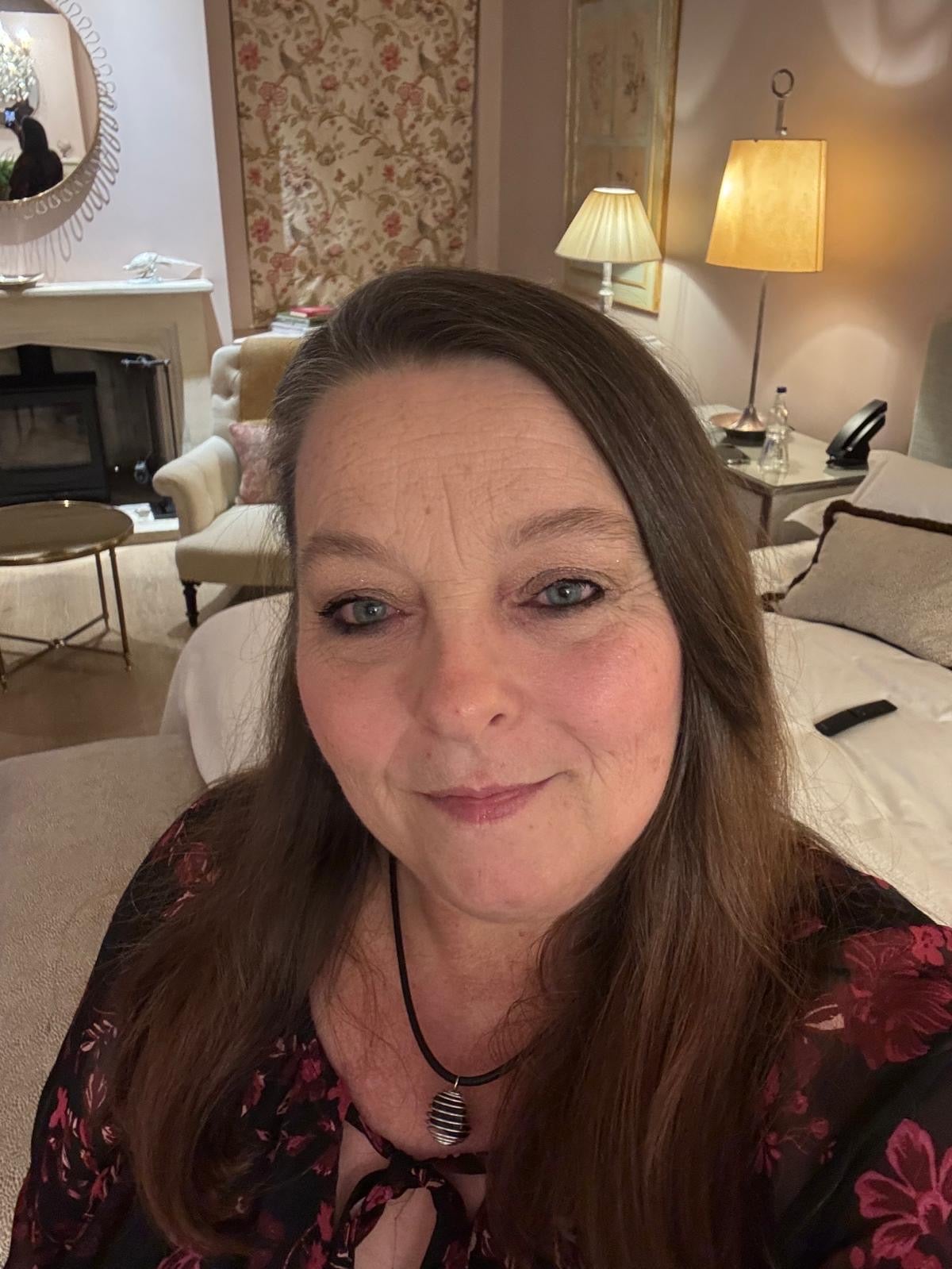
Then, on September 22 2025, Tammy said she was making a cup of tea in her work kitchen when she saw what she thought was a small black fly zoom across her face, which worried her only for the fact that flies aren’t a good sign while working at a funeral home.
A few days later, Tammy said the flash happened again, but she “didn’t really think anything of it”.
When she woke up on the morning of September 27, her vision was blocked by a black dot the size of a “five pence piece” in the centre of her eye, which looked like she was seeing through smeared “wet paint”.
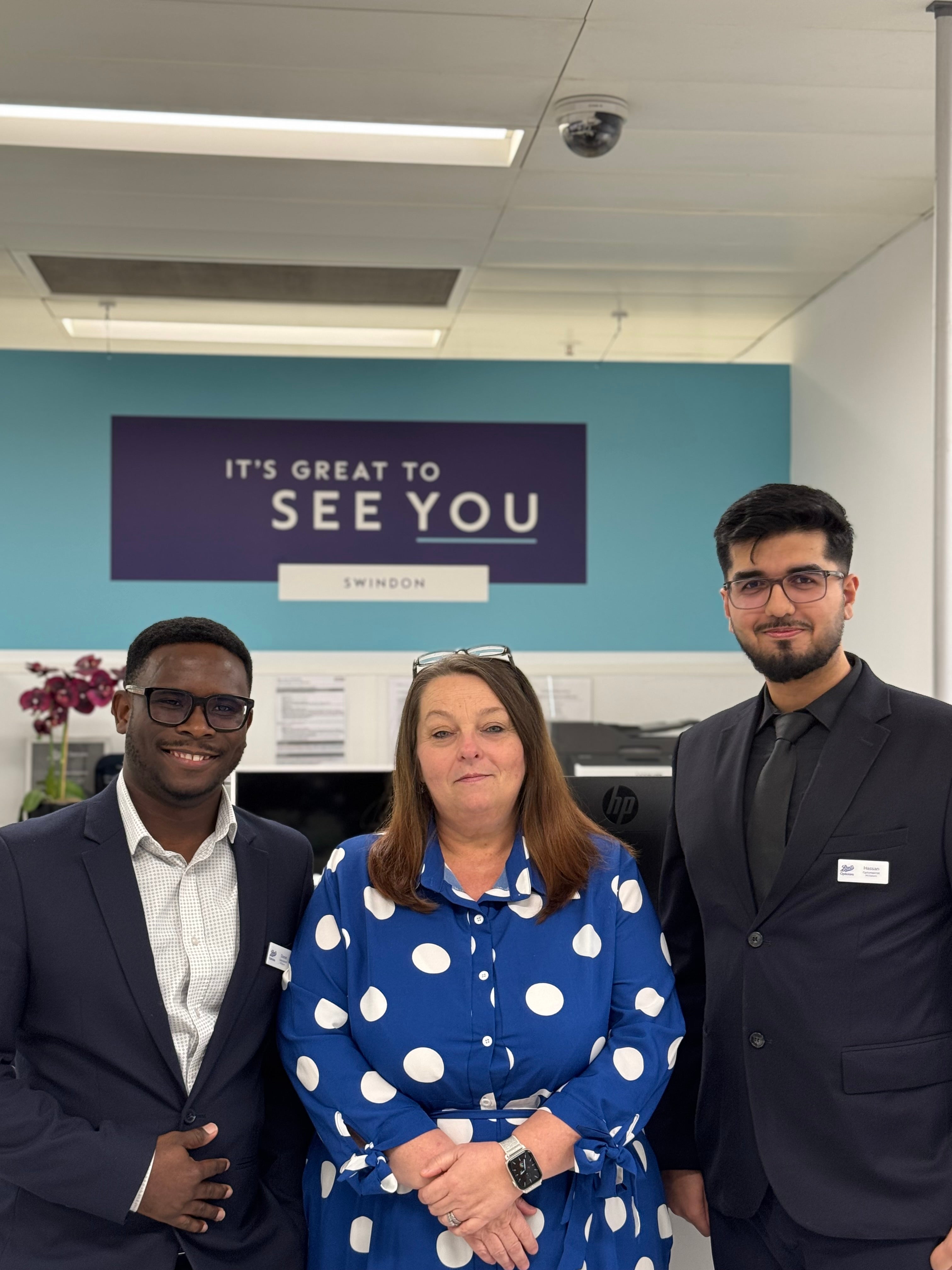
That is when Tammy decided to ring her local Boots Opticians, who said they had a last-minute cancellation if she could get down to The Brunel Shopping Centre in Swindon for 10.30am.
Tammy said: “I was seen quite quickly, but my gut was immediately telling me that there’s something not quite right.”
According to Tammy, Hassan, an optometrist and Boots Macmillan Optician Professional, told her she had swelling in her right eye, which he thought could be a detached retina – where the thin layer of the back of an eye becomes loose – or “something else” that looked “suspicious”, so he promptly referred her to Great Western Hospital.
But after she got there, Tammy said she was told that the hospital had not received the scans she had taken at Boots Opticians, and rather than making her do them all over again, they encouraged her to come back on Monday.
“When Monday came, I woke up and I just thought ‘it’s cancer’,” Tammy said. “That’s what I said to Martin, my husband.”
At Great Western Hospital on September 29, Tammy had more tests and noticed medical staff were particularly focusing on her right eye.
After a few hours, Tammy said a consultant told her they had found something “sinister”, but that they wanted to transfer her care to a specialist at Moorfields Eye Hospital in London.
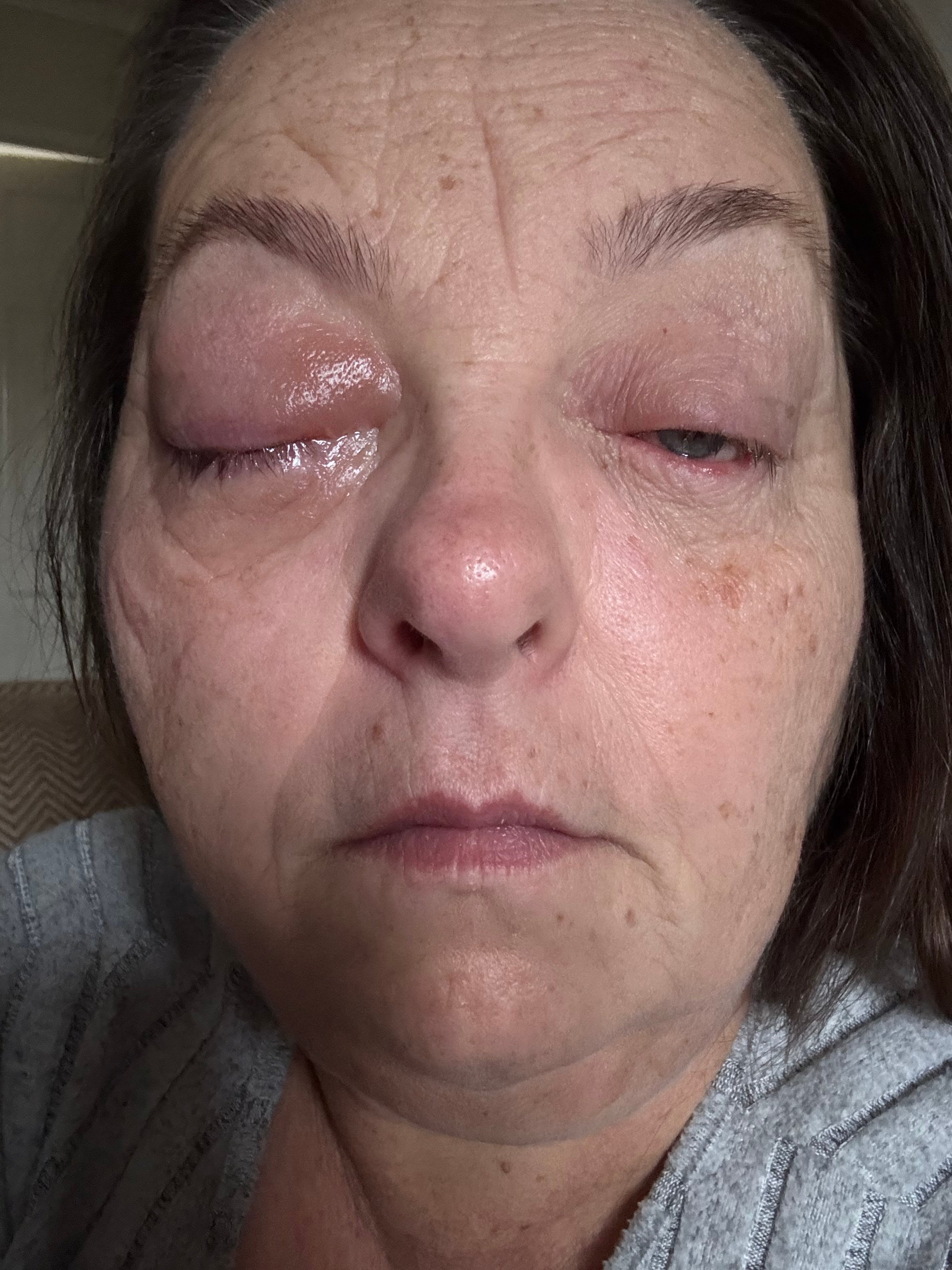
By the time the follow-up appointment came around on October 9, Tammy said her eye had worsened “quite quickly”, with the five pence piece-sized blind spot widening to the size of a 10 pence piece, as well as experiencing fluid leakage, more swelling, and headaches.
On the mental toll, Tammy said: “Working in a funeral home, death stares you in the face every day, so I was planning for the future. I just thought that if I’m going to die, I need to make sure that people know what songs I want at my funeral.
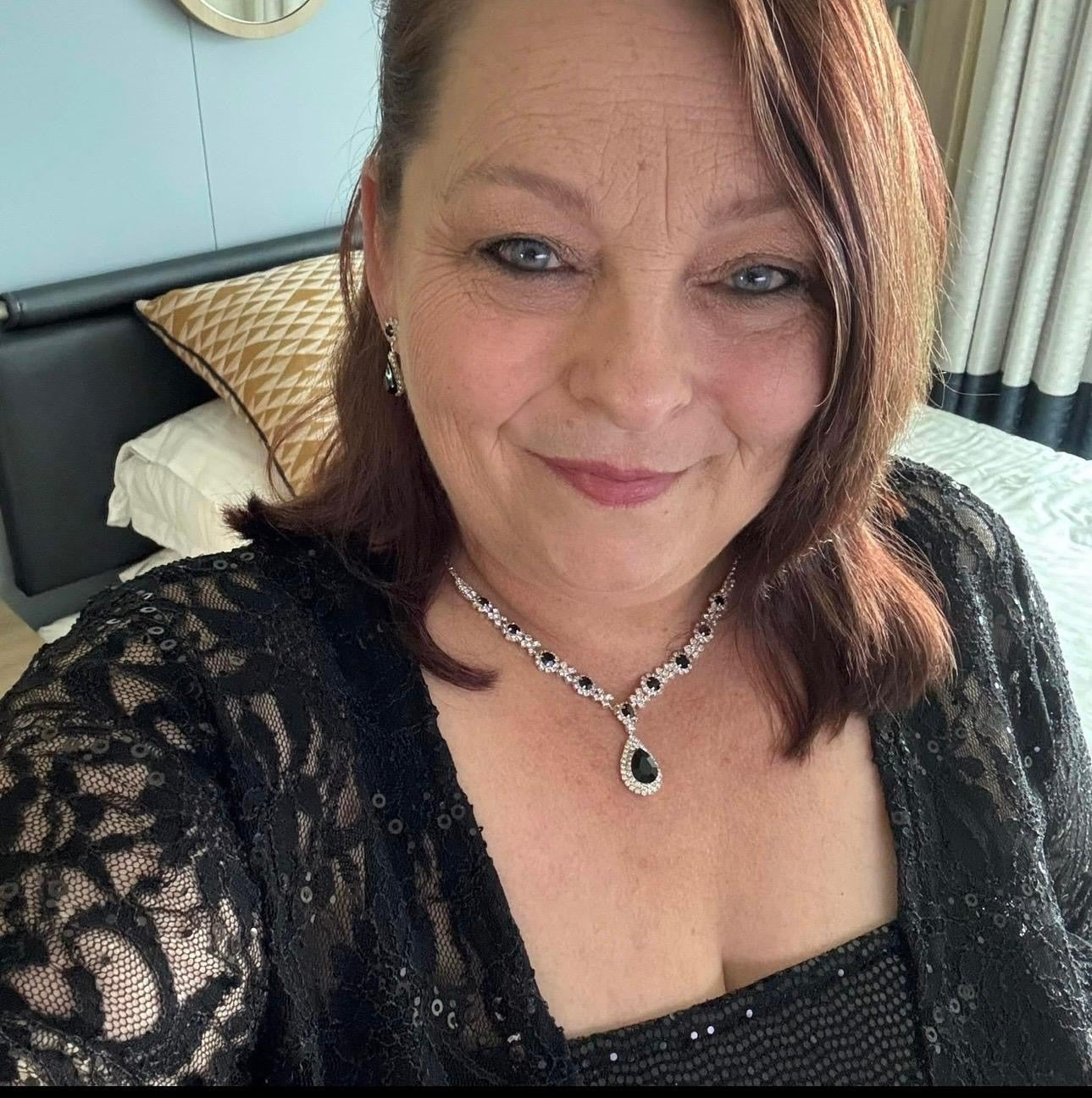
“It was heavy because there’s a lot of cancer within my family, so I just thought my life was over.”
At her Moorfields appointment, Tammy said she had more tests done that lasted around seven hours, before a consultant revealed the diagnosis – a small choroidal melanoma.
She said they explained to her the Moles Scoring Chart, which is an acronym for a diagnostic scoring system used to determine risk level.
Out of five factors – mushroom shape, orange pigment, large size, enlargement, and subretinal fluid – Tammy said she had four, which predicted a “high suspicion” of cancer.
“Just hearing those words, you automatically think that’s it,” Tammy said.
“Your life’s over.
“The hardest thing I had to do was tell my children. Seeing their faces and the uncertainty of what was to happen next broke my heart,” she said of her four children, Andrew, 34, Joanna, 33, Stewart, 28, Angel, 26, and two step-children, Jordan, 27, and Abi, 22.
Tammy’s treatment started on November 13 and consisted of ophthalmic plaque brachytherapy, which delivers targeted radiation by placing a small radioactive disc called a plaque over the eye during a surgery that sews it in place to the eye.
According to Cancer Research UK, the thicker the cancer, the longer the plaque is left on for, with some lasting up to seven days – Tammy said hers was on for a day-and-a-half because she caught the cancer so early.
In the aftermath of the procedure, Tammy said her eye was swollen and blistered, and she had to administer numerous eye drops four times a day.
Today, Tammy said her current prognosis is good, with her follow-up appointment due in May to check the effectiveness of the treatment, then she will likely need regular checks every year or six months.
Tammy said her general eye health has improved after the treatment, but her vision is not completely back to normal.
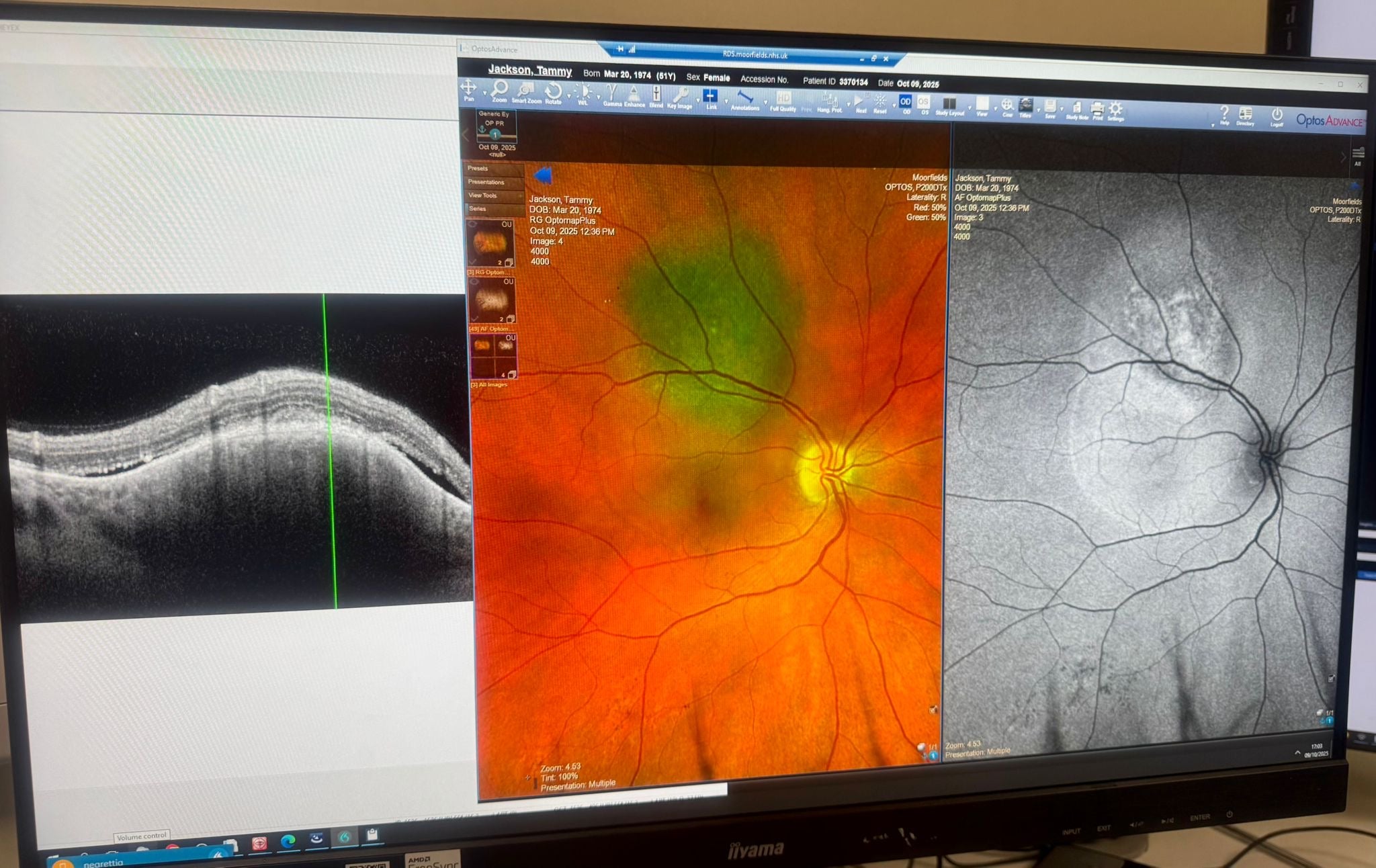
She recalled a conversation with a consultant, who said she will always have her cancer and the only way to get rid of it is to have her “eye removed”, but because she caught it early, that option is “extreme” and unlikely.
On why it is important for Tammy to share her story, she said: “I never in a million years thought that you could get cancer in your eyes. And if that’s what I think, maybe other people think that way as well.
“The number one thing: If you’re due an eye test, have it done. It’s really not worth putting it off. It’s all too easy. I’ve done it myself. But have the eye test done.
“With Boots getting me seen so quickly and by doing the referrals – it sounds dramatic – but it’s saved my eye, but potentially also saved my life. If it weren’t for them being so fast-acting on what they were seeing, it could potentially have been missed.
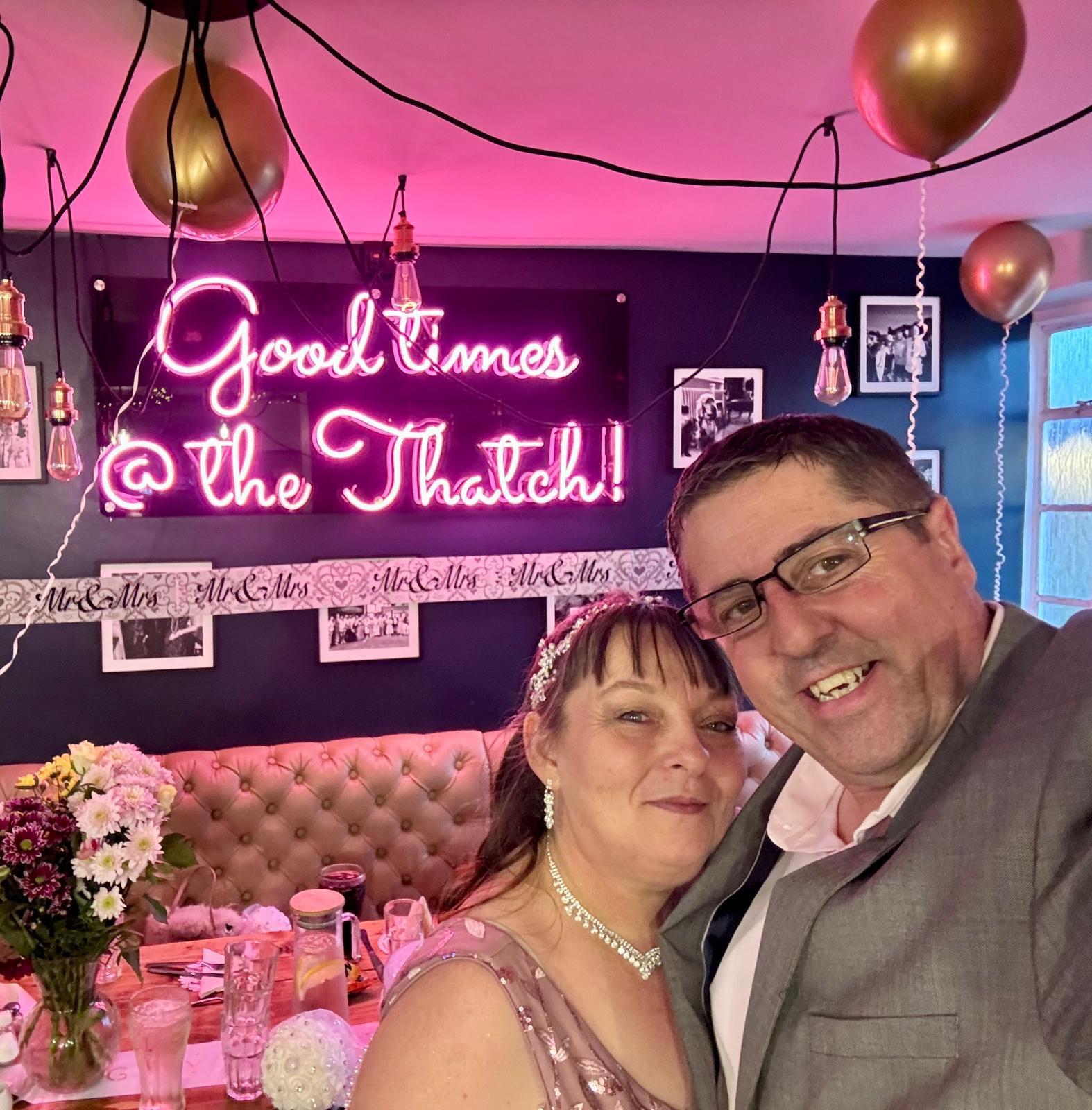
“If my story only helps one person, then that’s one more person who’s getting the help that they need,” she said.
To book a Boots Opticians eye test, visit its website here.