

.jpg?trim=0,0,0,0&width=1200&height=800&crop=1200:800 "Pocahontas actor sues James Cameron for ‘exploiting’ her face to create Avatar character – UK Times")

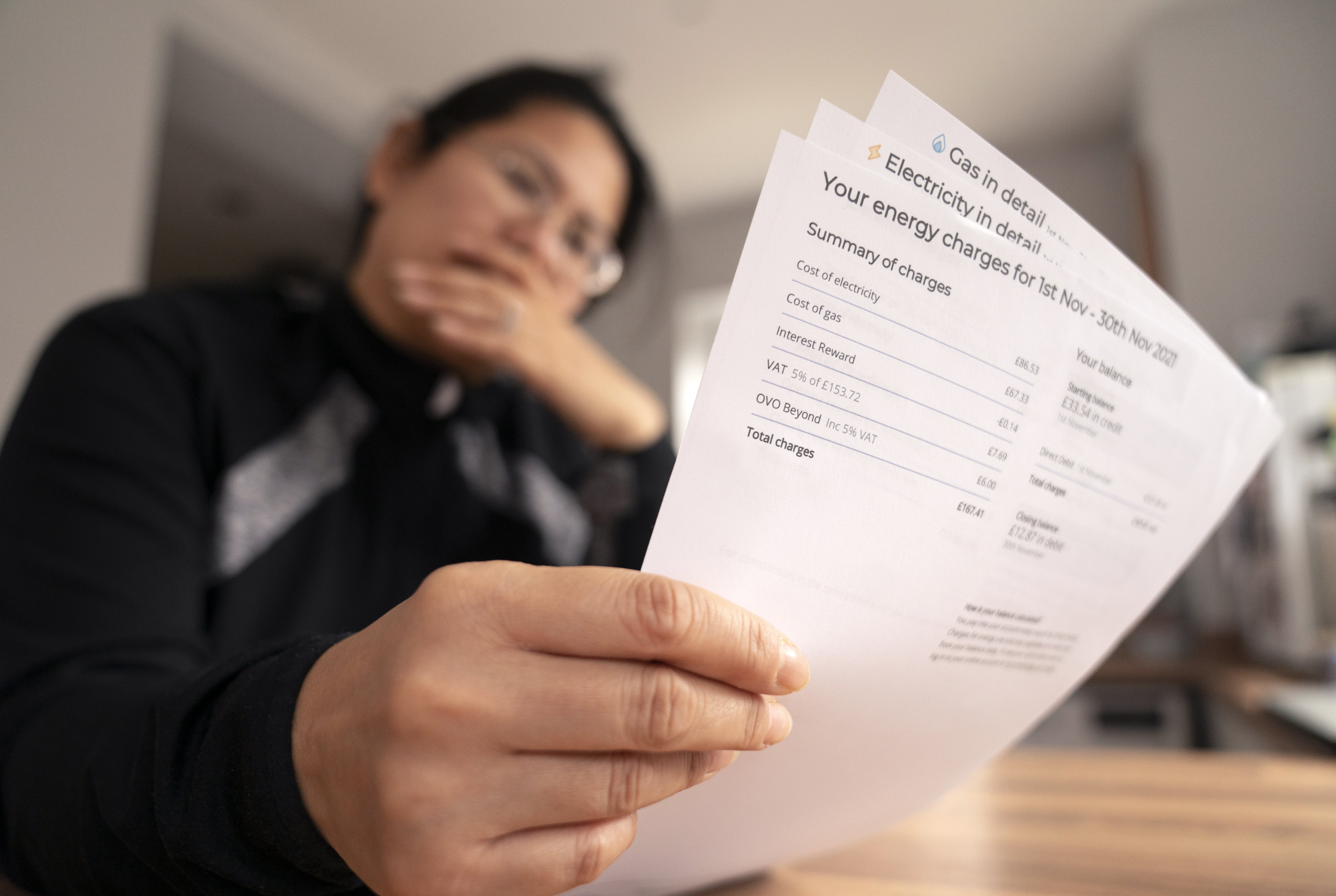
Household energy bills are to drop in April after energy regulator Ofgem lowered the energy price cap by seven per cent.
The reduction aligns with Chancellor Rachel Reeves’ promise that £150 would be cut from the average household bill.
Ofgem announced on Wednesday morning that it had reduced the energy price cap by £117 to £1,641 a year for a typical dual fuel household.
The regulator said the change to the energy price cap amounted to a reduction of around £10 a month for the average household using both electricity and gas.
Ed Miliband said the energy price cap drop was “happening because of the actions we took in the budget”, but told Sky News the Government knows it has “got further to go”.
The energy secretary said: “The price cap in 2025 across the year was lower in real terms than 2024. We want to drive it down even lower, so it’s up to £300 lower”.
Tim Jarvis, director general of markets at Ofgem, said: “The main driver of today’s reduction is the change to policy costs announced by the Chancellor in the budget.
“Our focus at Ofgem remains on bearing down on the costs within our control and unlocking the investment needed to support the transition to a more stable energy system over the longer term.”
The price cap, which was first introduced by regulator the in 2019, limits the maximum amount energy suppliers can charge for each unit of gas or electricity used.
It also sets a maximum daily standing charge – the cost of having your home connected to the grid.
The headline price cap figure of £1,641 provided by Ofgem indicates what a household using gas and electricity, and paying by direct debit, can expect to pay if their energy consumption is typical.
It is important to note that it does not limit a home’s total bills because people still pay for the amount of energy they use – so if it is above the average they will pay more, and if it is below they will pay less.
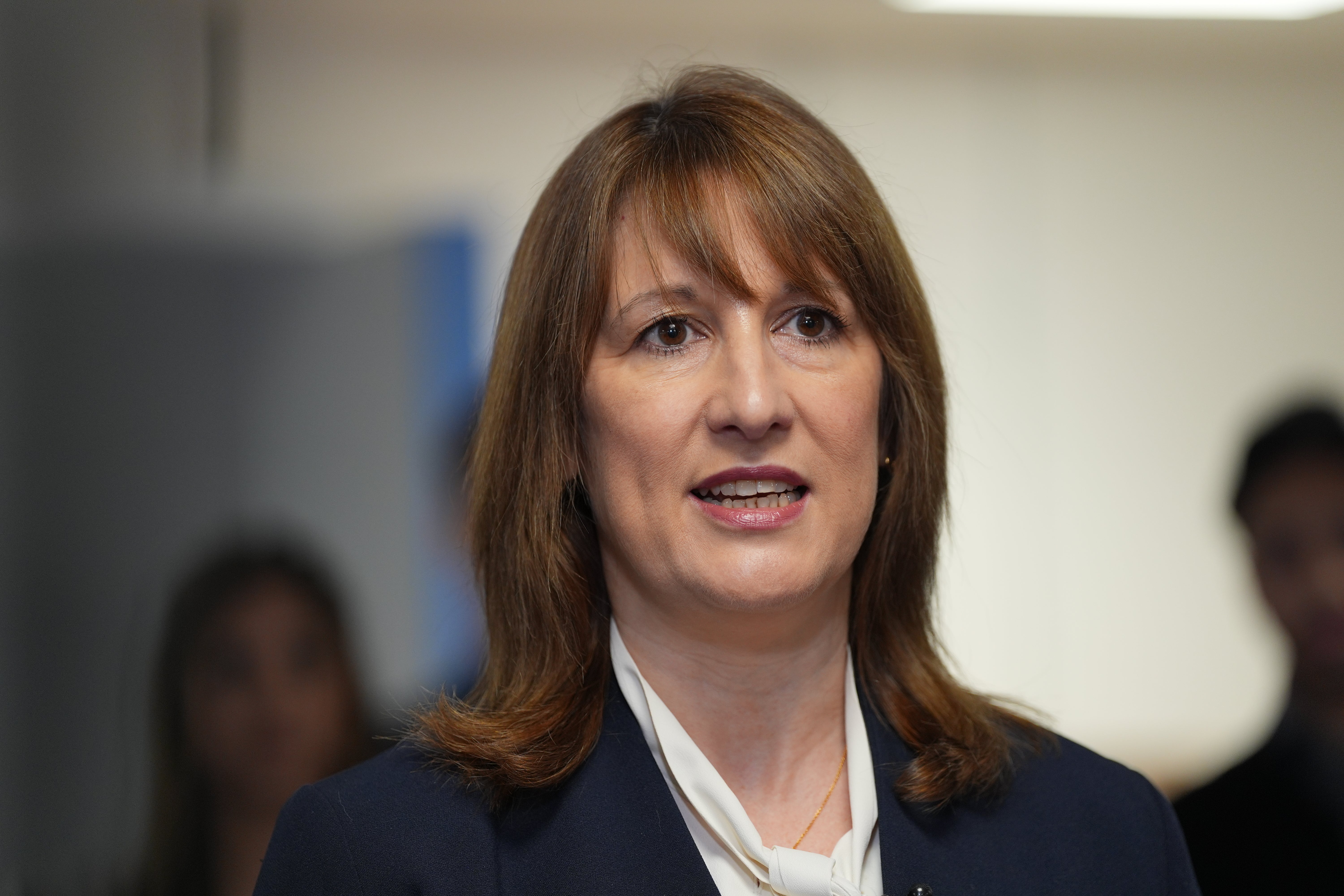
In November, Ms Reeves promised to cut £150 from the average household bill from April.
Mr Jarvis said Ofgem had been seeing more signs of “greater engagement and competition”, with households switching suppliers increasing by almost 20 per cent year on year.”
“More households are choosing time-of-use tariffs that offer cheaper off-peak rates, and suppliers are offering a wider range of products, including deals with savings at evenings or weekends,” he said.
“The price cap protects households from overpaying for energy, but it’s a safety net.
“Last year, consumers on fixed deals paid around £115 less than the cap on average, so we’d encourage people to speak to their supplier about the options available and consider whether a different tariff or payment method could help bring their bills down further.”
Speaking before the energy price cap announcement, Which? energy editor Emily Seymour said: “Households can expect a significant cut to their energy bills in April, which will come as a relief to millions of people struggling with cost-of-living pressures.
“The bulk of this change is expected to be applied to your electricity price per unit, so your exact savings will depend on your usage; look out for communications from your energy provider in the coming weeks to see how it will affect your bills.”
This is a breaking story – more to follow