




Jeremy Clarkson has revealed that he has an “aggressive” form of prostate cancer.
The disease was caught at a “really early” stage after a biopsy, the Clarkson’s Farm star said.
In the episodes that dropped overnight into Wednesday, Clarkson said that he expects to undergo surgery within weeks and that he will be “slightly out of action” during recovery.
The announcement has brought renewed attention to the issue of prostate screening.
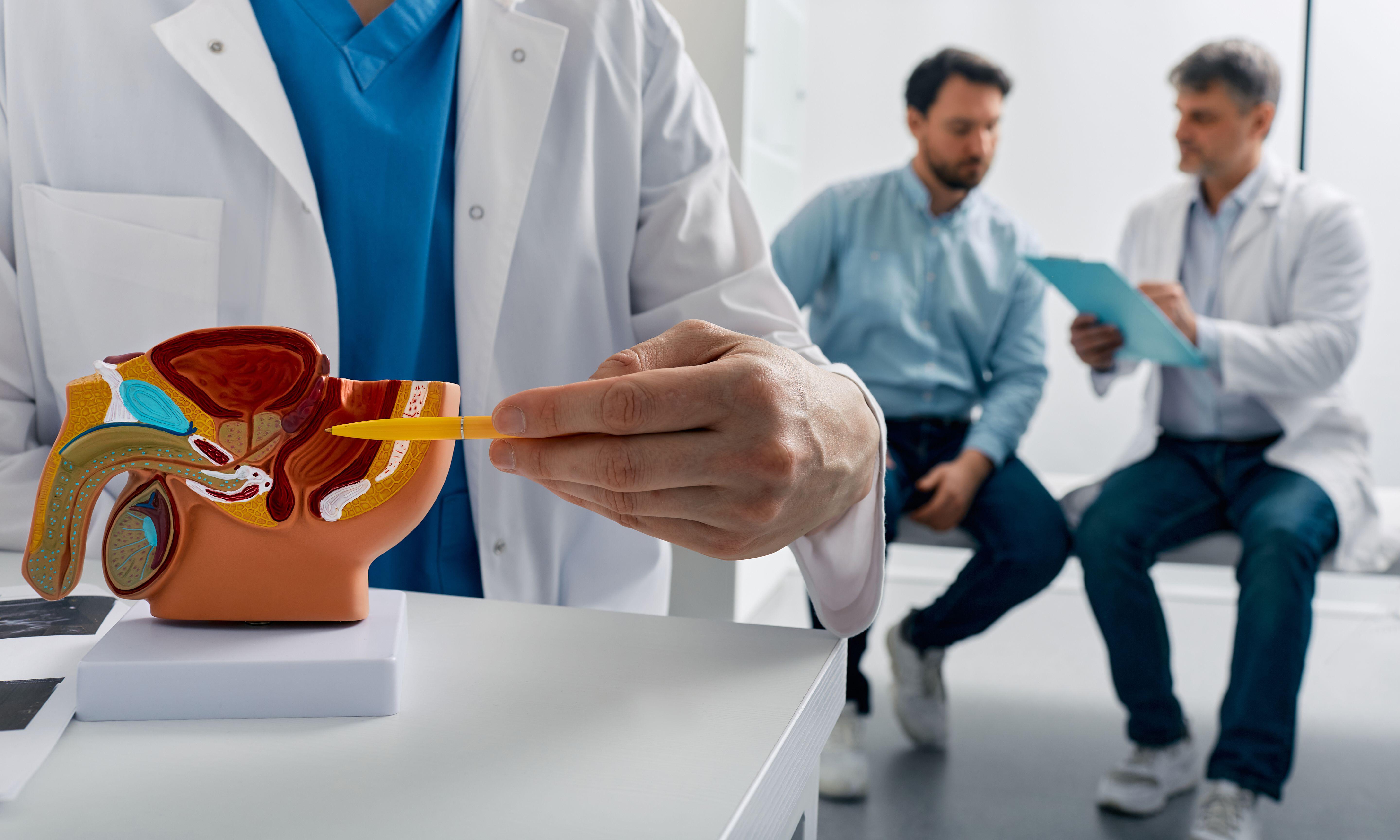
Dr Wissam Abou-Chedid, consultant urological and robotic surgeon at Nuffield Health in Woking, Guildford, and Parkside in London, has revealed what the screening process currently involves.
“As it stands in the UK, there’s no national screening programme for prostate cancer, but any male patient above the age of 50 can go to their GP and ask to have a PSA check, as well as any man above the age of 45 who has a family history of prostate cancer,” says Dr Abou-Chedid.
What factors increase your risk of prostate cancer?
“Race is an important risk factor, as we know that Afro-Caribbean men are at an increased risk,” says Dr Abou-Chedid.
“Prostate cancer affects one in four Afro-Caribbean men in their lifespan, one in eight Caucasian men, and one in 13 Asian men.”
Family history and genes can also play a role.
“Some patients who have genetic mutations, such as the BRCA1 or BRCA2 genes, have an increased risk of developing prostate cancer,” says Dr Abou-Chedid. “Someone whose father, brother, cousin, or uncle has had prostate cancer are also at an increased risk.
“Furthermore, age is also a factor, because as we grow older, the risk of developing prostate cancer increases.”
Prostate cancer mainly affects men over 50, and the most common age for men to be diagnosed with prostate cancer is between 70 and 74, according to Prostate Cancer UK’s website.
There are around 57,900 new prostate cancer cases in the UK every year, or around 160 every day, according to Cancer Research UK.
What is involved in the initial GP consultation about prostate screening?
“When you see a GP and tell them that you’re worried about prostate cancer, they’re going to ask you a few questions,” says Dr Abou-Chedid.
“Firstly, they will ask about your risk factors – so they will look at your age, race and ask you about your family history – and then they will talk to you about the PSA test.
“They should explain the pros and cons of it to help you decide whether it’s something you want to have or not.
“For example, a pro of the PSA test is that it can lead to early detection of prostate cancer, and a con is that it can sometimes lead to anxiety or overdiagnosis, which means detecting a prostate cancer that is insignificant and that wouldn’t have required any treatment.”
What is a PSA test?
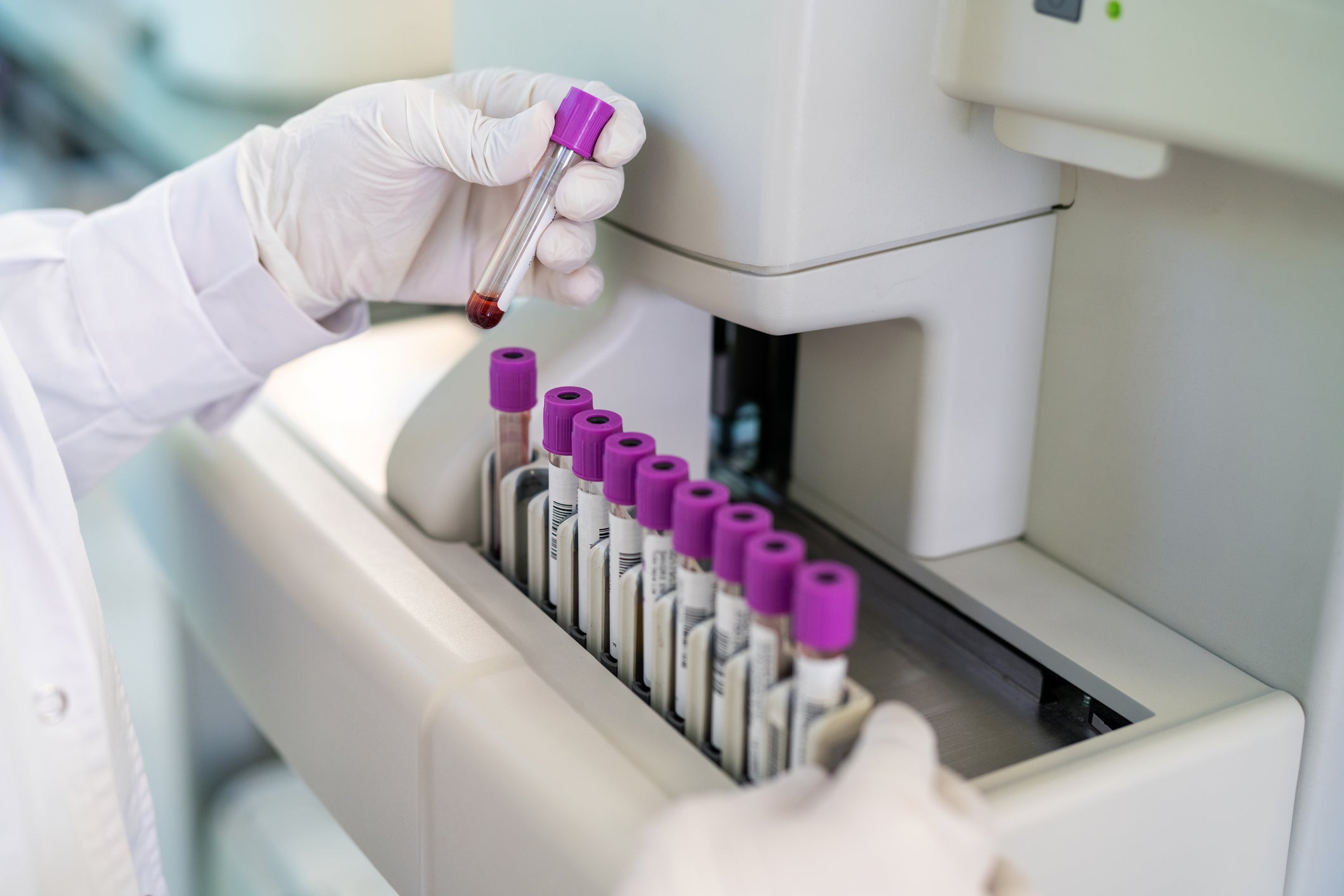
A PSA test checks the level of prostate-specific antigen (PSA) in your blood and is usually done at your local hospital or GP surgery by a nurse or other healthcare professional.
“PSA is a protein secreted by the prostate that can be elevated if there is prostate cancer,” explains Dr Abou-Chedid.
“The result should give us an idea about what to do next and what further investigations might be needed.”
Is there anything you have to do to prepare for a PSA test?
“PSA is not a tumour marker, so it can be elevated due to a number of things, such as ejaculation,” says Dr Abou-Chedid.
“So, if you ejaculate within 48 hours of the test, it can artificially bring the PSA up by up to 20 per cent, so it’s important to abstain from ejaculating within 48 hours.
“Activities such as horse riding or cycling for long periods of time before having the test can also artificially increase the PSA. So, anything that causes stress in the pelvic area can lead to an increase in the PSA artificially.
“A urinary tract infection (UTI) can cause a temporary rise in PSA levels.”
Do you have to wait until you have symptoms to have a PSA test?
“Prostate cancer at the very early stages up to the late stages is completely asymptomatic, so you don’t need to have symptoms to request a PSA test,” says Dr Abou-Chedid.
“Generally, when you do get symptoms such as bone pain, that usually means the prostate cancer has already spread into your bones.”
What happens after you have had the PSA blood test?
“If your PSA levels come back elevated, then the first step is to do another PSA test after a few weeks,” says Dr Abou-Chedid.
“If the second test is also higher than it should be, then your GP will refer you to your local NHS Trust, which is where you will be offered an MRI scan.
“The MRI scan allows us to know whether there are any areas in the prostate with suspicion of prostate cancer. If such areas are detected, that’s when we offer patients biopsies.
“Once you’ve had the biopsy, we’ll have the results within seven to 10 days, and will be able to discuss with you whether the cancer that was found is actually a high-risk cancer requiring treatment, or a low-risk cancer which we can keep an eye on with what is called an active surveillance pathway, which involves repeat PSA checks and MRIs and no active treatment.”
Is a digital rectal examination always necessary?
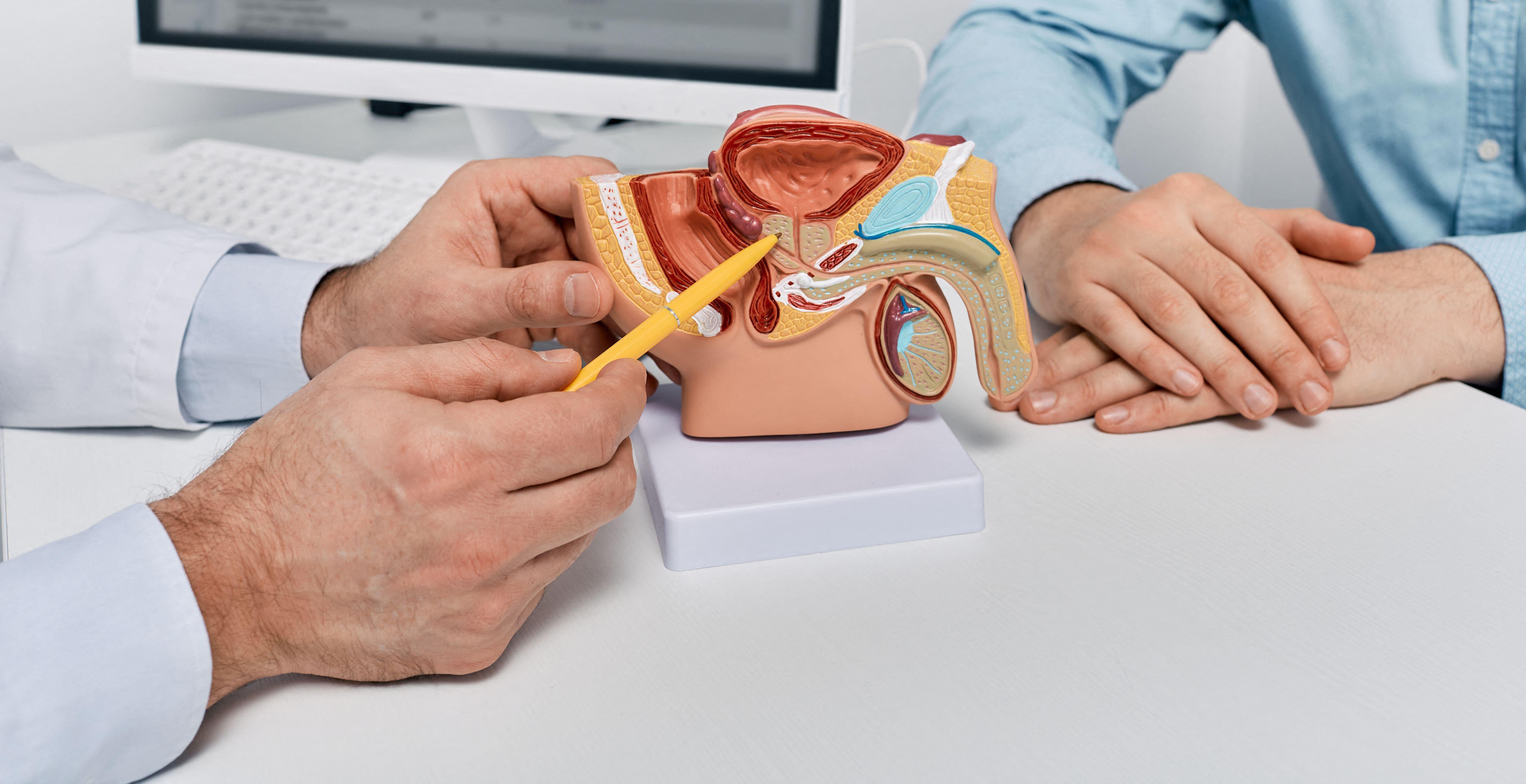
“There is a subset of prostate cancer where patients have a normal PSA, but there is prostate cancer that is detected during DRE, digital rectal examination,” says Dr Abou-Chedid.
However, the most recent recommendation from the British Association of Urological Surgeons (BAUS) advised GPs not to perform digital rectal exams.
“One of the reasons why we’re trying to move away from this is because a lot of patients have said that they don’t go to see their GPs about prostate cancer because they’ve been told about this harrowing experience of having a finger inserted up the bum, so don’t ask for a PSA because they don’t want to go through that experience,” says Dr Abou-Chedid.
“That’s why we’re trying to push GPs to not necessarily do that finger test unless they have a high suspicion of prostate cancer. Instead, we recommend just doing the PSA check and then referring the patient to us, and then we will decide whether to do the finger exam or not.”
