



Leading medical experts are calling for heart patients to be explicitly advised to prioritise home cooking and significantly reduce their consumption of ultra-processed foods (UPFs).
A team of European heart specialists, in a new consensus statement, also recommended that patients adopt healthier eating habits such as eating more slowly and avoiding late-night meals. They underscored that UPFs “have become a significant public health concern,” linking them to an increased risk of obesity, type 2 diabetes, and high blood pressure.
The European Society of Cardiology (ESC) clinical consensus statement specifically cites studies that have highlighted how the consumption of UPFs is “associated with increased cardiovascular risk, often independent of overall diet quality”.
But the authors acknowledge that UPFs are “unrecognised” in current dietary advice given in heart clinics as they offered tips on how medics can help patients.
“Current dietary counselling in clinical practice tends to overlook the potential adverse impact of UPFs, with patients not receiving comprehensive nutritional guidance,” the new consensus statement says.
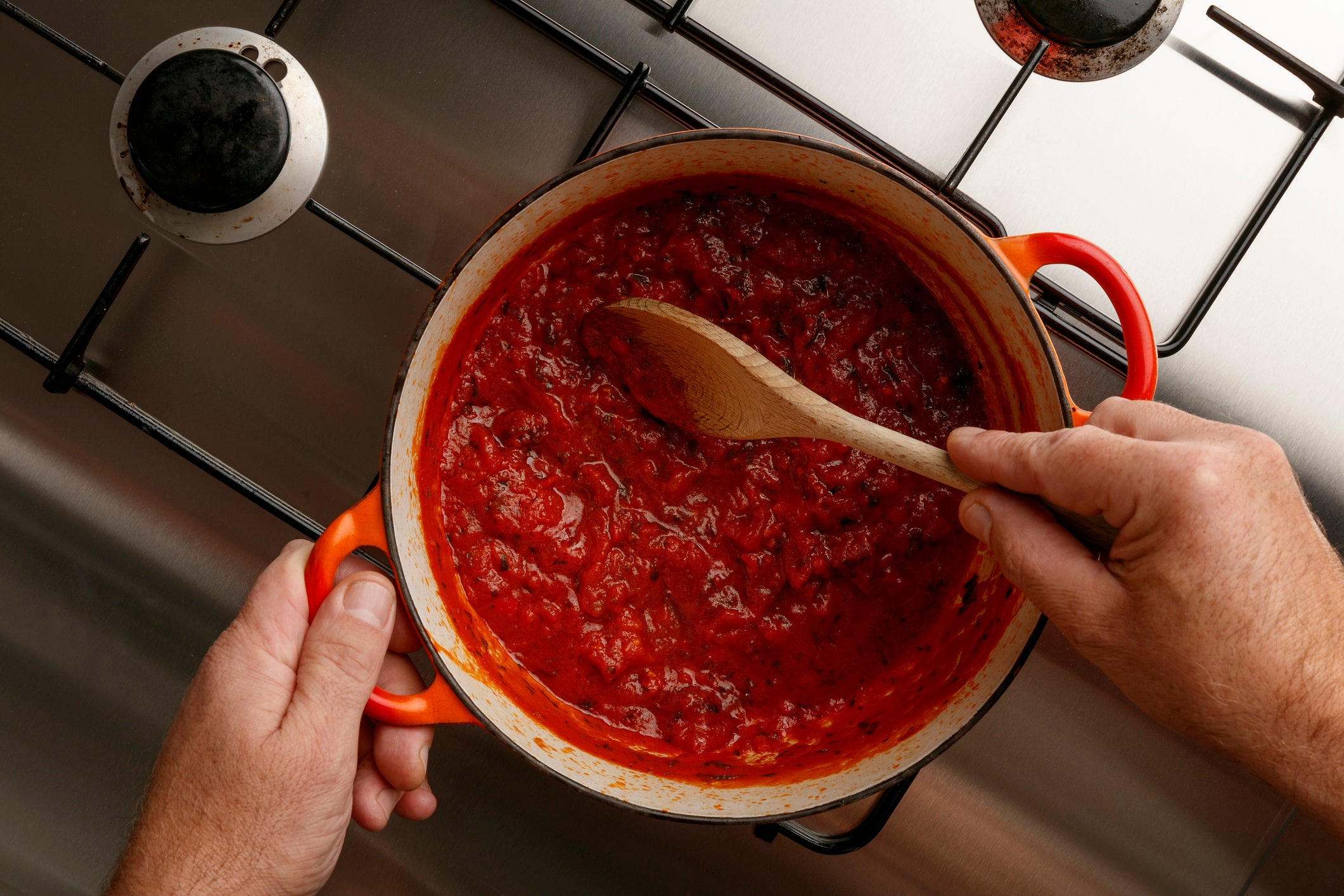
It offers some advice for medics including encouraging patients to cook more at home to avoid UPFs, eating slower and avoiding late eating.
“Cardiologists can encourage patients to cook at home more frequently by asking about current cooking habits and providing simple meal-planning resources or referrals to nutrition services,” the guidance states.
It adds: “Advise patients to prefer high-fibre, minimally processed foods and practice slower, mindful eating to enhance satiety and reduce overeating of UPFs.”
The statement, published in the European Heart Journal, goes on: “Discuss with patients the potential benefits of avoiding late eating and establishing regular meal patterns to support overall diet quality and reduce UPF intake.”
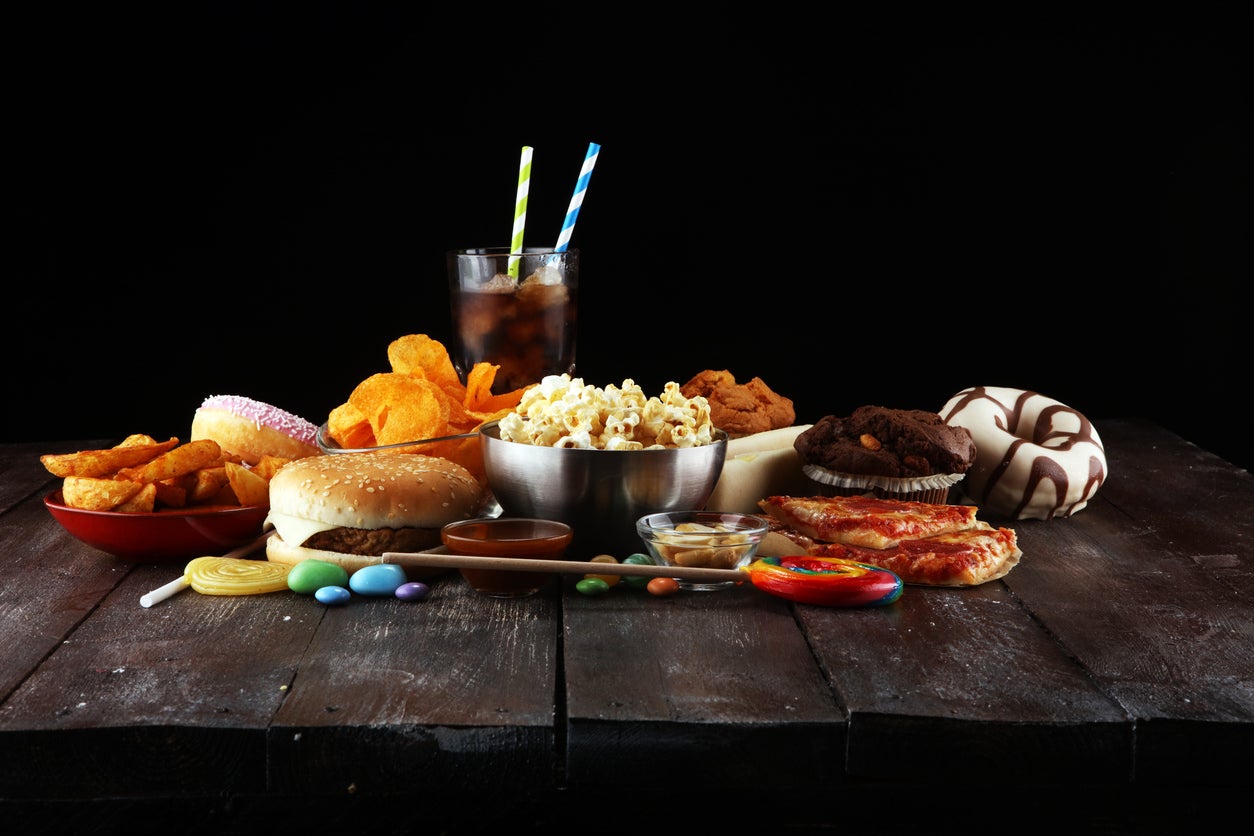
It also says doctors should focus on advising patients against specific UPFs including sugary drinks, packaged snacks and processed meats.
One of the lead authors of the paper, Professor Luigina Guasti from the University of Insubria in Italy, said: “UPFs, made from industrial ingredients and additives, have largely replaced traditional diets.
“Research suggests these foods are linked to several risk factors for cardiovascular disease, such as obesity, diabetes and high blood pressure, and to the risk of developing and dying from heart disease.
“However, this evidence has not yet made its way into the advice we give to patients on healthy eating.
“We hope that this consensus statement from the European Society of Cardiology will help doctors recognise UPFs as a potential risk factor and provide clear guidance to their patients on limiting UPFs to prevent cardiovascular risk factors, disease and death.”
Commenting, Tracy Parker, senior dietician at the British Heart Foundation (BHF), said: “This consensus statement reinforces the substantial body of evidence that shows diets high in ultra processed foods are associated with an increased risk of heart and circulatory diseases.
“While most of the current research is observational, the consistency of findings across many studies strengthens our understanding of the link between UPF consumption and cardiovascular risk.
“To reduce this risk, we need to support people to cut down on UPFs as part of improving overall diet quality.
“A good place to start is cutting back on foods like cakes, biscuits and ready made snacks, and cooking more meals from scratch – steps we already know can help improve diet quality and support better heart health.
“But individual action can only go so far. We need an environment that makes the healthier choice the easier choice.
“That means using Government policies, like the Healthy Food Standard announced last year, to improve access to products that are less processed and lower in salt and sugar.”