

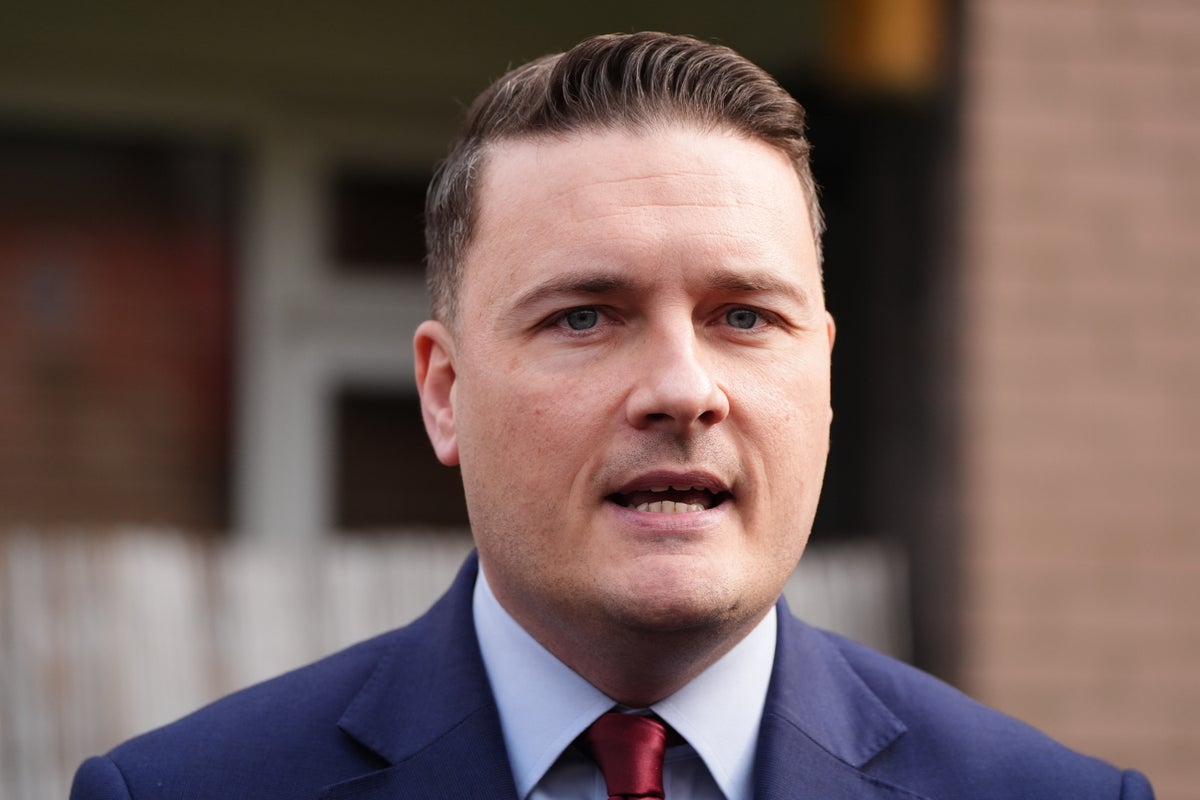
Health Secretary Wes Streeting has said he could not solve all the problems faced by striking doctors within his first two years in the job, and hit out at the medics’ union for “pretending” he could.
Mr Streeting revealed on Sunday that he has written to the British Medical Association, asking to meet the entire Resident Doctors Committee, some of whom he described as “quite hard-lined”, rather than just its two chairs, who have led the negotiations so far.
In his letter to the RDC sent on Sunday, Mr Streeting said: “The deal is not everything you want, but it is what the country can afford. I do not pretend to have solved all the problems facing your profession after fourteen years of mismanagement under the previous government in less than two years as the Secretary of State for Health and Social Care.
“In return, I am asking you to stop pretending that this government can sort out everything for everyone everywhere all at once.”
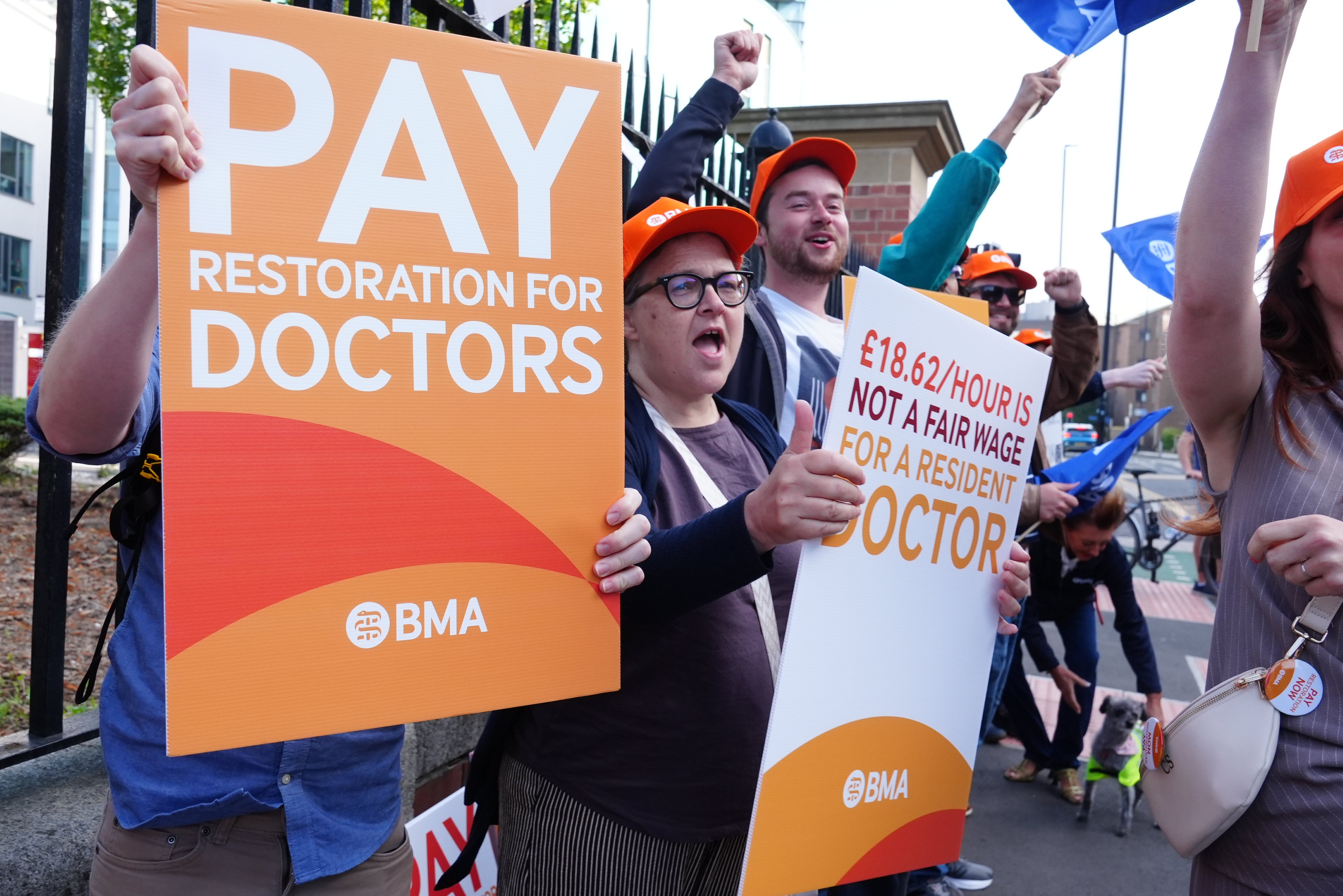
Resident doctors launched six days of strike action this week on Tuesday after rejecting a deal from the government last week.
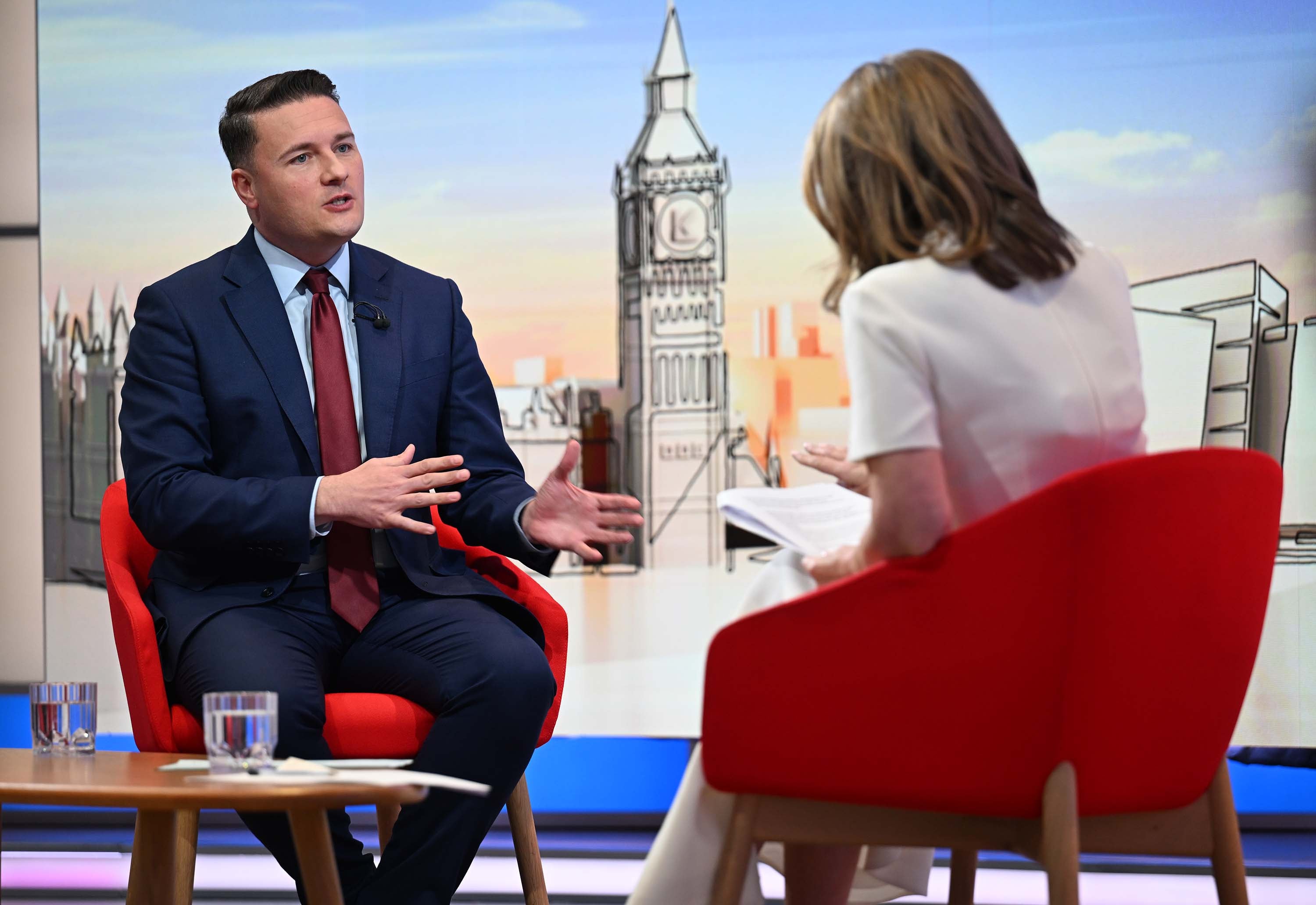
Speaking on Sky News on Sunday, the health secretary said he was “furious with the BMA” over the six-day strike launched this week. He called the reason for their strike this week “absurd”, describing their behaviour as “unreasonable.”
Later, he told the BBC One: “We’ve gone as far as we can, I’m not going to shut the door to the BMA, I’m not pretending I can solve all of their problems in two years, the BMA have to stop pretending that I can.
“There has to be some give and take…the BMA resident doctors have gone well out of the government, they need to recognise that.”
Mr Streeting’s request to meet the BMA resident doctors’ committee comes after one of the chairs, Dr Jack Fletcher, claimed the minister unexpectedly changed the terms of the pay deal being negotiated, which Dr Fletcher said triggered strike action this week.
Referring to his letter, Mr Streeting told the BBC, “I don’t just want to meet with the chairs, although I will, I want to speak with the whole committee, those are the people that rejected the deal on the table, and those are the people who have point-blank refused to meet over the last two years.
“They are so far the only people who have refused to meet me over the last two years, and given those are the people calling the shots, I think it’s time for me to speak with the organ grinders.”
The letter sent from Mr Streeting to the Resident Doctors Committee on Sunday said: “I will not try and hide my disappointment and frustration about your latest rush to strike action. Deliberately timed after the Easter holidays to cause the most inconvenience to your colleagues and maximum disruption to the NHS, it was both unnecessary and unreasonable….”
Mr Streeting said it was “disheartening to see those same officers now publicly criticise the deal they agreed to and entirely misrepresent the Government’s actions.”
“As a result, I think it is time for you to accept my much-repeated invitation to meet the full BMA Resident Doctors Committee to discuss the deal you rejected without offering a counterproposal and refused to put to your members,” he added.
The letter said that while most of the prior deal remained on the table, the financial and operational impact of this week’s strikes means trusts cannot afford to implement the promise of 1,000 extra training places this year, which had formed part of the rejected deal.

“This is not a threat. It is not a punishment. It is not a choice I have made. It is the reality of the operational and financial situation we now find ourselves in, as I and my team were repeatedly clear would be the case to your officers from the outset,” he continued.
“Funds diverted into covering shifts and managing disruption cannot at the same time be invested in creating new training posts.”
The health secretary said he believes the RDC chairs felt the deal addressed concerns and priorities of the doctors, and so he was “surprised and disappointed” by their accusations that the government moved the goal posts at the last minute.
“That is categorically untrue,” he added.
Responding to the health secretary, Jack Fletcher, chair of the BMA’s RDC, said: “We remain open and willing to meet with the Health Secretary and throughout this dispute have negotiated in good faith with a genuine desire to resolve. Several options were discussed in the negotiating room, including one or two-year settlements.
“The proposed heads of terms were shared with us and rejected within hours by us.”
He said the government “at the very last minute” insisted that a three-year deal was the only option, “with reduced investment on what was previously costed.”
Dr Fletcher, the health secretary, and the government negotiations team were repeatedly warned that this offer fell short.”
“We would urge the Health Secretary to recapture the early positive spirit of negotiations and work with us to end these disputes. We remain ready to work constructively and are eager to move forward,” he added.
In his letter, Wes Streeting said the government “was clear from the outset” that it expected the deal to be over three years and that the BMA entered negotiations on this basis.
He quotes terms given to the BMA on 17 February, which said “A multi-year agreement, which is likely to cover the financial years 2026-27, 2027-28 and 2028-29 (including handling of DDRB)…Options to revise the pay structure to improve retention and unlock productivity over the course of the next three years.”
This story was updated with a comment from the BMA at 15:40 on 12 April.
.jpg?trim=0,0,564,0&width=1200&height=800&crop=1200:800 "Madonna review, Confessions II: Her best album in 20 years – UK Times")