

Grenfell bereaved families and survivors will gather this weekend, nine years on from the fatal fire, for what is the final anniversary before the tower block is completely demolished.
It comes after police and prosecutors announced last month that up to 20 companies and 57 individuals could face criminal charges over the blaze.
Decisions will be made on whether any charges will be brought before next year’s 10th anniversary, the Metropolitan Police said.
Potential offences under consideration include corporate gross negligence manslaughter, fraud, health and safety breaches, and misconduct in public office.
Grenfell survivor Edward Daffarn said, while the update was “encouraging”, the continued “wait for justice is tortuous, and it’s an old expression, but justice delayed is justice denied”.
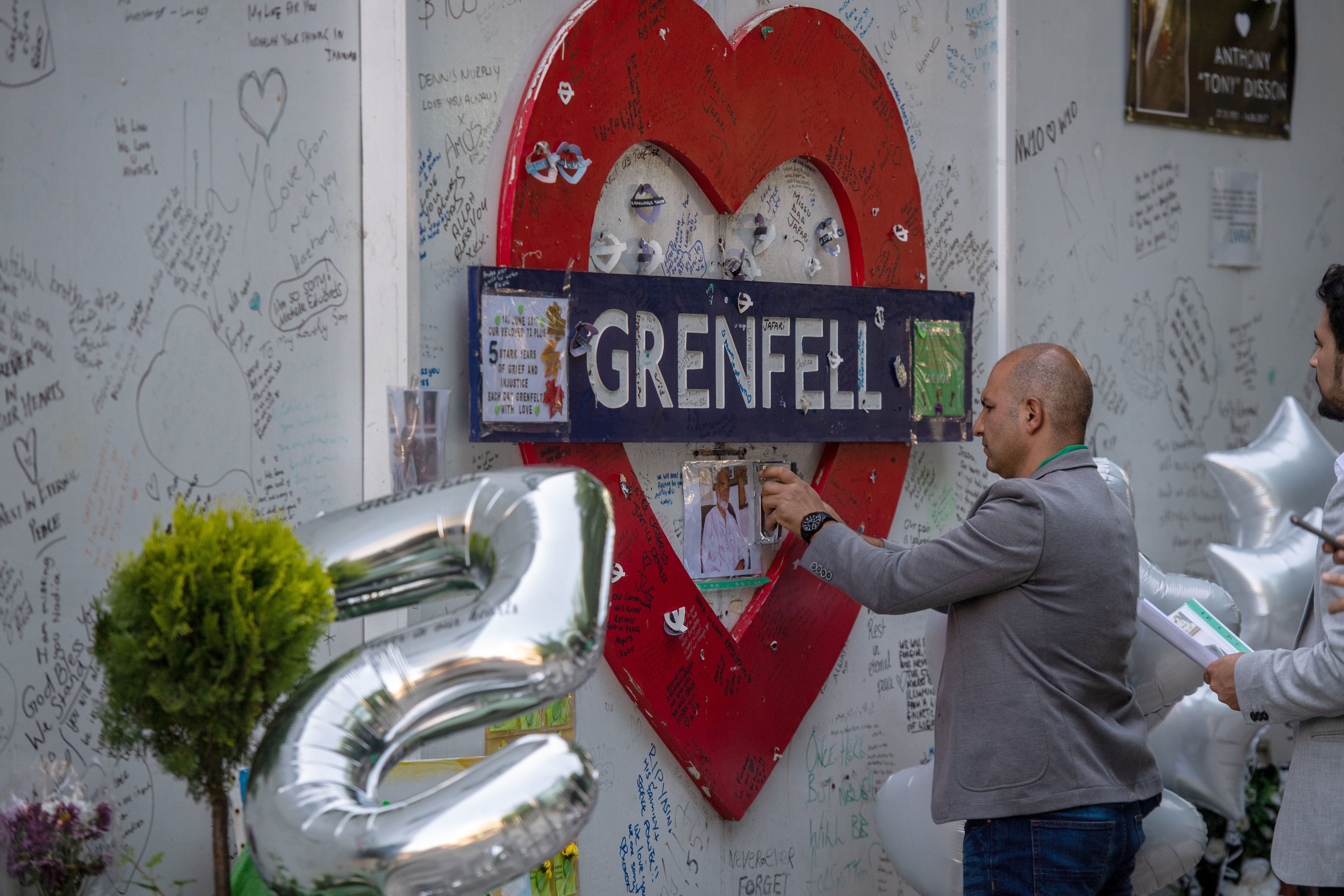
On Sunday evening, the annual silent walk will take place in west London, followed by the reading of the names of the 72 dead, and speeches by campaigners.
The blaze in June 2017 was found by a public inquiry to have been avoidable, having been preceded by “decades of failure” by governments and the building industry to act on the dangers of flammable materials on high-rise buildings.
The inquiry’s final report in 2024 found victims, the bereaved and survivors were “badly failed” through incompetence, dishonesty and greed, with the tower block covered in combustible products because of the “systematic dishonesty” of firms which made and sold the cladding and insulation.
Inquiry chairman Sir Martin Moore-Bick condemned the “deliberate and sustained” manipulation of fire safety testing, misrepresentation of test data and misleading of the market.
Mr Daffarn said it is “absolutely essential” that people and companies are held to account for what happened.
He told the Press Association: “It’s encouraging that we have a timeline now where there is a chance of these criminal prosecutions happening, which is absolutely essential.”
Grenfell United, which represents many of the bereaved and survivors, has asked people to join Sunday’s walk “in solidarity to remember those we lost, and demand justice”, noting that it is “the last anniversary with any part of Grenfell Tower remaining”.
Mr Daffarn told PA: “This is the first year that bereaved and survivors are not going to be able to visit the tower to lay flowers and pay our condolences.
“We don’t know exactly what the site is going to look like (next year on the 10th anniversary), so people are having to find different ways to remember.”
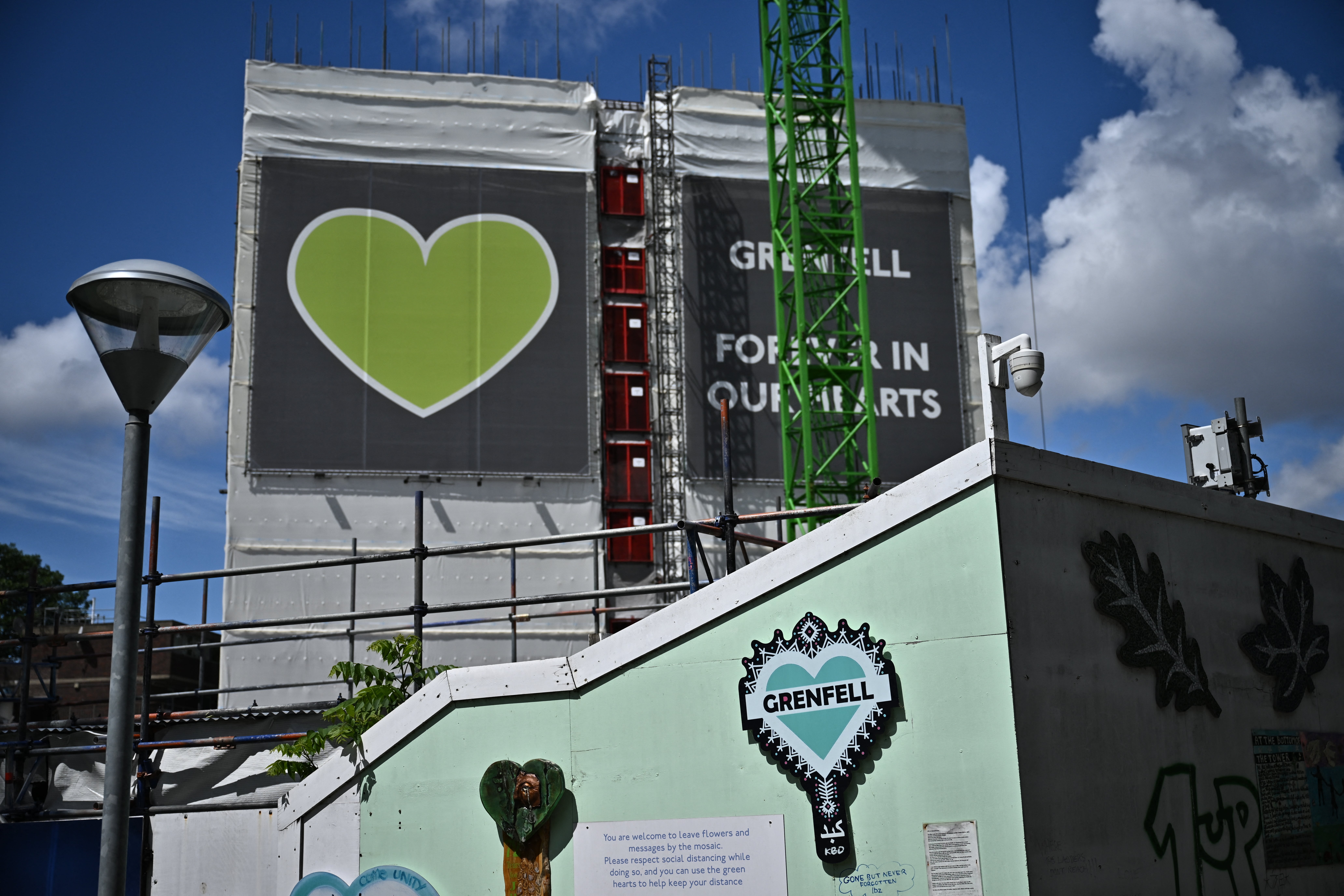
The process of bringing the tower down began in September last year and Government said at that point that it was expected to take around two years to be completed.
News of the Government’s demolition decision last year was met with criticism from some bereaved and survivors who expressed their upset and shock, saying they felt they had not had their views considered before the decision was taken.
Then-housing secretary Angela Rayner later said in an interview that she knew the meeting with those most closely affected was going to be “really difficult” and that there was “not a consensus” among everyone over what should happen to the tower.
Views have varied, with her department acknowledging there had been hopes among some people for some of the tower to remain in place as a memorial to what happened while others had reported this would be “too painful”.
The Ministry of Housing, Communities and Local Government confirmed that “as a mark of respect” work at the tower will pause from Friday until Tuesday.
Separately, the Grenfell Tower Memorial Commission has been consulting on plans for a permanent memorial in the area of the tower, with recommendations including a “sacred space”, designed to be a “peaceful place for remembering and reflecting”.
Design team Freehaus was chosen last year to create a memorial and is working with bereaved and survivor families as well as the local community to produce a final design which is expected to be announced in mid-2027.