




Greenlandic candidates vying for two seats in Denmark’s upcoming election are capitalising on the unprecedented global attention brought to their island by Donald Trump, hoping to secure significant concessions from their former colonial power.
Mr Trump’s stated ambitions for the United States to acquire Greenland have sharply focused international scrutiny on the Arctic island, home to 57,000 people.
This spotlight has, in turn, exposed long-standing concerns regarding the level of Danish investment in defence, infrastructure, and economic development within the self-governing territory.
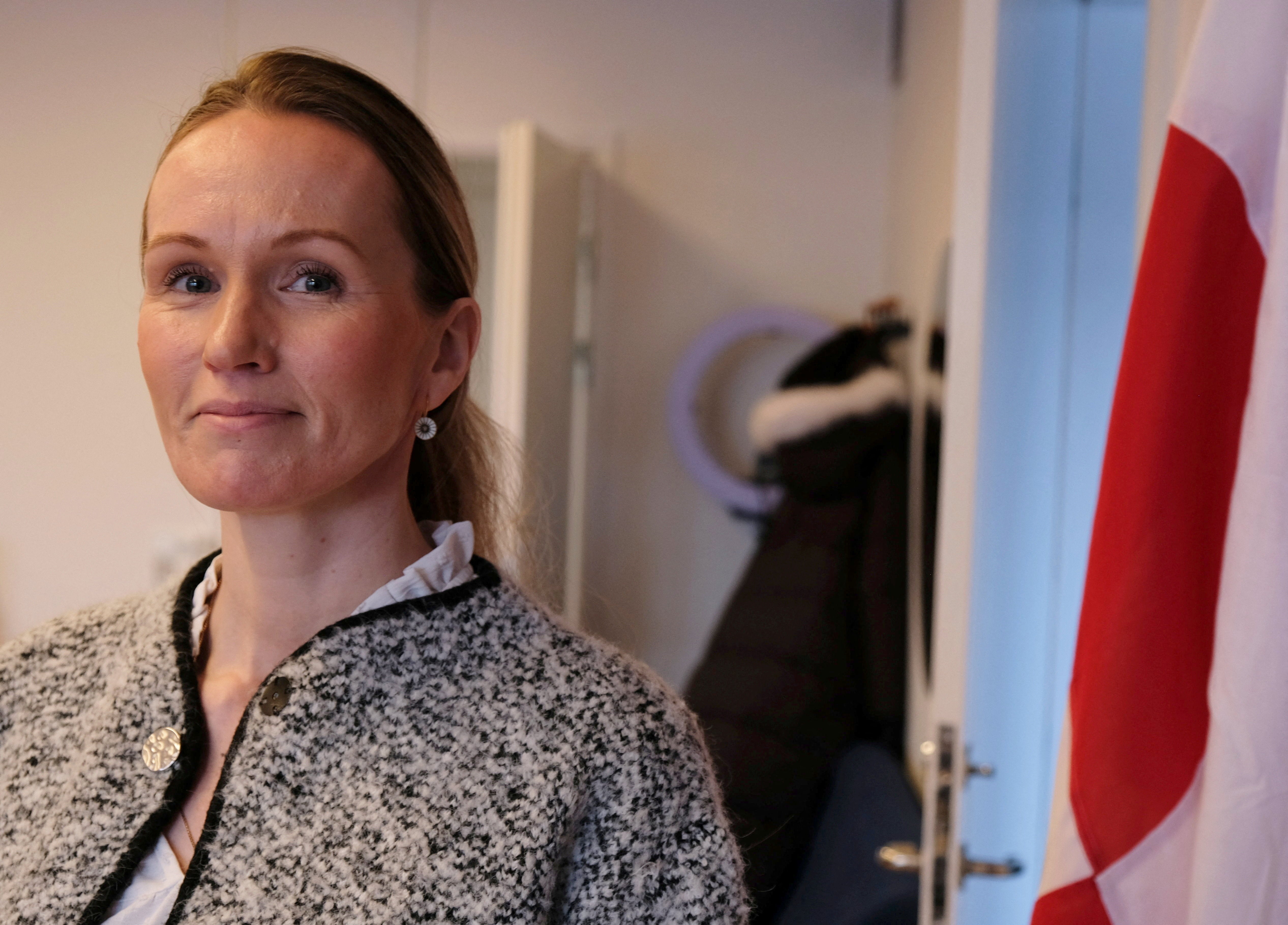
Juno Berthelsen, 43, a candidate for the opposition and pro-independence Naleraq party, articulated the core sentiment: “The most important thing for us in this election is the sovereignty of the Greenlandic people.”
She added, “The Greenlandic people… should always be at the centre of any conversation about Greenland.”
Naleraq, which translates to “point of orientation” in the local Kalaallisut language, is fielding five candidates, including Ms Berthelsen, to contest the two seats representing Greenland in the Danish national assembly.
While many Greenlanders consider Naleraq’s calls for a swift separation from Copenhagen to be premature or misguided, some now view Mr Trump’s demands for greater control as a potent form of leverage to press Denmark on historical grievances.
With major powers now openly competing for influence in the region and melting ice opening up new shipping routes and natural resources, Greenland’s strategic importance is clear and Copenhagen finds itself having to prove its worth as a partner rather than assume it.
Any perception of neglect could bolster Trump’s case for intervention.
Many Greenlanders accuse Denmark of unfairly benefiting from their fishing industry, holding back economic independence and failing to protect the more than 17,000 Greenlanders living in Denmark from discrimination.
Anna Wangenheim, Greenland’s health minister and a candidate for Demokraatit, the party of Greenland’s Prime Minister Jens-Frederik Nielsen, said Trump’s pressure had forced an overdue reckoning.
“The fact that we are in the eye of the hurricane in the Arctic means that we have a very great opportunity to have much greater influence than we have had before.”
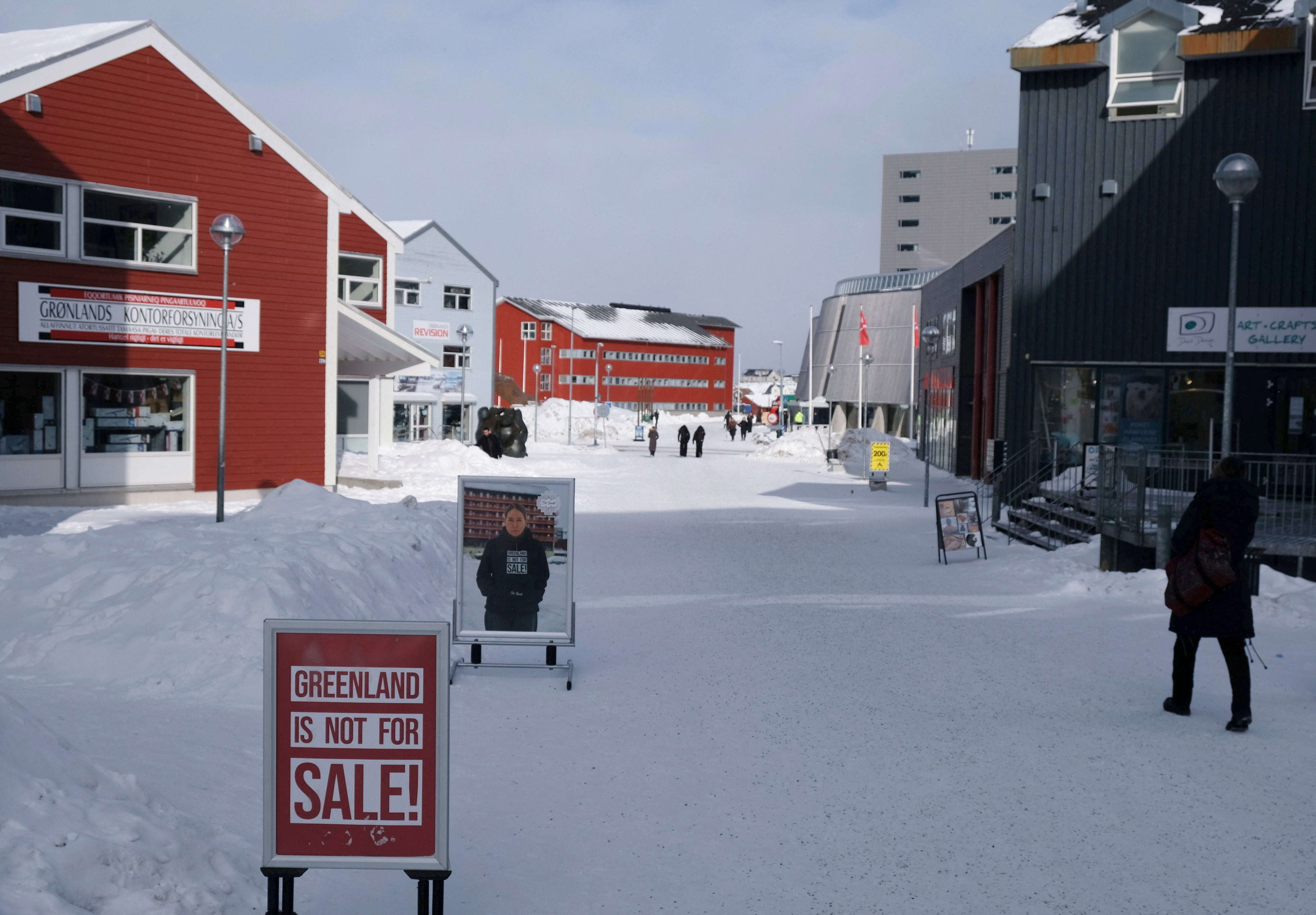
For Aage Josefsen, a 55-year-old bus driver in the capital Nuuk, the election comes down to a simple question: who actually speaks for Greenland? “The Greenlandic government should have more say in meetings, instead of Denmark just speaking on Greenland’s behalf,” he said.
Policy proposals put forward by Greenlandic candidates ahead of the election include creating a coastal surveillance force drawn from local fishermen and hunters, restructuring the fishing economy to retain more value within Greenland and ensuring that Danes learn more about the island in school.
Mette Frederiksen, the left-leaning prime minister of Denmark, faces a tight race despite a boost from her defiant stance against US pressure over Greenland, with many Danes frustrated over rising living costs and welfare pressures.
Some analysts say Frederiksen will struggle to carve out a majority in the next parliament, the Folketing, and any small-grouping votes, including those of Greenlandic lawmakers, might be crucial to her ability to retain power.
Among other demands candidates are bringing to Copenhagen is a renegotiation of the 1951 defence agreement between Denmark and the US, which excluded Greenland’s input.
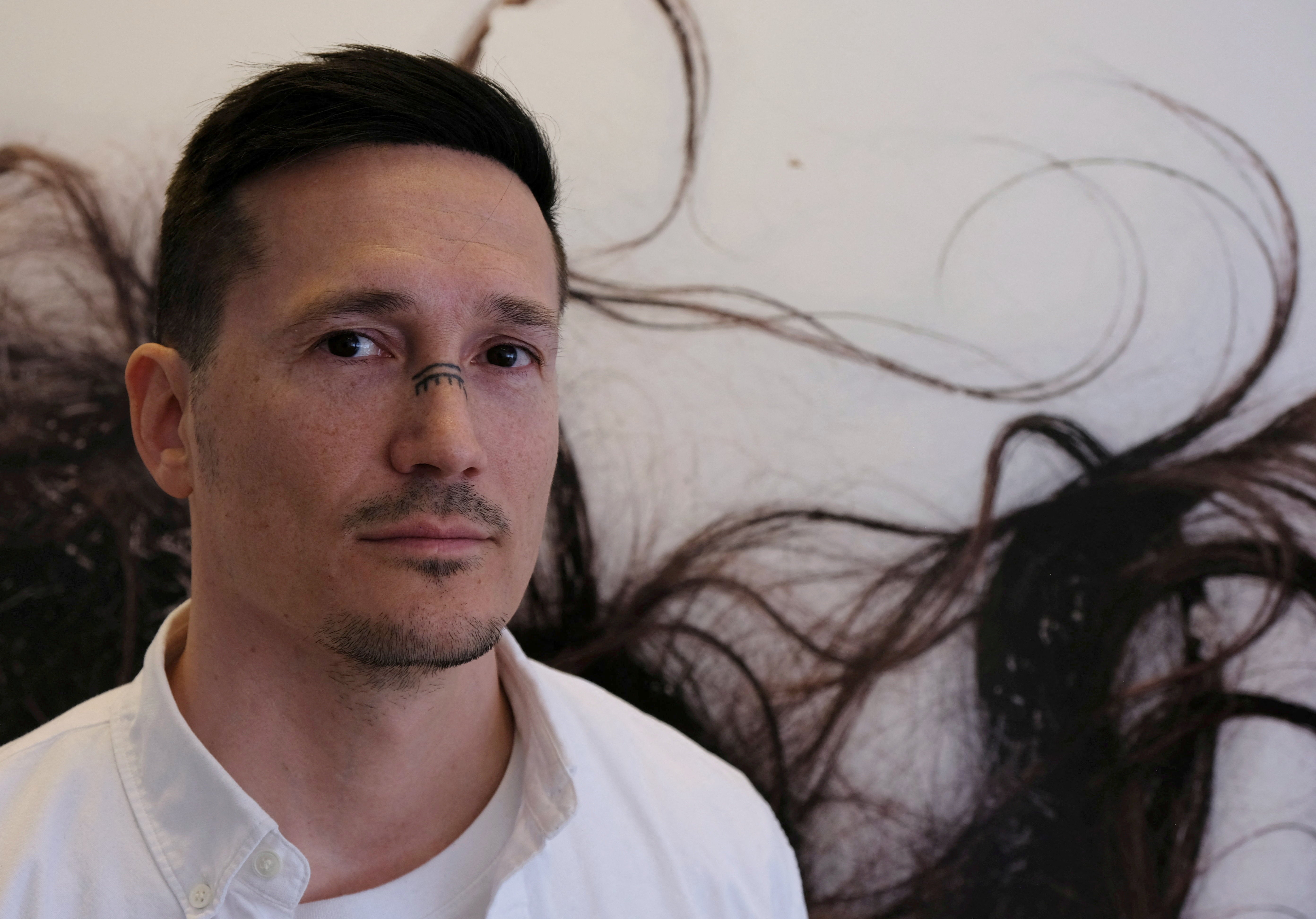
“It must be something that Greenland can also see itself reflected in, a defence agreement about our land,” said Ane Lone Bagger, representing the Siumut party.
She added that Trump’s pressure had already shifted Danish attitudes. “Suddenly there are apologies and this and that,” she said.
Last year, Denmark apologised to thousands of Greenlandic women subjected to involuntary birth control practices between the 1960s and 1991.
That shift in tone from Copenhagen has been embodied by Frederiksen, who has positioned herself as Greenland’s staunchest defender, travelling repeatedly to the island and rallying European leaders against US pressure.
She has also been explicit that Greenland’s future is for Greenlanders alone to decide.
But for many islanders, the geopolitical noise risks drowning out the reality of daily life.
For Inuujuk Louis Petersen, a 24-year-old taxi driver running for Demokraatit in Nuuk as a candidate in the Danish election, the stakes are personal as much as political.
Greenland has never asked to be at the centre of a superpower rivalry, he said. “It is of course at the expense of the life we have always been used to,” he said. “And that was peace and quiet.”

