

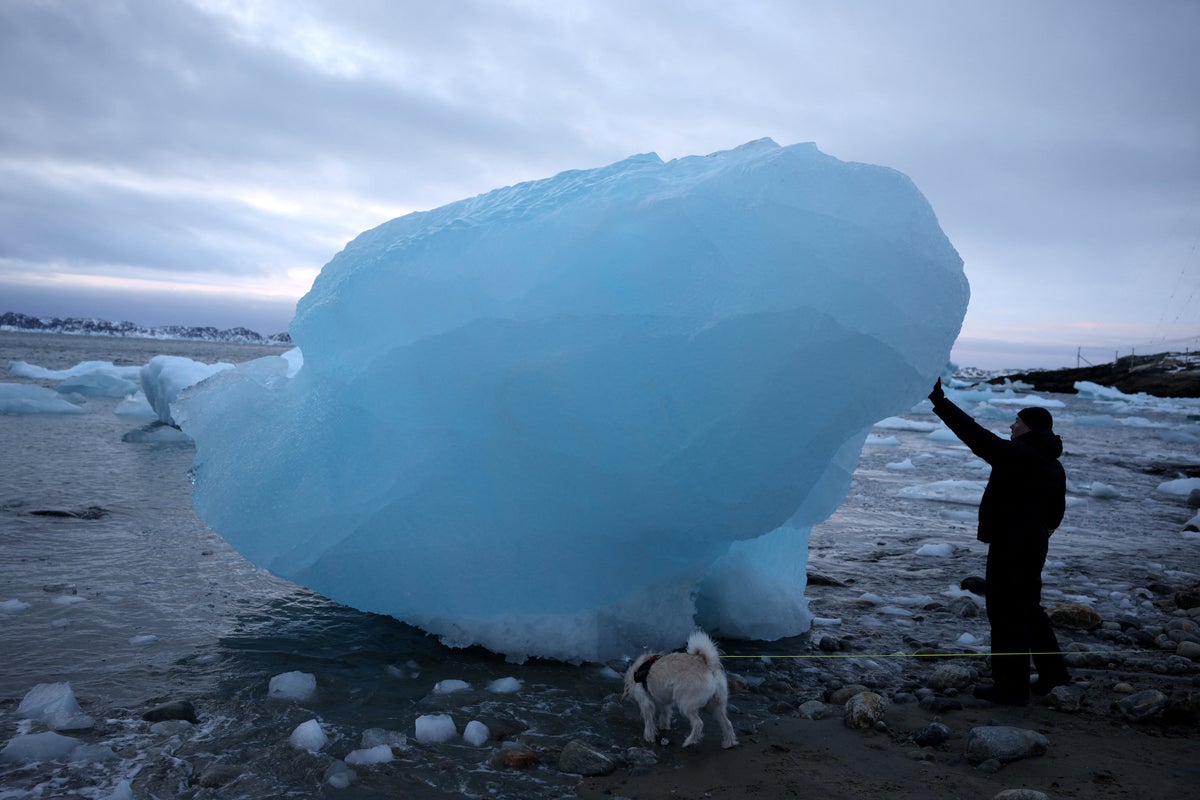
Greenland, the Arctic island once coveted by Donald Trump, has recorded its warmest January on record, with temperatures rising at a rate four times faster than the global average.
This rapid warming is already reshaping the future for vital sectors, from fishing to mining.
Preliminary readings from the Danish Meteorological Institute in Nuuk, the capital, averaged +0.2C (32.4F) in January, significantly above the historical average of -7.7C between 1991 and 2020.
Jacob Hoyer, head of the National Centre for Climate Research, stated: “Climate change is already clearly visible on Greenland.
“From the records we can see that it is warming four times faster than the mean temperature hike in the world.”
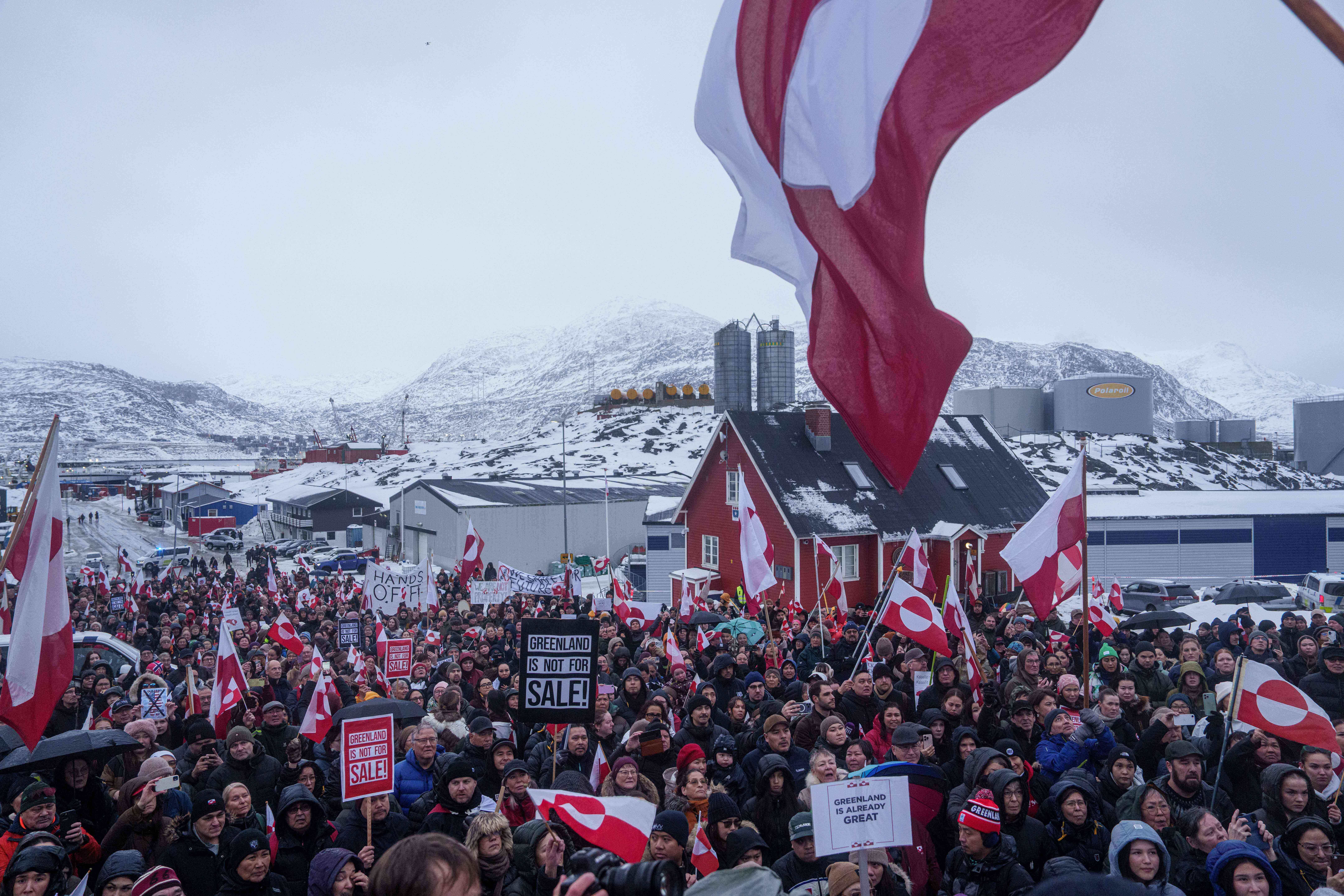
Trump had previously asserted the US must own the autonomous Danish territory for security reasons, though he has since backed away from threats to acquire it by force.
The warm weather means sea ice extends less far south along the coast each winter and is thinner even where it does exist, making it difficult to use for transport, according to Hoyer.
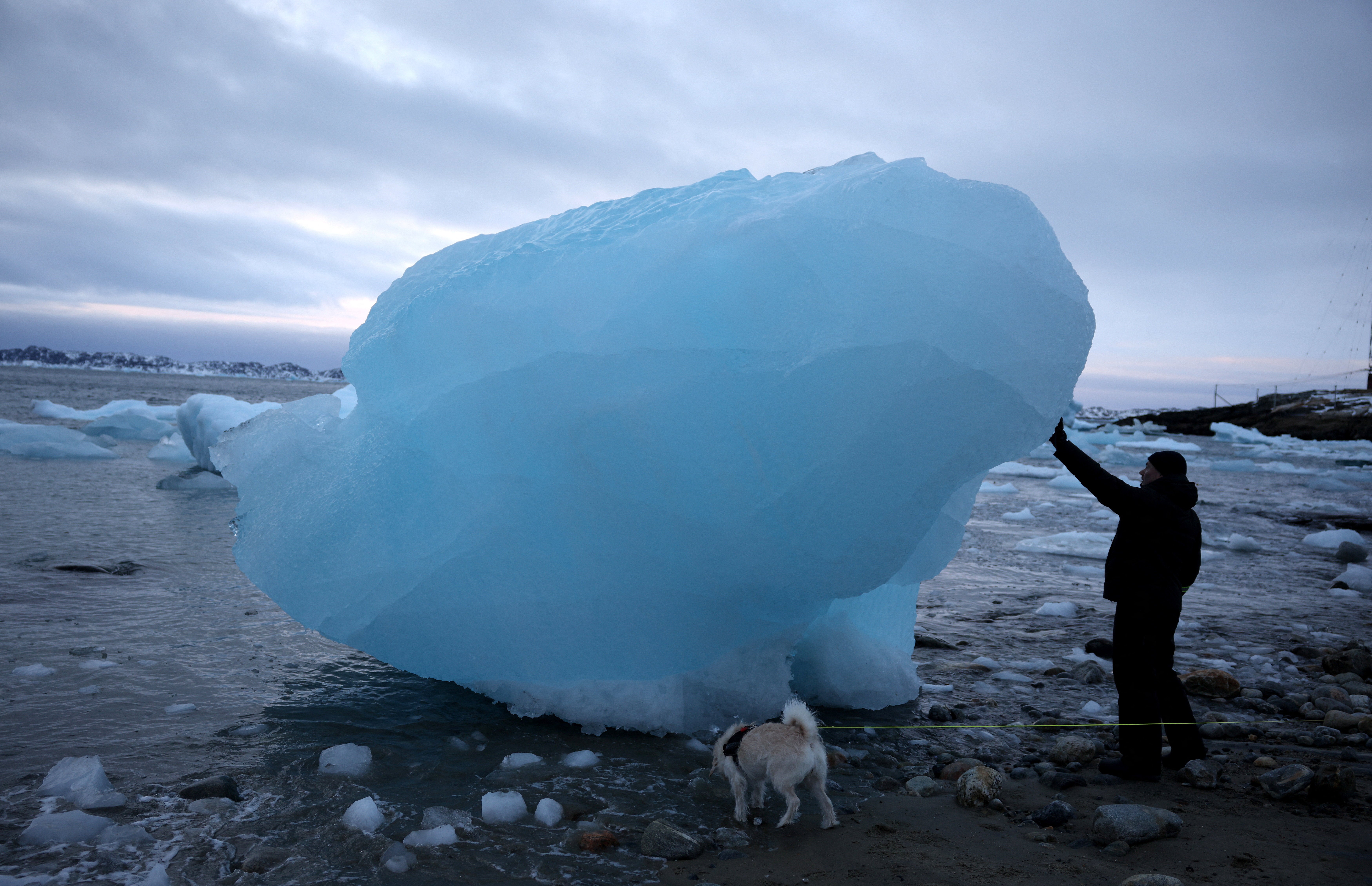
It can also affect the mainstay of Greenland’s economy – fishing. Catches of mainly shrimp, halibut and cod are the biggest export and accounted for 23 per cent of gross domestic product in 2023, according to Statistics Greenland, while the industry provides 15 per cent of all jobs.
“The waters around Greenland are also warming up, and that can change the ecosystem and the fishery business. It will most likely have an impact,” said Hoyer, adding it was too early to tell exactly how.
While Trump has chiefly highlighted security concerns, Greenland also holds strategic mineral resources that could play a part in the power struggle for the island.
A Danish survey published in 2023 showed 25 of the 34 minerals deemed “critical raw materials” by the European Commission were found there.
Red tape surrounding mining concessions, harsh conditions and opposition from indigenous groups have historically made mining expensive. The flip side of the warming climate could be that such ventures become more profitable as extraction and shipping become less costly, Hoyer said.
Still, businesses in many established sectors face uncertainty in the here and now. Casper Moller, owner of a company providing tours for tourists, says the lack of snow and ice makes these difficult by snowmobile or skis.
“So, what we are doing at this moment is just crossing our fingers that we will reach more snow quite soon,” he said.