

There is a generation of gay people who transformed modern medicine, and almost nobody knows it.
In 1981, when Aids emerged with no name and no treatment, governments hesitated, and many families rejected their sons. A generation of gay people watched their friends die in numbers that should have created a national emergency. In many countries, it produced silence. What those men did in response to that silence is one of the least-acknowledged stories in modern medicine. They built much of the healthcare infrastructure the world now takes for granted.
I am writing this because that legacy is now at risk. The threat isn’t the virus. It’s politics.
For most of the 20th century, if you were a patient, you did what you were told. Clinical trials were designed by scientists, run on scientists’ timelines, and reported in scientists’ language. If you were dying and a drug existed that might help, you would wait.
Aids activists ended that. In October 1988, around 1,500 ACT UP (Aids Coalition to Unleash Power) members descended on the US Food and Drug Administration (FDA) headquarters in Maryland. They lay on the ground outside, chained themselves to the doors and didn’t leave until something changed.
They argued that dying patients shouldn’t have to wait for a bureaucracy to catch up. Within months, the FDA had committed to dramatically shortening its drug approval process. The accelerated approval pathway that emerged from that pressure, formally launched in 1992, is now used across oncology, neurology, and rare diseases. It was fought for by people watching their friends die.
The anger was part of it, but so was the knowledge. Because HIV was so new and so poorly understood, patients often knew as much as the doctors, sometimes more. They subscribed to the medical journals. They read every clinical trial. They formed organisations to share what they were finding: phone calls, reading groups, photocopied research passed hand to hand in a time before people could mobilise online.
They turned themselves into experts, demanded access to experimental treatments the system was withholding, insisted on being included in the trials, and sat across the table from scientists to negotiate, together, how they were going to fight this disease. That shift is now considered foundational to good medical practice across every disease area. It did not arrive quietly or by consensus. It was forced into existence by men who were running out of time.
Community-based healthcare came from the same place. When stigma meant that many gay people were scared to walk into a hospital, the response was to go to them: outreach workers, peer educators, harm reduction, and decentralised testing. The idea that people shouldn’t have to hide who they are to get healthcare was radical then. It is now considered basic good practice. It was built by communities the state had abandoned. That’s what makes what’s happening now so hard to watch.
Long-acting Pre-Exposure Prophylaxis (PrEP), including twice-yearly options like Lenacapavir, is one of the most significant advances in HIV prevention in a generation. Self-testing, pharmacy access, discreet digital healthcare: for people living in hostile environments, these are the difference between accessing care and not. The HIV response is one of the most innovative public health ecosystems in the world, built by communities who knew that shame kills people before the virus does. And now governments are cutting it apart.
In 2025, UNAIDS confirmed that the number of countries criminalising same-sex sexual activity and the gender expression of trans and gender diverse people rose for the first time since monitoring began in 2008. In country after country, LGBTQ+ civil society organisations are being defunded, restricted, or closed.
In the United States, the President’s Emergency Plan for Aids Relief (PEPFAR), the programme credited with saving 26 million lives, has seen a 41 per cent reduction in PrEP initiation. Its own data shows 4.7 million fewer people were tested for HIV in 2025 than in 2024. The data that shows which communities are most at risk has been quietly removed from public reporting. When governments stop counting LGBTQ+ people, they make them easier to abandon.
Men who have sex with men are 24 times more likely to acquire HIV than the general population. Criminalisation does not reduce that risk. It drives people away from testing, treatment, and prevention. Stigma delays diagnosis. Late diagnosis means higher transmission and worse outcomes.
We are not losing ground to the virus. We are choosing to lose it. I came of age watching the Aids crisis take people I loved. I have spent much of my adult life trying to make sure it wasn’t lost. What I can’t make sense of is governments pointing to the science while pulling apart everything needed to act on it.
The people who built this did not do it cleanly or with anyone’s permission. That long-acting injectable, the one that could mean someone never has to think about HIV transmission again, exists because activists 40 years ago refused to let the science move at its own pace. The peer outreach worker reaching a young man who would never walk into a clinic is doing work those same people proved was necessary.
That work runs on trust between communities and health workers. It took decades to build, and it doesn’t come back once it’s gone.
The gay community did not simply survive the Aids crisis. They helped build modern public health. That contribution is largely invisible. It happened under conditions of shame, and success has a way of making the struggle that produced it disappear. HIV is less visible today because the response worked. That was not inevitable.
The question now is whether governments will protect what was built, or pull it apart for short-term political capital. It matters well beyond HIV. The community-led models, the accelerated approval pathways, the principle that affected communities must shape the systems intended to serve them: these now run through medicine far wider than Aids.
Equality is not separate from public health. It is public health. If we lose ground now, it will not be because we didn’t know what we were doing. It will be because we chose not to.
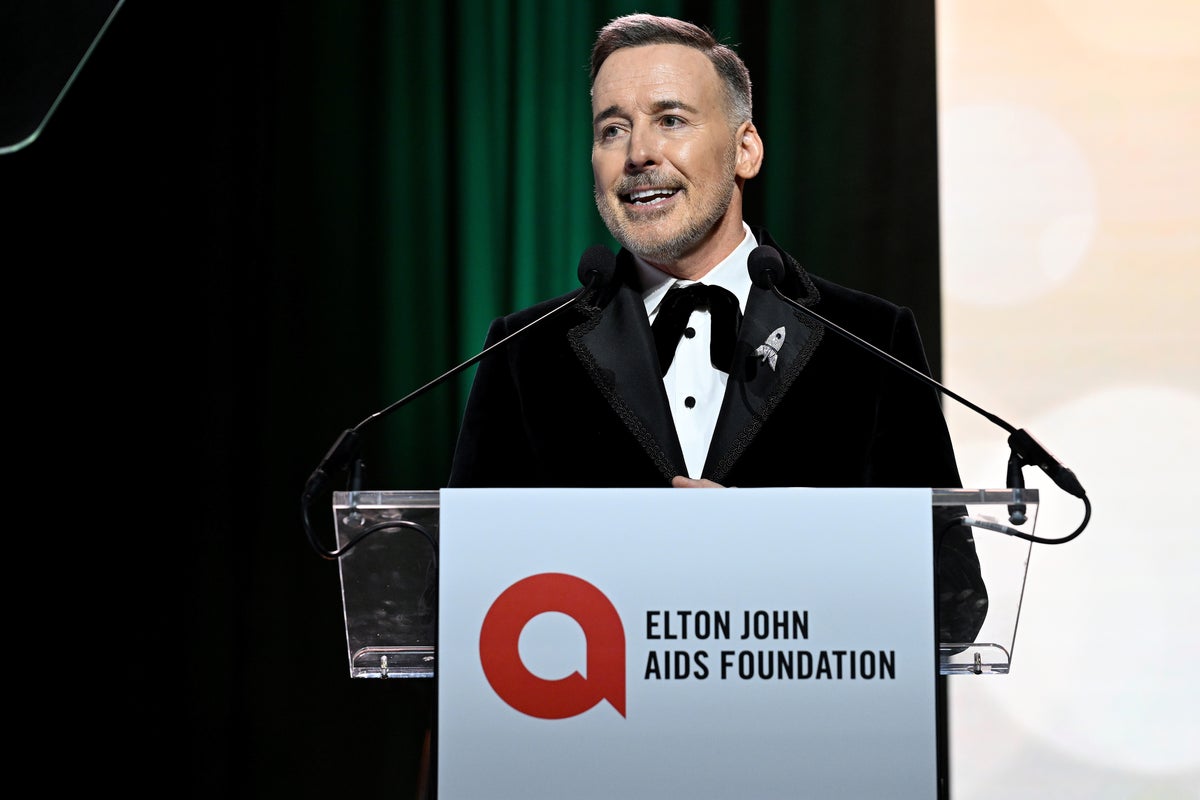
David Furnish is chair of the Elton John Aids Foundation, which works in more than 40 countries to end the Aids epidemic
David has also been included in The Independent’s Pride List 2026
This article has been produced as part of The Independent’s Rethinking Global Aid project