

Tens of thousands of student loan borrowers embroiled in a lawsuit against the Department of Education got some great news last week.
Some 30,000 borrowers received emails notifying them that their loans had been canceled ahead of a key June 15 deadline in the lawsuit, according to an X post Friday from The Project on Predatory Student Lending, a legal advocate for borrowers defrauded by predatory colleges.
The canceled loans totaled $12 billion, the project toldThe Independent in an email, citing data from the Department of Justice.
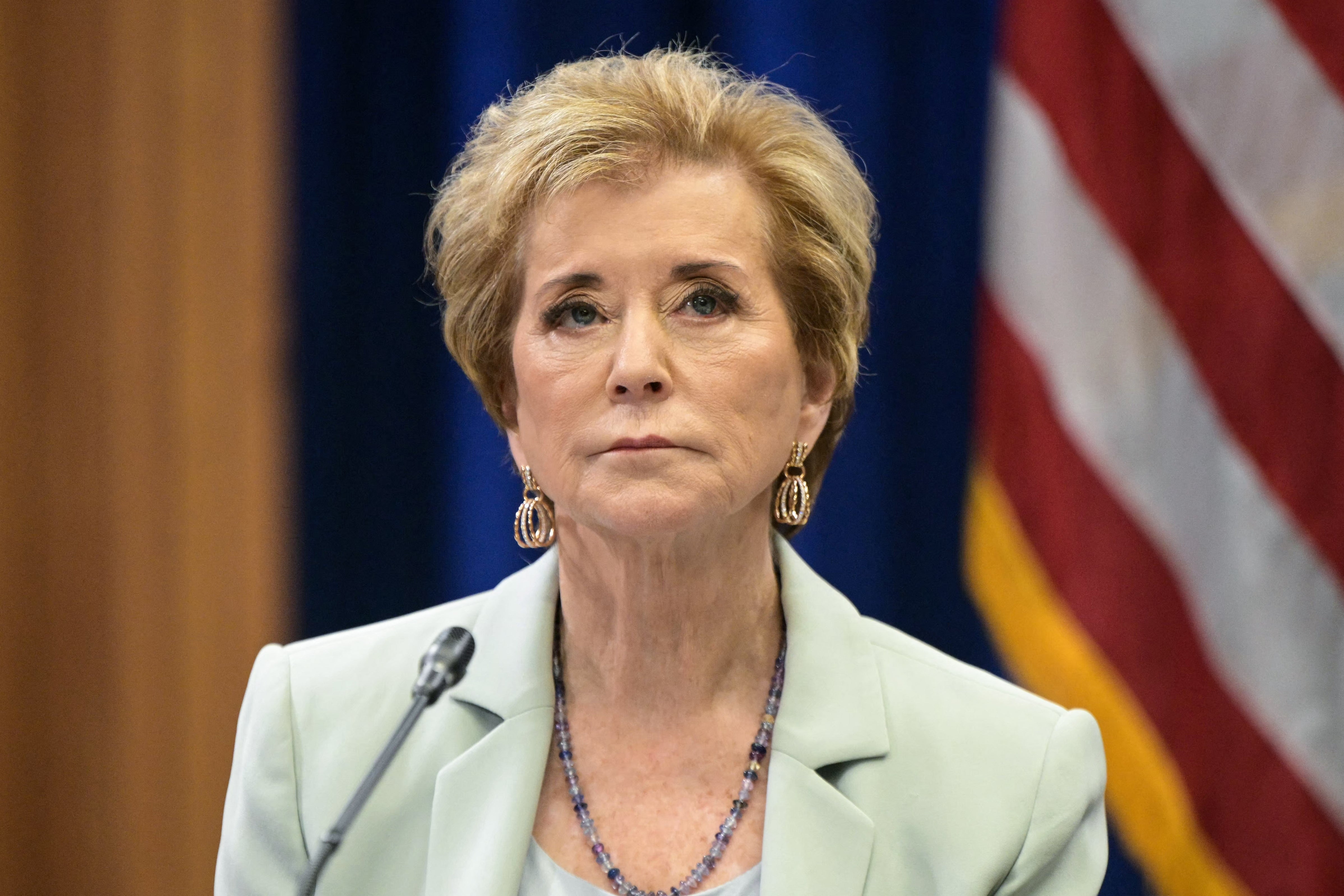
The cancellations – known as “discharges” – are part of a class-action lawsuit against Education Secretary Linda McMahon, brought by nearly 500,000 borrowers.
Discharges have taken place in three phases, the project said. Around 450,000 discharge applications have been approved since notices were first sent out in 2023, including the latest round of 30,000 approvals.
The latest round of discharge notices are part of phase three, which includes around 208,000 borrowers. Some 150,000 people have received discharge notices, leaving around 48,000 borrowers awaiting a decision. The recent 30,000 discharges are part of the lawsuit’s third phase.
Courts had ruled in favor of the borrowers in 2022, and the education department has filed multiple legal requests to delay settlement but failed.
The legal group, which has assisted plaintiffs in the case titled Sweet v. McMahon, received gushing praise from some of those it had helped.
“Can confirm,” user @un4tunatelyfly posted on X Friday. “Thank you for the effort you all have put in to this. It’s an amazing feeling when that email hits!”
The Independent has asked the Department of Education for comment.
Participants in the lawsuit had filed complaints with the Department of Education’s Borrower Defense program, then initiated a lawsuit when those complaints were ignored.
The defense program allows borrowers to apply for loan discharge if a school “misled” or “engaged in other misconduct in violation of certain laws and regulations,” the Education Department notes. The program only applies to schools where a borrower spent federal student loan funds.
“Through the settlement, we’ve delivered relief to students whose decisions to borrow student loans were based on false pretenses,” The Project on Predatory Student Lending said. “The Department had been doing proper oversight of schools, these loans never should have been made in the first place.”
The Sweet v. McMahon lawsuit is part of a broader struggle that borrowers are having with student loan balances, repayment programs and the Department of Education.
Relief for millions of borrowers appeared imminent during the Biden administration, when the former president launched the SAVE repayment plan for federal student loan borrowers. The plan reduced monthly payments and made loans in the program eligible for forgiveness after a certain number of payments.
A group of seven states brought a successful lawsuit against the plan, leading to its official end this year. The legal decision was a blow to the more than seven million borrowers who enrolled in the SAVE Plan.
The nation’s federal and private student loan debt balance climbed to $1.87 trillion in March, according to a study from financial services firm Fidelity. That debt has caused one-third of borrowers to put off buying a home, and 41 percent to lose sleep or feel anxious about their finances, the study noted.
Student loan debt impacts retirement savings, too. Retirement account balances among employees age 50 and older who have student loan balances are 30 percent lower than those without that debt, Fidelity’s internal data revealed.