
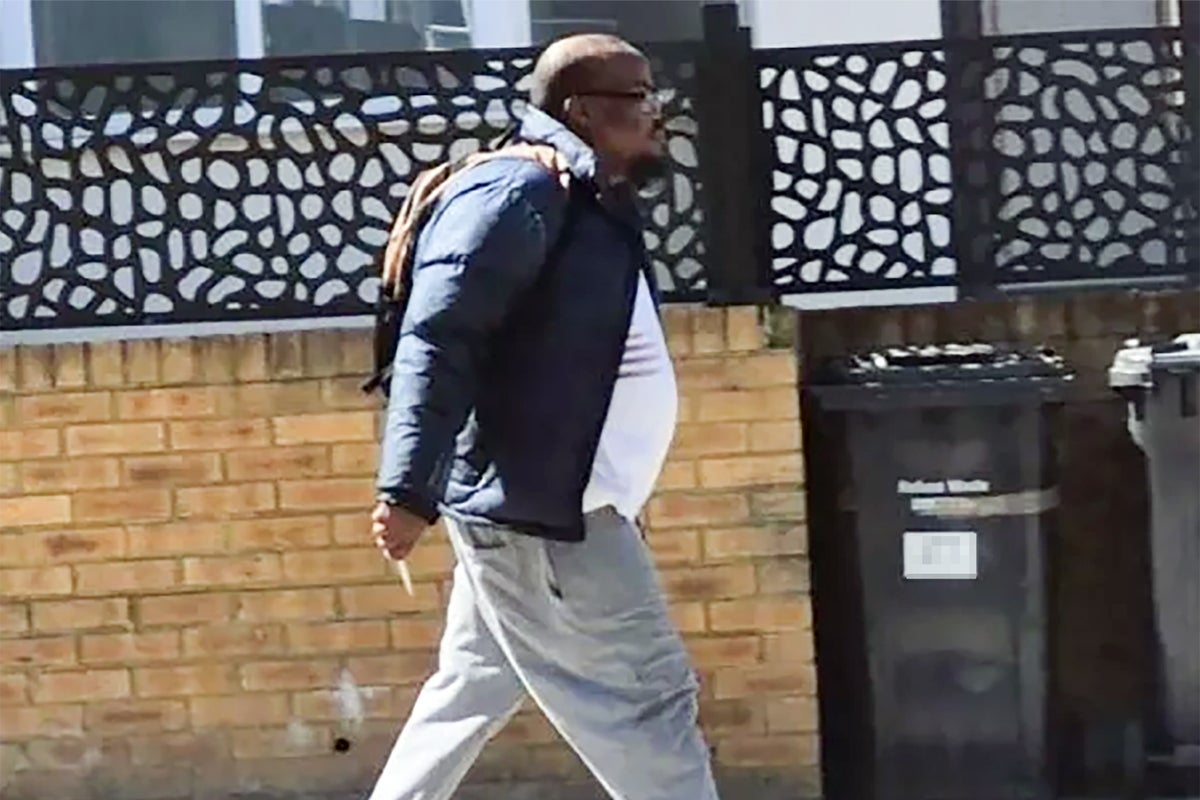
The suspect accused of stabbing two men in Golders Green was identified on Thursday as Essa Suleiman, a 45-year-old man who had previously been referred to the government’s counterterror programme.
The man, who was born in Somalia and came to Britain legally as a child in the 1990s, was arrested on suspicion of attempted murder on Wednesday after two British Jewish men were attacked in north London.
Met Commissioner Sir Mark Rowley revealed in a statement at the scene that the suspect, who is now understood to be Suleiman, has a history of “serious violence and mental health issues”.
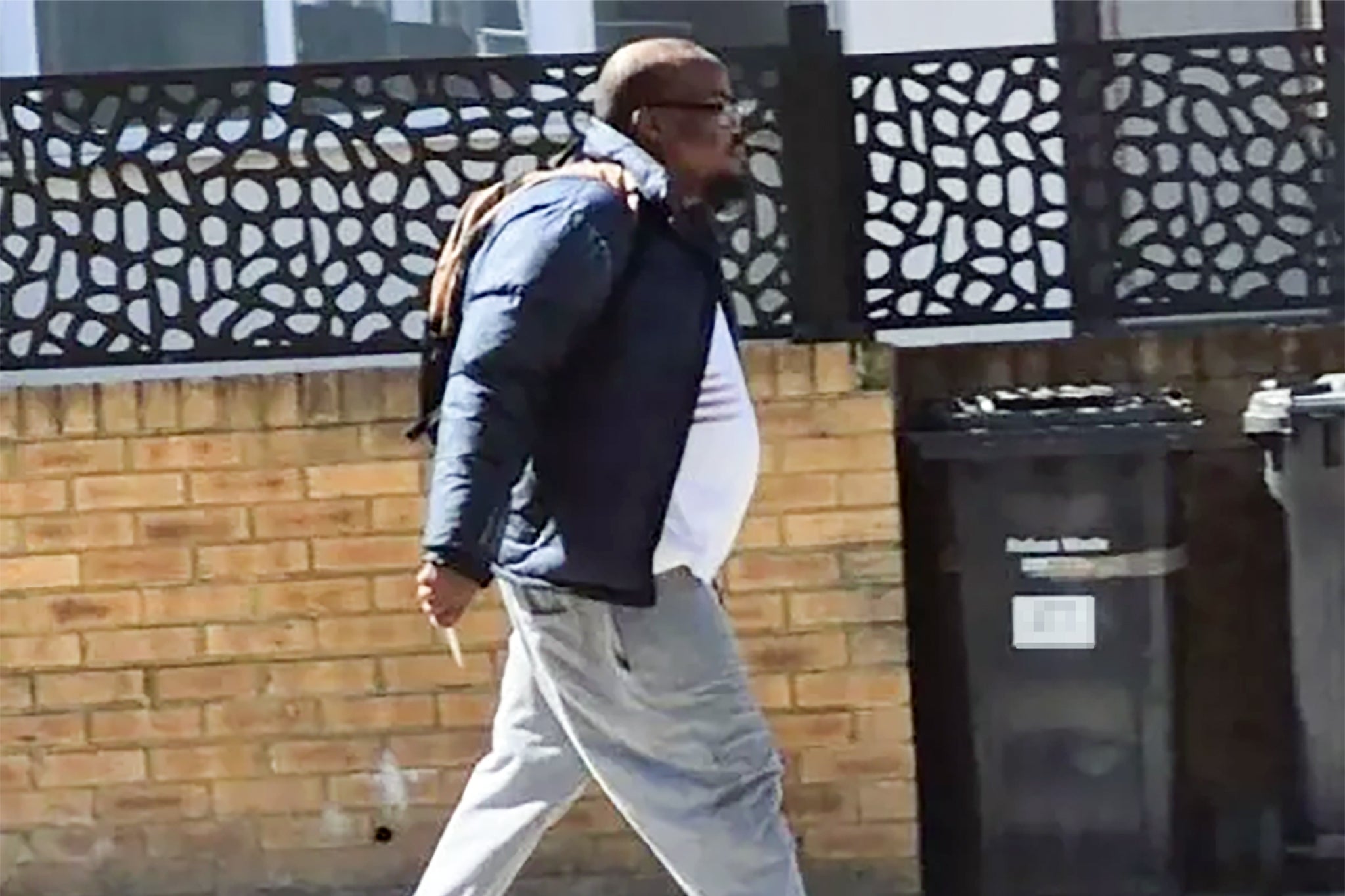
It emerged on Thursday that the suspected knifeman, who is believed to be a former translator, had been referred to Prevent, the programme that aims to stop people from becoming terrorists, in 2020. The case was closed in the same year.
Suleiman has previously been listed as living in Camberwell, south London, and reportedly worked as a security guard at a school in Swindon. Police, who have not confirmed the suspect’s identity, said they would not disclose further information on the Prevent referral due to the current investigation.
Sir Keir Starmer said the government needed to be “open to learning any further lessons” on its Prevent anti-extremism programme, but cautioned: “We’re at a very early stage at this point.”
On a day of extraordinary developments:
- Sir Keir Starmer called for Britons “to open their eyes to Jewish pain, Jewish suffering and Jewish fear” as he addressed the nation
- The prime minister was heckled with chants of “Keir Starmer, Jew harmer” as he visited Golders Green
- Chief rabbi Sir Ephraim Mirvis called for “meaningful action”, not just “words of condemnation”, to address the “root causes” of antisemitism
- Stabbing victim Shloime Rand said he felt that “God’s given me back my life” and accused the government of failing to keep Jewish people safe
- Britain’s terror watchdog, Jonathan Hall, led calls for a “moratorium” on pro-Palestine protests after the attack
- The UK terrorism threat level is expected to be raised to “severe” in the wake of the stabbings, meaning a terror attack is “highly likely”
Two Jewish men – 34-year-old Shloime Rand and 76-year-old Moshe Ben Baila, named locally as Moshe Shine – were taken to hospital after being stabbed in the suspected terror attack.
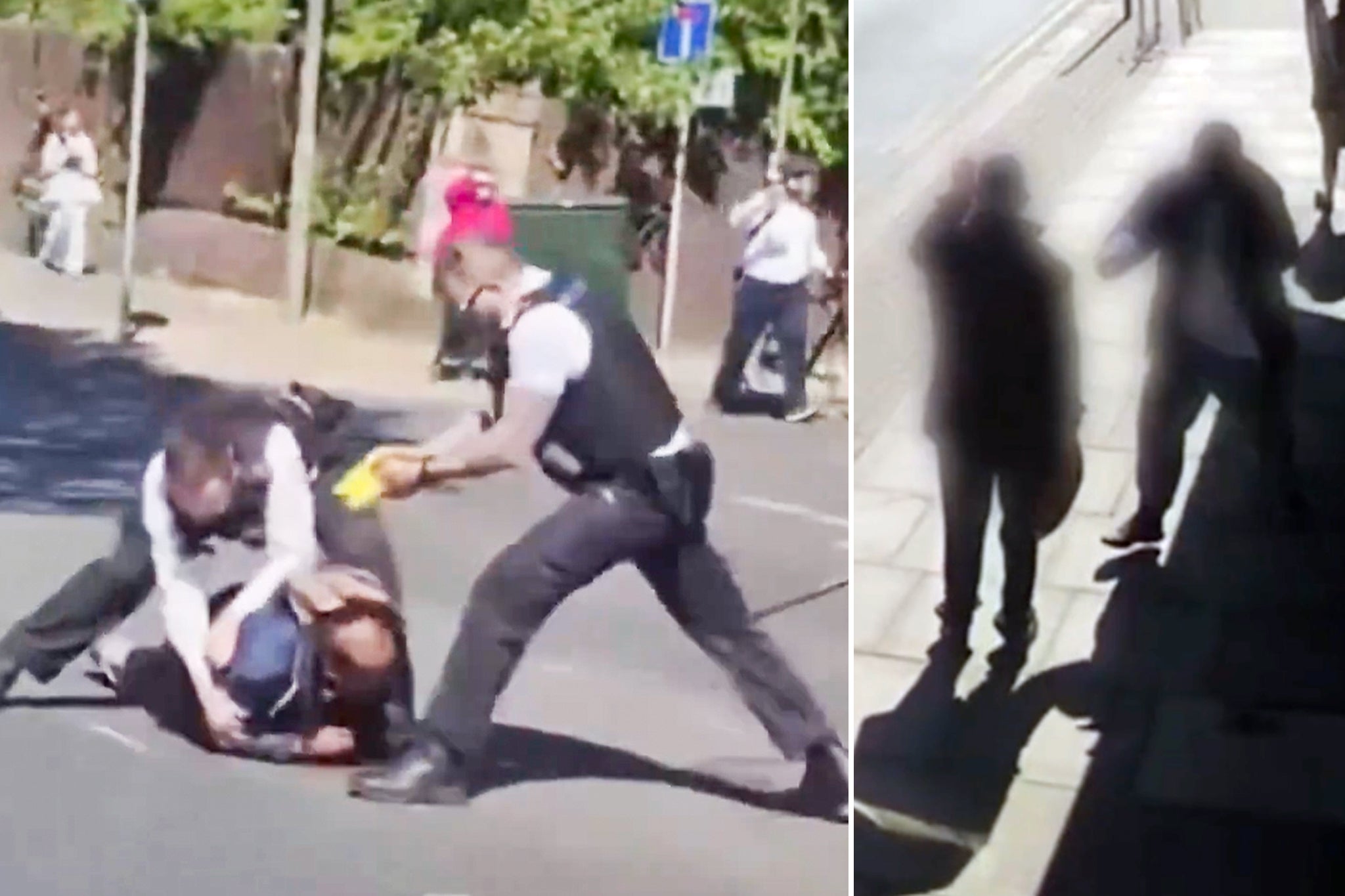
The stabbings are the latest in a series of attacks on Jewish sites over recent weeks and have prompted accusations that the government has not done enough to tackle antisemitism.
Speaking to The Independent on Thursday, the father of Shloime said his son was “obviously targeted” because he was visibly dressed as a Jew.
Shloime’s father, who did not wish to give his first name and only wanted to be known as Mr Rand, also said he wants the prime minister to do more to protect the Jewish community.
Speaking from hospital, Shloime said he was “really happy that it was only these injuries, it wasn’t worse”.
“I’ve had a stab in my chest, and yes, my lungs have to recover,” he told the BBC. “The oxygen was now reduced, and I hope I’ll be better soon.”
He said that the government had not done enough to tackle antisemitism, adding: “Maybe from now on, you know, government will pull their socks up and begin dealing with the problem properly.”
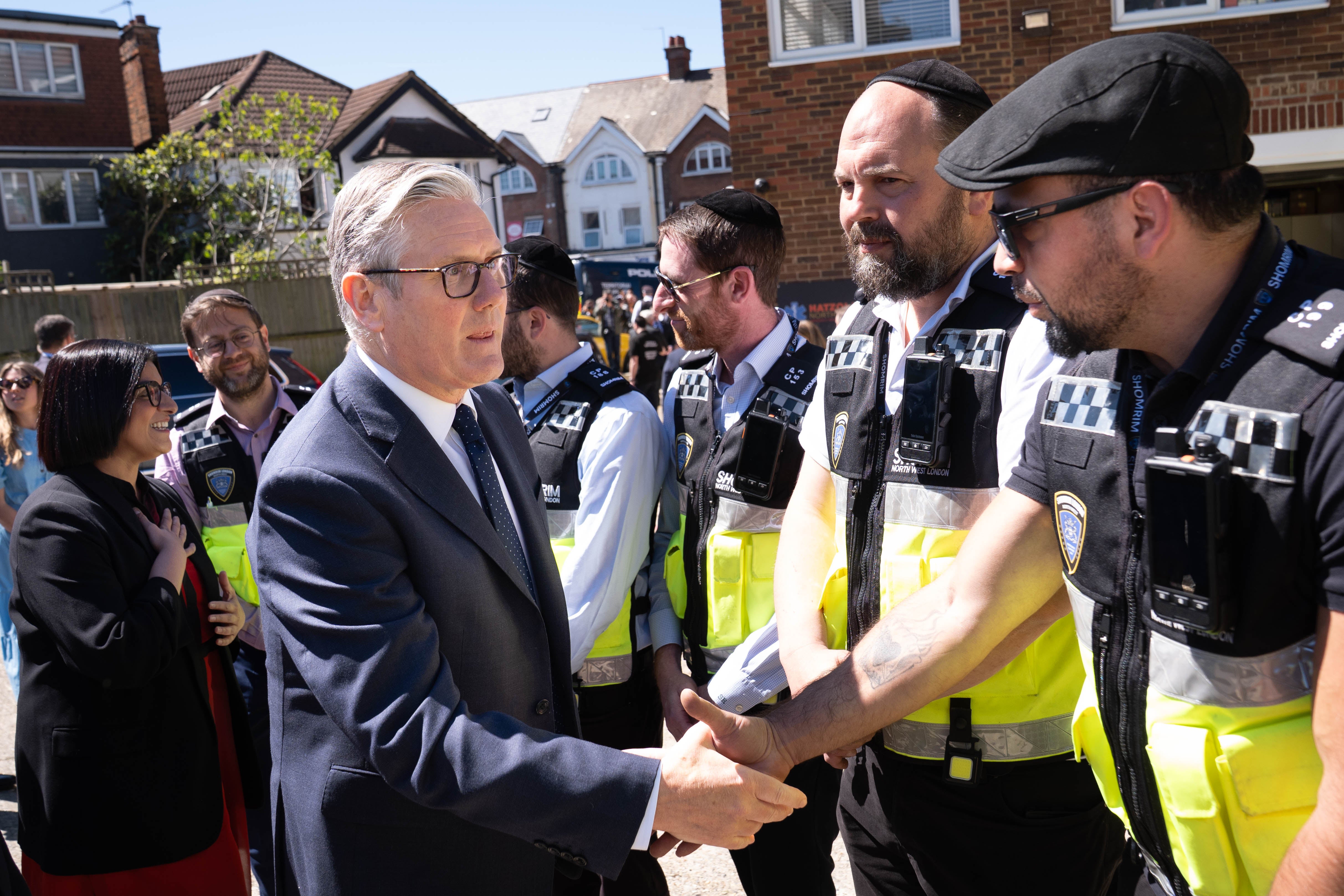
In a statement from 10 Downing Street, Sir Keir acknowledged that “people are scared, scared to show who they are in their community, scared to go to synagogue and practice their religion”.
He said that the government would strengthen the visible police presence in Jewish communities and fast track legislation to introduce powers to tackle domestic threats posed by foreign states such as Iran.
He also took aim at behaviour at pro-Palestine marches, saying: “If you stand alongside people who say, ‘globalise the intifada’, you are calling for terrorism against jews, and people who use that phrase should be prosecuted.”
The PM is facing pressure to ban pro-Palestinian marches. Jonathan Hall, the independent reviewer of terrorism legislation, said it was currently “impossible” for such marches not to “incubate” antisemitism.
His comments were echoed by the chief rabbi, who said “hate marches” together with “purposeful anti-Israel demonisation” had contributed to “a tone of antisemitism” in the UK.
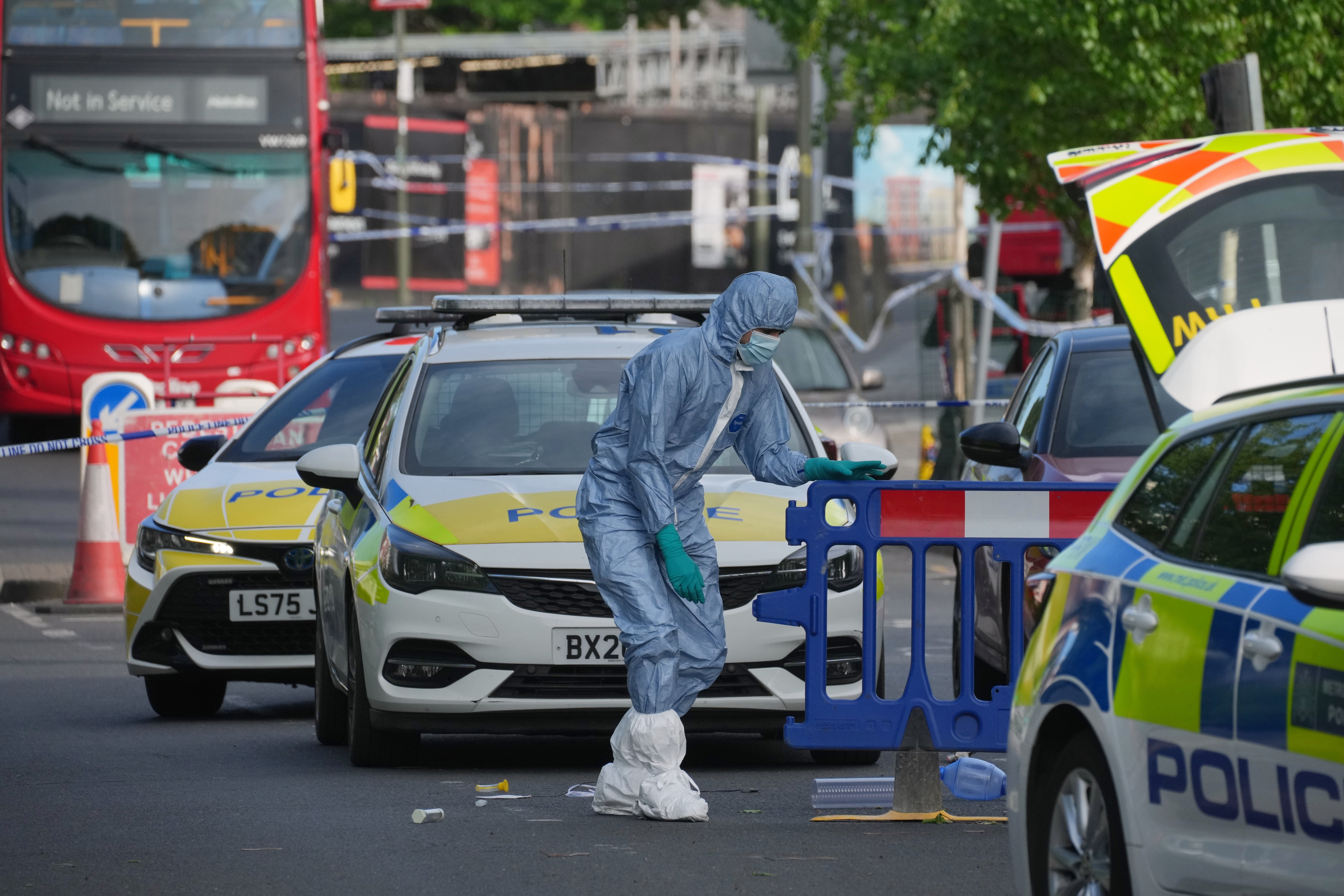
Conservative leader Kemi Badenoch said it was “quite clear they are used as a cover for violence and intimidation against Jews”. But Green Party leader Zack Polanski, who is Jewish, accused “authoritarian” Labour of “using Jewish pain” to consider a ban on marches.
Meanwhile, police forces across the country said they would step up patrols in Jewish areas in response to Wednesday’s attack.
Greater Manchester Police said it had deployed extra officers around the city, with a “high-visibility presence within our Jewish communities in north Manchester, Bury and Salford”.
West Yorkshire Police and Thames Valley Police both said they would increase patrols to “provide additional reassurance”.
In London, counterterrorism officers investigating the attack said they were also searching an address in the south east of the city after it was reported the suspect had been involved in a prior “altercation” with another person.
The suspect remains in custody.